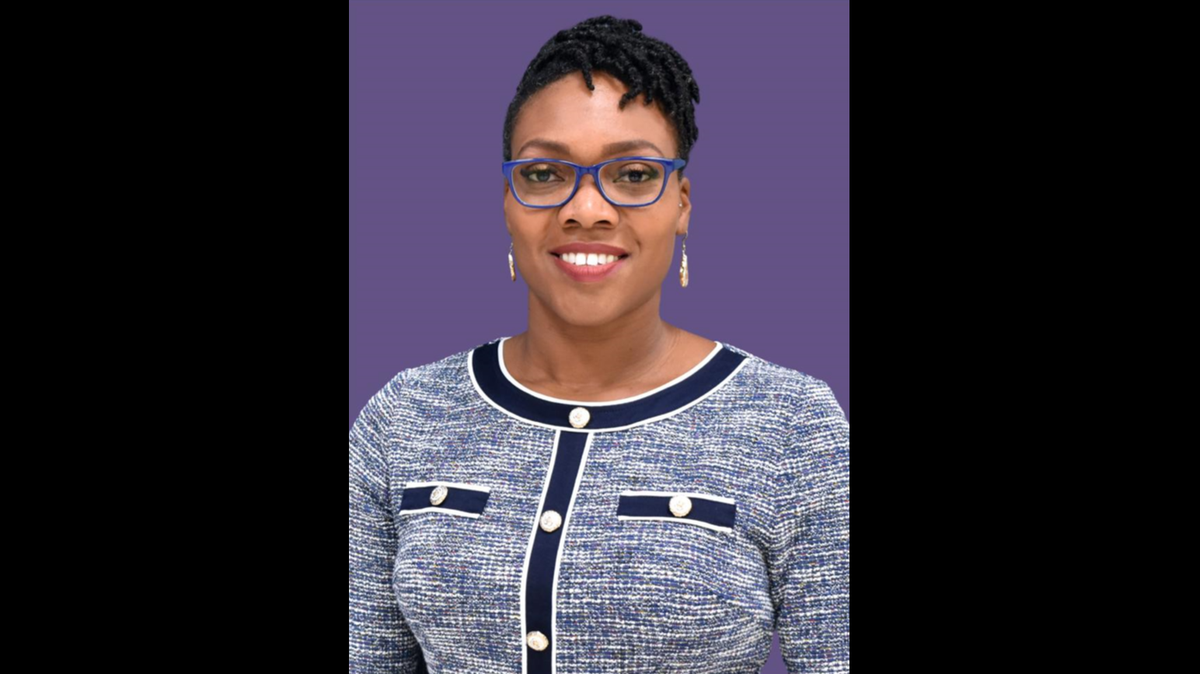
Democrat Safiyah Jackson, candidate for NC House District 37, answers our questions
READ MORE
Candidates for NC House District 37
Republican incumbent Rep. Erin Paré is running for reelection. She faces challenges from Democrat Safiyah Jackson and Libertarian Christopher Robinson. District 37 covers Wake County. Get to know the candidates with our 2024 NC Voter Guide.
Expand All
To help inform voters about the Nov. 5, 2024, election, this candidate questionnaire is available to be republished by local publications in North Carolina without any cost. Please consider subscribing to The News & Observer to help make this coverage possible.
Name: Safiyah Jackson
District/seat: House District 37
County or counties represented: Wake
Political party: Democrat
Age as of Nov. 5, 2024: 46
Campaign website: teamjacksonfornc.com
Current occupation: Nonprofit executive
Professional experience: I have experience in private, public and nonprofit sectors. I have a business mind, educator heart and hands for public service. I’ve demonstrated leadership across industries: museums, preschools, early elementary schools, higher education and philanthropy. I’ve been responsible for transforming ideas to action and I will do the same to ensure North Carolina remains first for business while working to be first for children.
Education: While earning my Master of Business Administration from Florida A&M University, I discovered a passion for a purpose-driven career. While working full-time, I earned two master’s degrees in Early Childhood Leadership and then School Psychology, both from National Louis University (NLU). I completed a full doctoral course sequence in Educational Psychology and related comprehensive exams from NLU. I’m currently “all but dissertation.”
Please list any notable government or civic involvement. Raleigh Little Theatre board member. Wake County precinct organizer. Canvasser for North Carolina Senate candidates. Volunteer as family advocate in school and court environments.
What would be your top priority if elected?
Advocate for family tax credits: Extend the Earned Income Tax Credit and Child Tax Credits.
By percentage, what raises should state employees, school staff and teachers receive in the next state budget?
School and state employees’ pay haven’t kept up with inflation or cost of living. The National Education Association ranks North Carolina 36th in average teacher salary and 46th for average starting salary. We must act with urgency to raise public school employee pay. I will focus on increasing pay to ensure North Carolina is able to fill vacancies and retain staff. We must reinstate master’s pay and implement a classroom-supply budget, so teachers aren’t left to pay out-of-pocket for instructional supplies.
What legislation would you support to improve Triangle transportation, housing or infrastructure? Please be specific.
North Carolina’s transportation ecosystem is funded by local, state (a portion of sales tax funds transportation projects) and federal funding. We must balance the state’s revenue needs and cost of living/doing business with the state’s funding transportation needs for local/regional residents, businesses and tourists. Housing is influenced by demand, supply, household income and development costs. I support balanced solutions to these market variables. I also support increased local municipality autonomy.
Do you think the legislature should fund about $500 million for private school vouchers through the Opportunity Scholarship program? Why or why not?
No. Public tax dollars must be invested in and prioritized for public schools. When we starve public schools, which are already underfunded, we undermine their ability to offer maximum family choice of high-quality environments. Studies show private school vouchers don’t improve student performance. All children deserve access to free, sound education. Despite a sliding scale, these vouchers mostly subsidize wealthy families that already afford private schools. It also hurts rural counties.
Is there an issue on which you disagree with your party? What is your position on that issue?
Given the uniqueness of the early childhood education field, both parties can learn from its successes and challenges to inform K-12 education policy. One example, North Carolina early childhood education is a publicly funded mixed delivery model: a variety of licensed center- and family-based child care programs, public schools and Head Start. This model provides families with the lowest income access to high-quality, publicly subsidized preschool programs based on their family’s preferences.
This story was originally published October 9, 2024 at 10:48 AM.