In first override of 2026, NC lawmakers overturn Gov. Stein’s veto of tax bill
AI-generated summary reviewed by our newsroom.
- For the first time in 2026, the General Assembly overrode Gov. Josh Stein’s veto.
- HB 87 creates a federal tax credit up to $1,700 for donations to scholarship providers.
- The override passed the Senate 30-19 along strict party lines with Republican support.
The North Carolina General Assembly overturned Gov. Josh Stein’s veto on Wednesday, the first successful override of the 2026 legislative session.
The new law passed as a result allows taxpayers to receive a federal tax break for donating to scholarship-granting organizations. That includes scholarships for private schools.
When he vetoed it in August, Stein said tax benefits shouldn’t come at the expense of funding for public schools. He said even though he was vetoing the bill, he believed the federal program could benefit North Carolina’s public school students, and planned to opt into the program after more guidance from the federal government.
Stein echoed that in a statement Wednesday, saying the General Assembly didn’t wait for the guidance.
“This legislature has dropped North Carolina to second to last in the nation in per public school pupil spending. We need to put more public dollars into our public schools, and I will continue to do everything I can to provide more support for public school kids,” Stein said.
“I see potential opportunities for public school students to benefit from this program. We are working on a solution to make it easy for North Carolinians like me who want to direct their federally reimbursed donations to scholarship-granting organizations that directly benefit public school students, and I look forward to sharing more once the federal guidance has been provided,” he said.
“Together, we can elevate high-impact programs that support public school kids with tutoring, after-school programs, summer learning, workforce development, and more,” Stein added.
Enough guidance hasn’t come from the federal government to satisfy Democrats.
Sen. Jay Chaudhuri, a Raleigh Democrat, cautioned against the bill ahead of the vote, saying there “are no established rules,” and that he wanted to wait for federal guidance.
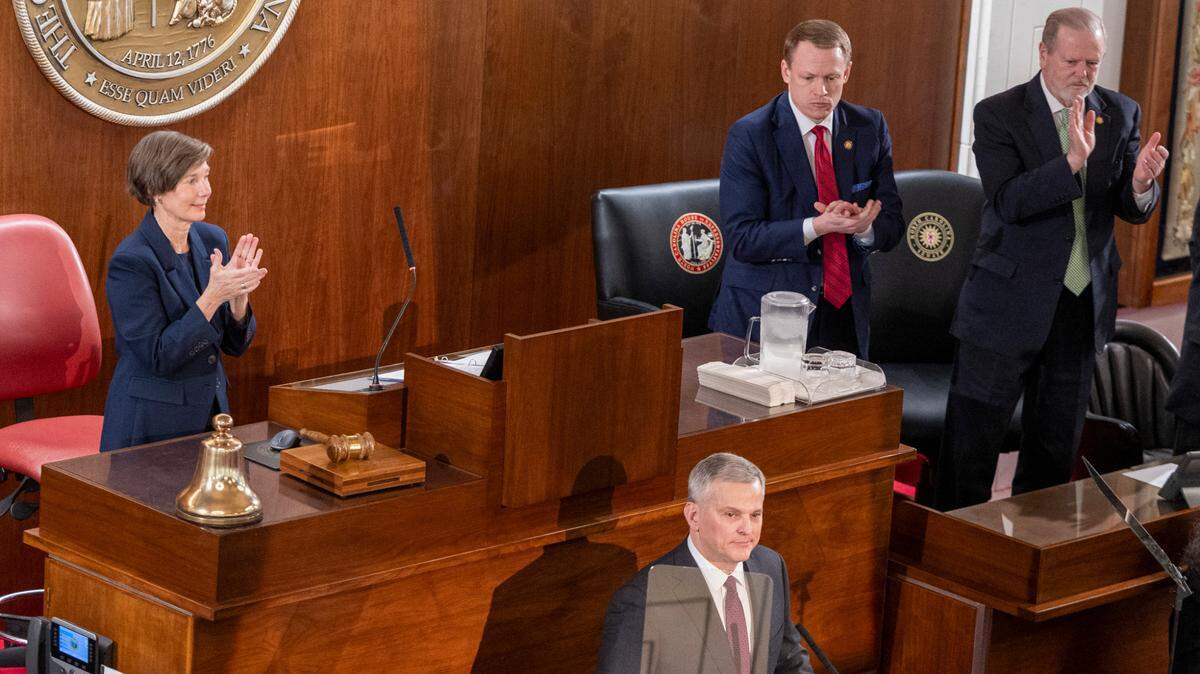
The override passed the Senate 30-19 on Wednesday, along party lines, with all Republicans in favor and all Democrats against. Republicans hold the required three-fifths supermajority to override a veto in the Senate.
The House already voted to override Stein’s veto in May, 73-46, with all Republicans in favor, Democrats against, and two unaffiliated representatives in favor. House Republicans need at least one vote from a Democrat or unaffiliated representative to reach a three-fifths supermajority. In the House, two former Democrats — Reps. Carla Cunningham and Nasif Majeed — voted with Republicans. Cunningham and Majeed changed their political party preference to unaffiliated after losing their Democratic primaries in March, and voted with the Republican majority on two constitutional amendments about taxes in May.
How the federal tax break will work
House Bill 87 allows “any taxpayer to receive a federal tax credit equal to the amount of their charitable contributions to qualifying scholarship granting organizations, up to $1,700, in taxable years beginning after Dec. 31, 2026.”
Sen. Michael Lee, a New Hanover County Republican, called it “a simple bill.”
“A lot of folks have just kind of tied this to private schools or other types of non-public type institutions. That’s really not true. This really applies for all children in all schools,” Lee said.
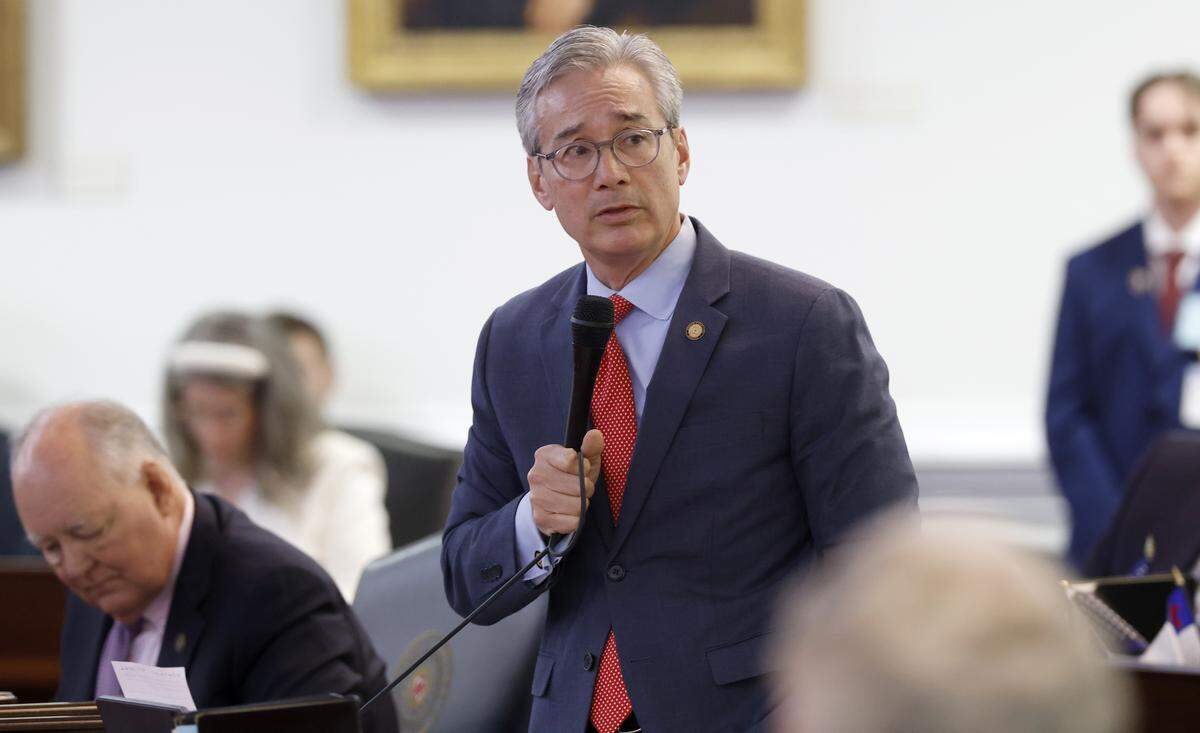
Lee said nonprofits aside from those granting scholarships for private schools could qualify for the tax break, too.
“This doesn’t just help some kids. This helps all kids,” he said.
The federal school-choice tax credit program passed under the Trump administration’s 2025 One Big Beautiful Bill Act.
Mike Long, President of Parents for Educational Freedom, called the override a “historic step forward for North Carolina families.”
“By opting into the federal Education Choice Tax Credit program, our state is embracing a common sense policy that expands opportunity, strengthens parental choice, and aligns North Carolina with a growing national movement to ensure education dollars follow students, not systems,” Long said in a statement.
After Stein’s veto, Republican Senate leader Phil Berger said: “Either you support school choice, or you don’t.“
The State Education Assistance Authority will run participation in the program, according to the legislation, and create the list of scholarship-granting organizations that are eligible. It will also be posted on its website.
This story was originally published June 3, 2026 at 5:24 PM.