
Cameras detect ‘surprising’ predators prowling in backyards in NC and DC, study shows
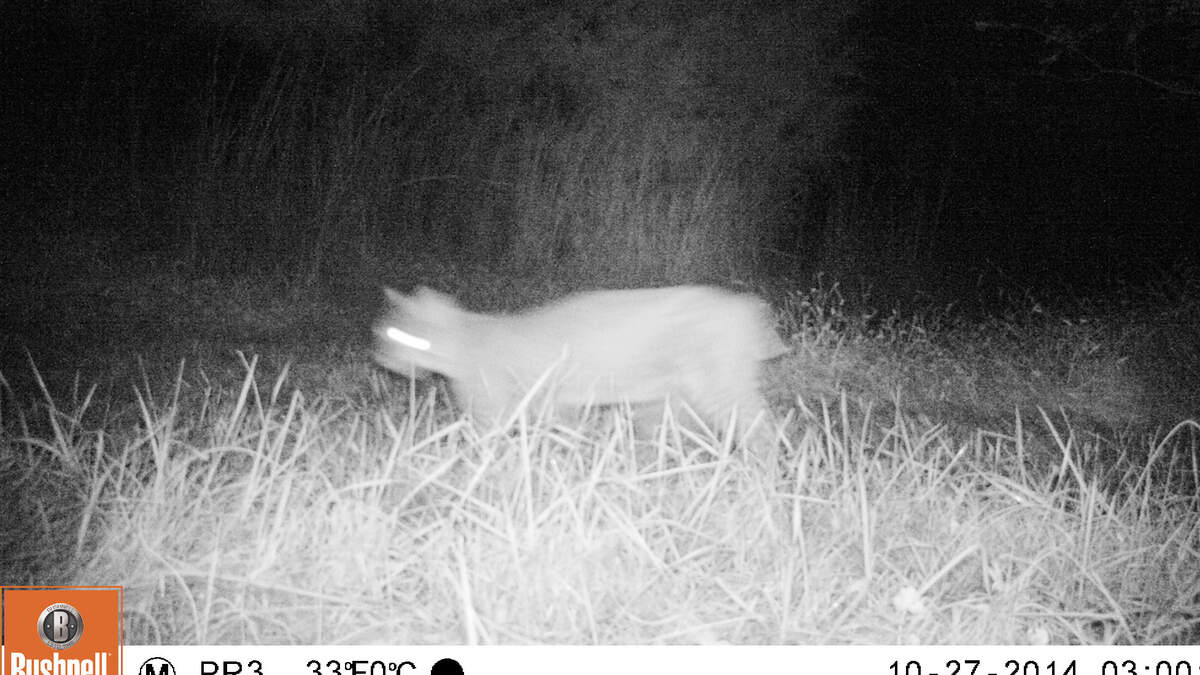
More wild animals and more kinds of them are visiting back yards in Washington, D.C. and Raleigh, N.C. than suburban residents likely realize, according to a study published this week.
“Developed areas are thought to have low species diversity, low animal abundance, few native predators, and thus low resilience and ecological function,” says the study, published Tuesday on eLife. “… We show that developed areas actually had significantly higher or statistically similar mammalian occupancy, relative abundance, richness and diversity compared to wild areas.”
Led by researchers from the N.C. Museum of Natural Sciences, N.C. State and the Smithsonian Institution, trained volunteers helped survey wildlife activity at more than 1,400 locations across Washington, D.C. and Raleigh from 2012-16. The locations ranged from completely urban to completely wild.
Some common animals turned up in the 53,273 images the cameras captured – “deer, raccoons, gray squirrels, opossums and the occasional fox,” according to a news release on the study.
But the survey caught some less expected species making suburban appearances – including coyotes in both cities and bobcats around Raleigh and Durham.
Bobcats can be found throughout North Carolina, but tend to favor wooded areas in the mountains and Coastal Plain, according to the N.C. Wildlife Resources Commission.
That made it a pretty rare event when a bobcat was caught on camera visiting the museum’s Prairie Ridge Ecostation near Rex Hospital in Raleigh.
“I think most people would find it quite surprising to learn that bobcats are in suburban areas here, but they are so secretive that people will probably never actually see them, except with a camera, and even then it’s very rare,” Arielle Parsons, the lead author of the study, told The News & Observer by email.
Some black bears were also detected in exurban Washington D.C., or the sector located just outside the area considered suburban, the study showed.
Parsons said the findings “would seem to indicate that the impact of suburban areas in particular is less dire for many mammals than we previously thought and that perhaps there is a certain level of adaptation of mammals to humans,” according to the release.