UNC mascot Rameses XXI is retiring. Meet his successor: Otis
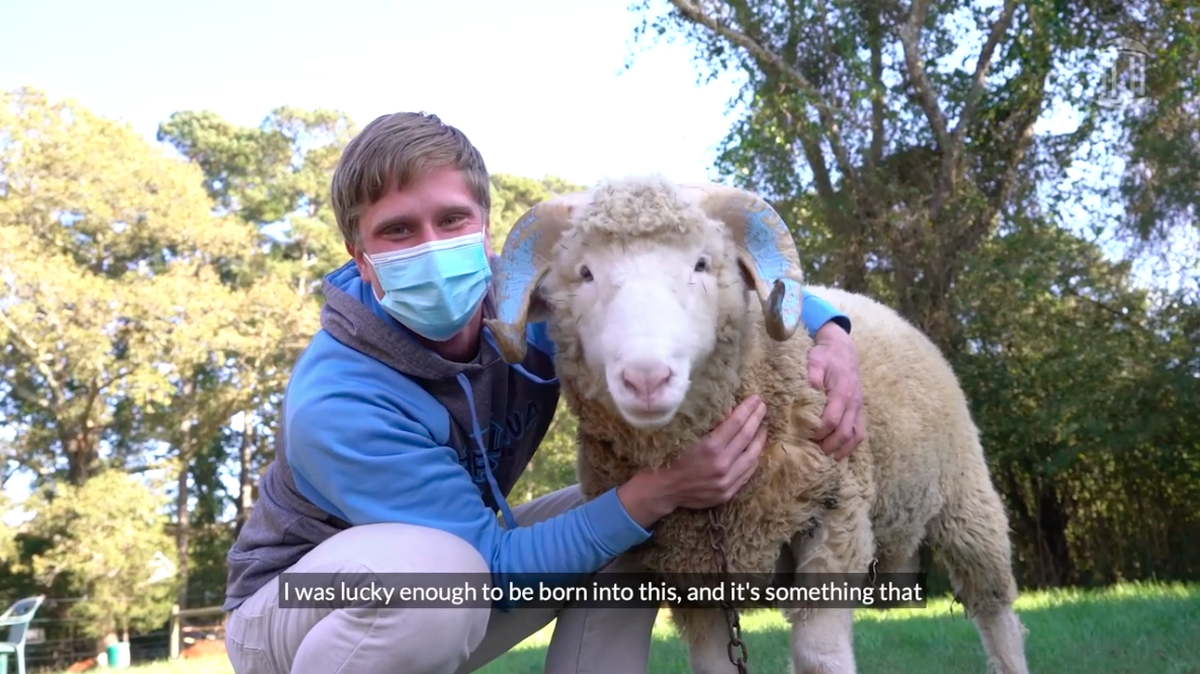
Rameses XXI is retiring after nearly a decade as UNC’s mascot, the university announced Thursday.
Who will replace him? Otis, a 9-month-old Dorset Horn from northern Virginia who used to “not want anything to do with people,” his owners said.
Otis, soon to be Rameses XXII, hasn’t officially ascended the throne at Kenan Stadium in Chapel Hill because of the pandemic, UNC said in a news release announcing the “changing of the horned guard.” But his caregivers say they’re preparing him for life in the spotlight.
“He’s never going to lie down and roll over, but what you can do is get him used to people,” James Hogan, whose family has been caring for the Rameses dynasty since the 1920s, said in the news release. “He’s really come a long way. He was on a farm where all he knew was sheep, and he didn’t have much human interaction at all.”
Rameses XXI has been UNC’s “live” mascot for eight or nine years, according to the family.
“He’s going to live out the rest of his days in luxury on the farm,” Hogan said.
In the interim, he’s taken young Otis under his care on the farm — where the pair are “often seen together,” said Don Basnight, Rameses XXI’s current handler.
The tradition of raising and caring for UNC’s mascot within the Hogan family is also being passed down with Otis.
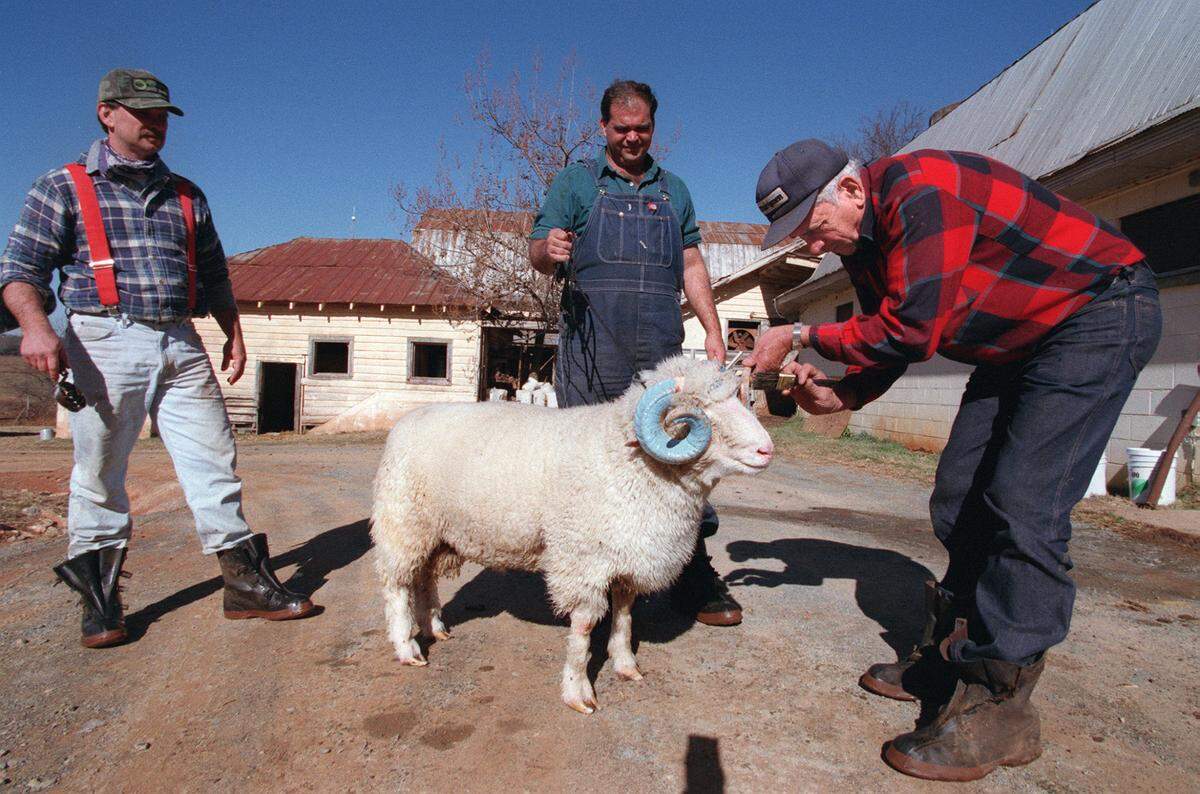
“This has been the first time I’ve really taken on the role of the primary trainer of the ram,” Hogan said, adding, “I was lucky enough to be born into this and it’s something the Hogan family has done essentially for the last 99 or 100 years. It’s really gratifying to help carry on the tradition. We love it.”
He will be the fourth generation Hogan to look after Rameses, Basnight said.
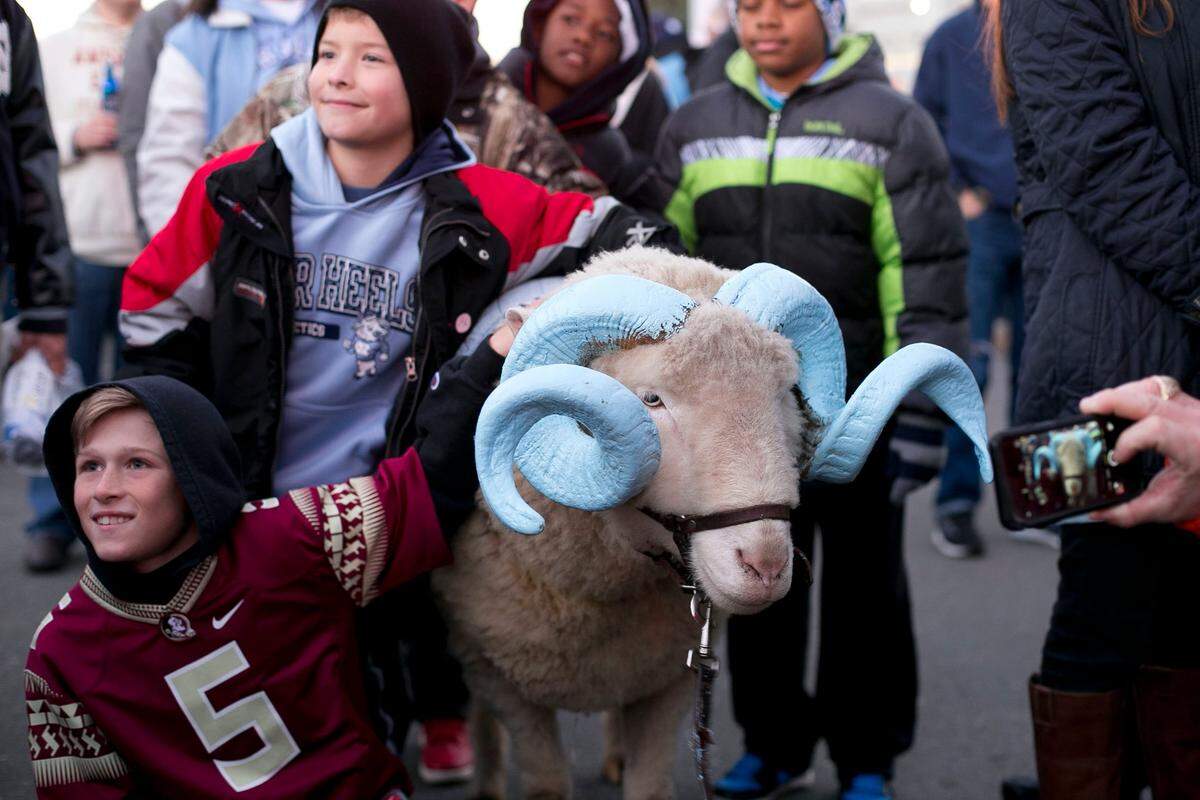
A brief history of Rameses
The first Rameses was bought with $25 “from either Texas or Tennessee” in 1924 by UNC’s then-head cheerleader Vic Huggins, according to the university. The idea of a ram for a mascot was supposedly inspired by a football player at UNC known as Jack “The Battering Ram” Merritt.
He made his debut on Nov. 8, 1924, during UNC’s game against the Virginia Military Institute, which the Tar Heels won 3-0, Huggins reportedly told UNC’s student newspaper The Daily Tar Heel in a later interview.
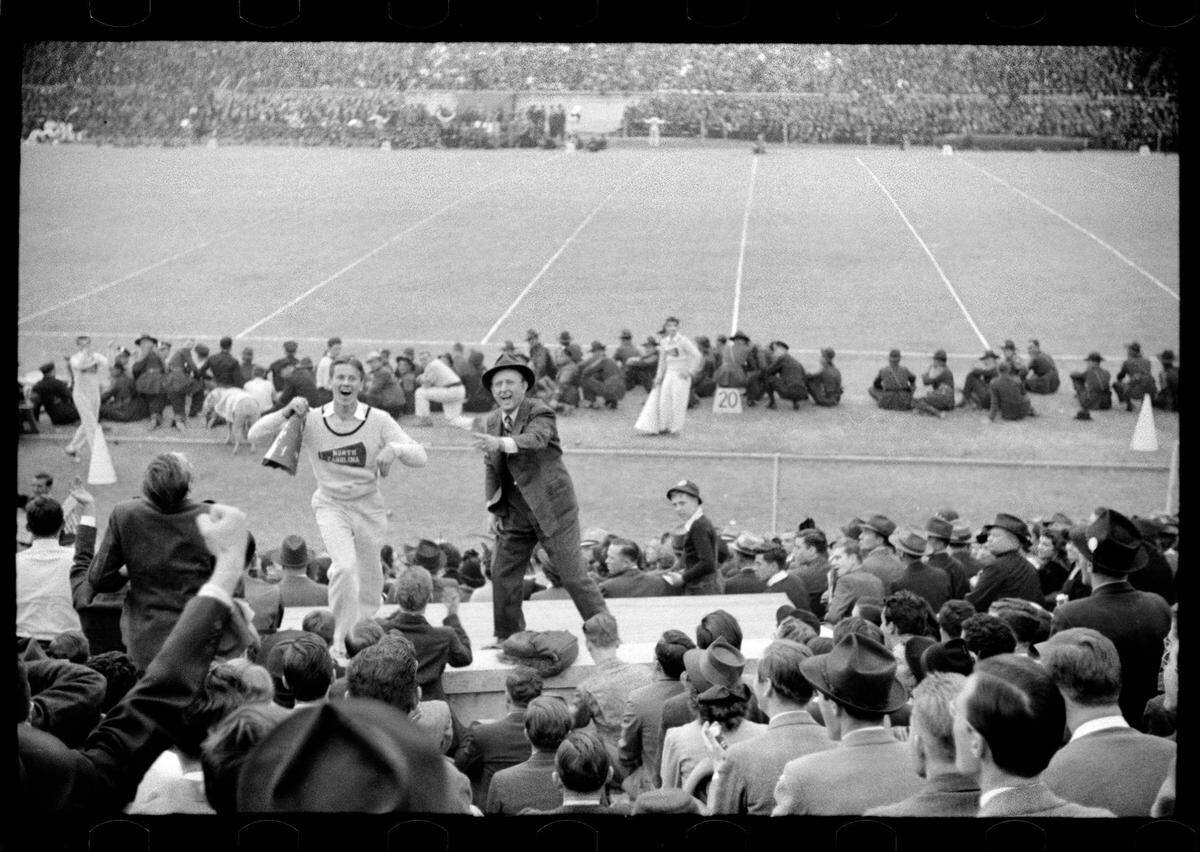
Rameses I didn’t make it to the 1925 season, and his successor also died after his first season with the team, the university said.
Rameses III didn’t appear on the scene until 1933, and he served dutifully for three years before his death in 1936. The first Rameses traced to the Hogan family farm in Orange County was his successor, Rameses IV.
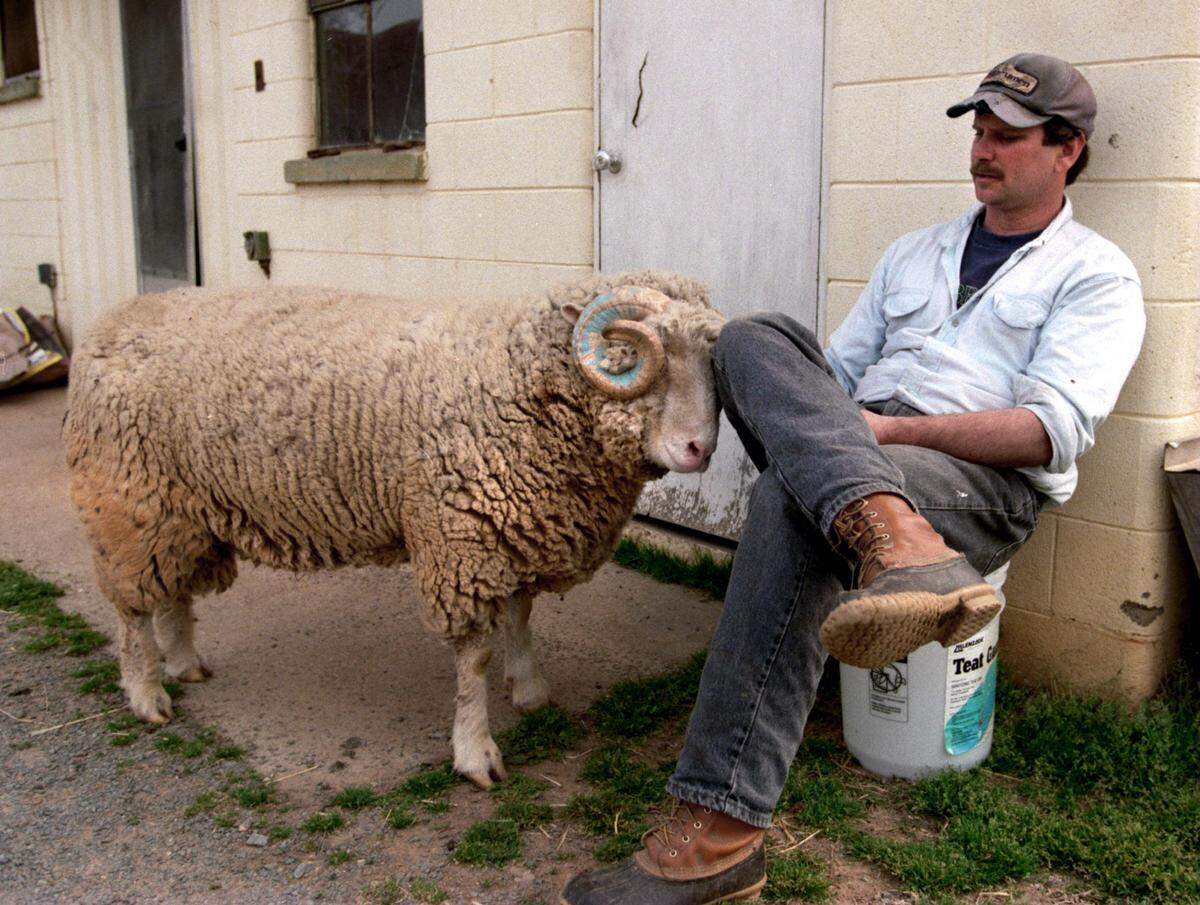
Basnight told the university Rameses IV “survived several kidnapping attempts by students from rival schools.” Basnight said he and his cousins were the ram’s protectors as little kids.
The Rameses tradition has continued for decades — though the timeline and lineage is a little questionable, according to UNC.
In 1996, tragedy struck when Rameses was found slashed to death in his pasture. Police said they believed someone butchered the animal for its meat.
This story was originally published November 19, 2020 at 1:45 PM.