6 million pounds of tobacco were smuggled into Canada — with NC farmer’s help, feds say
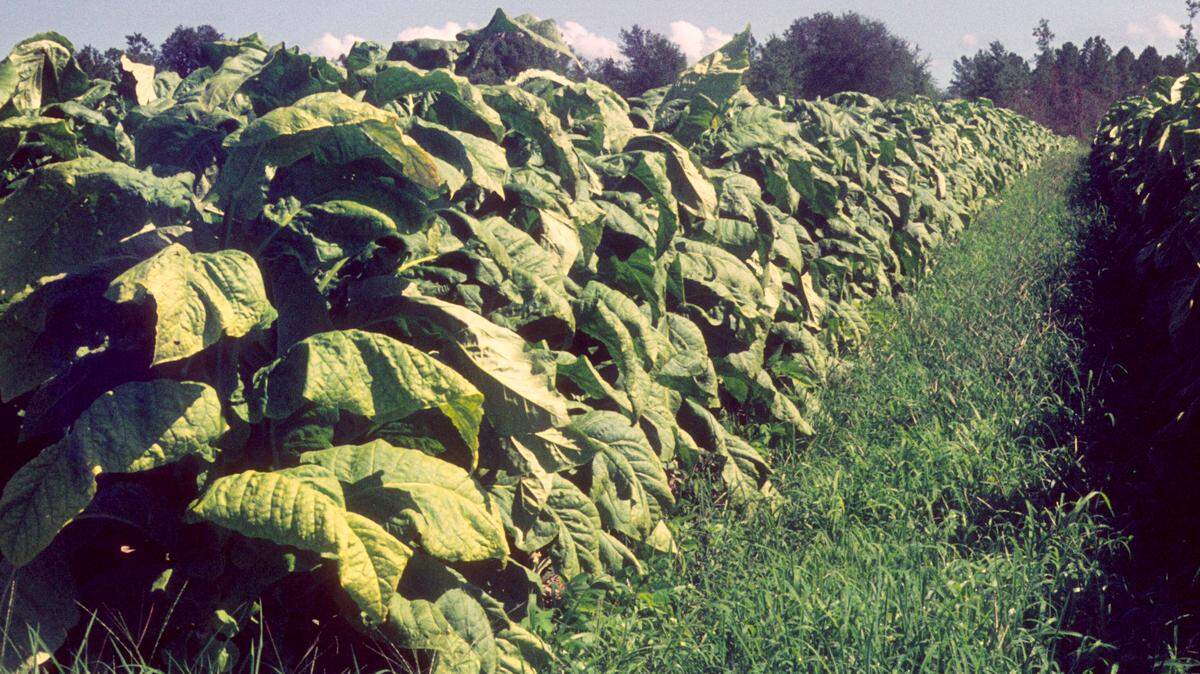
A 55-year-old farmer in rural North Carolina is accused of brokering deals in a multimillion-dollar smuggling operation involving millions of pounds of tobacco driven into Canada on the backs of snowmobiles with the help of organized crime syndicates.
Federal prosecutors say Phil Caprice Howard of Pink Hill, North Carolina, purchased the tobacco from farms in the surrounding area and arranged for its delivery to smugglers who brought it into Canada to be made into contraband cigarettes.
Howard was sentenced Thursday to more than six years in prison and ordered to pay $1 million in restitution to the federal government. He was also ordered to forfeit $2.2 million.
A defense attorney representing him declined to comment on Friday.
“The amount of loss (Howard) has caused is almost unfathomable, with the figures totaling a loss of more than $790 million in Canadian dollars to the Canadian government, a loss of more than $1 million to the United States government, and a loss of more than $500,000 to the state of North Carolina,” prosecutors said in court filings.
The decade-long scheme encompassed everyone from a Native American tribe to the Hell’s Angels motorcycle gang, prosecutors said.
Farmer made million-dollar profits
Pink Hill is a town of just over 500 people that sits on half a square mile in the heart of North Carolina’s tobacco region, midway between Raleigh and Emerald Isle on the coast.
The Pink Hill website describes it as “the perfect example of small town life.”
It’s also where prosecutors said Howard earned a comfortable living of $100,000 a year running a farm. Data from the Environmental Working Group shows he earned government subsidies growing cotton, soybean, corn and wheat.
But starting in at least 2010, officials said Howard sought a secondary income brokering deals with smugglers on the Akwesasne Mohawk Nation Reservation that straddles the U.S.-Canadian border.
He was reportedly paid in large bags of cash or contraband cigarettes that truck drivers brought back from the Canadian border.
Howard ultimately made $2.5 million — all of which the federal government now wants back, prosecutors said.
The government accused him of operating solely out of “greed,” saying he had other marketable skills in farming, operating heavy machinery and welding.
“Plainly, he is and has been capable of earning an honest living,” the government said in court documents. “Instead, however, he chose, again and again over the course of a decade, to engage in a criminal scheme from which he profited substantially.”
Six million pounds of tobacco smuggled
Prosecutors pieced together the far-reaching smuggling operation in court filings. They said Howard purchased large amounts of cut-rag tobacco — which has been cut into fine strips to be used in cigarettes — from six warehouses in at least four North Carolina cities, including Wallace, Raeford, Laurinburg and Wilson.
Howard arranged for drivers to pick up the tobacco and deliver it more than 800 miles north to the Akwesasne Reservation, prosecutors said.
He’s accused of organizing at least 221 transports from Wilson to New York, and he was reportedly paid at least $80,000 for each load of tobacco.
From the reservation, prosecutors said smugglers would transfer the tobacco from boxes into garbage bags and cart it across the St. Lawrence River into Canada on boats and snowmobiles. A second group that sometimes included members of the Hell’s Angels would then take the tobacco to the Kahnawake Reservation — a Mohawk Nation territory about 68 miles away in Quebec.
The tobacco was subsequently sold to a buyer and processed into contraband cigarettes, all without having to pay the Canadian government federal excise duties and provincial taxes, prosecutors said.
Howard is accused of facilitating the transport of more than 6 million pounds of cut-rag tobacco over the course of the scheme. He routinely communicated with truck drivers on burner phones and told them to lie if they were pulled over coming back to North Carolina with his money, according to court documents.
He also provided the drivers with false paperwork about the destination of contraband cigarettes and, on occasion, accepted payment through shady wire transfers, prosecutors said.
During the same time frame, the government said Howard filed false tax returns that failed to include both his income from the smuggling operation and his farming business.
“Defendant’s smuggling scheme continued for nine years, even after repeated warnings that he and his associates were drawing the attention of law enforcement,” prosecutors said.
A grand jury indicted Howard in November 2018 and he was arrested in January 2019, court documents show. Howard was then hit with a second superseding indictment in April charging him with willful failure to file tax returns, filing false tax returns, lying to a grand jury and wire fraud.
Prosecutors also accused him of violating the terms of his release from jail by continuing to not pay his taxes.
Howard reportedly faced a life sentence if convicted. He pleaded guilty to one count of conspiracy to commit money laundering and one count of willfully filing a false tax return a few weeks before the case was scheduled to go to trial in October.