
NC reports first avian flu deaths in wild birds, including hawk found in Wake County
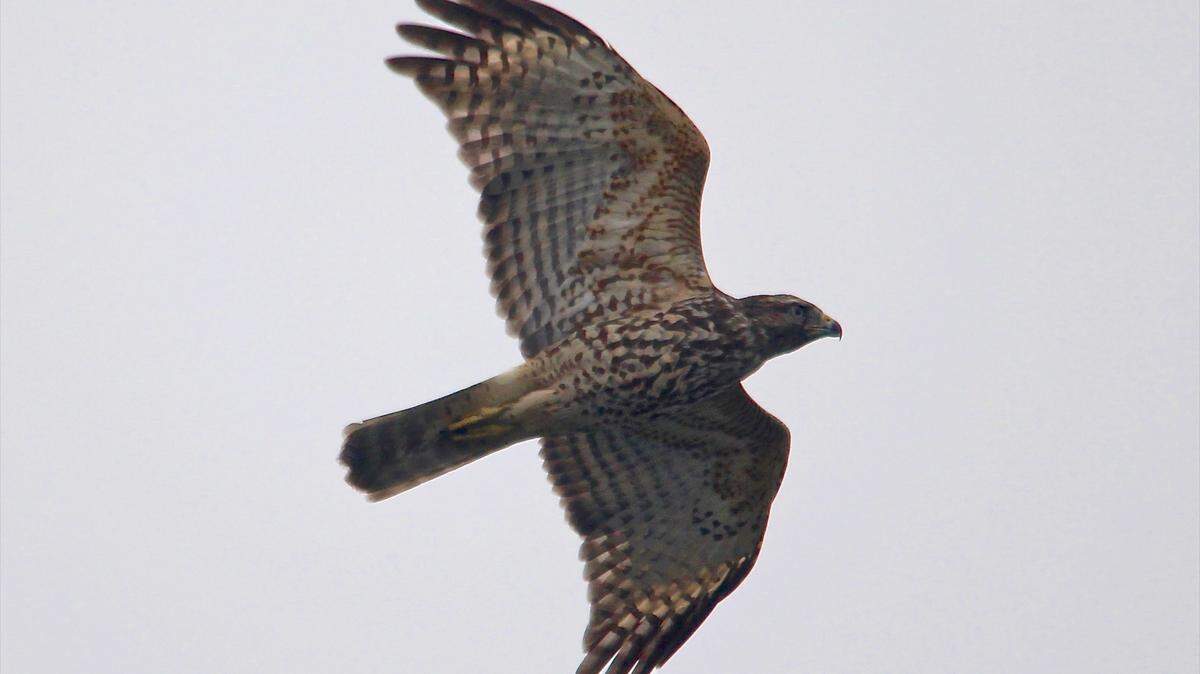
A red-shouldered hawk found this month in Wake County is one of the first four confirmed wild birds to die from a highly infectious avian flu in North Carolina, according to the N.C. Wildlife Resources Commission.
The hawk and a bald eagle in Dare County were found dead and collected by Wildlife Resources Commission staff. A snow goose in Hyde County and a redhead duck in Carteret County were found showing neurological symptoms of the illness before being euthanized.
According to the U.S. Department of Agriculture, the highly infectious avian flu has been detected 140 times among wild birds in North Carolina, including in the four dead birds. North Carolina has reported the highest number of cases among wild birds of any state.
Avian flus are classified as “highly pathogenic” or “low pathogenic” based on the strain’s ability to cause illness among domestic poultry, according to the Wildlife Resources Commission. That’s of particular concern in North Carolina, a state that produced 961.3 million broiler chickens and 30 million turkeys in 2020, both among the top four in the country.
The USDA has not reported any cases at the state’s commercial poultry farms. Nationwide, the USDA has found the virus in 21 commercial flocks.
The Charlotte Observer previously reported that the virus is frequently passed via the droppings of infected birds, leading the state’s poultry farmers to limit visits to their facilities and take steps like sanitizing equipment and requiring workers to change footwear or clothing in poultry barns.
Waterfowl like ducks and geese can carry avian flu without showing symptoms, according to a Wildlife Commission press release. But raptors that prey on waterfowl and scavengers that eat dead birds are more vulnerable to the illness.
In a statement, Sarah Van de Berg, a Wildlife Commission wildlife biologist, said, “If someone comes across a mortality event involving five or more waterbirds or waterfowl, or a mortality event of any size for raptors or avian scavengers, including crows, ravens and gulls, we want to know about them.”
Van de Berg added that birds of those species that are acting strangely like swimming in circles, tilting their heads or acting with a lack of coordination should also be reported. Anyone who sees a wild bird showing symptoms of avian flu can call the NC Wildlife Helpline at 866-318-2401 or send an email to HWI@ncwildlife.org.
Anyone with captive birds that show symptoms or are dying should report it to their veterinarian, the N.C. Department of Agriculture & Consumer Science’s Veterinary Division by calling 919-707-3250, or the N.C. Veterinary Diagnostic Laboratory System by calling 919-733-3986.
This story was produced with financial support from 1Earth Fund, in partnership with Journalism Funding Partners, as part of an independent journalism fellowship program. The N&O maintains full editorial control of the work.
This story was originally published March 17, 2022 at 11:51 AM.