Confused by corporate landlord lingo? Our glossary translates jargon into plain English

READ MORE
Security For Sale: Converting NC homes to rentals
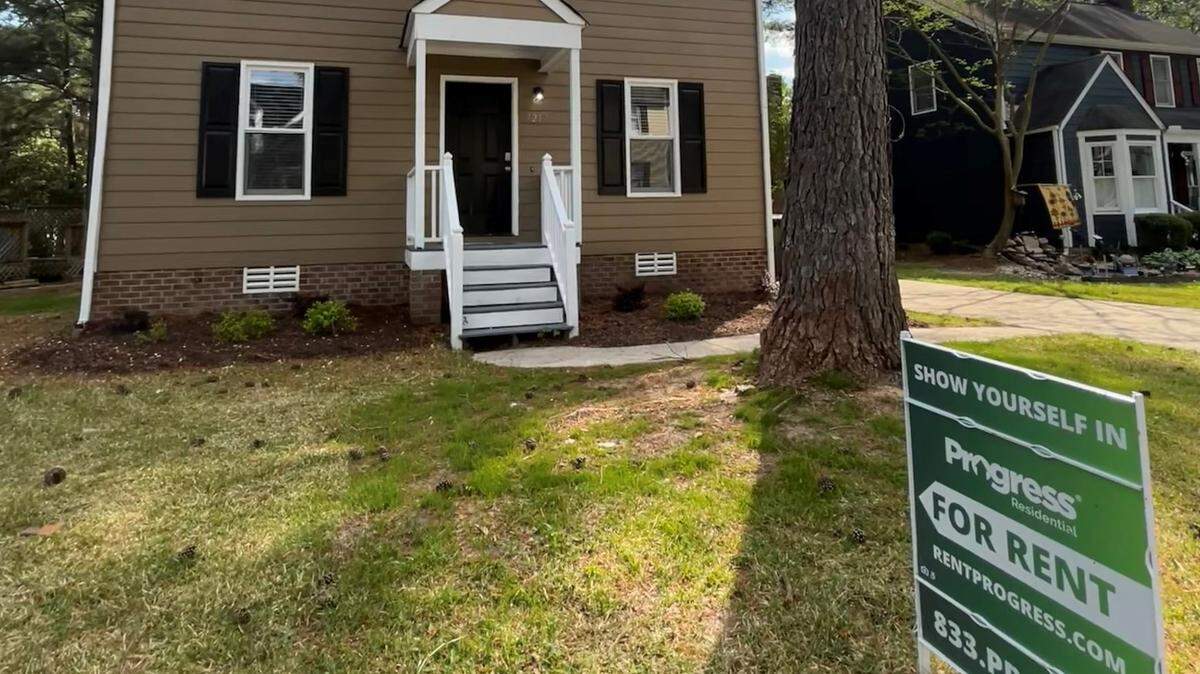
Institutional investors have bought at least 40,000 single-family homes across North Carolina in the past decade and now rent them out. The industry — primed for continued growth — says it improved the rental experience, providing safe, affordable houses that were previously inaccessible to renters. But owning a house traditionally offered financial security for most American families. And our investigation finds the business model of these companies is finely tuned to squeeze profit from the homes, often to the detriment of renters, neighbors or other would-be buyers.
Expand All
Every industry brings its own jargon. Here are some terms thrown around when describing the world of corporate landlords buying up homes in North Carolina, especially in and near Charlotte.
Asset-backed securities: These are investments that promise profits from revenue that’s on the way. That can be expected payments on a loan or lease.
Rental-backed security: In the corporate, single-family home rental industry, it’s future rent revenue that brings value, with home deeds offered as collateral.
Foreclosure: When a lender moves to collect money owned on a loan that a borrower fails to pay off. That can include seizing a mortgaged property and selling it to collect some value.
Institutional investors: Organizations, including companies, that invest money on behalf of others. That can include hedge funds, endowments, mutual funds and others.
Corporate landlords: For-profit organizations with diverse structures that buy or manage portfolios of single-family homes that they put on the market as rentals. Observers of the growing single-family home rental business sometimes use the term institutional investors and corporate landlords interchangeably.
Sources: Investopedia.com; office of US Rep. Mark Takano, D-Calif., Urban Democracy Lab, New York University
This story was originally published May 1, 2022 at 6:00 AM with the headline "Confused by corporate landlord lingo? Our glossary translates jargon into plain English."