
Historic WWII shipwrecks off North Carolina attracting invasive lionfish, NOAA finds
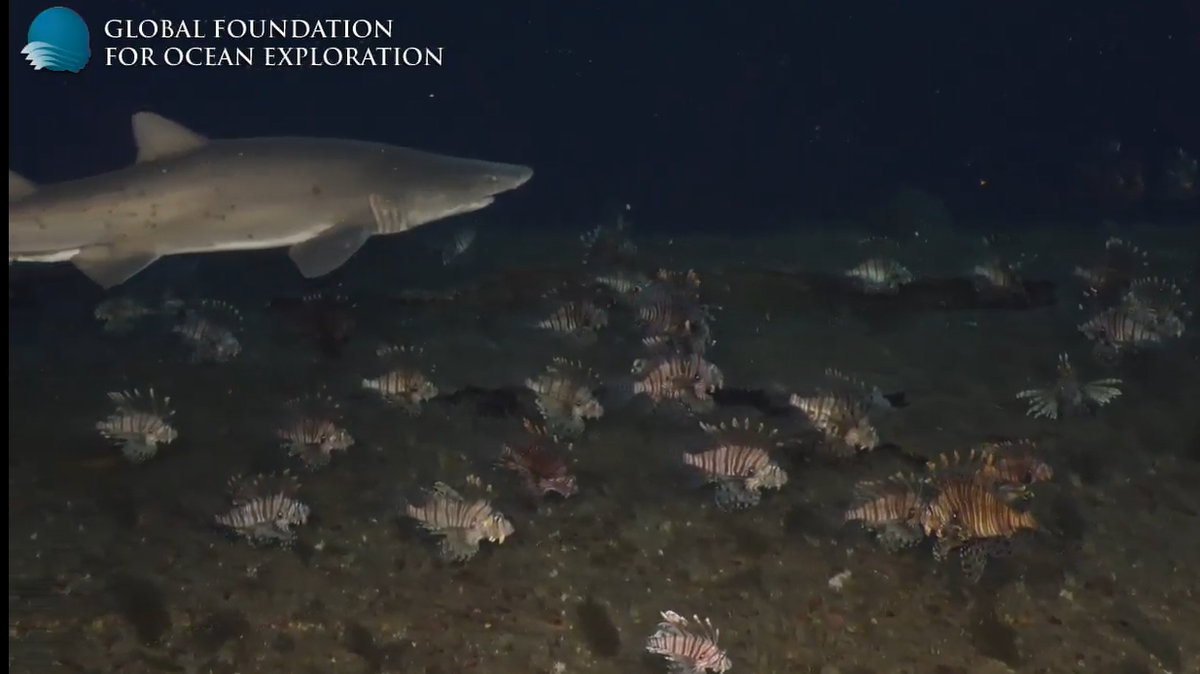
A NOAA expedition to explore shipwrecks within in the Monitor National Marine Sanctuary saw something “stunning” in the past week: clusters of invasive, venomous lionfish.
Two decades of anecdotal catches had proven lionfish had found their way from the South Pacific to North Carolina’s coast.
However, their abundance wasn’t clear until last week, when a NOAA Ocean Exploration team sent a remotely controlled camera 260 feet down to explore the World War II wreck of the E.M. Clark.
As the camera panned the 500-foot-long tanker, groups of lionfish could be seen hovering around it. In some instances, they were hiding in the wreck itself, filling its nooks and crannies.
It was estimated hundreds were on the wreck.
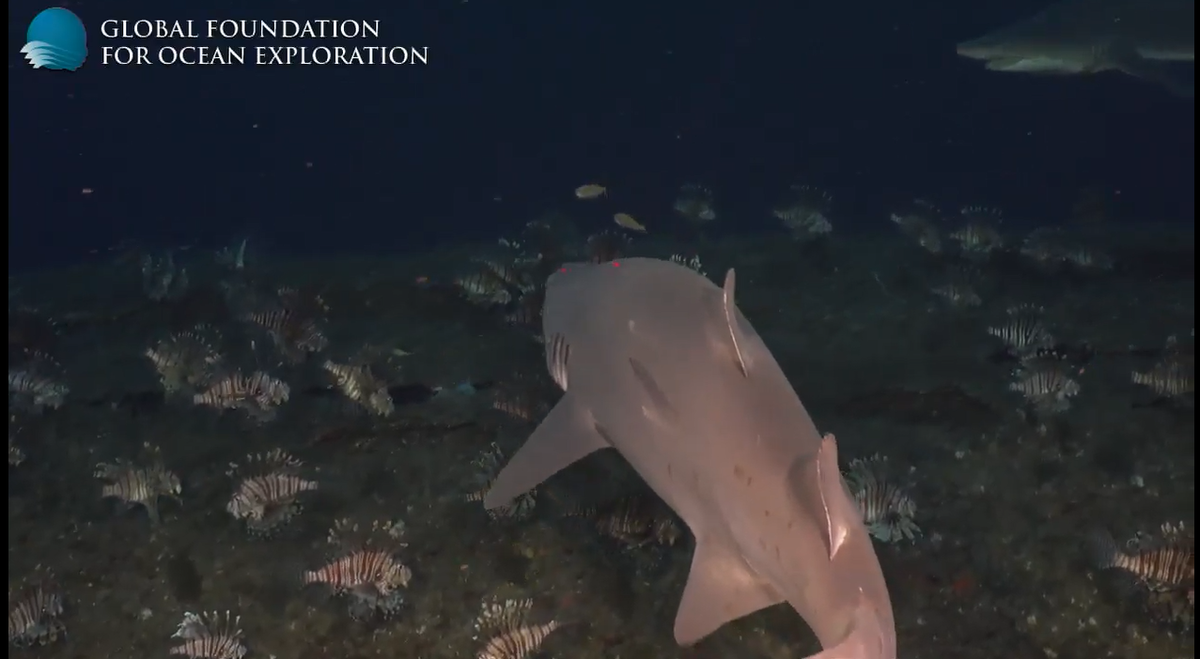
The “unsettling” numbers prompted one of the researchers to note the 80-year-old wreck was “eat up with them. They are just everywhere.”
Even more were seen when the team revisited the wreck May 24, with one researcher estimating lionfish were on “every square foot” of the wreck.
NOAA didn’t offer an explanation for the numbers, but the expedition’s mission included trying to understand more about the role historic shipwrecks “play as living reefs.”
Apparently, lionfish are among the sea creatures the wrecks attract ... along with a lot of sand tiger sharks.
“Previous observations by our team at the E.M. Clark in 2009 did not report lionfish at the site,” according to Dr. Chris Taylor, a marine ecologist for the National Centers for Coastal Ocean Science.
“Unfortunately, our limited time on the wreck during the current mission didn’t allow for more quantitative surveys to make comparisons with these past studies,” Taylor said.
He stopped short of calling the sight a discovery but conceded it was “stunning.”
Yet one thing is clear: The historic wrecks show the ocean is changing off North Carolina, according to Dr. Avery Paxton, a marine biologist for the National Centers for Coastal Ocean Science.
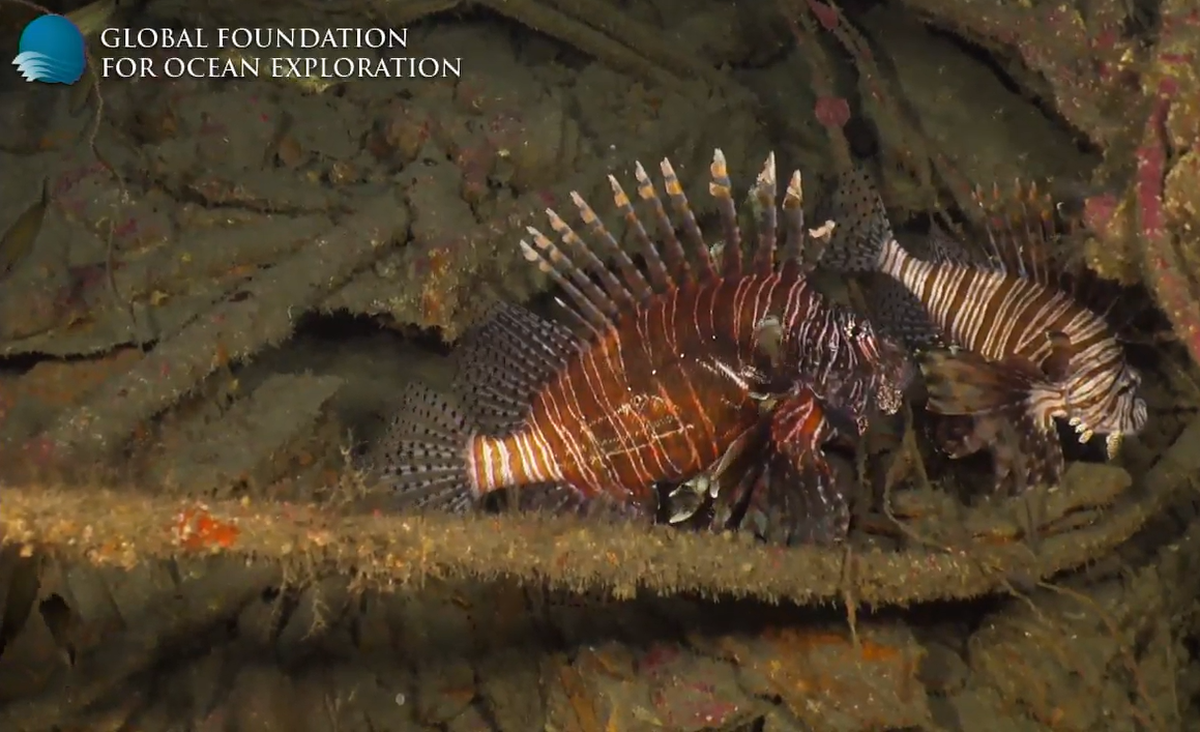
“The hundreds of shipwrecks off the coast of North Carolina form an experimental network that can be used to track changes in fish communities over time,” Paxton told McClatchy News. “In essence, these shipwrecks can act as ‘sentinel sites’ to help us understand our changing ocean environment.”
The presence of lionfish on popular wrecks is an environmental threat and a danger to humans, given the popularity of wreck diving off North Carolina, experts say.
“This fish has venomous spines and may pose a danger to divers and anglers alike,” North Carolina Environmental Quality reports.
Lionfish are a tropical fish, native to the South Pacific and Indian Oceans, NOAA Fisheries reports. It is believed the species found its way to the East Coast via aquarium owners, who illegally emptied their fish into the U.S. waters, NOAA says.
It has long been believed the lionfish “invasion” began in the 80s off Florida, but a recent U.S. Geological Survey report says DNA studies indicate lionfish “may have been introduced in the Bahamas or North Carolina.”
“Adult lionfish are primarily fish-eaters and have very few predators outside of their home range,” NOAA Fisheries says. “Researchers have discovered that a single lionfish residing on a coral reef can reduce recruitment of native reef fish by 79 percent.”
This story was originally published May 24, 2022 at 4:37 PM.