
These venomous spiders are active in NC — and they hide in homes. How to spot them
North Carolina is home to nearly 700 spider species — but a few are poisonous and can cause painful injuries if you’re not careful.
Most spiders are harmless, and it’s not uncommon to find the eight-legged creatures crawling around your home during the warmer months, entomologists say.
Venomous black widow and brown recluse spiders are also known to hide out in garages, sheds, under beds and other dark areas of the house, so it’s best to keep a keen eye out.
Here’s what you should know about the creepy crawlers:
Black widows
The black widow is the most common venomous spider in the Tar Heel State, according to the North Carolina State University Extension.
Its shiny, bulbous black body and tell-tale red “hourglass” marking are easy to spot, if you dare to get close enough. Not all black widows bear the scarlet marking, however, and not all of them are black.
In fact, young black widows can be tan or gray with orange and white stripes on their bodies, according to entomologists with the NC State Extension.
The spiders are active across the state but are more prevalent in the Piedmont and Mountain regions, pest experts with Terminix Triad said on the company’s website. Two subspecies — the North Black Widow Spider and the South Black Widow Spider — also call North Carolina home.
Luckily, black widows avoid humans and tend to hide under rocks, stairs, thick grass and other dark spaces, according to Orkin.
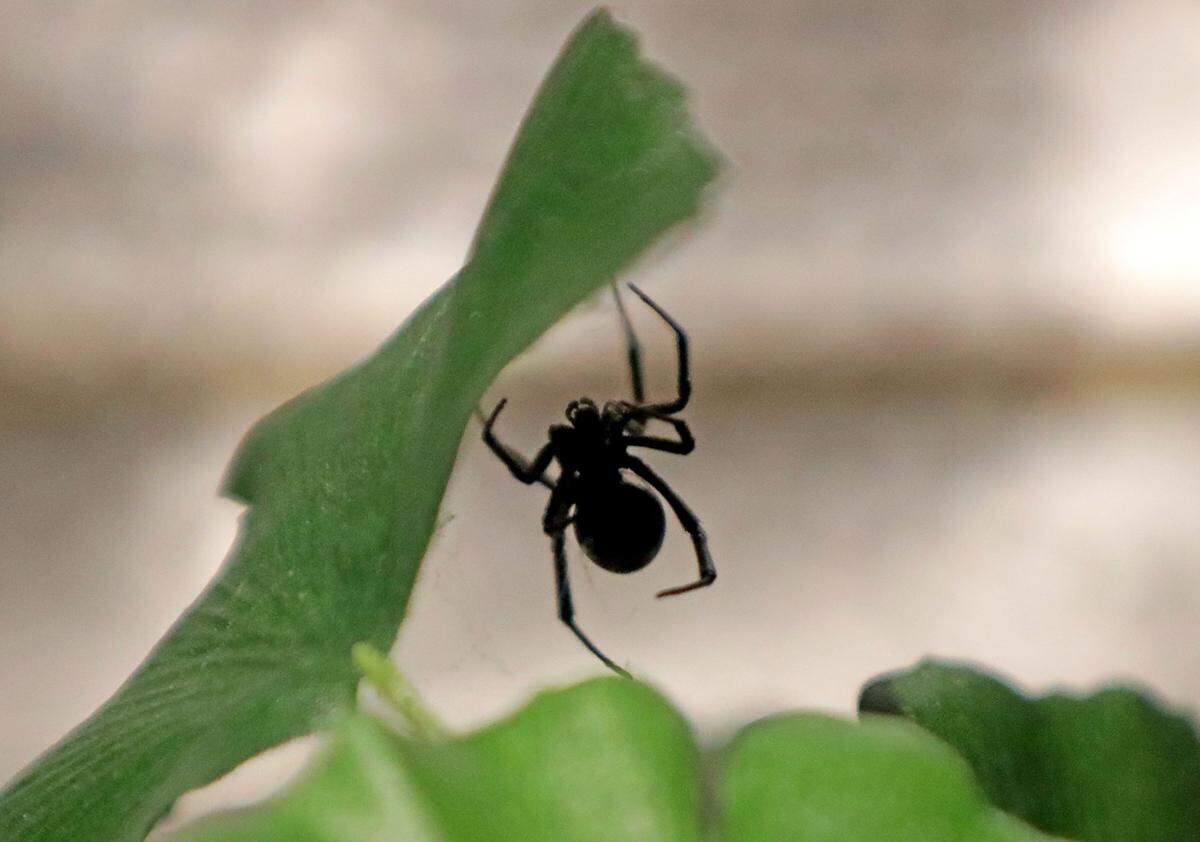
What it does: The web-spinners are sometimes perched up high and store their egg sacs there to keep them out of harm’s way, Terminix Triad said. A black widow will “aggressively defend” itself when it feels threatened — so watch your fingers before reaching into places you can’t quite see.
The bites are painful and can prove deadly, though it’s rare.
“Black widow spider venom affects the nervous system,” according to the NC State Extension. “Because the bite itself is relatively mild, some people may not even realize immediately that they were bitten.”
Symptoms of a black widow spider bite include:
- Pain in the lymph nodes
- Nausea
- Elevated blood pressure
- Tremors
- Sweating
- Increased white blood cell count
Allergic individuals can have a more serious reaction and may require medical attention.
How to avoid them: While black widows are largely antisocial, run-ins with the venomous arachnids are still possible.
To keep them away, you should regularly remove spider webs in and around entry points, keep garages and other storage areas free from clutter, use spider repellent, treat wood piles with lime and wash exteriors with a soapy mixture, according to Terminix Triad.
Brown recluse spider
Brown recluses are less common in North Carolina and, like stowaways, crawl into trucks and packages to get across state lines, Orkin said on its website.
Known for the “dark, violin-shaped” marking on their thorax, the spiders are typically light brown to yellowish-brown in color and are native to the South and Midwest regions of the U.S., according to the pest control company.
Brown recluses are often confused with the non-venomous wolf spider due to their color.
“To positively identify a spider as a recluse, both the eyes and fiddle marking must be seen, since other spiders may possess one or the other characteristic alone,” entomologists said.
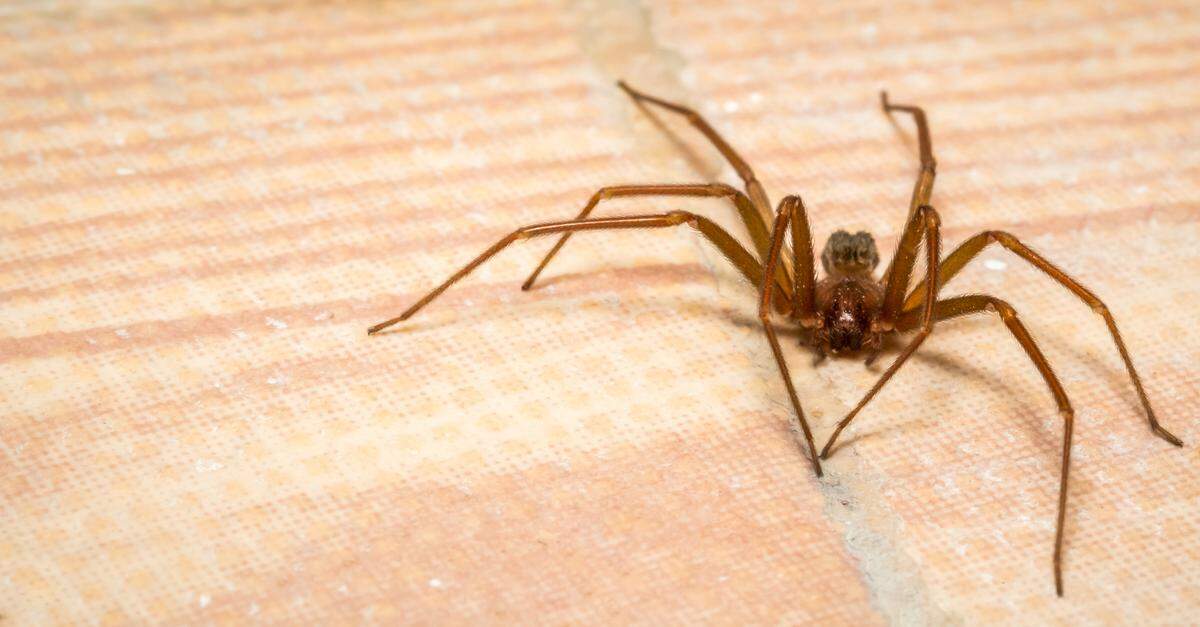
What it does: As the name suggests, brown recluses tend to keep to themselves but may come into contact with humans when they seek shelter indoors, according to NC State.
“In these homes, buildings, barns or other structures they may reproduce and persist for many years, building up a good number of spiders,” entomologists said.
Still, experts say this is rare to see, adding that most North Carolinians are “likely to never encounter a recluse spider” in their lifetime.
The eight-legged creatures are timid and like to hide in cool, dark places — “particularly in storage boxes that are rarely disturbed,” according to Terminix Triad. Bites are rare, but they happen if the spider is threatened or provoked.
A bite from a brown recluse isn’t serious in most cases, though more severe symptoms are possible if the spider injected a large dose of venom, WebMD says. Its venom can cause “large, festering wounds” that can cause damage to the surrounding tissue if left untreated.
Other symptoms include:
- Fever
- Chills
- Nausea
- Cramps
- Weakness
- Seizure or coma
How to avoid them: Like with most creepy crawlers, experts suggest cleaning often around doors and windows, decluttering your space, using repellent and checking clothing, shoes and blankets that are stored in areas where spiders might hide.
This story was originally published July 23, 2024 at 9:14 AM.