This type of NC cockroach lives in groups inside homes. How to know if you have them
During spring and summer, North Carolina’s warm, humid climate provides many opportunities for insects to thrive outdoors.
That means anyone with a fear of insects — those who want to stay out of their way and those who think they’re gross — can avoid bugs by staying inside, right?
Not quite.
Chris Hayes, a postdoctoral scholar at N.C. State University who specializes educating the pest management industry on critter habits, told The Charlotte Observer a certain type of insect can create unique problems for homeowners: the German cockroach.
Here’s what to know about them.
Where are German cockroaches found in NC?
Unlike other insects, the German cockroach is an “obligatorily indoor pest.”
“What that means is, if you took a German cockroach and you stuck it outside on a tree away from the ability to get inside someone’s home or a built structure, it’s going to die,” Hayes said. “They have evolved over thousands and thousands of years to live really intimately with people.”
German cockroaches can also be found in industrial zones or farming areas, but Hayes emphasized that they have to be inside of built structures to survive.
What do German cockroaches look like?
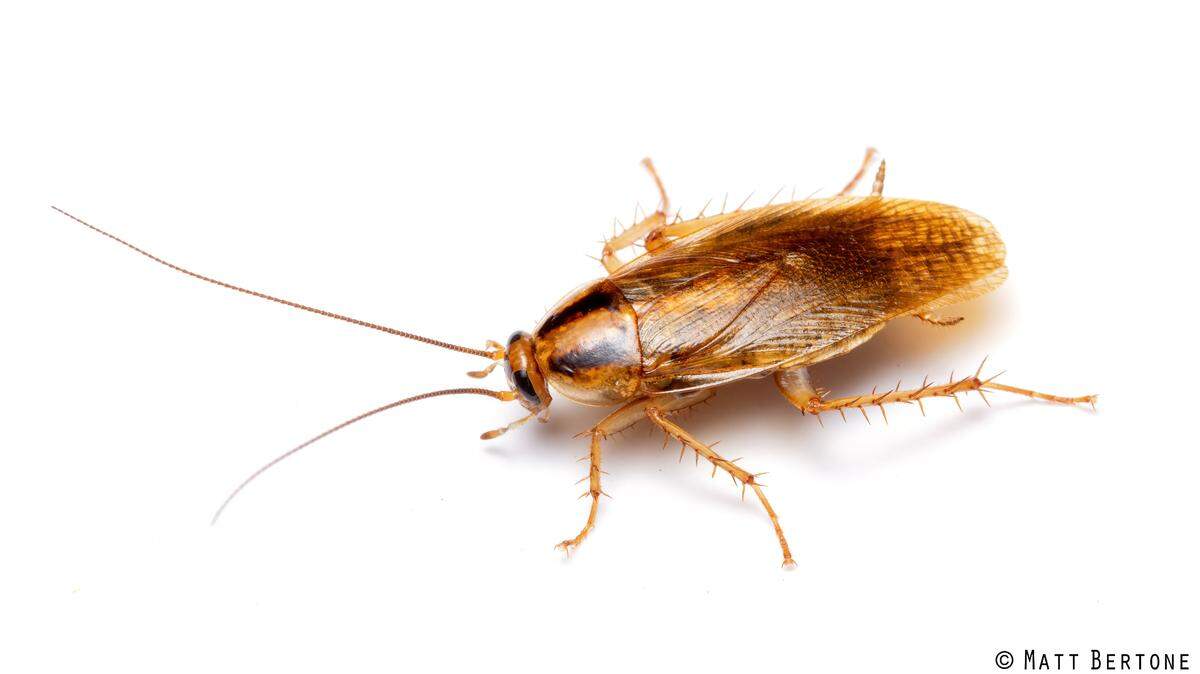
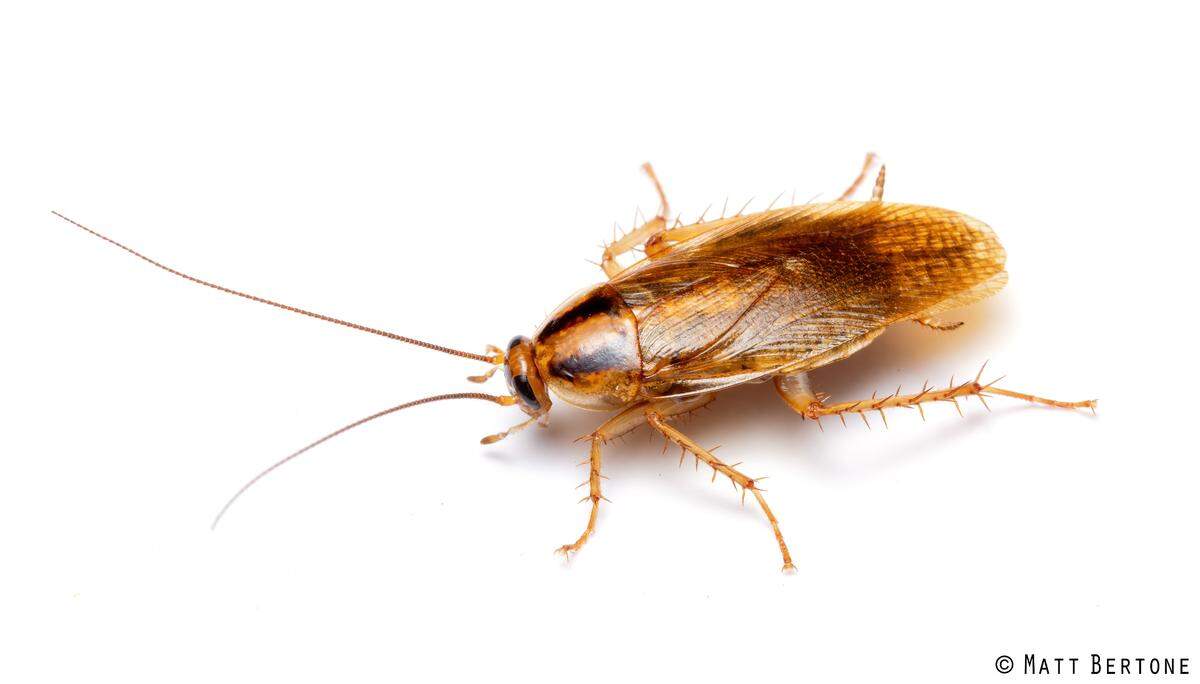
Adult German cockroaches tend to be roughly three quarters of an inch long, and light tan in color — but what sets them apart from other species is their markings, Hayes said.
“They have these two dark black or dark brown stripes on the back of their head that run parallel with the cockroaches body,” said Hayes.
“We call them their racing stripes. They look drastically different from any of the other common pest cockroaches you would see in North Carolina, or inside your house for that matter.”
How do German cockroaches get into homes?
German cockroaches find their way inside homes through a process called “hitchhiking,” Hayes said.
“If you’re in a standalone home, and you haven’t had German cockroaches before, and suddenly you find them, they likely came in on something that was brought into your home. It could be that it was an item you purchased from a thrift store. It could be that it was a box used to carry groceries home.”
German cockroaches can easily move within apartment buildings, Hayes said, meaning an infestation could travel to your apartment if they’re inside your neighbor’s unit.
How to tell if German cockroaches are in your home
You may not see a German cockroach in your home, there could be signs – like poop, Hayes said.
“If you take a flashlight and you look under your sink, or if you look under the drawers of your counters, you look in these tight crevices where they like to hide,” Hayes said. “You might see all of these tiny, black and brown speckles in that area. That’s cockroach poop.”
Thought it’s less common, any signs of small bite marks on food or plastic left out could indicate a cockroach infestation, Hayes said.
Why are German cockroaches dangerous?
German cockroaches are a major source of allergens inside the home, Hayes said. These allergens can come from their saliva, shed exoskeletons and feces.
Hayes explained that German cockroaches live in “aggregations,” or little groups that hide in the same place where allergens can build.
“What we’re finding is that really high levels of those allergens in one area of the home can wind up in other parts of the home, even if there are not German cockroaches in those other places right now,” Hayes said.
“So that could be because of the air in your home moving around. It could be because you moved some furniture or moved a drawer or something and stirred it up, producing these heavy allergens.”
What are the symptoms of these allergens?
Cockroach allergy symptoms, according to the Asthma and Allergy Foundation of America, include:
Sneezing
Runny nose
Itchy, red or watery eyes
Stuffy nose
Itchy nose, mouth or throat
Postnasal drip (a flow of mucus from behind your nose into your throat)
Cough
Itchy skin or skin rash
Studies have shown that children who grow up in lower income housing where cockroach infestations can be prevalent have a higher risk of developing asthma, Hayes said, but that doesn’t mean affluent communities are exempt from risk.
“A lot of these studies have focused on inner city communities that are lower income, but German cockroaches are everywhere, and they can be in anyone’s house at any time,” he said.
“Having a German cockroach infestation says nothing directly about your status, your income level, your racial or ethnic identity, or your cleanliness. It doesn’t say anything about any of those things, because they are just evolved to live and benefit from living with people.”
How to get rid of German cockroaches in your home
Aside from contacting a licensed pest management professional, Hayes said baiting is an effective way to control the German cockroach population in your home.
Bait is most effective when there aren’t any other food sources around, according to the NC State Extension, meaning dirty dishes and trash should be cleaned to prevent infestations. Cleaning spills quickly and identifying any other water sources, such as leaky pipes, can also be useful.
“We’ve seen some evidence that baiting actually will work even if there’s other food sources, because some of these baits that these companies make are so effective,” Hayes said. “However, the baits that professionals have access to are much more effective.”
Glue traps, or “cardboard rectangles that essentially have super glue on them,” can be very useful if placed under a kitchen sink or beside a fridge, Hayes said, noting that they should be kept of of reach of children and pets.
“When you put these things out, make sure they’re up against the edge of the wall, so that if the cockroach is moving around and runs through, it will get stuck on that glue board,” Hayes said.
This story was originally published August 20, 2024 at 9:37 AM with the headline "This type of NC cockroach lives in groups inside homes. How to know if you have them."