‘A milestone’: After so many weeks without, Asheville has its drinking water back
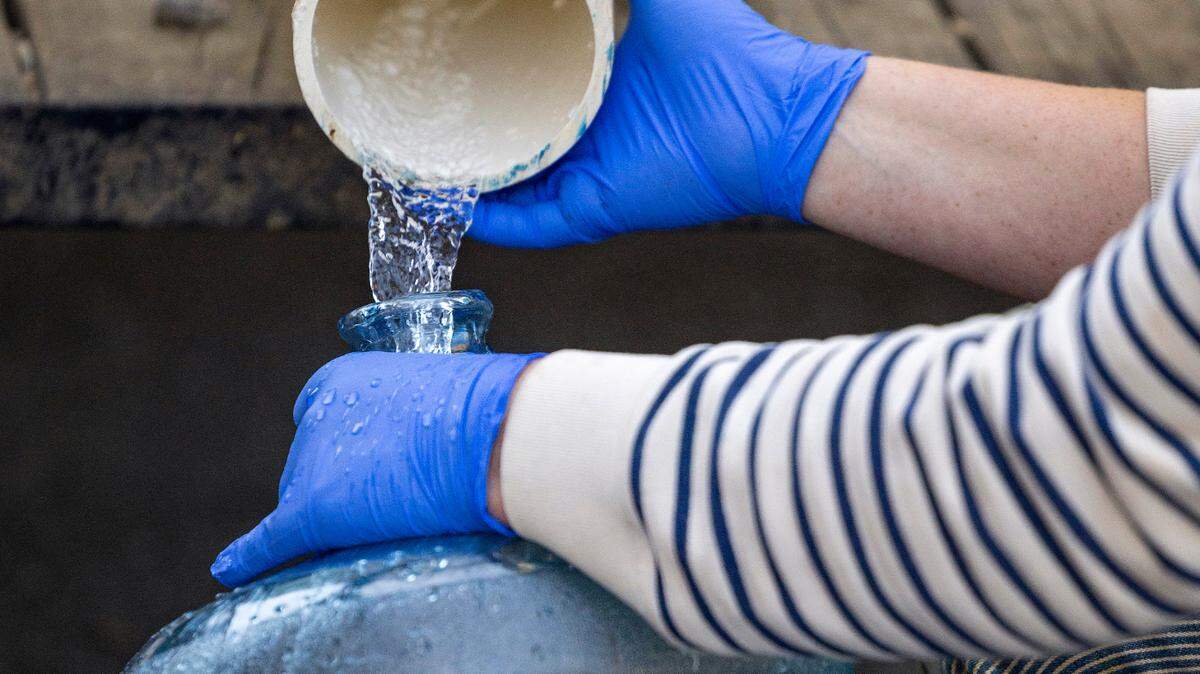
After nearly two months without clean drinking water, Asheville residents can now resume drinking from their taps.
The City of Asheville has lifted its boil-water notice after tests performed over the weekend came back clear of E. coli.
The city began a flushing process on Oct. 30, effectively turning the system over and replacing raw water with treated water, Clay Chandler, spokesperson for the city’s Water Resources Department, said at a news conference.
“We are especially thankful to our customers for their patience,” Chandler said. “We understand that an initial disruption in water service, followed by not having potable water out of the tap, was just disruptive and frustrating.”
People in Asheville, including those running its well-known breweries, have been waiting on good news about the city’s water supply. Many have struggled staying afloat since Helene devastated the area.
Bryna Frosaker, owner of Hi-Wire Brewing in Asheville, said since Helene hit, she has paid around $1,000 for a tanker of water every two or three days in order to continue brewing.
It will take a long time to completely rebuild and move on from the damage caused by Helene, Frosaker said, but lifting the boil-water requirement is a move in the right direction.
“This is a big step to at least getting back to normal functioning,” she said.
Treatment efforts, slow flushing worked
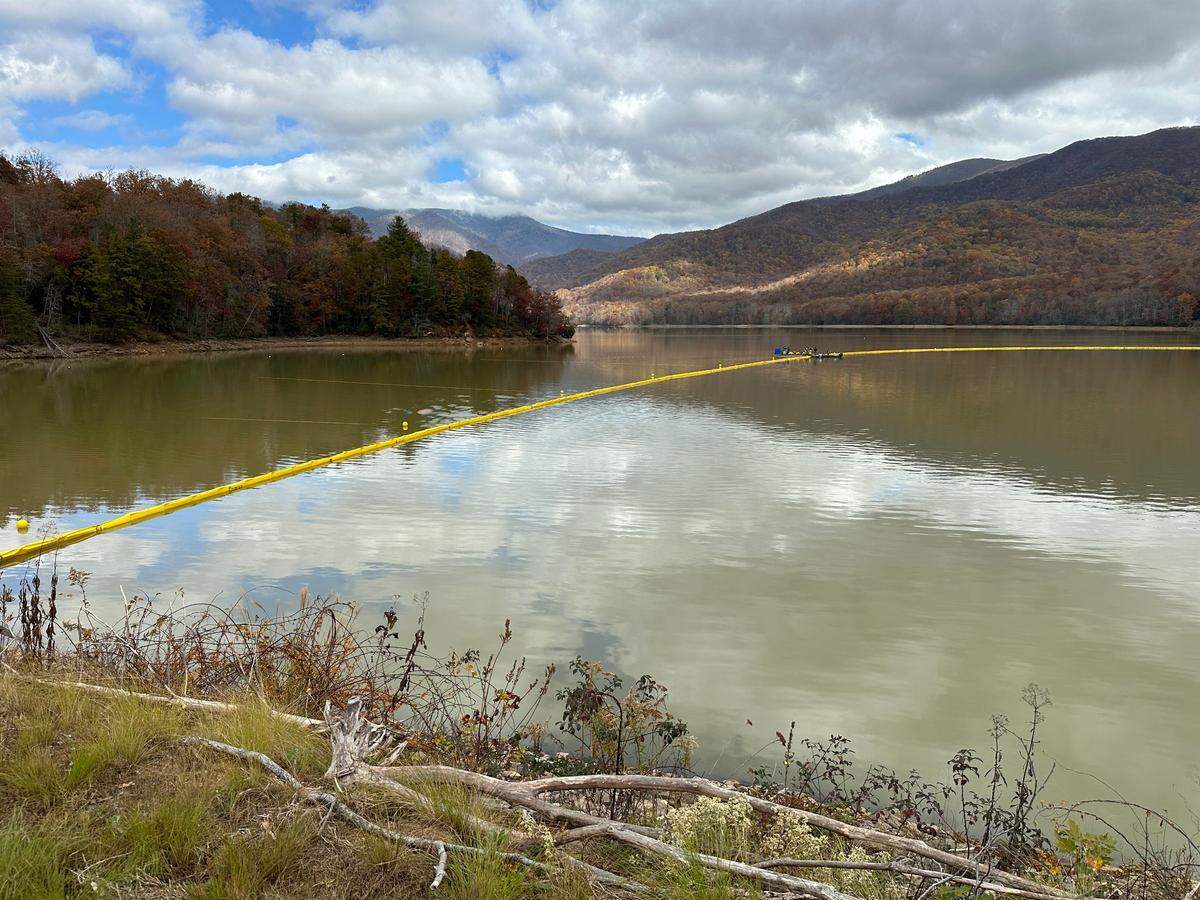
Tap water for 80% of Asheville residents comes from North Fork Reservoir, a body of water that was stirred up by the remnants of Helene in Western North Carolina and remained too murky to drink for months.
The city attempted treating the water chemically with aluminum sulfate in October, The Charlotte Observer previously reported, but it didn’t work to remove sediment. The city then decided to install a multi-layered filtration curtain in the reservoir, hoping it would create a smaller pocket of water that could be more easily treated.
The curtains helped the city flush the water in the reservoir by creating a confined treatment area and slowing water outside the curtains from reaching the intake of treated water, Chandler said. This, combined with the decision to flush water gradually rather than all at once, allowed the boil water notice to be lifted sooner than expected, he said.
With the boil-water notice lifted, residents are no longer advised to use bottled water for consumption, but should avoid bathtubs and watering landscaping, Chandler said.
Locals proceed with caution
Frosaker, the Hi-Wire Brewing owner, said that in order to feel comfortable brewing with Asheville tap water, she has ordered tests to make sure the water is lead free. The brewery has put in a request with the city to perform the test, but will likely send samples to a lab instead to speed up the process. The brewery will also determine if it needs to remove any excess minerals from the water to ensure quality taste, Frosaker said.
“There’s still a lot of unknowns. We’re so glad to have the water-boil advisory lifted. That’s great news. We’re just not really sure how long it’ll be before we can start brewing again,” she said. “Because we want to know more than lead at this point. We want to understand what minerals are in the water now as compared to before.”
Frosaker isn’t the only Asheville resident concerned about lead in the water.
Earlier this month, seven Asheville schools detected lead in the water, a fact Chandler told The Asheville Citizen Times was due to water sitting in old pipes within the buildings, not because there was lead in the water distribution structure.
Asheville has had a lead-awareness program for over three years, Chandler said at Monday’s press conference. Typically the program receives around five requests for testing kits in a month. In the last week or so, it’s received 2,000 requests and staff collected 100 samples on Saturday, a change Chandler said will provide great data for the city.
Chandler advised residents with plumbing installed before 1988 to flush their cold water taps for 30 seconds to two minutes until they feel a temperature change before drinking the water. The recommendation is the same as before Helene hit.
Anyone interested in lead testing can request a free kit from the city’s website.
It will take a long time to completely rebuild and move on from the damage caused by Helene, Frosaker said, but this “is a milestone.”
”It’s going to take time for our business to really feel like we’ve gotten back to some sort of normalcy,” Frosaker said. “And then the recovery overall is going to be months, years.”
This story was originally published November 19, 2024 at 4:03 PM with the headline "‘A milestone’: After so many weeks without, Asheville has its drinking water back."