
Flooded but rebuilding: French Broad River businesses claw back from Helene’s floods
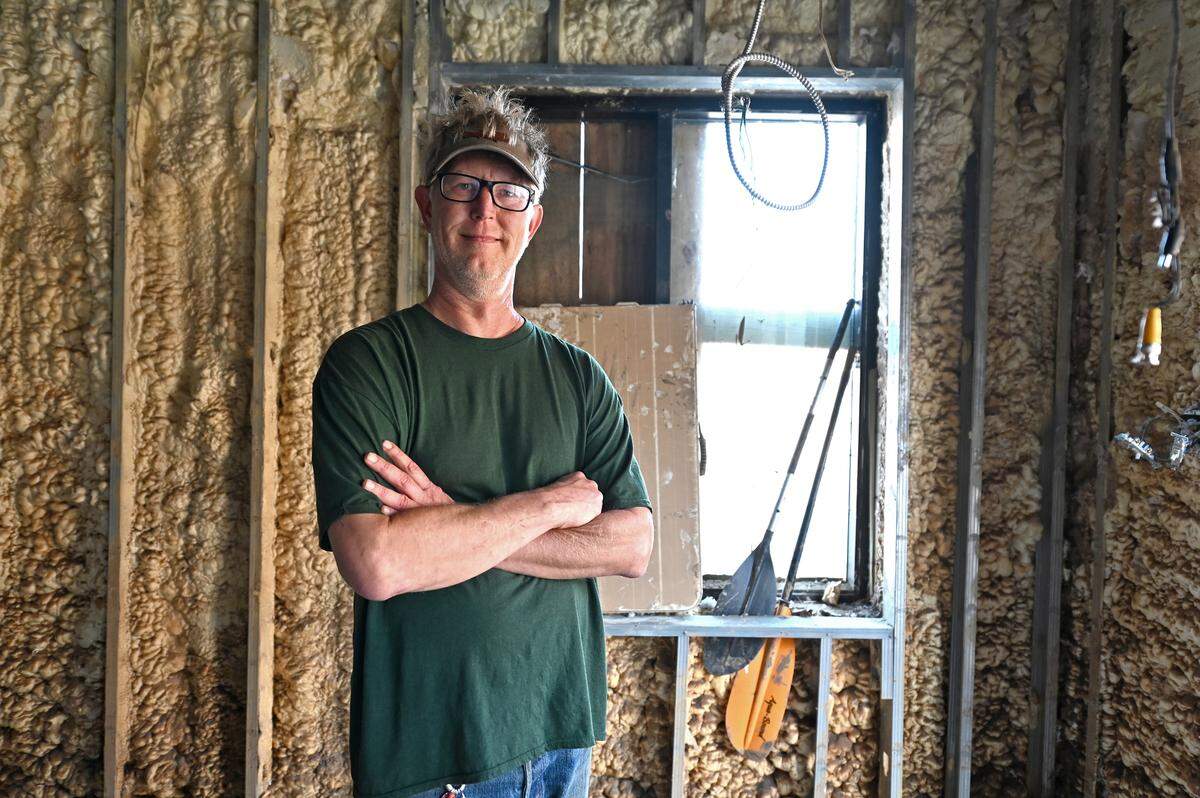
Inside French Broad Outfitters, walls are stripped bare, exposing yellowing insulation. Wooden pillars extend to the ceiling, framing rooms soon to come. Dust coats tools and ladders scattered throughout the empty space.
It looks like a business starting from scratch. But for owner Derek Turno, this is starting over.
The first step is to repair damage caused by the river that his livelihood depends upon. The outfitter, whose building sits just steps away from the banks of the French Broad River in Asheville, was overcome by Helene’s floodwaters in September.
Very badly damaged businesses reliant on the French Broad River are desperate to get back on the water, but last fall’s floods brought challenges no one expected. While some have made repairs, others are still grappling with Helene’s toll.
With friends and tips from YouTube videos, Turno has worked for four months to rid all signs of the damage from his building. And the work is not done.
With the demand and cost for professional help so high, he and his Asheville business partner are doing most of the renovations themselves.
“It’s a big elephant,” he said. “We just plug away one day at a time”
An invaluable river worth billions
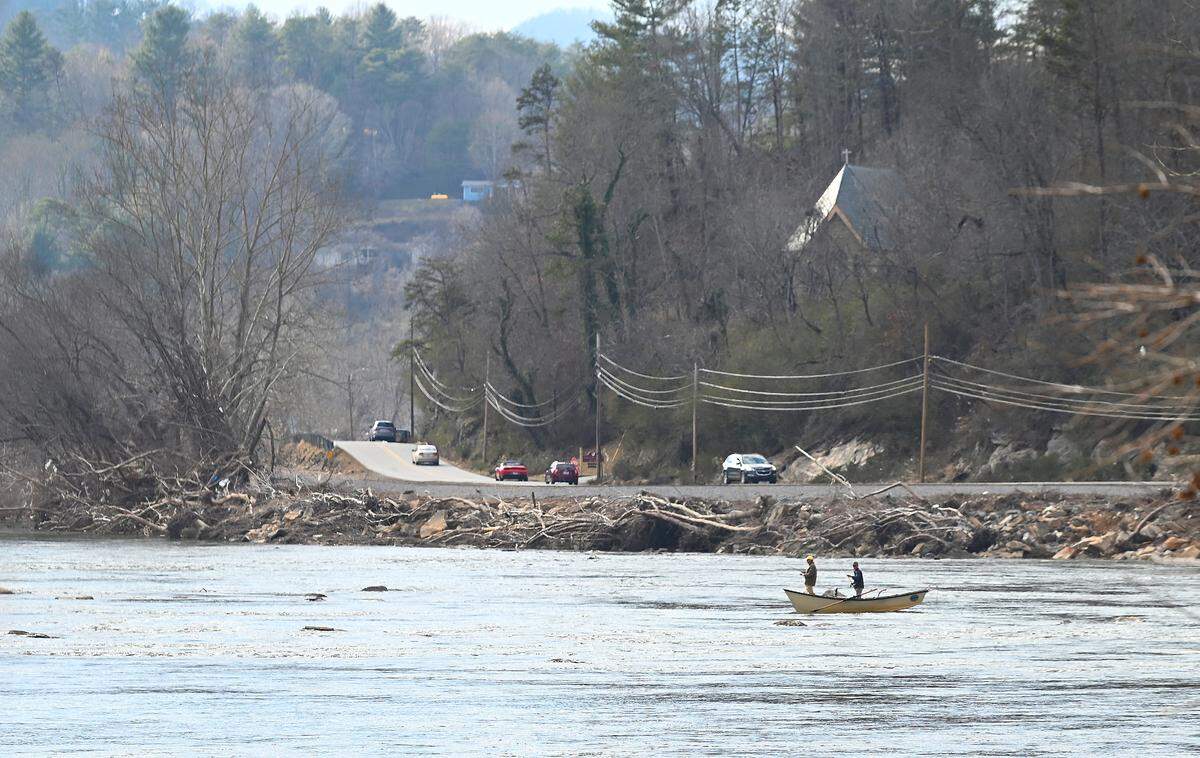
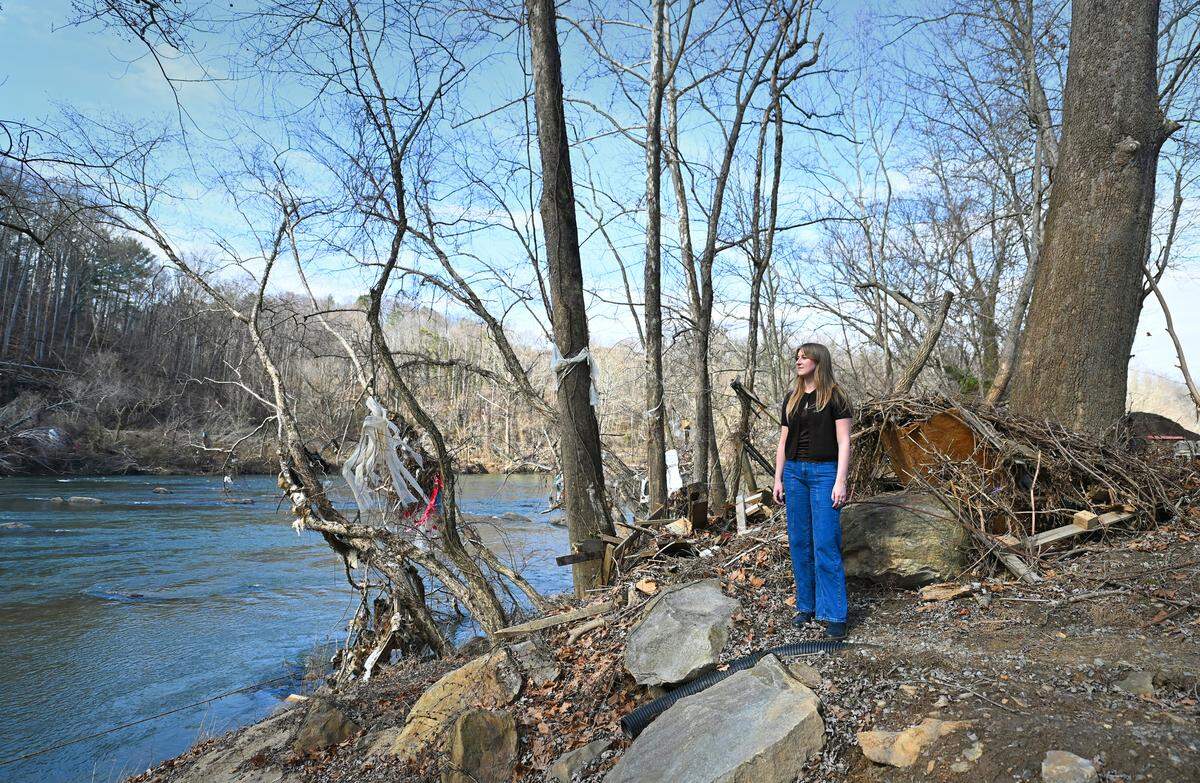
The north-flowing French Broad glistened like diamonds under the sun the first week of February. That beauty was a stark contrast to what Helene’s flooding left behind: piles of fragmented tree branches, ripped plastic bags and pieces of wood on its banks and visible in the water.
The ancient river is much more than a natural gem. It’s a commodity that is worth billions – some say $3.8 billion to be exact.
Some 6.9 million people visit the French Broad’s eight-county watershed every year to enjoy various outdoor activities, a 2021 study by the French Broad River Partnership found.
Their spending helps support more than 38,000 jobs throughout the French Broad River basin. Restaurants, hotels and motels benefit the most from the river’s lure. So do businesses that get people on or near the river.
“We have an economical, recreational and environmental treasure,” said Lisa Raleigh, executive director of Riverlink, a river conservation group.
But a recent trip down Asheville’s Riverside Drive bluntly showed that businesses that once benefited being close to the river are still crippled months after the flood.
Empty storage trailers, cars and buses sit scattered across some parking lots that resemble junkyards. Excavators sit by the road positioned to remove piles of trash. The mountain of wood at the Riverside Stump Dump is the highest ever seen at the community mulch supplier, workers at neighboring businesses say.
What is the future for riverside businesses still out of commission? That’s not yet certain, said Jay Hawthorne, a French Broad River Partnership steering committee member.
Some, like Turno, are working to bring their businesses back. Others who don’t have the funds may choose not to go on, Hawthorne said.
“How soon will it return?” he asked. “That’s a $3.8 billion a year question,” he said.
Building back
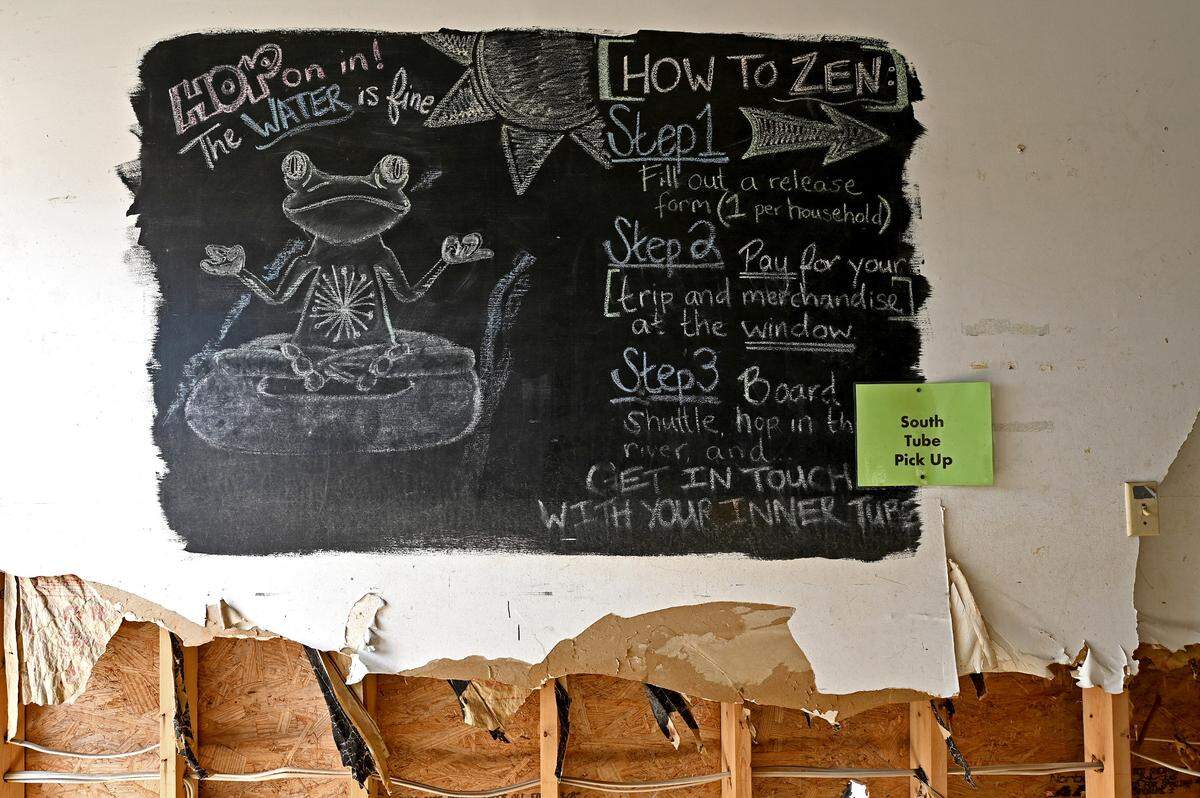
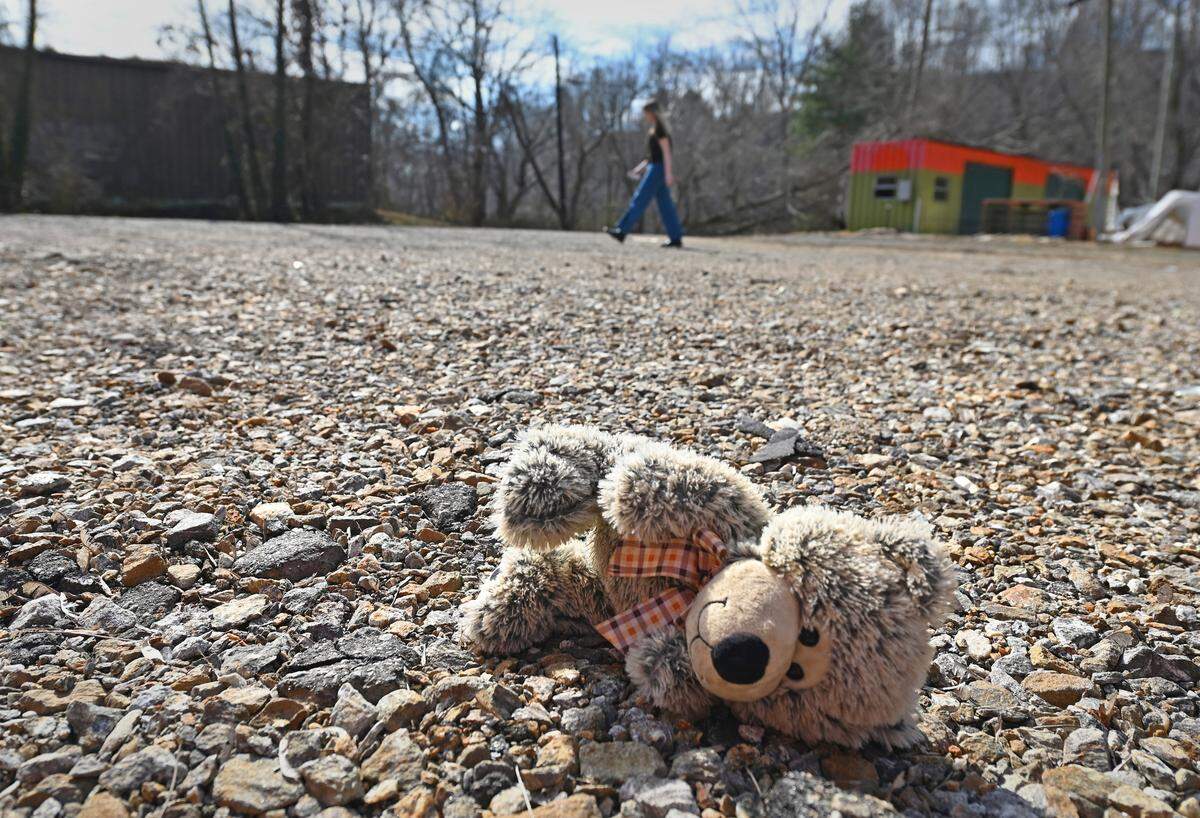
Two black chalkboards covered in faded neon chalk are the only signs of normalcy at Zen Tubing’s headquarters near the River Arts District, the once-thriving flood washed away some buildings and ravaged others.
Owner Aubrey Anderson took over the business in 2023 after her brother, Heath, died from complications from a heart transplant. Heath created Zen in 2012 to bring awareness about the need to keep the French Broad clean, his sister said.
Anderson wanted to keep her brother’s legacy alive, she said.
Zen Tubing offers guests two hours to float up the river with family or friends with no distractions. Their 40,000 annual customers have the option to start their trip in the heart of Asheville, the River Arts District, or a more scenic ride in their quiet South Asheville location.
Normally their season begins in May and wraps up Labor Day weekend. But the space that once was a starting point for an afternoon of family fun now sits hollow.
The floor of the check-in station was caked with dry, cracked gray mud and crinkled leaves early this month. Neon blue, pink and yellow wristbands normally handed out to tubers of legal drinking age peaked out slightly from behind dead leaves and dirt.
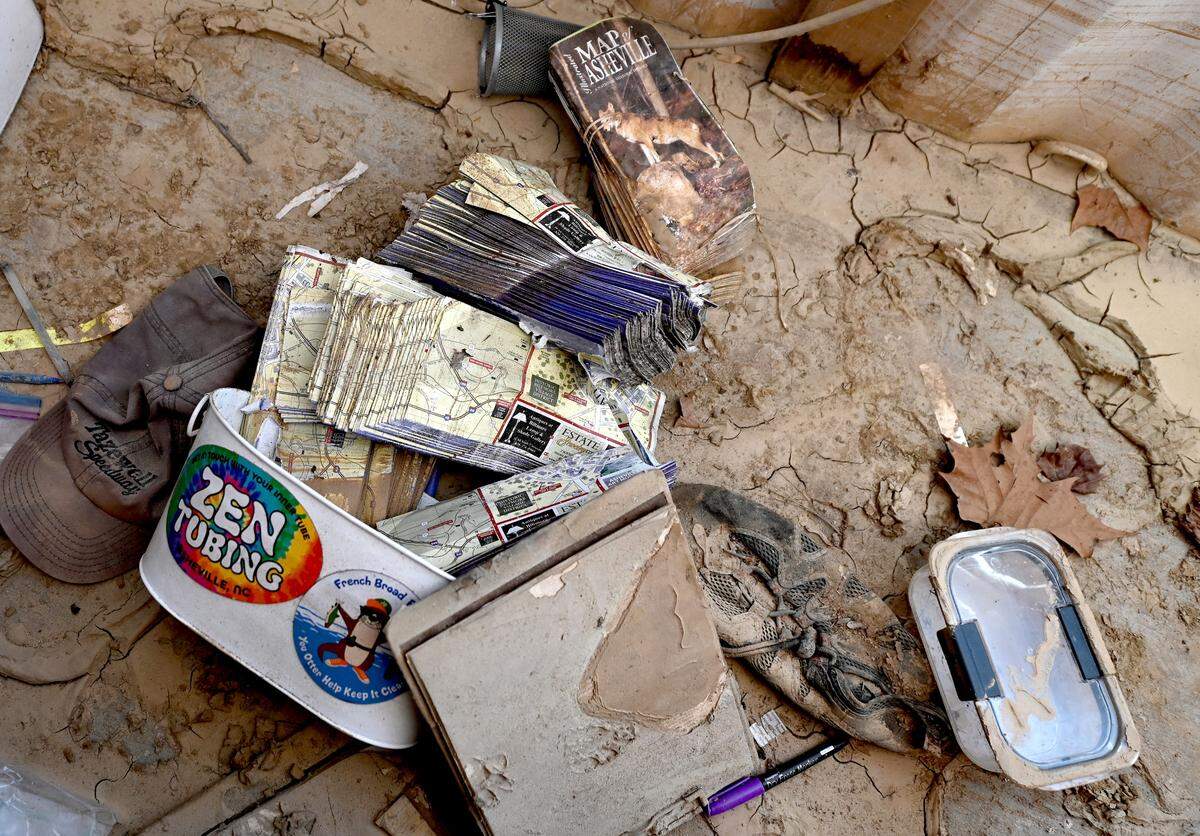
Gravel that once filled the parking lot was washed away, leaving earthy orange clay. A massive hole in the bottom of the river-facing wall in their main building let wind flow inside.
Making repairs, it turns out, isn’t the only challenge her business faces.
New post-Helene requirements from the county require that the cargo beds used for their storage and check-in be mobile and moved off site 6 months of the year, Anderson said. It also requires floodplain development permits to be submitted annually. And, storm damage requires electricity at the site to be fully restored, she said.
Repairs, replacing equipment and bringing the building to required standards will cost about $500,000 at both locations, Anderson said.
Anderson said she’s received a $15,000 grant and a $100,000 small business loan to help with repairs. But it’s only a small dent in the total repair cost.
“It’s a financial burden on a small business,” she said. “We’re paying money out of pocket to do all of this stuff.”
With plans to open only one location this summer, Anderson initially expected to lose about 20,000 visitors and $750,000 — about half their annual revenue. But she hopes promoting and offering discounts for weekday visits will help offset costs incurred by the closure of their popular River Arts location.
To be open, even partially, is an opportunity to have people enjoy what her family loves about the French Broad.
“It just grounds us back to who we are and connects us to the people around us in a way that is very difficult to do in this world now,” she said. “Now, we have our phones and our computers and everything’s coming at you. When you’re on the river, you don’t have any of that.”
‘It’s a way of life’
Turno was always drawn to the outdoors. So much that he earned a degree in outdoor education from Warren Wilson College in Swannanoa.
Opening French Broad Outfitters 13 years ago was a dream come true, he said. He started with just 10 kayaks and one short school bus to transport guests to scenic locations to kayak in Asheville.
Just before the storm, his kayak inventory had grown tenfold and the vehicle fleet was upgraded to a full-size school bus and a couple of 15-passenger vans.
The flooding not washed away Turno’s livelihood but also the jobs of the 35 employees he had to lay off.
Earlier this month, a beige visor with his company’s name stitched in the side protected Turno’s eyes from the sunset as he peered over what used to be an access point to the French Broad River.
So much must get done to have his business running again by April.
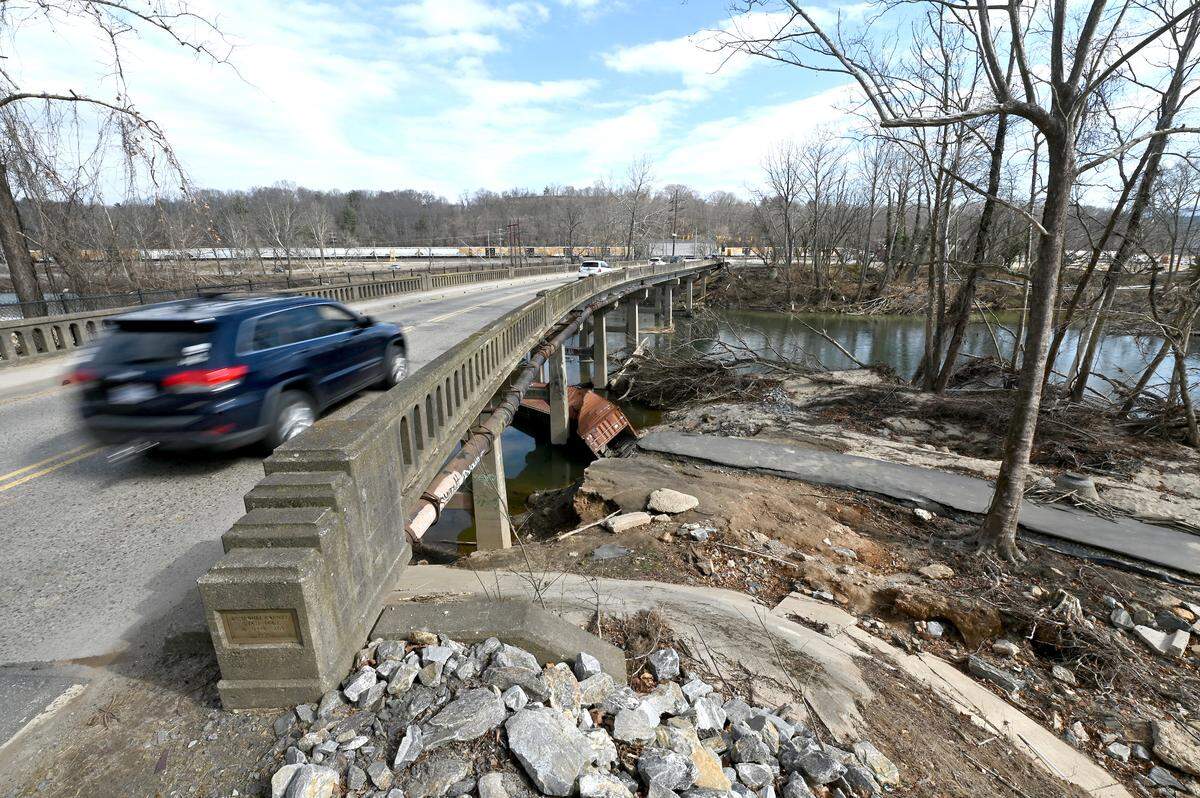
This includes someone finding a way to dislodge a massive crinkled shipping container from the pillar of a bridge that sits in the kayaking path. He’s still figuring out how to clear the thick mulch and tree limbs that cover a staircase and the banks leading to the water.
And once the building is back in shape, the 100 kayaks stuffed into Tunro’s bedrooms at home must be brought back.
But there’s opportunity too Turno made clear while studying the building like a blank slate. He could move the bar to a different corner or rearrange their check-in counter, he pondered out loud.
“It’s a chance to remodel, re-energize and recreate what we are,” he said.
This story was originally published February 19, 2025 at 5:30 AM with the headline "Flooded but rebuilding: French Broad River businesses claw back from Helene’s floods."