
‘I really want to go home’: Months after Helene hit, NC families struggle with housing
A single mother of two in Black Mountain is relieved FEMA paid for her family’s hotel stay for months after Helene struck Western North Carolina. But no longer eligible for that aid, she must move a third time since the storm.
Eight miles to the west, a family whose home was destroyed by Helene’s flooding hasn’t been able to get a FEMA trailer — or more than $2,900 in rental assistance.
In Black Mountain, a retiree whose home was damaged by Helene is grateful for the temporary trailer and financial help that FEMA has provided her. But she’s eager to go home.
One woman staying with her husband and teenage son in two trailers in Black Mountain is exhausted and overwhelmed by trying to live normally in the yard of their uninhabitable home.
Helene caught North Carolina mountain communities off guard last fall, unleashing historic floods, powerful mudslides and destructive winds that transformed picturesque landscapes into scenes of ruin.
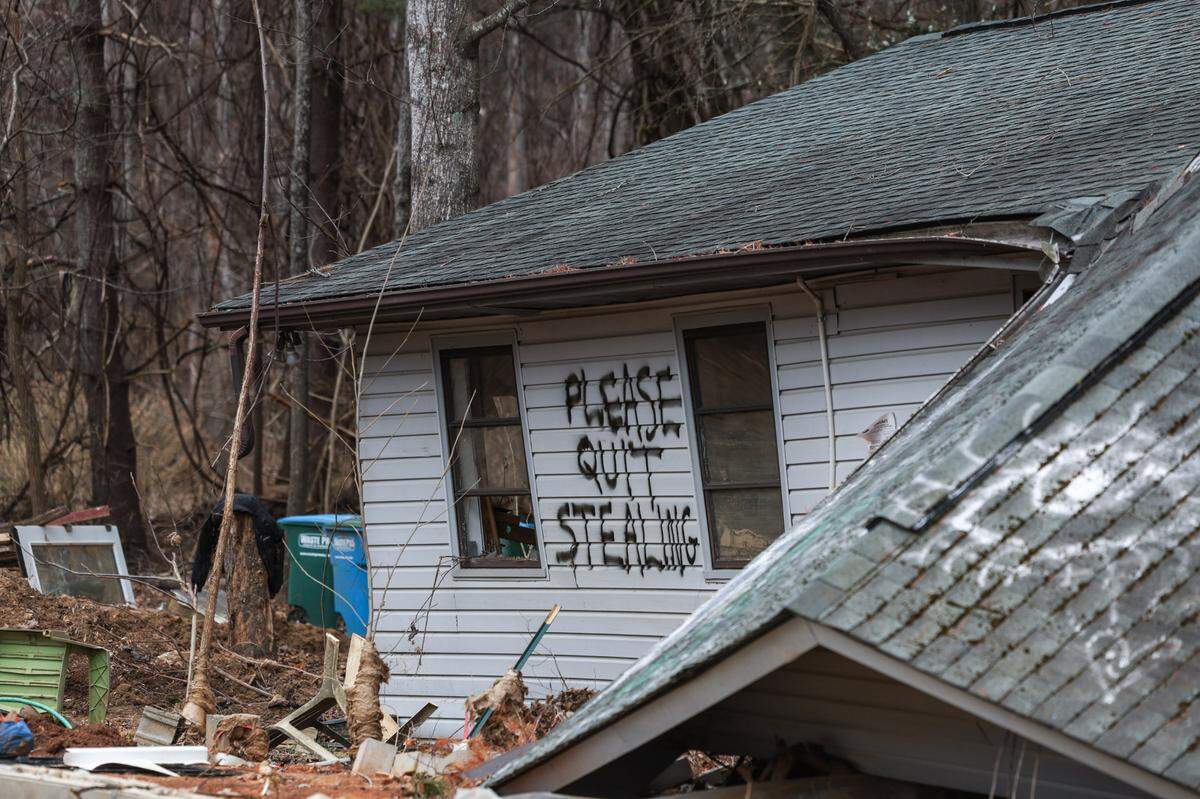
Anyone who has seen it understands that it will take years to recover from the late September thrashing. The beating damaged more than 73,000 homes in North Carolina, including 8,800 confirmed to be either badly harmed or destroyed, according to a state action plan. The housing repair bill could reach $12.7 billion, that plan says.
FEMA has been a lifeline for many people unable to go home, covering hotel bills for more than 13,300 displaced North Carolina families and helping to pay to repair or replace more than 21,000 homes. Some, however, say they were let down by the agency they counted on most for help.
North Carolina is expected to receive some $1.4 billion in federal block grant as as last-resort aid disaster repairs. Most is targeted to fix or replace damaged housing, including rentals.
The experiences of four people below are glimpses into ordeals that many in Western North Carolina face now, nearly six months after the storm.
Move after move, family searching for stable housing
Since Helene ripped through her temporary home, Kari Kelly, her two daughters and their pitbull Lagertha have had to move three times while searching for stability in the wake of the storm’s devastation.
Their longest stay, from December to this month, was in a Black Mountain hotel, with the cost covered by FEMA and the nonprofit Resilience Force after they were deemed no longer eligible for federal vouchers.
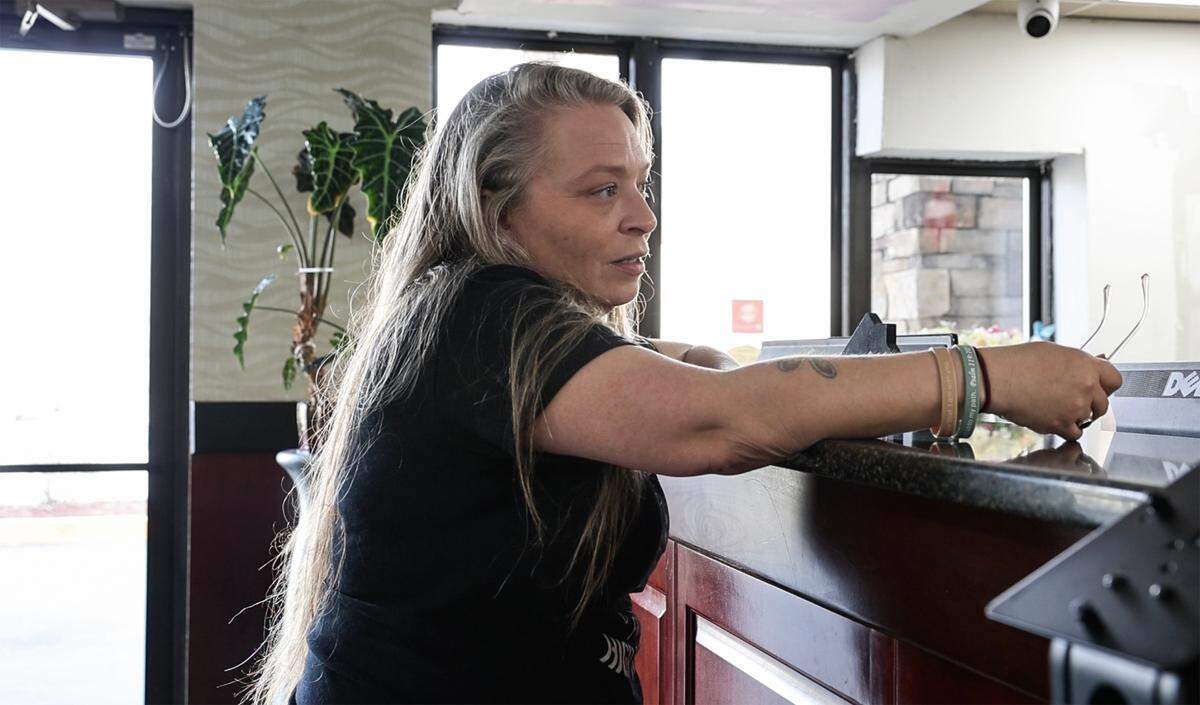
None of it has been easy. The biggest blow after the storm came before Christmas. To limit clutter inside the two-bed hotel room where they stayed from December to this week, Kelly stored the belongings they had left in a trailer a church gave her family.
Somebody stole the trailer from the motel parking lot, hooking it up to a car and driving off. Black Mountain Police found it at Asheville East Storage in Swannanoa, she said, but her family’s belongings were gone — including Christmas gifts for her daughters, ages 19 and 12. Also missing were the trailer’s sewage and water hookups, propane tanks and hot water heater from the trailer.
Kelly struggled to take care of Josephine, her sixth-grader, who missed 12 days of school in February for a bad case of the flu. Buying the medicine she needed wasn’t easy because her cleaning business has had little work to do with so many homes in the area damaged. Nor could she cook her daughter nourishing meals in the hotel room.
She teared up when talking about how she wasn’t able to bake her daughters birthday cakes for the first time in February and March. It was impossible in the hotel room, she said.
“I’ve never had one birthday with my kids that I didn’t bake them a cake, and I wasn’t able to. I know that doesn’t seem big, but it is to me,” Kelly said.
Before Helene hit, Kelly and her daughters were staying at a friend’s house in Black Mountain while they looked for a place to move after their apartment’s lease ended. That friend’s house was destroyed in the storm, she said, along with most of her belongings she had stored in a shed on the property.
She and her youngest daughter moved to Indiana temporarily to stay with close friends. Landing hotel vouchers from FEMA was slow at first, Kelly said, between filling out the right forms and long telephone hold times. But it worked out.
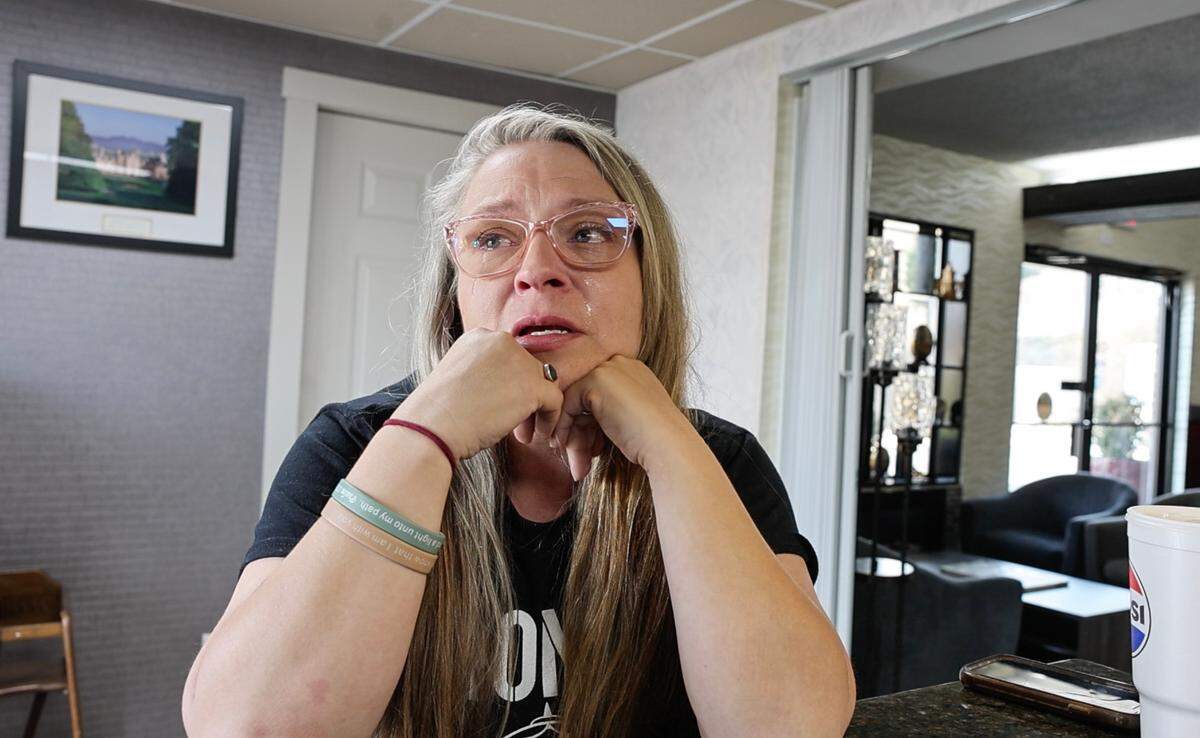
It was helpful to be near Owen Middle School, in the heart of badly damaged Swannanoa, where Kelly grew up and Josephine attends school. Through the hardships, there have also been other gifts.
After Asheville television station WLOS reported their trailer was stolen, people she’d never met showed up at her motel door with a new Xbox and Nike sneakers for her daughters. One person arrived dressed as Santa Claus.
She’s extremely grateful for the three-bed trailer a church donated to them and outfitted to their needs, she said. She and her daughters were scheduled to move into it, at a trailer park in Old Fort, this week.
It’s taken a while to get the sewage and water hooked up, Kelly said, While moving to the trailer offers a chance at stability, worries about basic necessities like propane and the $900 rent for the trailer park spot leave her anxious about what’s next.
“I feel like I’m orphaned. I feel like everything I’ve ever known has been stripped from me, and I don’t feel like I’m ever gonna get that back ever,” she said.
She is eager to leave Black Mountain, where downed trees, scraps of cars and unrepaired homes along the roadsides are a constant reminder of Helene’s destruction, including the deaths, she said.
“We go down Old 70 every morning. It’s just like every day there’s a pain in my heart,” she said. “Before, it didn’t matter how many times I left, how long I was gone, when I came back, Swannanoa was always going to be the same… But now it’s gone, and that’s a really empty feeling.”
Floodwaters, looters, and red tape
For Sabrina Mills and her family, surviving Helene’s wrath was traumatic enough.
As floodwaters from the Swannanoa River rose to stomach level inside their house on Sept. 27, Mills’ 24-year-old son hacked his way through the attic ceiling with a chef’s knife and a hammer so the family could get atop the roof.
Rising water was washing the house off its foundation and toward the raging river. Fortunately the house hit a cluster of trees so they weren’t swept away.
Mills, her husband, their two children and a family friend made it to the roof. There they heard the screams of an elderly neighbor who was swept away by the currents before volunteers with rafts rescued them.
Then came the looting. Their three-bedroom home destroyed, the family went to stay with Mills’ mother in Rock Hill. While there, thieves ransacked their flooded house, stealing jewelry, electronics and musical instruments, Mills said.
In early October, FEMA representatives told the family the agency could provide a temporary trailer so they could continue to live on their three-acre property, Mills said. That would allow Mills and her husband to keep an eye on their house and prevent more looting.
Days later, Mills said, another FEMA rep delivered a conflicting message: The agency couldn’t put a trailer on their property after all because it was in a flood zone.
FEMA would not make any of its officials available for an interview and declined to discuss the cases of individual homeowners. But in an email to the Charlotte Observer, the agency said the placement of mobile homes is governed by federal, state and local regulations.
Mill’s family soon faced more frustrations.
FEMA offered the family free hotel lodging, Mills said, but the nearest hotels that participated in the agency’s Transitional Sheltering Assistance program were an hour and a half away from the Asheville hospital where Mills worked as a nurse.
In December, FEMA provided the family $2,900 — enough to help them rent a smaller home in Swannanoa.
The family has gotten no more rental assistance money since then. In January, Mills said, a FEMA representative said they didn’t qualify for further help because they had “boarders.” Mills said the people the representative was referring to weren’t boarders — they were her 24- and 23-year-old children.
So the Mills family paid $4,200 out of pocket for the next two months’ rent. That’s put a strain on their finances because they’re still paying the mortgage on their destroyed home.
Every FEMA representative Mills and her husband have talked to has been nice, Mills said. “But we get told different things every time we talk to someone,” said Mills, 46. “Nobody seems to be reading from the same playbook. It’s been frustrating.”
Their home was covered by flood insurance, Mills said, but the insurance settlement will fall far short of what’s needed to rebuild and properly flood-proof the property.
Mills and her husband loved the privacy of their three-acre lot, but they’re not confident they’ll ever be able to move back.
“I really want to go home,” Mills said. “I don’t think my brain has accepted that I can’t.”
FEMA trailer is lifeline for Black Mountain woman
Karen Kumle Schmid is grateful to FEMA.
To see how much the federal disaster relief agency has helped many whose homes were damaged by Helene, people need only consider her own experience, she said.
Up until Sept. 27, Schmid lived in what she fondly calls her “shanty” — a one-room log cabin in Black Mountain built by family members and a family friend.
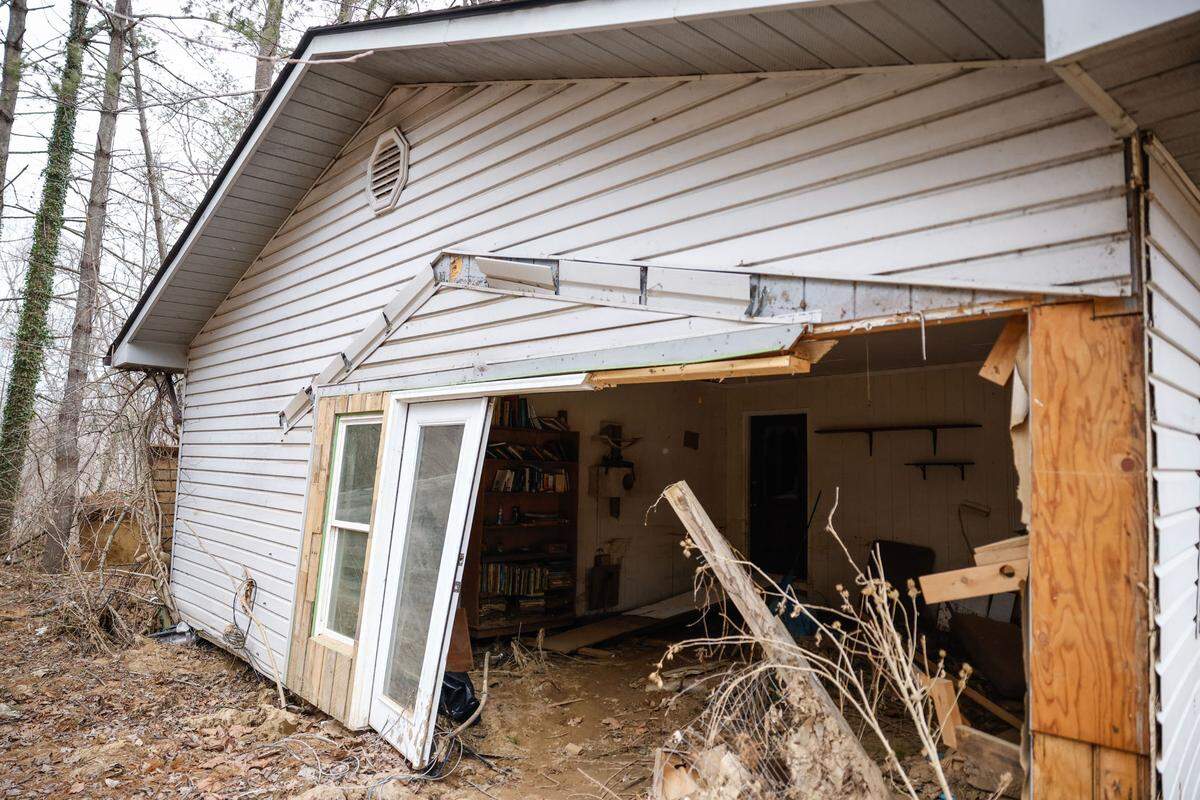
Helene’s winds damaged the door and roof and toppled the metal flu pipe that vented the wood stove. As a result, the house was badly flooded. The storm also carved ruts in her driveway and muddied the spring she relied on for drinking water.
FEMA proved to be a lifeline. Schmid spent much of her time after the storm in hotel rooms in Charlotte, Marion and Asheville, with FEMA paying the cost through its Transitional Sheltering Assistance program.
But after months of living in hotels and with family and friends, Schmid needed a place she could call her own. In late January, FEMA provided that, handing her the keys to a temporary trailer at a quiet mobile home park in Black Mountain.
A gourmet cook, she now has a place where she can cook for herself and enjoy some time alone.
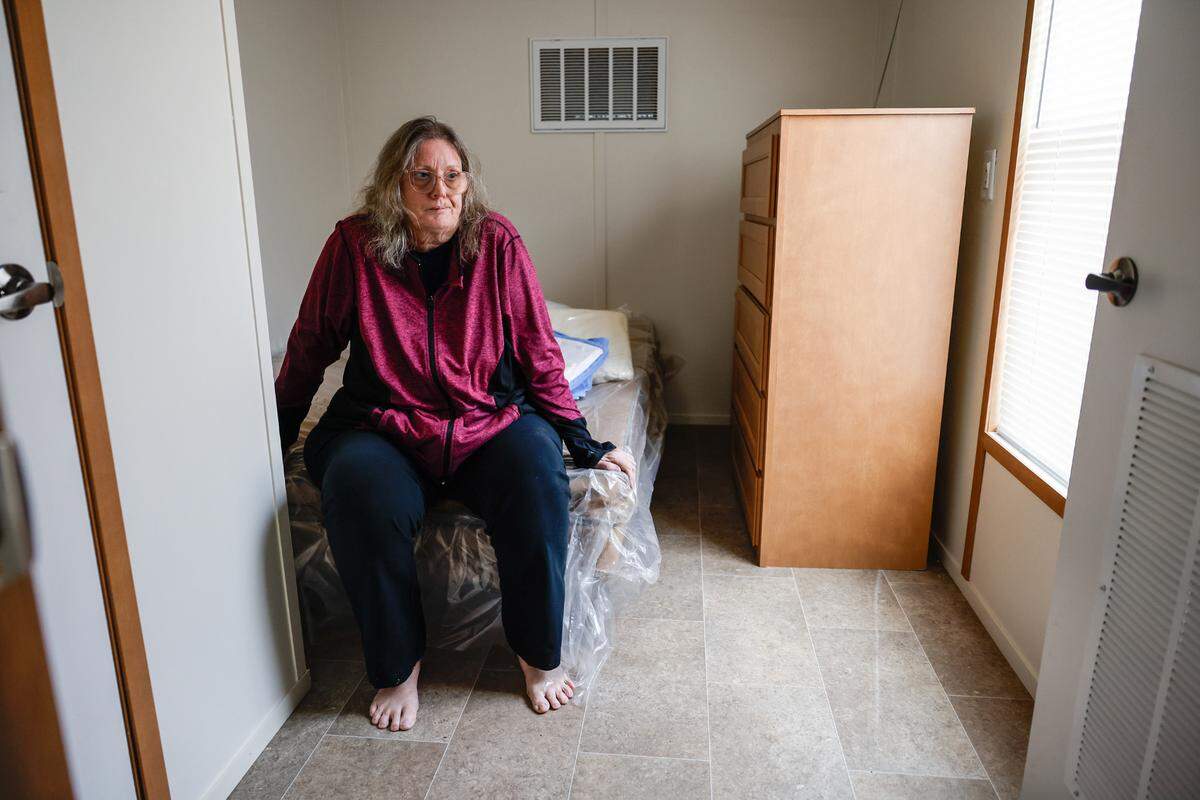
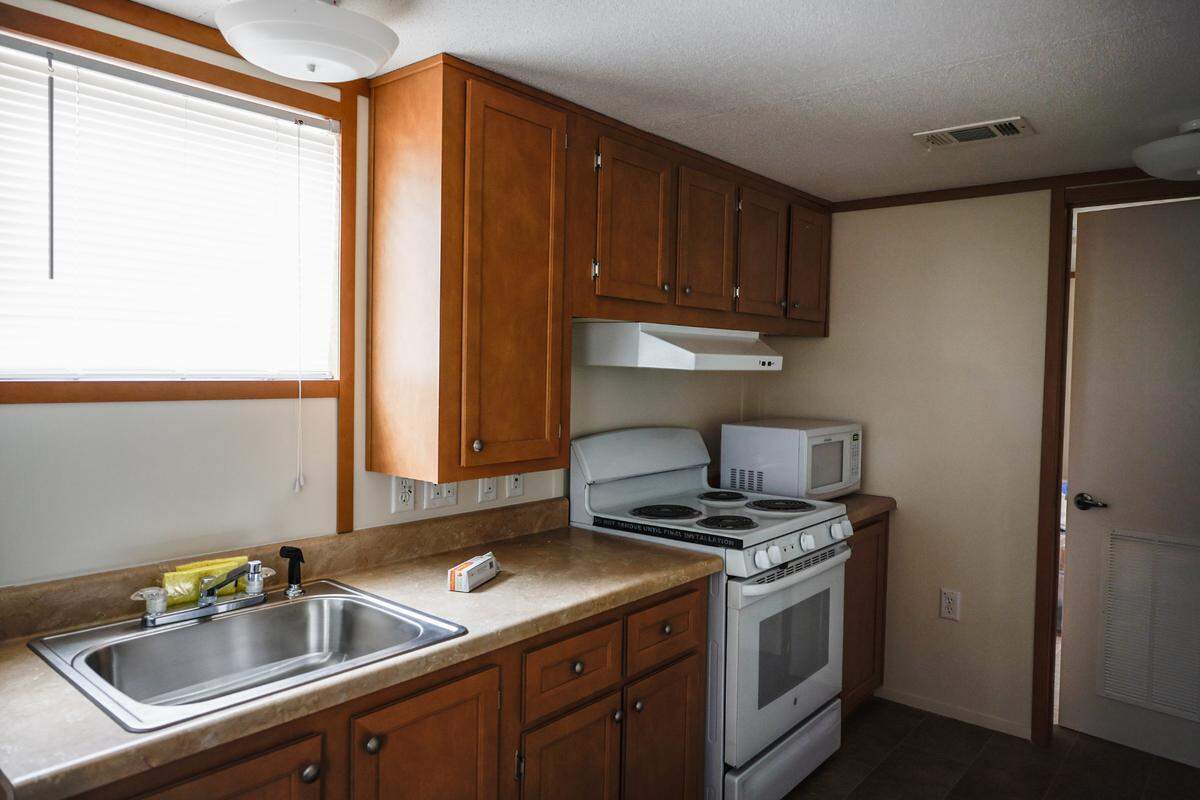
Perched on a steep hill just north of Interstate 40, Schmid’s tan-walled trailer is eight feet wide and a bit longer than a school bus. It came furnished with a small dining table, a dresser and a full-size mattress. It’s about 15 miles from her house and FEMA says she’ll be able to use it until March 2026.
“It’s basically a hotel room with a kitchen,” said Schmid, 63, who has been unable to work for years because of a knee injury she suffered during her previous work for the U.S. Forest Service. “It’s small but it’s all I need.”
As she sat on the camel-colored loveseat that also came with the trailer, she reflected on what her new temporary home means to her as she works on getting her cabin repaired.
“It’s just a space I don’t have to share with anybody else,” she said. “I can just be here and focus on what I need to do to get my place back in order.”
Others contend FEMA has taken too long to make trailers like these available to people who need them. As of Feb. 19, FEMA had set up trailers and other short-term living spaces for 175 displaced families in North Carolina. Twenty-six of those — including Schmid’s — were at the Laurelwood mobile home park.
Schmid says she has also received financial assistance from FEMA too — about $12,000 to repair damage to her house and cover other expenses. She’s grateful.
“I think they’ve been great,” she said of FEMA. “It’s been irritating to see the negative stuff people were saying.”
Trailers and partial kitchen in a shed provide shelter, but not a home
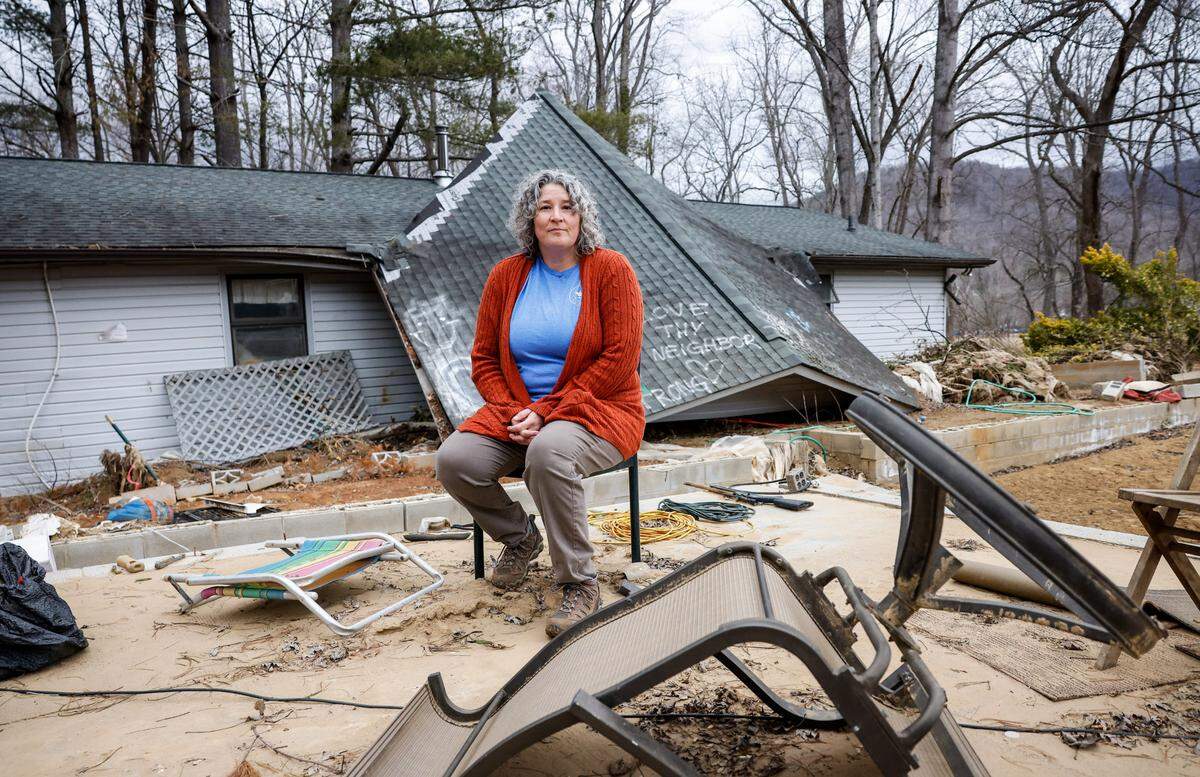
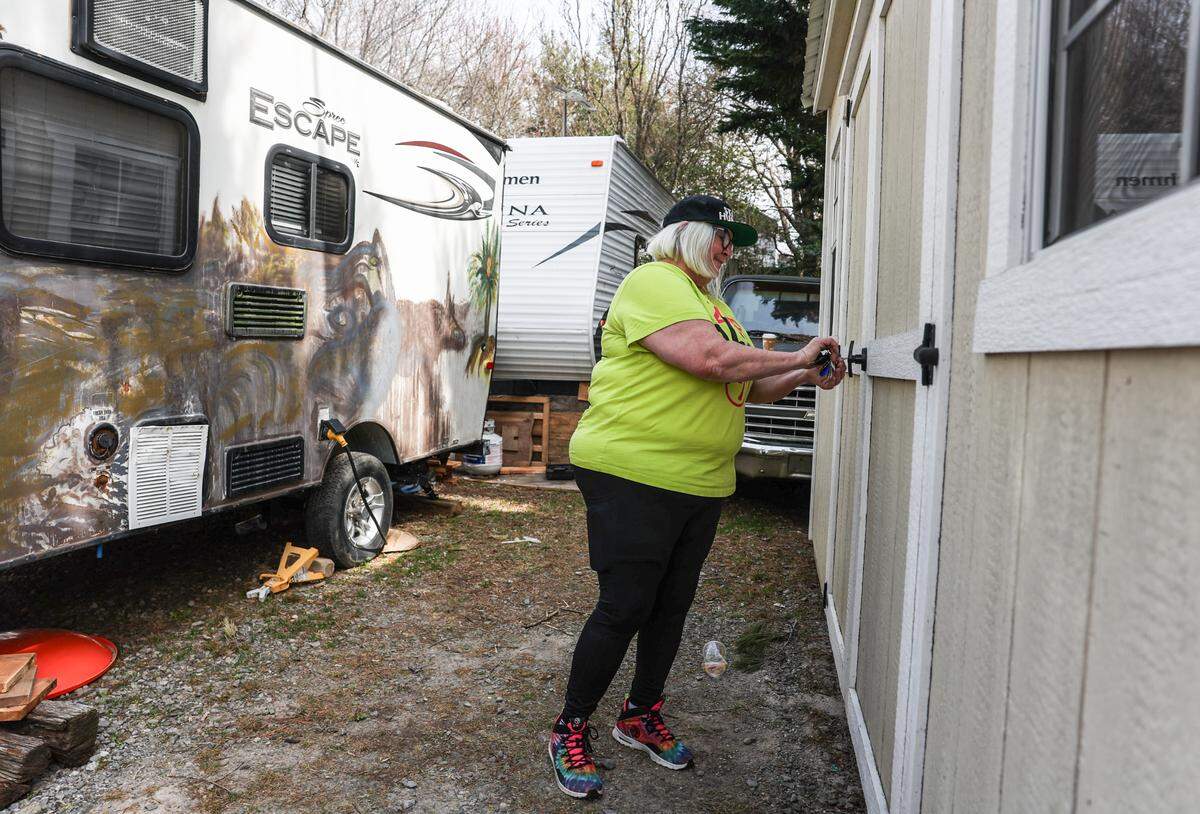
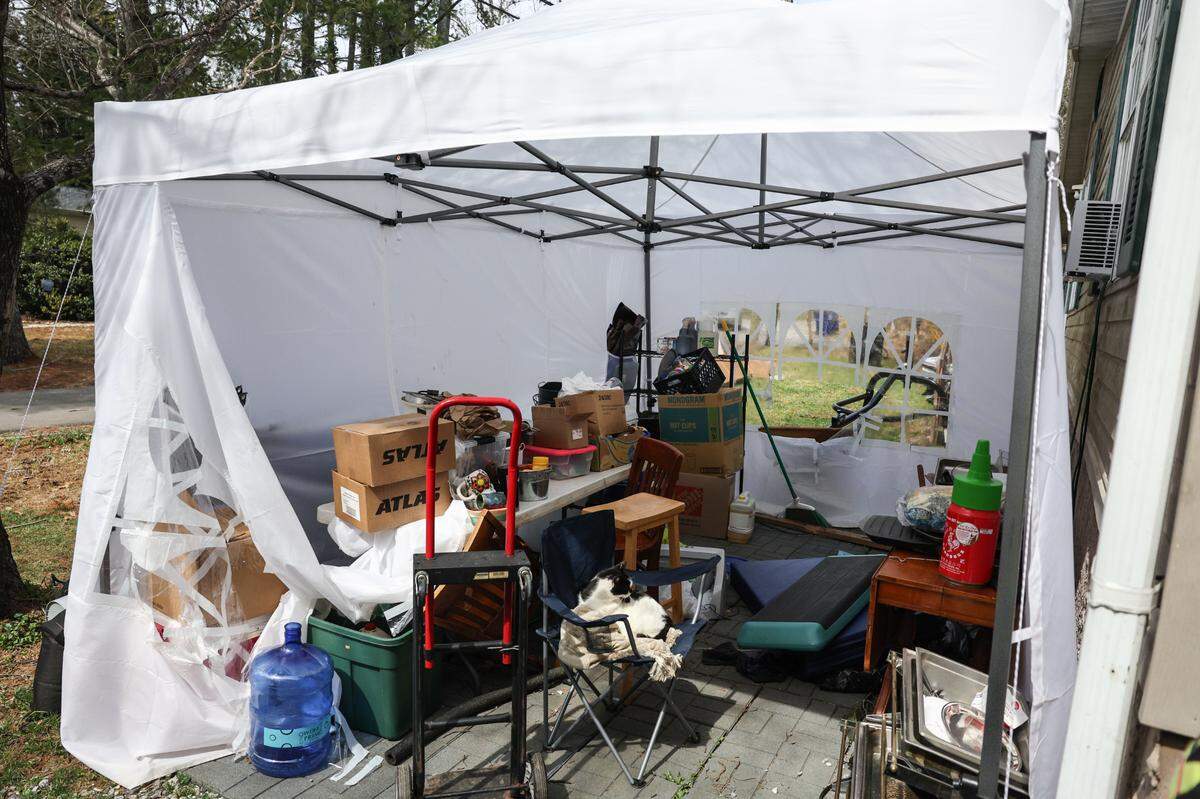
Since Helene’s floods wrecked her family’s trailer home in Black Mountain, Delia Lytle Bayley has been living with her husband and 16-year-old son in two donated trailers on their front lawn.
They can use water and electricity from the home, but there’s no hot water. The makeshift kitchen they set up under a tent wasn’t practical in the cold weather so they created another in a shed. It’s been difficult, especially for Bayley’s son, who has autism and struggles with change.
“When you’re a teenager, especially when you have special needs, you just want your house. You just want your home. You don’t understand what is happening and how these processes work,” she said. “These kids are not living a normal life.”
At the same time, Bayley has spent at least four hours a week — and around 25 hours some weeks — working on paperwork and speaking with her insurance company and Federal Emergency Management Agency staff trying to get enough help to replace the double-wide mobile home.
“I’m not stupid, I know a lot of resources and things, but I can tell you that there are people that just really don’t know how to navigate the system, and they’re not doing too well,” she said.
FEMA gave her an initial $750 emergency stipend, a few thousand dollars for temporary housing, and $10,000 to repair her home. But inspectors determined the home was irreparable. It has shifted off its foundation, filled with mold, and been declared uninhabitable.
When Bayley asked FEMA if she would be allowed to spend the $10,000 toward replacing her home, she heard mixed messages from various FEMA representatives, she said. Some said they didn’t know and others told her not to spend the money because she would be asked to return it.
Her appeal to FEMA to receive money to compensate for the loss of her home is still processing, she said.
Bayley’s also been approved for a Small Business Administration loan of $37,000 after weeks of documents and paperwork, but that won’t be enough to replace her double-wide. It will cost around $10,000 to tear it down, Bayley expects she will need to take out another $150,000 loan to replace her home.
“It’s exhausting,” she said.
Amid the struggle of daily life, Bayley’s husband, who developed heart failure last year, had to have surgery for a hernia at the end of January. Luckily, he works in the kitchen in a nearby hotel and was able to stay there while recovering, she said. She couldn’t imagine how he could heal in the trailers, she said.
It could take over a year to replace her home, even if she’s approved for the loans she needs, Bayley said. In the meantime, she’s just trying to get through each day.
“This thing of not having a house is dragging on,” she said. “I’m hoping, I’m really hoping and hoping that I’m near the end of the nightmare.”
This story was originally published March 19, 2025 at 5:00 AM with the headline "‘I really want to go home’: Months after Helene hit, NC families struggle with housing."

.JPG)