Can NC snakes climb up fences, trees or the side of a house? Some can
AI-generated summary reviewed by our newsroom.
- Rat snakes and rough green snakes can climb trees, fences and walls, often to find food.
- Venomous copperheads rarely climb due to their heavy, thick bodies.
- Snakes climb more easily on textured surfaces, including brick or trees.
Snakes don’t have arms and legs, but that doesn’t mean they can’t climb.
While not all of these slithering reptiles climb, the ones that do, typically do it well.
The News & Observer previously spoke with two North Carolina wildlife experts to learn more about which snakes climb and why they do it.
Which NC snakes climb?
More than three dozen species of snakes live in North Carolina, but only a few climb well, said Falyn Owens, an extension biologist at the North Carolina Wildlife Resources Commission.
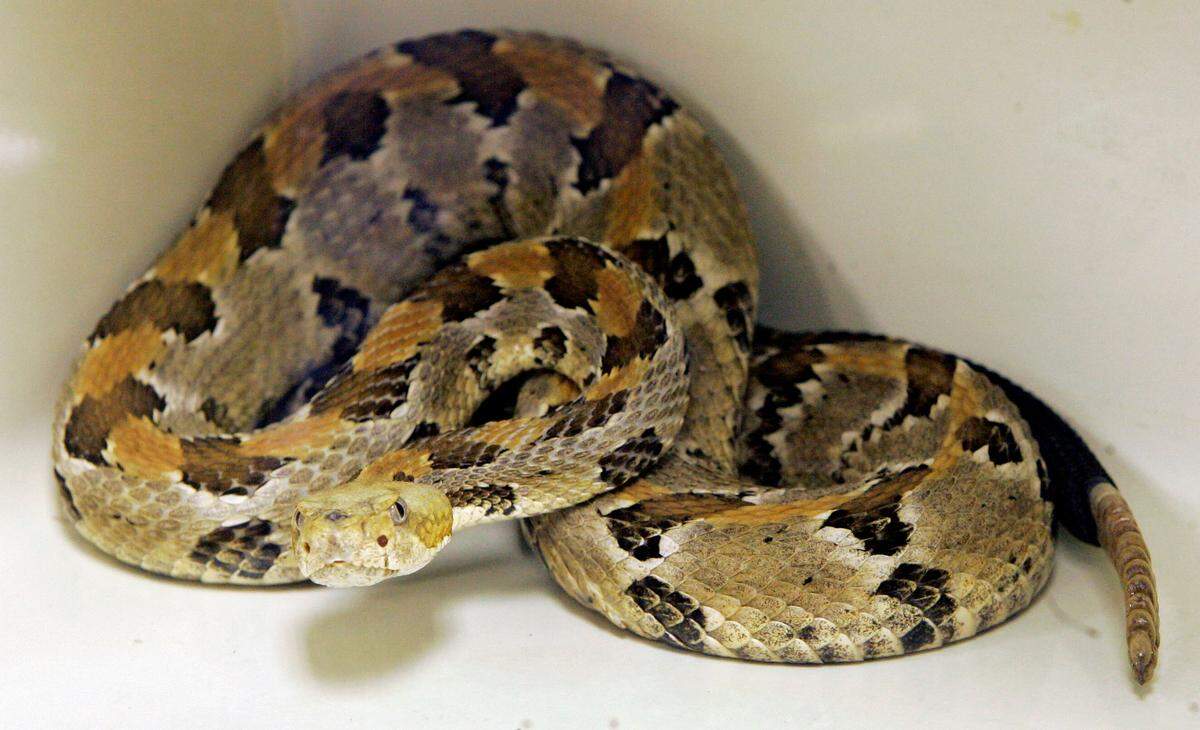
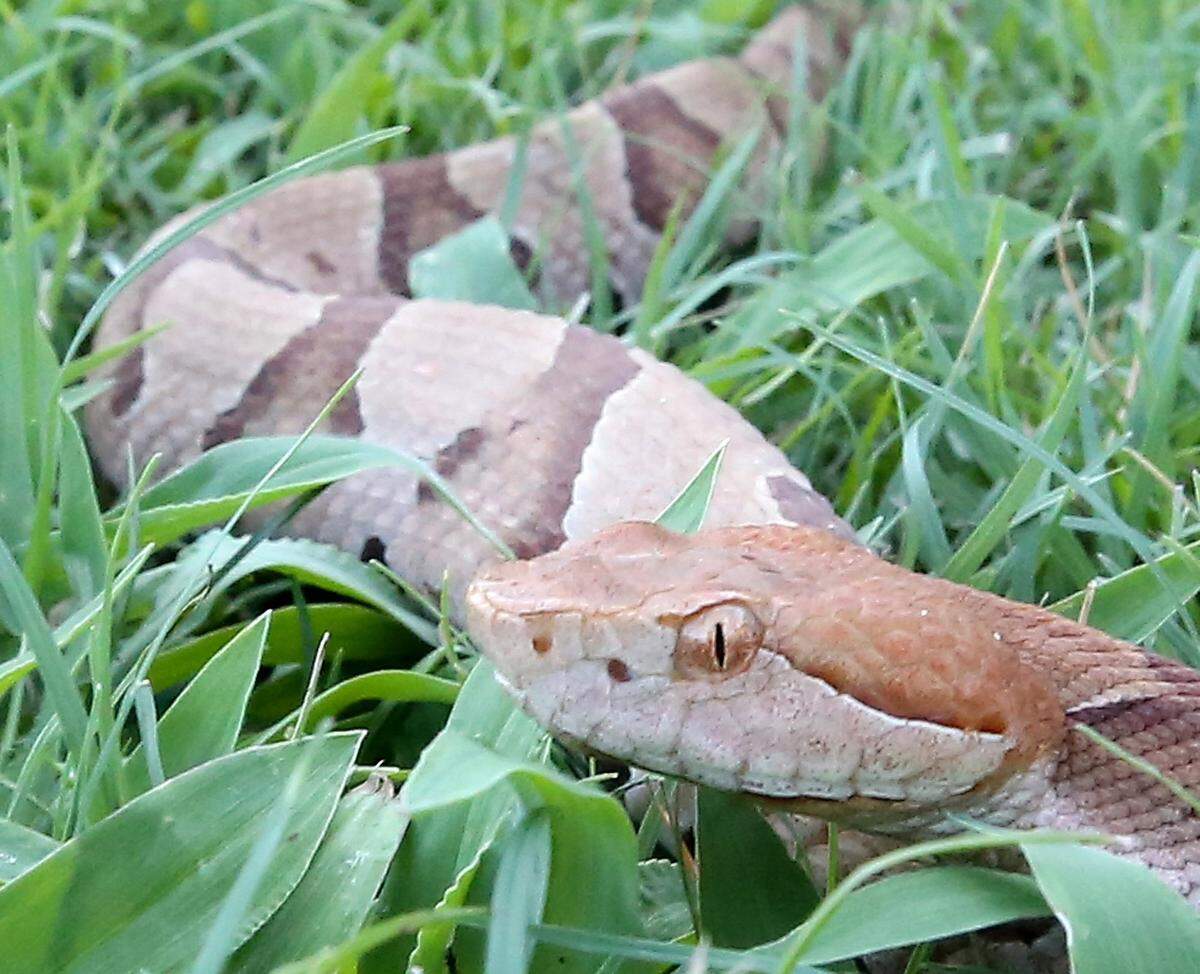
The state’s venomous snakes — including copperheads — do not get high off the ground, Owens said. Copperheads — the venomous snake most likely to be seen around central North Carolina and the Triangle — have thick, heavy bodies that aren’t ideal for climbing.
“All snakes can climb to some degree, but some are much better climbers than others,” said Jeff Beane, a collections manager for herpetology at the North Carolina Museum of Natural Sciences.
Two species found in North Carolina climb skillfully: rat snakes and rough green snakes.
Why do snakes climb?
Like any other animal, snakes need to eat. And sometimes, they need to move vertically to find food.
Bird eggs comprise a significant part of the rat snake’s diet, so rat snakes often climb trees to find bird nests.
“There’s a running joke that says if you find a snake somewhere and you’re like, ‘How in the world did it get there,’ it’s probably a rat snake,” Owens said.
Rough green snakes, covered in bright green scales, spend a lot of time in the treetops, Owens said, where they blend in with the foliage.
But food isn’t the only reason why a snake might climb. Rat snakes and rough snakes, for example, sleep in trees.
“If [other snakes] are going to try to climb anything, the only reason why they would do that is to try to get to some food source,” Owens said.
What can snakes climb?
Material matters when it comes to what objects a snake can climb. A smooth or slick surface doesn’t offer the traction that snakes would need to ascend, but something with more texture makes for easier climbing.
“Rat snakes are good at climbing up the sides of trees and things like that where there’s irregularities that they can catch their bodies on,” Beane said.
Snakes can also climb brick, which means they could scale houses and other buildings.
Fences are fair game, too, Owens said.
“A fence that is genuinely snake-proof would have to have basically no holes in it, or the holes would have to be extremely small,” Owens said. “And, again, if you want to keep rat snakes out, it would have to be a slick, sheer surface that would be pretty difficult to accomplish.”
Do snakes fall from trees?
Snakes could fall from a tree limb, but that doesn’t happen often.
If something or someone shakes a tree, or if a snake coils around or latches onto a prey and loses its balance, the snake might fall.
“Usually, if a snake’s a good enough climber to get up in a tree, it’s not just going to randomly fall out,” Beane said. “Something would have to dislodge it, make it fall out.”
This story was originally published June 12, 2025 at 1:10 PM.