NC Senate votes to ban shrimp trawling in sounds, angering some coastal Republicans

AI-generated summary reviewed by our newsroom.
- NC Senate advanced a bill banning shrimp trawling in inshore waters.
- Shrimpers and some coastal senators opposed the ban, citing major economic harm.
- Supporters: Ban would protects habitats and expand fish species populations.
The North Carolina Senate approved a bill Thursday that bans commercial shrimp trawling in inshore waters, including sounds.
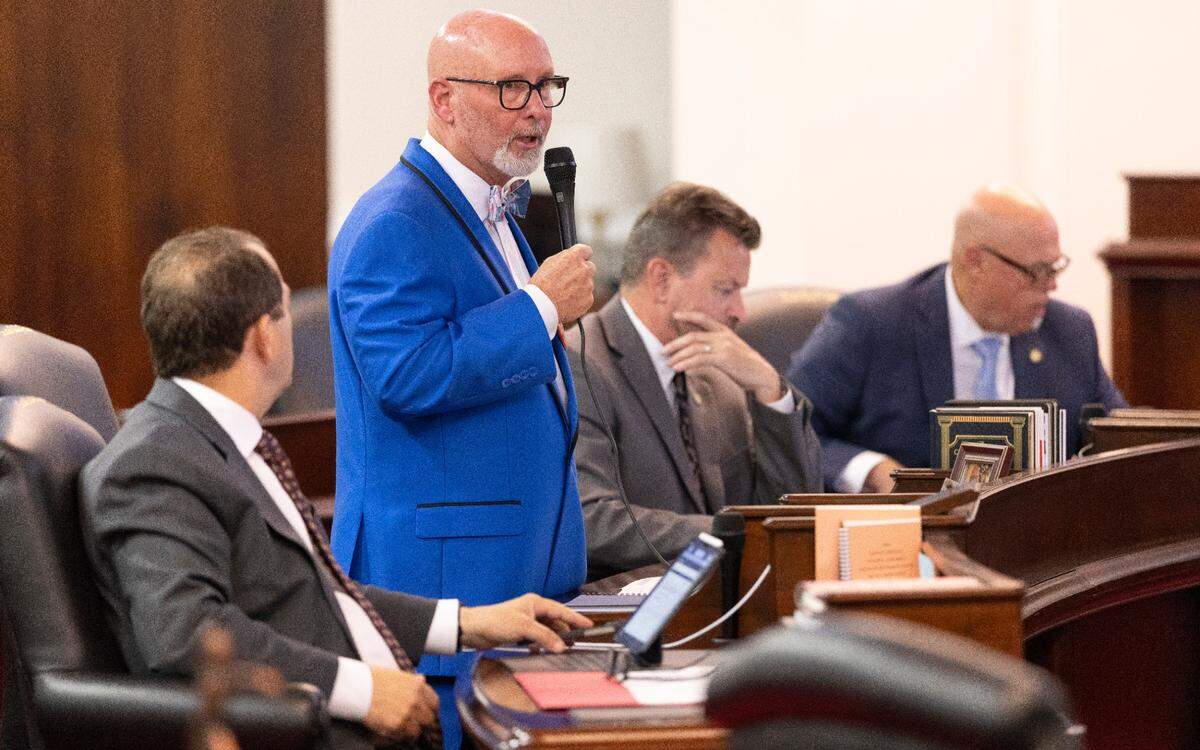
Sen. Bobby Hanig, a Republican who represents multiple coastal counties, passionately opposed the ban.
“We need to save our heritage. We need to save our fisheries,” he said during a floor debate on Wednesday.
Hanig unsuccessfully proposed multiple amendments, including one to remove the ban from a bill where it was introduced by amendment just one day before. He was absent from the second of two required votes on the bill Thursday, as were seven other senators.
That original bill expanded recreational fishing seasons for flounder and red snapper.
Only four senators, all Republicans representing coastal areas, voted against the bill Wednesday: Hanig, Norman Sanderson, Bob Brinson and Michael Lazzara. With Hanig and Lazzara absent for the second vote on Thursday, the vote was 39-2, with Brinson and Sanderson opposed. There was no debate.
Senate Democrats told reporters after the bill passed on Thursday that environmental concerns were the main reason for supporting the measure.
The bill now goes back to the House.

What’s in the bill?
The original bill, House Bill 442, would have expanded recreational fishing for flounder from four days to at least six weeks, with a limit of one fish per person per day. It would also allow a year-round red snapper season, with a limit of two fish per person per day and a 20-inch minimum size limit in state waters.
But earlier this week, Sen. David Craven, a Republican from Randolph County, introduced an amendment that would prohibit shrimp trawling indefinitely in inshore waters, including sounds, and within a half-mile of the ocean shore starting Dec. 1.
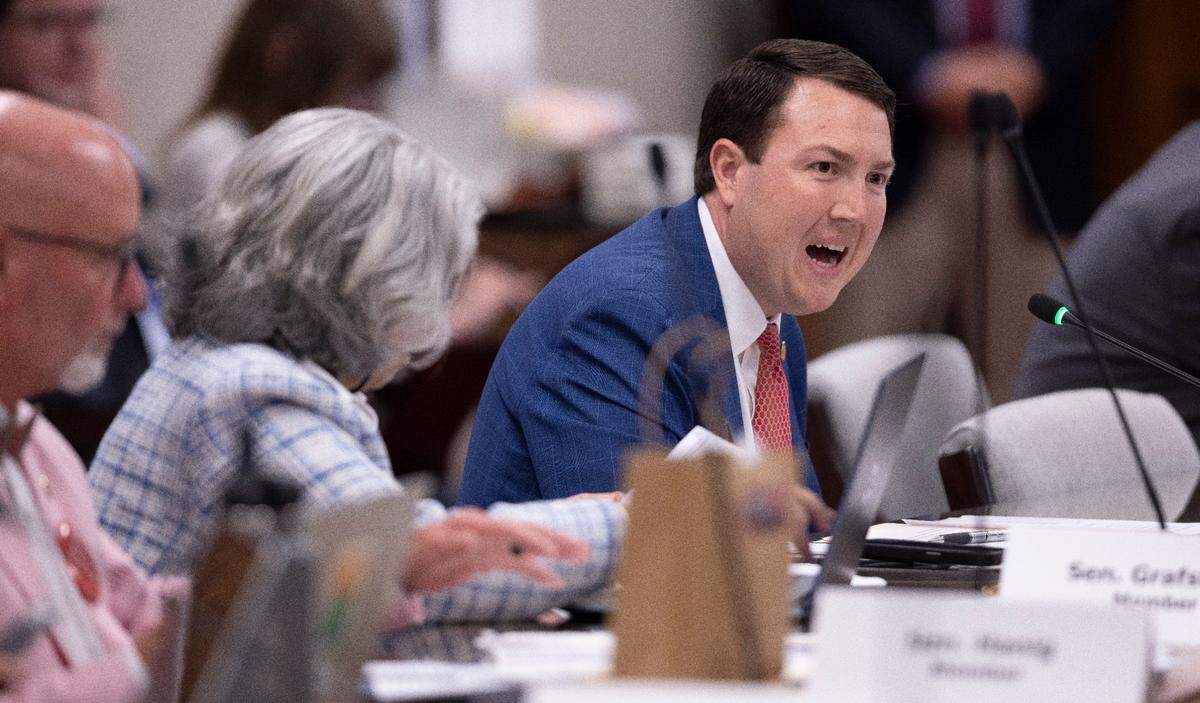
Craven, whose amendment passed, said the ban would align North Carolina’s trawling regulations with those of Virginia and South Carolina and reduce bycatch.
Hanig shared news of the expected amendment in a Facebook post Monday afternoon, encouraging North Carolina residents to ask their senators not to support the amendment.
“I think it’s disgraceful what we’re doing to the citizens of North Carolina,” Hanig said at the committee meeting. “This is nothing short of special interest and backroom deals.”
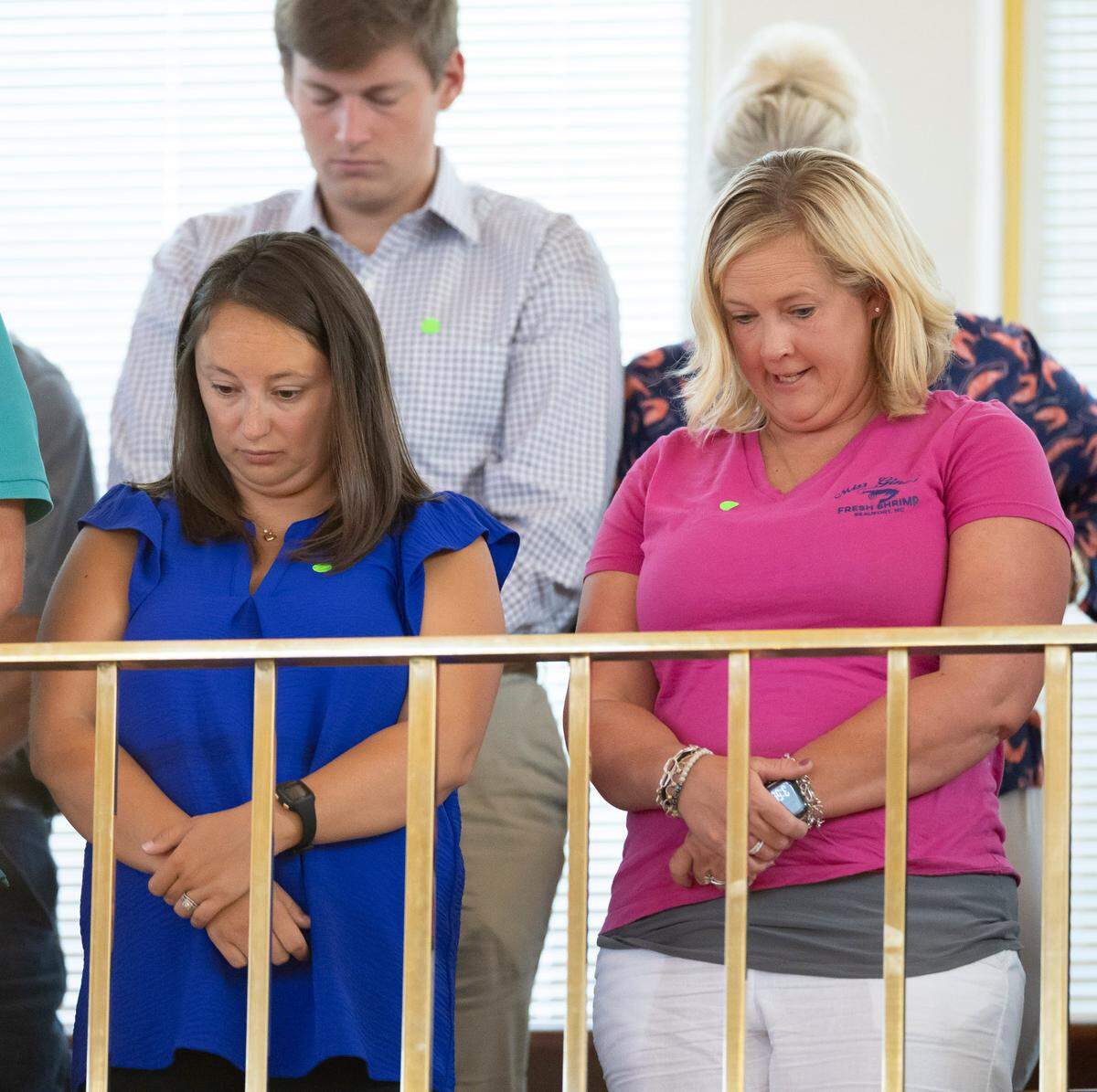
Shrimpers and other commercial fishermen, some of whom supported the bill before the shrimp-trawling ban was added, rushed to Raleigh on Tuesday to speak against the amendment.
There were fewer than 300 commercial shrimpers in North Carolina in 2023, according to a 2024 report from the N.C. Division of Marine Fisheries.
Seventeen people signed up to speak at the Agriculture, Energy and Environment Committee meeting, but only four were allowed to comment.

Thomas Newman, a full-time commercial fisherman who works with the North Carolina Fisheries Association, predicted that the ban would put some shrimpers out of business.
Many boats used by North Carolina’s commercial shrimpers are not large enough to work in the Atlantic Ocean, he said. Preventing commercial shrimpers from working in the sounds and inshore waters would result in a 75% decrease in the total shrimp catch each year, he added.
Patrice Clarke, owner of Diamond Shoal Shrimp Co., drove about 180 miles from Engelhard to speak against the amendment Tuesday. She wasn’t given the opportunity to talk during the committee meeting, but she told The News & Observer that she works with shrimping boats that aren’t able to venture into the ocean.
“This would actually close my business,” Clarke said.
In 2023, more than 2.3 million pounds of brown shrimp alone were caught just in the Pamlico Sound, the Division of Marine Fisheries report shows. That’s in addition to the 287,000 pounds of brown shrimp caught in other sounds, rivers and inland waterways, and doesn’t include the amount of white or pink shrimp caught.
Reasons for banning shrimp trawling
Recreational fishermen have long accused commercial fishermen of harming fish populations in North Carolina’s sounds.
In 2020, the Coastal Conservation Association and others filed a lawsuit against the state, accusing it of allowing commercial fishermen to overharvest in the sound waters it regulates.
Supporters of the ban on shrimp trawling would help protect estuaries and coastal waters.
The N.C. Wildlife Federation is among the groups critical of the trawling commercial shrimpers use. “Inshore bottom trawlers use heavy chains to drag nets across an underwater landscape already stripped bare by the practice, devastating our sounds, estuaries, and fish populations,” it contends on its website.
Chad Thomas, executive director of the North Carolina Marine & Estuary Foundation, said at a North Carolina Senate committee meeting Tuesday that legislation is needed to enhance 900,000 acres of inshore habitats that support fish and shellfish populations.
Former Marine Fisheries Commission member Cameron Boltes, speaking on behalf of recreational anglers, told the Senate committee that the bill is not an outright ban on shrimp trawling, but will cause commercial shrimpers to change where they trawl.
“There’s ways that we can support commercial fishermen to get a higher price for their product in North Carolina and better align ourselves with the rest of the Southeast,” Boltes said.
Republican Sen. Bill Rabon, who represents Columbus County and coastal Brunswick and New Hanover counties, said at the committee meeting that the bill, by protecting the bottom of the sounds, would help increase the population of species such as spot, croaker and weakfish.
“It hurts me to know that some people are going to be affected negatively by this, but the crabbers and the oystermen and the other fishermen are going to be positive,” Rabon said. “For every action, there’s a reaction.”
GOP Senate leader says it was right policy decision
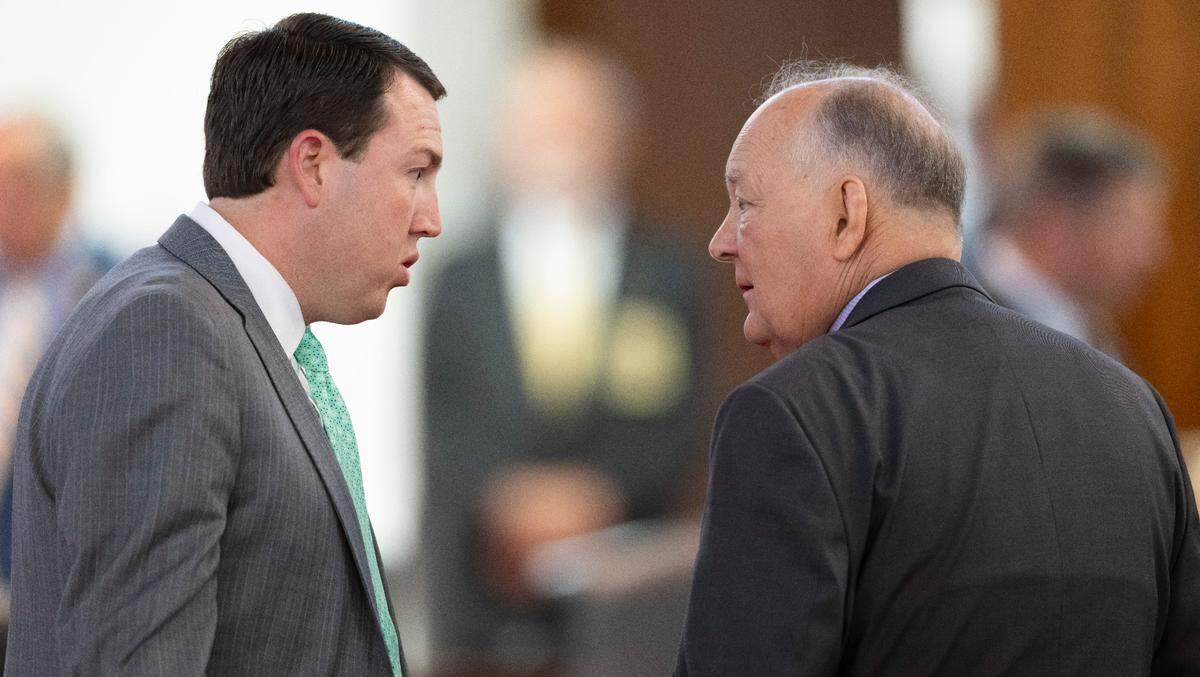
After the vote Thursday, Senate leader Phil Berger, an Eden Republican, said it’s “no surprise that folks that represent an area where there are folks who are employed in that industry would be very sensitive to the bill.”
“I think the fact that the only people that voted against it were people that were in the area, is an indication that for purposes of broader policy, that what we did was the right thing to do,” Berger said. He said that when he first ran for Senate in 2000, an issue then was “what are we going to do about the depletion of fishing stocks?”
Berger said it was past time to make the change, as other states have.
“I am hopeful that the House will follow suit, and we’ll be able to get to a point where the fishing stocks in North Carolina’s inland waters are where they should be, based on the quality of the waters,” he said.
Environmental concerns got Democrats’ support
All Democrats voted for the bill. It was “an opportunity to get an amazing environmental win for our state,” Democratic Sen. Julie Mayfield of Asheville told reporters after the vote on Thursday.
“It was, I think, helpful when we learned that we’re the only state on the East Coast that continues to allow shrimp trawling inside our sounds. ... If you’ve ever seen a video of what it looks like under the water when a trawler is going across the ocean floor or the sound floor ... you can see the destruction happening in real time. So it’s a huge environmental win,” Mayfield said.
She said they hope other fisheries will come back, “and the ecosystem of the sounds will rebound in a way that they’re not allowed to now.”
As for business concerns from Hanig and those in the shrimping industry, Mayfield said a related bill is being proposed to help shrimpers transition.
This story was originally published June 18, 2025 at 6:06 PM.