
Little relief after Helene took their house. FEMA? Insurance? ‘They forgot us.’
AI-generated summary reviewed by our newsroom.
- FEMA awarded the Tatums $51,500, far below Avery County's median home value.
- NC Farm Bureau denied their claim, citing lack of flood coverage in the policy.
- Federal and state governments spent $6B of a $60B estimated recovery cost.
Nine months ago, Hurricane Helene swept Bob Tatum’s house down the North Toe River and smashed it underneath a bridge, and while he stood there in his tiny hometown of Minneapolis, staring at the pieces in the water, he confessed a broken heart and asked the world for a favor:
“Don’t forget about us.”
So on Thursday, he and his wife, Edwina, walked the ruined horse pasture where their house once stood and counted the results of a hundred promises.
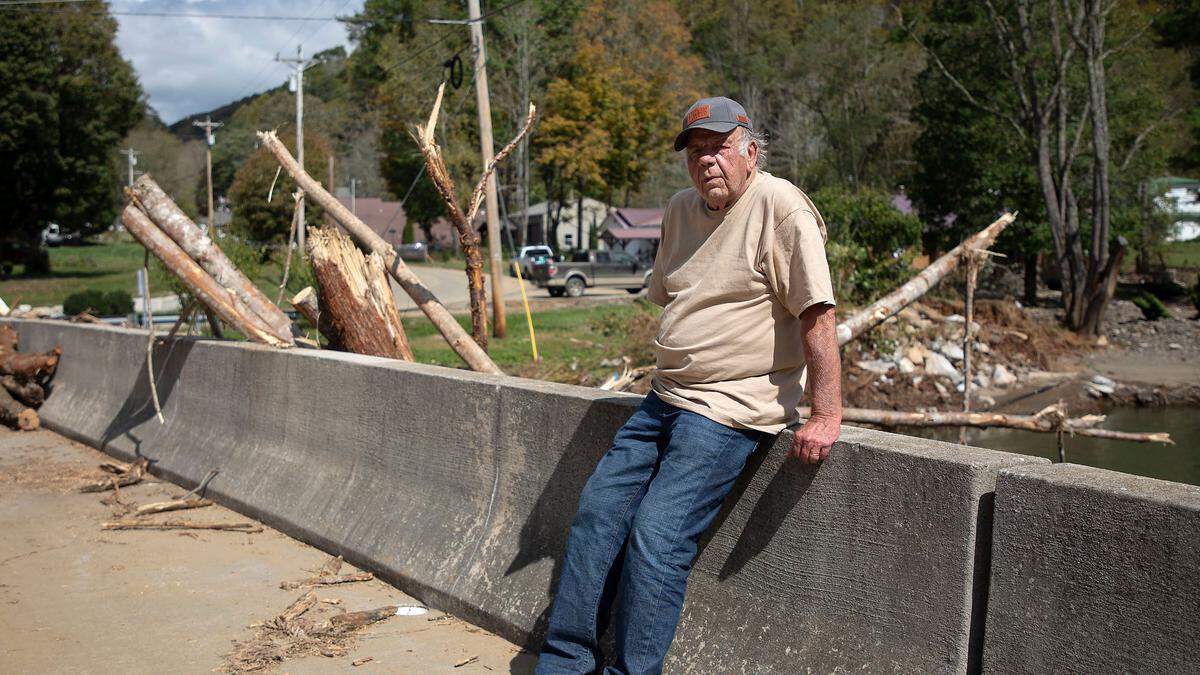
FEMA granted $42,500 for their lost house and $9,000 for everything inside — the maximum amount allowed for rebuilding but only about a tenth of the median home price in Avery County.
“Which was a joke,” said Tatum, 75. “Which was an insult.”
NC Farm Bureau Insurance denied their claim outright, paying nothing, noting their lack of flood insurance in the wake of what is widely considered among the most destructive storms in U.S. history.
“We paid 30 years and never filed a claim,” said Tatum. “We’re just dirt under their feet.”
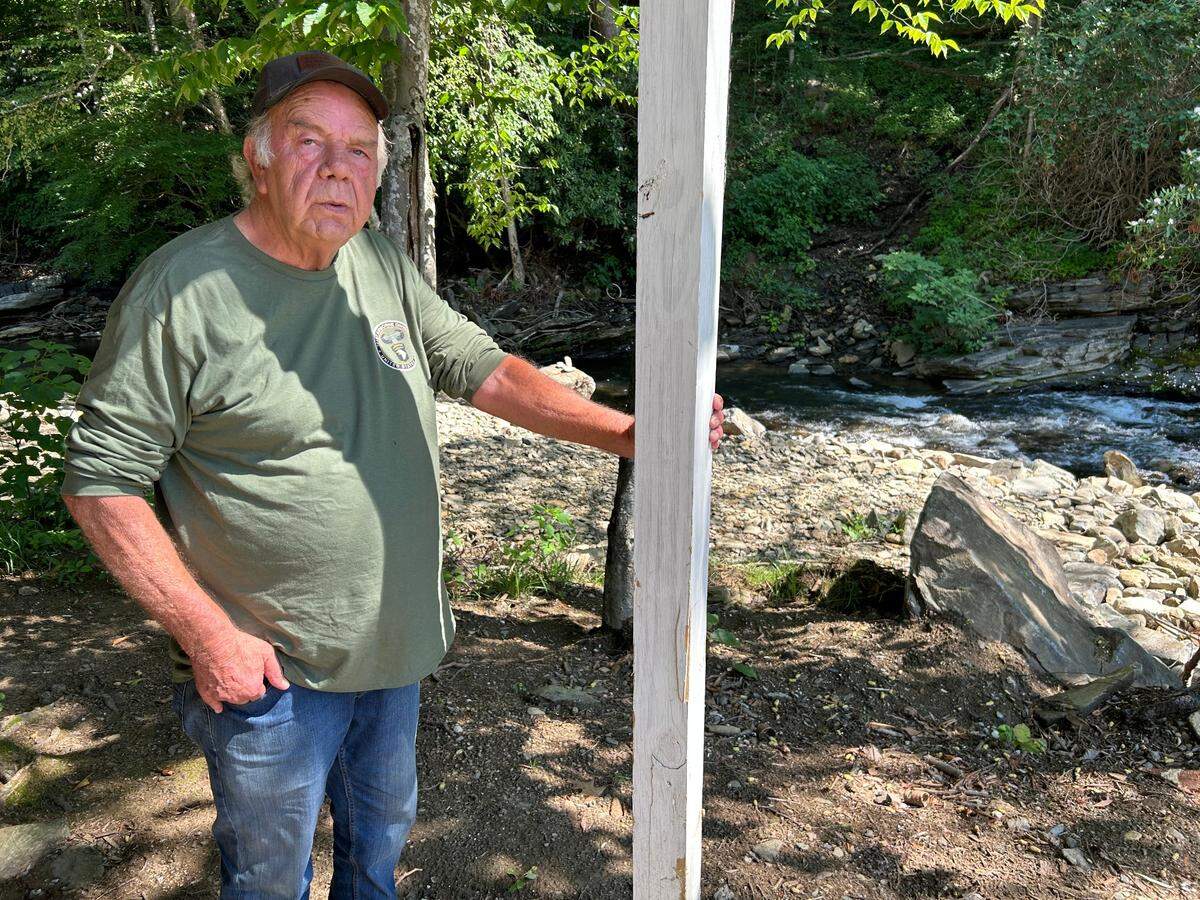
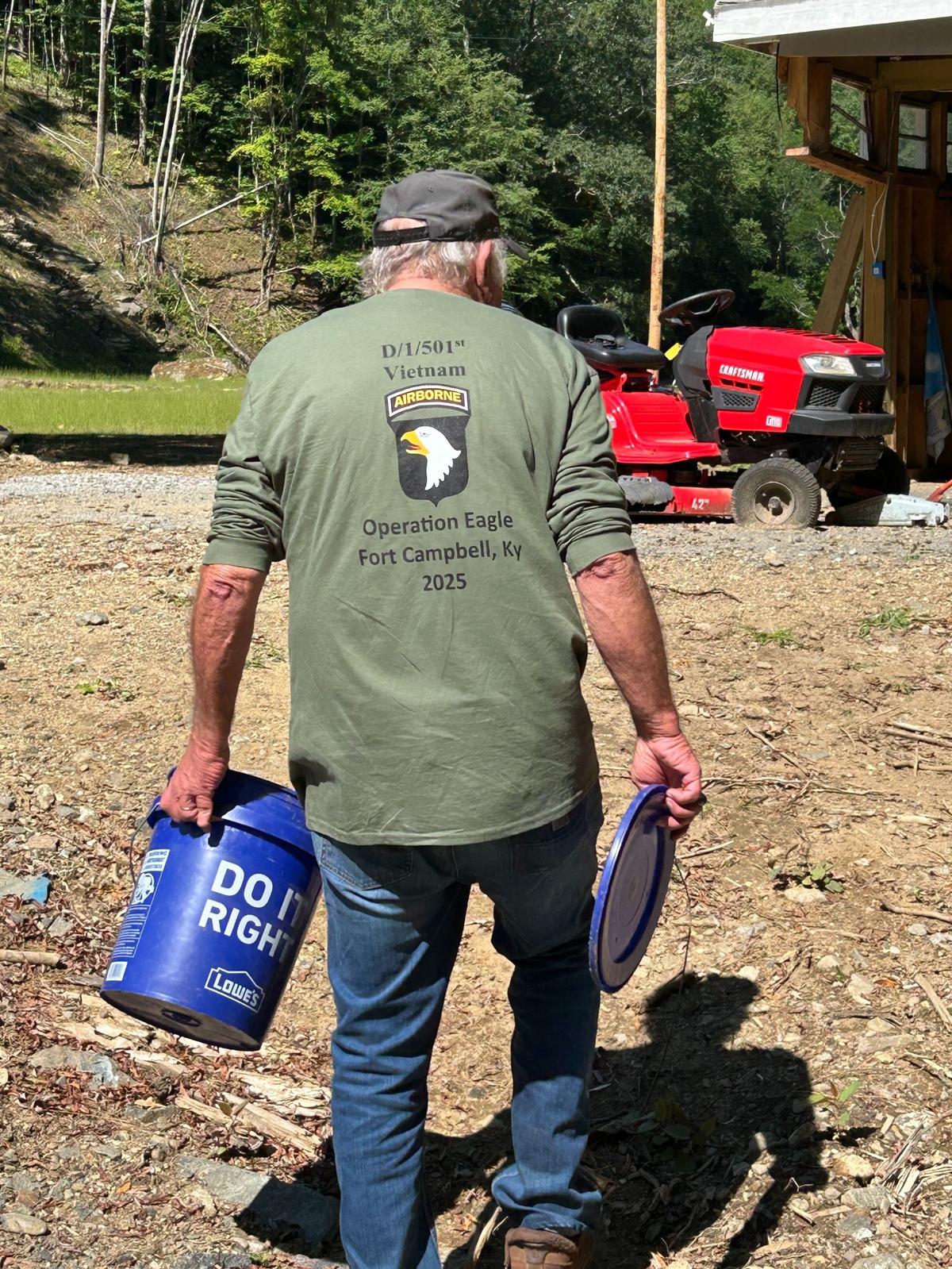
Not a cent of state money has yet found its way into their pockets, though Tatum is a disabled Vietnam veteran and a retired educator who was widely interviewed after the storm — appearing on television sets nationwide with a pledge to keep on going.
So how does he rate the response in stricken Minneapolis?
“They forgot about us,” said Tatum. “We’ve been jumping through hoops for nine months now. I would have lost heart if I hadn’t seen the goodness of God in the living.”
$60 billion impact
As of May, the state and federal governments had spent roughly $6 billion combined on Helene relief, only 10% of the estimated $60 billion impact.
The Tatums now live with Edwina’s 95-year-old mother, who requires constant care, but they take comfort in the thousand kind gestures from friends and neighbors:
▪ 45 people contributed to a GoFundMe campaign that raised $6,700;
▪ Jesse Pope, the president of the Grandfather Mountain Foundation, paid for an excavator to dig a deeper channel in the North Toe and help prevent future flooding;
▪ Samaritan’s Purse cleared away mud that piled up 2 feet deep around Minneapolis Baptist Church;
▪ The nonprofit Elk River Helping Hands gave them $10,000, and the Baptists on Mission have offered to help them rebuild with money from the state once they receive it. The legislature approved a $700 million fund last week, quickly signed by Gov. Josh Stein.
Together, Bob and Edwina walk past the spot where they built a house out of river rocks 46 years ago, and they toss pellets in the water to feed the trout.
“Look how good God is,” said Edwina as the fish jumped around her. “He’s got the mountain laurels growing.”
“Worried about the little guy”
The roads around Minneapolis are mostly rebuilt, but dozens of private bridges are still washed-out, leaving residents to wade across the water carrying backpacks when they want to leave the house.
The power lines are restored, but Tatum notes many still live in trailers and tents, having lost houses nobody will insure. In one case, he said, a neighbor actually had a flood insurance policy but the company believes the homeowner’s insurance should pay for the damages — and vice versa.
FEMA offered the Tatums a housing allowance on top of the $51,500 for their lost home, he said, but the agency required utility bills issued in their name to prove the need. This was impossible to fulfill considering they have no home and live with Edwina’s mother, whose name is on the bills.
In an email Thursday, FEMA officials stressed that its housing aid is not meant to replace insurance and can’t cover losses not covered by a policy. How much anybody gets, FEMA explained, depends on verifiable loss in a home inspection. In North Carolina, this averages $7,500, and it is intended as help to get started.
Tatum shrugged.
Minneapolis is small and its 200 people are easy to ignore. It still carries the nickname “Dogtown” because at one point, canines there outnumbered the humans.
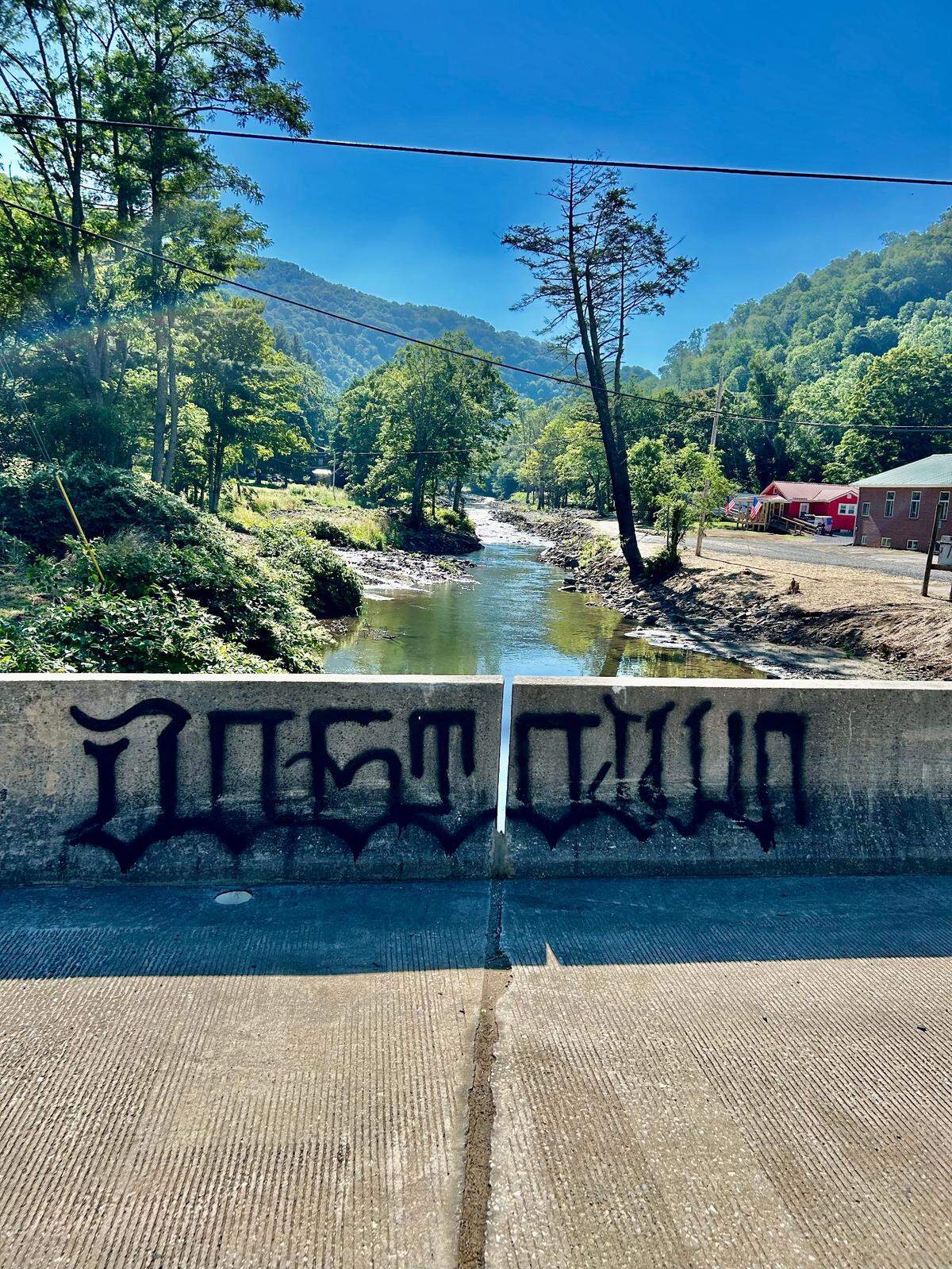
“I’m still worried about the little guy,” he said. “They can’t navigate FEMA. No water. No sewer. Living in a trailer.”
One especially jagged pill for the Tatums came, they said, when their insurance company sent a letter denying their claim only four days after the storm and without ever visiting the property.
They hired a meteorologist in Birmingham, who reported that winds on their land reached 90 mph, noting a telephone pole-sized light post that snapped 10 feet high. On Wednesday, NC Farm Bureau Insurance sent The N&O this statement:
“The devastation from Hurricane Helene was immeasurable and tragic. We extend our sympathies to the Tatums for the significant loss they suffered as a result of Hurricane Helene. We reviewed the Tatums’ claim thoroughly, including reviewing all information provided by the Tatums. We also engaged an outside structural engineer to determine the cause of loss. Based on the engineer’s report, which was shared with Mr. & Mrs. Tatum, their home was destroyed by rapidly moving flood waters, not wind. Unfortunately, as with many families in Western North Carolina, there is no provision in the Tatums’ homeowner policy that covers flood losses.”
Meanwhile, the Tatums heard from Avery County officials, who told them that if they were to ever rebuild on their property, they would have to place the house above the flood level. So Tatum asked where that line would be on the property he has held for 46 years.
“They don’t know,” he said. “But I got to build three foot above it.”
All around them, neighbors are building tiny houses as an alternative. So many resort properties and rentals are getting built in Avery County that the longtime residents can’t afford to buy there anymore.
The Tatums see their many blessings and the ample generosity around them, and they hope their horse farm will see life again — if not in their lifetime.
So for now they point out the willow tree still standing and remember their son got married under its branches, and they are thankful that their “prayer rock” survived the storm along the banks of the North Toe.
And they toss another handful of pellets for the trout, pausing to watch them jump.