Trump targets cashless bail. Are Triangle courthouses vulnerable to new order?
AI-generated summary reviewed by our newsroom.
- Trump's executive order targets jurisdictions with cashless bail policies.
- Triangle prosecutors say NC retains cash bail and likely won’t be at risk.
- Some concern exists about the administration’s standard defining cashless bond use.
With President Donald Trump vowing to strip federal funds from jurisdictions with cashless bail policies, local prosecutors say they don’t expect this state to be on the list of places under threat
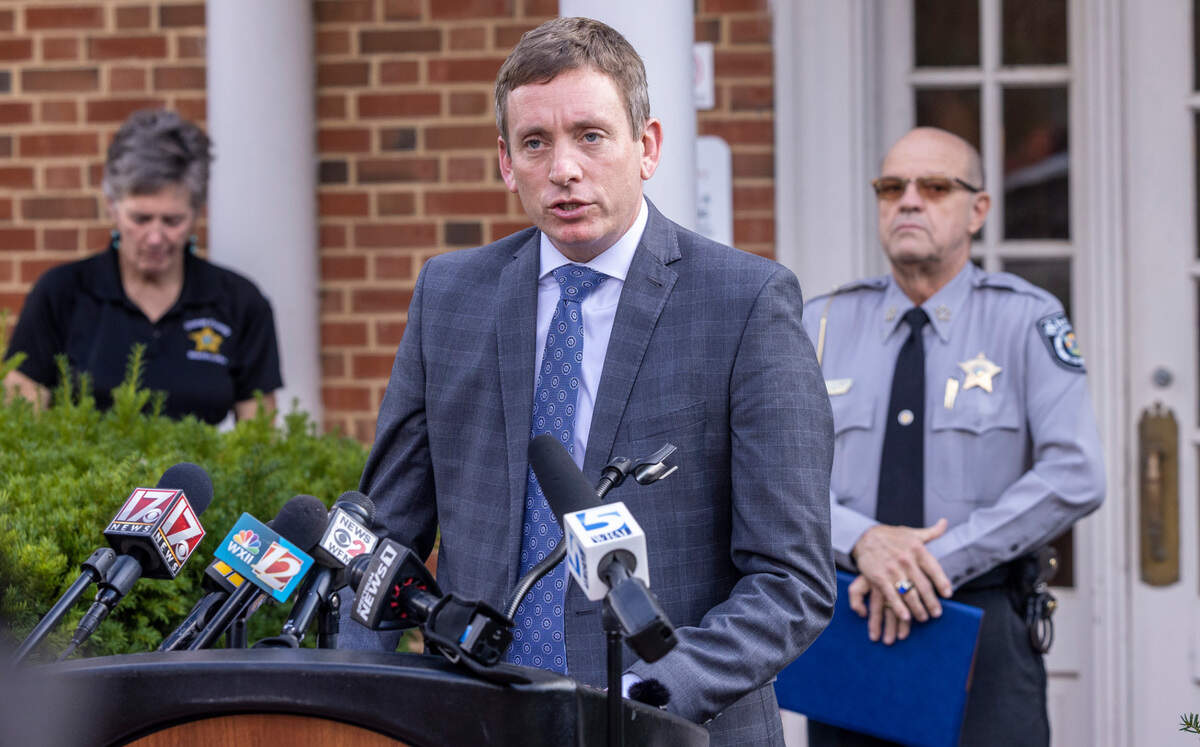
“In North Carolina, we have a cash bail system,” said Orange County District Attorney Jeff Nieman.
That said, local experts, including Triangle district attorneys, say that it’s not yet clear which policies the president’s administration could target.
A new Trump executive order directs Attorney General Pam Bondi to create a list of states and local jurisdictions that have, in her opinion, “substantially eliminated cash bail” for “crimes that pose a clear threat to public safety and order.”
In interviews, Nieman, Wake District Attorney Lorrin Freeman, and Durham District Attorney Satana Deberry said that they don’t expect their jurisdictions to be on the list. But they aren’t sure what the Trump Administration means by “substantially eliminated cash bail.”
Presumably, the order targets jurisdictions that have adopted a no cash bonds policy, but the order’s description sounds much broader, Freeman said.
“It seems a very subjective standard,” she said.
While North Carolina has a money bail system, its statutory guidelines for pretrial release require freeing some people from custody without them paying anything, said Brittany Bromell, an assistant professor of criminal justice at the UNC-Chapel Hill School of Government.
But state law also requires judges to set cash bonds for people whom they deem dangerous or won’t return to court, she said.
Cash bond debate
In North Carolina, a cash bond is one of the five options a judge can require when determining whether and under what circumstances an individual can be released.
A cash bond, also known as a secured bond in North Carolina, requires individuals to pay the amount of the bond, which they will receive back after their case is resolved. They could also seek the services of a bail bonds person, who can take up to 15 % of the bond amount for their payment.
For years, criminal justice officials have debated the impacts of cash bonds and bail reform in North Carolina. Opponents say it punishes poor people who haven’t been convicted of a crime by keeping them in jail, increasing pressure to take plea deals just to get out. The system also adds to the number of people confined in jails, which in many cases face space or staffing shortages.
Proponents of money bail argue that it motivates suspects to return to court and can prevent some individuals from being released, potentially committing more crimes.
The White House fact sheet on the initiative to end cashless bail states the policies “allow dangerous individuals to immediately return to the streets and further endanger law-abiding, hard-working Americans.”
The fact sheet outlined examples of people being let out of jail in New York City, Illinois, and Miami and committing more crimes.
In another executive order signed Monday, Trump outlined steps to end cashless bail specifically in Washington D.C., which eliminated its money bail system in 1992, ABC News reported. Instead, judges turned to risk assessment tools to measure the defendant’s risk to the public.
How NC’s pretrial system works
State law determines what court officials can consider when selecting the conditions when a person is released before trial. They include:
- Requiring a written promise to appear.
- Imposing an unsecured bond, meaning setting a value for the amount of money people will be responsible for if they don’t return to court, but not requiring money up front.
- Placing a person in the custody of another person or organization.
- Imposing a secured bond, which means someone would need to provide money or property before the defendant is released. In North Carolina, the bond isn’t forfeited if the individual commits another crime, but it may be forfeited if they fail to appear in court.
- Electronic monitoring.
State law requires judges or magistrates to impose the first three options, unless they determine the defendant poses a danger to the public or wouldn’t return to court. Officials also consider the severity of the charged offense, the strength of prosecutors’ evidence, previous convictions, family ties, and financial resources, state law says.
If the judicial official determines that the defendant poses a danger to the public, the law requires them to impose a secured bond.
The law also requires each judicial district to establish a bond policy, which serves as a guide for judges and magistrates in courthouses across the state on the amount of bond to be set for each crime, generally.
Different rules might apply to specific cases, such as repeated offenses, domestic violence, or threats of mass violence. Regardless of what the county guidelines say, the pre-trial conditions are ultimately set at the discretion of magistrates and judges.

The recommended bond amounts, set by the senior resident superior court judge and chief district court judge, vary by county. Take Class I felonies, the lowest felony classification possible.
Wake County’s bond policy recommends a bond of up to $10,000 for a Class I felony. The Durham policy recommends a bond between $0 and $1,000 for the same felonies. The Orange policy recommended a written promise to appear.
Judges typically set unsecured bonds for Class I felony charges for possession of cocaine and writing a worthless check, said longtime defense attorney Daniel Meier. They often set secured bonds for assault on a firefighter or EMS, or financial card theft, he said.
Durham discussed cashless bond. What changed?
About six years ago, Durham County officials discussed the idea of implementing a cashless bail system while Deberry was running and after she was elected. She promised significant criminal justice reform.
Senior Resident District Court Judge Orlando Hudson said in 2019 that it was not possible to create a cashless system in North Carolina due to state law. But that year, Hudson and Chief District Court Judge Pat Evans announced Durham’s newest and current bond policy.
Hudson, who is now retired, said at the time the policy minimized cash bonds. Around that same time, Deberry advised Durham prosecutors not to seek cash bonds on most misdemeanor and lower-level felony charges.
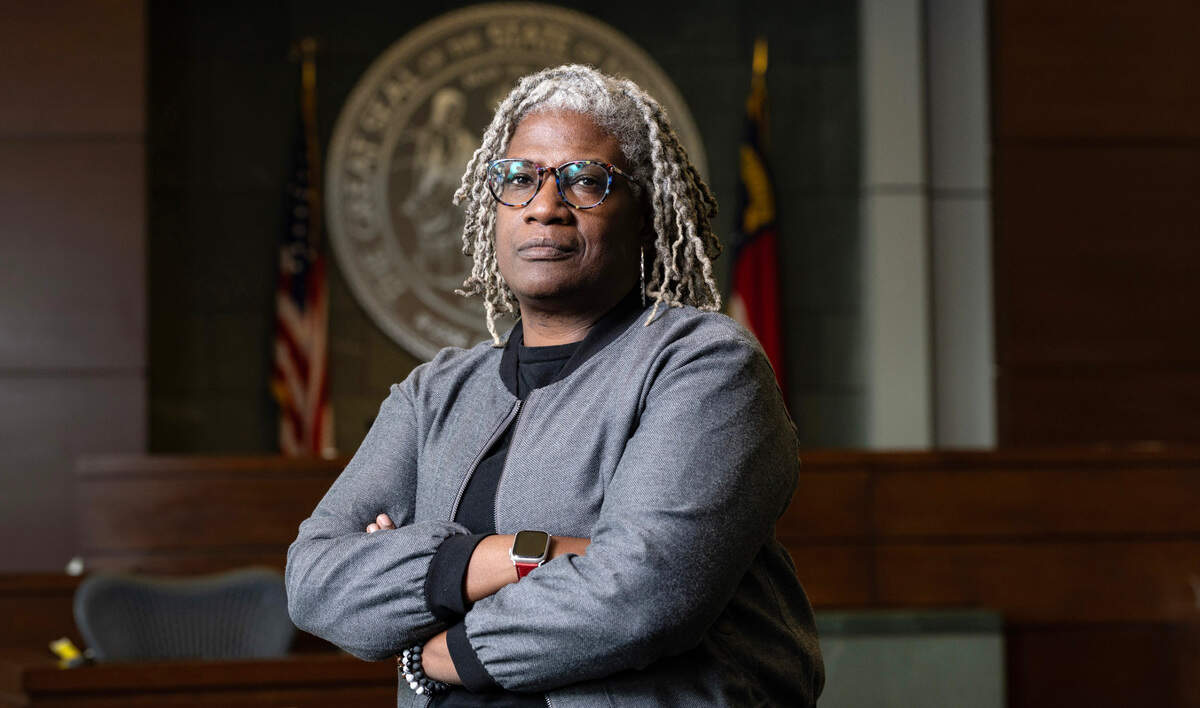
But Hudson’s and Deberry’s policies still recommended bonds for cases involving threats, the use of force, and when someone is considered a danger to the public.
Meier said he didn’t notice a significant change in the bond amounts that judges set. Officials, however, did a better job of preventing defendants from sitting in jail for a month on bonds ranging from $1,000 to $3,000.
“Certainly, the more serious bonds, people were still getting, $10,000, $25,000, $100,000, a million,” he said. “But you stopped seeing people being held on those low ones, which is kind of the point.”
Virginia Bridges covers criminal justice in the Triangle and across North Carolina for The News & Observer. Her work is produced with financial support from the nonprofit The Just Trust. The N&O maintains full editorial control of its journalism.
This story was originally published August 29, 2025 at 5:30 AM.