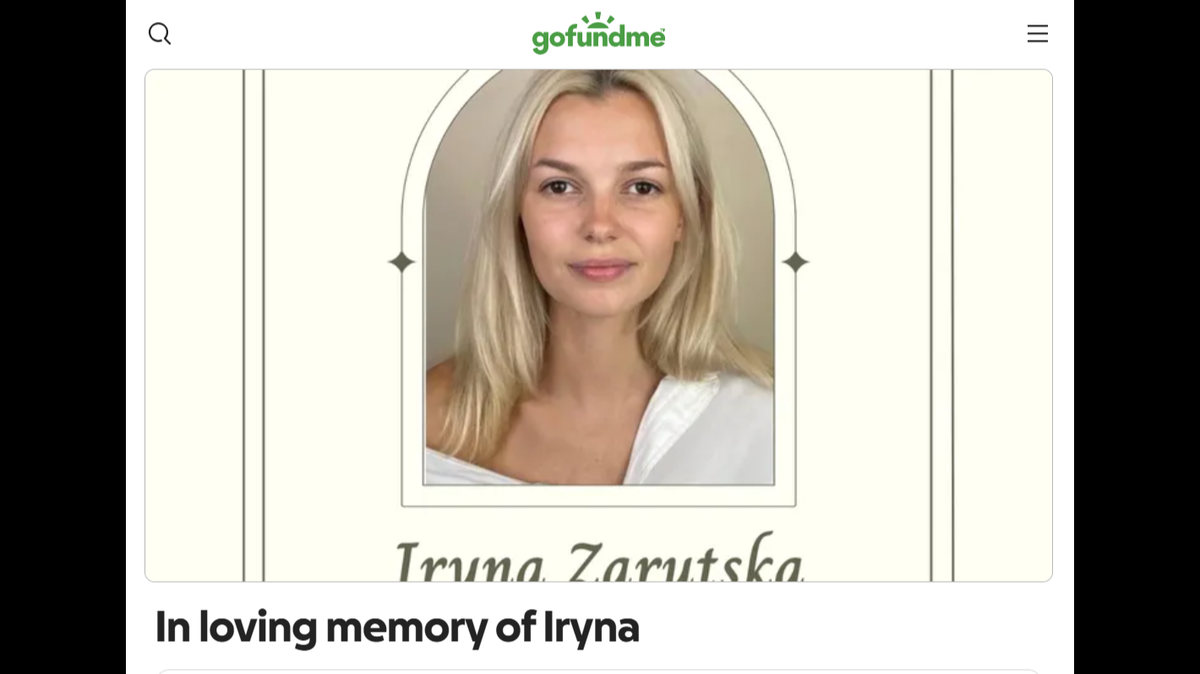
If you’re going to remember Iryna Zarutska, her family hopes it’s more like this
READ MORE
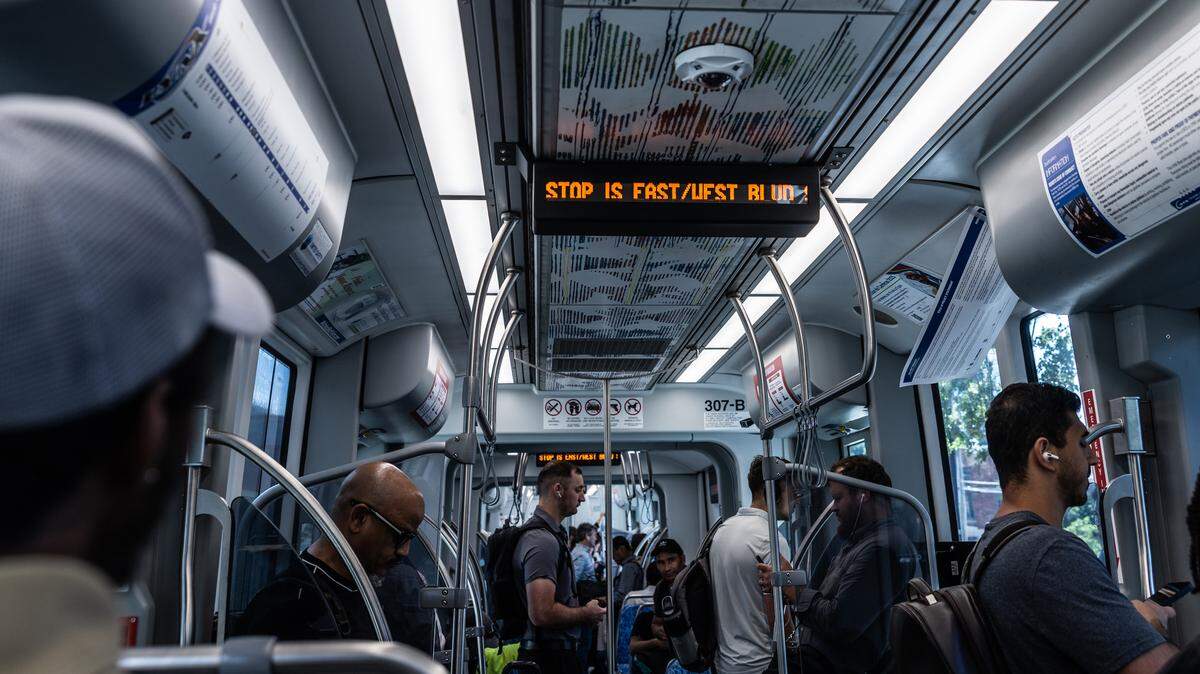
Charlotte light rail train stabbing
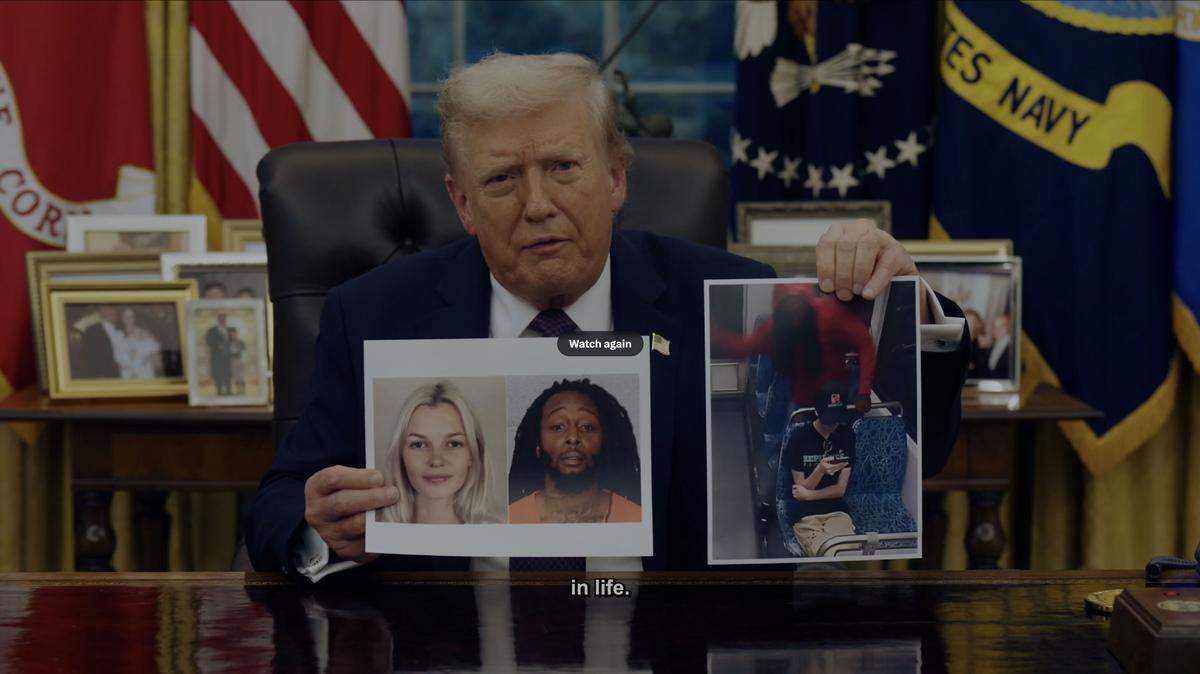
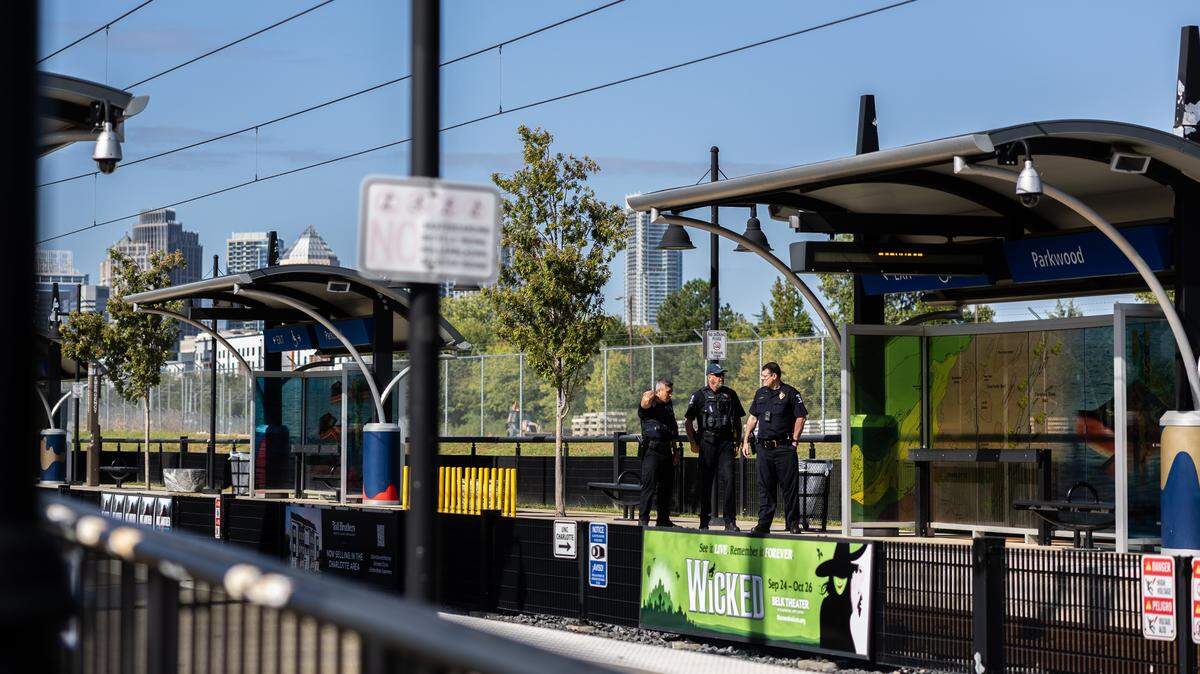
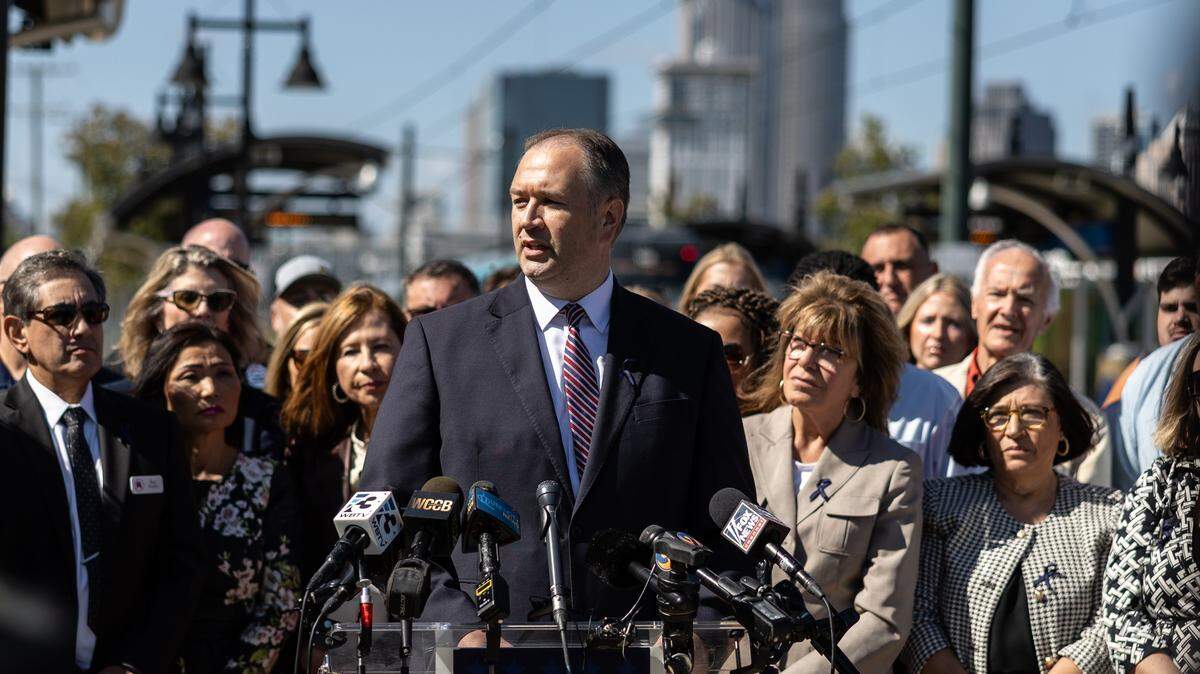
A 23-year-old Ukrainian refugee, Iryna Zarutska, was fatally stabbed on Aug. 22 on the light rail line in Charlotte’s South End. 34-year-old DeCarlos Brown Jr., who has a reported history of mental health issues, is charged in the killing. Zarutska’s death has received national attention, with public comments from President Donald Trump, Elon Musk, and Charlotte officials.
Expand All
Time, in its excruciatingly slow and painful way, had just barely begun to heal Iryna Zarutska’s family.
Two weeks had passed since her Aug. 22 murder on the Charlotte light rail train. The 23-year-old Ukrainian refugee had been memorialized, buried, and her family had taken what comfort it could from neighbors, friends, and the Ukrainian community. They were far from a good place, but they were no longer in a terrible one.
Then came the videos.
The first, released Sept. 5, was brutal enough. Just a few days later, when Iryna Zarutska’s uncle saw the longer version — the one that revealed the moments after she had been attacked — he immediately opened up his messaging app and started a new text: “‘There’s a second video. Do not watch it,’” Scott Haskell warned his wife, Valeria, whose brother is Iryna’s father and who herself immigrated to the U.S. from Ukraine more than 25 years ago.
He was too late. Valeria had already been sent links by others, and they’d auto-played; and before she could stop them, she’d seen the raw images that showed her niece — who in the last three years had become perhaps her closest friend on earth — suffering a fate the vast majority of us can only see our loved ones suffering in our most excruciating nightmares.
Never mind the fact that pretty much everyone with a social-media account was seeing the same video, in some cases sharing it, in some cases reducing Iryna to a political football.
“It’s actually taken her,” Scott Haskell says of his wife, “to a worse place than she was when we first learned about her murder. ...
“It’s been exceptionally tough on her, and the rest of the family.”
In fact, Iryna’s closest Ukrainian relatives have largely avoided the media since her death, due perhaps in part to a language barrier, but mainly because this combination of fresh horror and grief is too intense. As a result, it’s been difficult for journalists to describe Iryna in ways that go beyond what was in her obituary, or on social media, or what those who only knew her in passing have said.
But Scott — an American manufacturing manager who married into the family — spent an hour with The Charlotte Observer recently and provided the fullest picture yet of Iryna, in the hopes that the focus might shift away from the ugly death she died.
And, instead, toward the beautiful life she lived.
The difficult decision to leave Ukraine
Iryna almost decided to remain in Ukraine with her father, who had no choice but to stay.
As was the case for scores of Ukrainians in Kyiv, life became fraught for the Zarutskas after the war with Russia broke out and routine bombings of the capital began.
For months, they lived in a tightly quartered bomb shelter, risking only occasional visits back to their apartment, primarily just to make sure it hadn’t been disturbed — or, worse, destroyed. Meanwhile, in the U.S., extended family members were trying to raise the money and lay the groundwork via the Department of Homeland Security’s “Uniting for Ukraine” program to get Iryna, her mother Anna, her younger sister Val and her younger brother Bohdan around the globe to Huntersville, where Scott and Valeria Haskell could host them.
In any event, the family patriarch, Stas, would be unable to join them, due to mandatory conscription requirements that forbid Ukrainian men between the ages of 18 to 60 from leaving the country — and Iryna, who was extraordinarily close to her father and at the time already an adult capable of making the decision herself, initially was set on resisting a move.
Ultimately, her mother was able to convince Iryna it wasn’t safe for her in Kyiv.
So, the four fled in August 2022, first via ground transport to Warsaw in Poland, then by getting onto a plane bound for the United States.
None of the Zarutskas had ever flown before, or been outside of their home country at all. None spoke English. They arrived at the Charlotte airport feeling, understandably, a mixture of relief, excitement and fear.
But the Haskells and their close-knit community in Huntersville were ready to make them feel welcome. Valeria was able to do any translating, and with help from furniture donated by neighbors the Haskells converted their three-bedroom house into a five-bedroom house to accommodate the Zarutskas along with themselves, Valeria’s adult daughter, and three dogs. It was, as Scott describes it, “kind of like ‘The Brady Bunch’ here.”
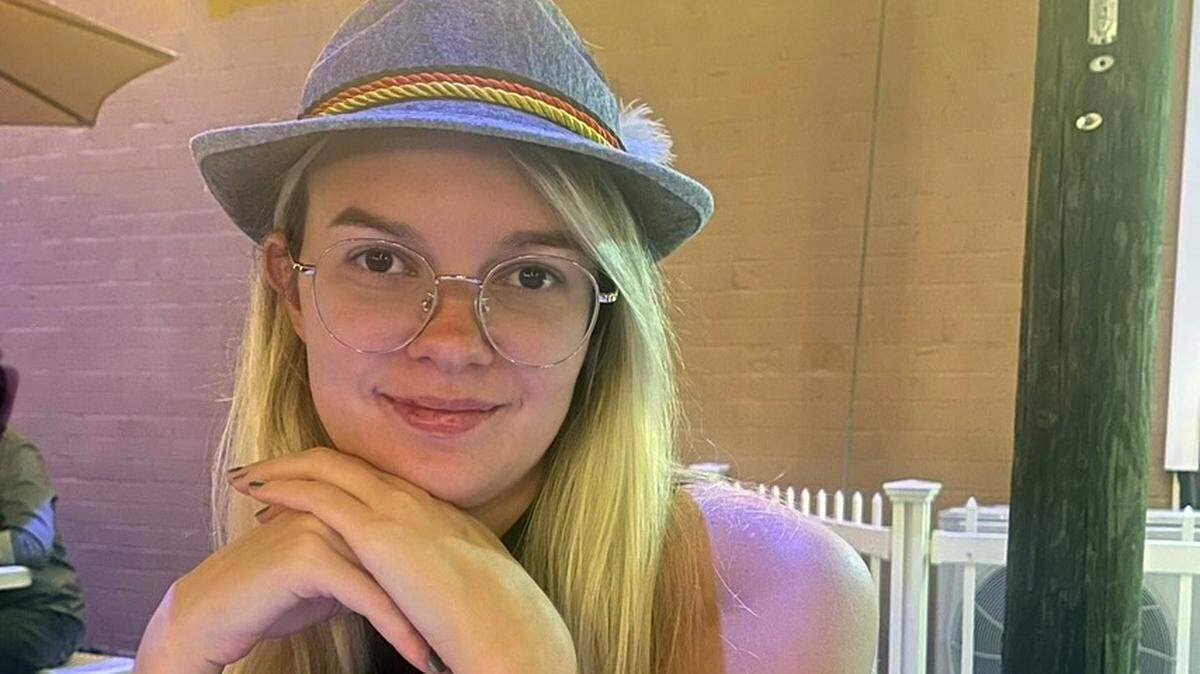
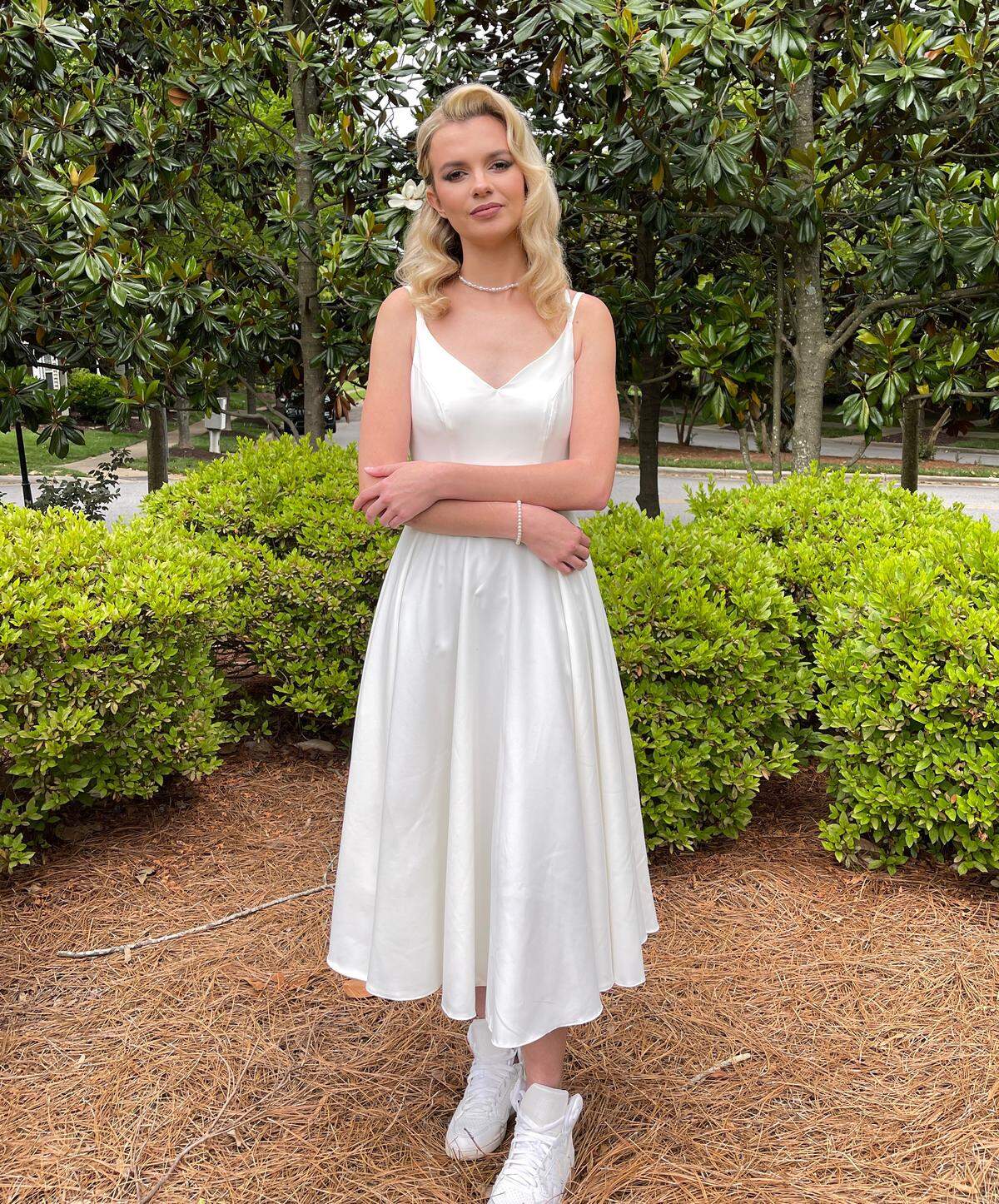
And in this “Bunch,” Iryna played the role of the popular eldest sister: confident, beautiful, noble, and — perhaps above all else — full of ambition.
‘She knew more people here than I did’
Both Iryna and her mom were eager to get a work permit as soon as possible. They wanted to get acclimated. They wanted some income. They also just wanted to feel useful.
While waiting for that monthslong process to play out, a neighbor got wind that Iryna was taking English lessons through Rowan-Cabarrus Community College but was doing all of her coursework on her iPhone; so the neighbor donated a couple of computers to the family, and Iryna settled into a much more efficient learning routine.
Then once their permits were approved, Iryna and Anna both were able to land jobs working in housekeeping at a retirement community, a little over a mile from the Haskells’ home.
Neither was anywhere close to having a driver’s license at that point, and at first they commuted on foot. That concept actually wasn’t at all foreign to them — back in Kyiv, like the majority of citizens, the Zarutskas used public transportation to get virtually everywhere and didn’t own a car. But one day while Scott was driving his, he spotted Iryna and Anna walking home, and after picking them up, his niece asked him, “Is there a better way?”
And there was: He wound up giving Anna his bicycle and bought a second one for Iryna from a neighbor at a yard sale. After that, they rode their bikes to work every day.
Iryna’s world grew bigger, gradually, from there.
Toward the end of 2023, she moved on to a job at a sandwich shop in Huntersville, thinking it would bring her a little closer to her love of culinary arts. (Her home-cooked specialties, Scott says, included katleti, piroshki and borscht, recipes she learned from her mom.)
She was stockpiling money from her “real” jobs, but also from odd ones she did around the neighborhood. When someone would post on the community Facebook page about needing a dog sitter, or a babysitter, Valeria would offer to connect the person with her niece. Iryna also was a creative spirit who had an art and restoration degree from Synergy College in Kyiv, and at one point was hired by a neighbor to paint a collection of pastel decorations on the walls inside her home.
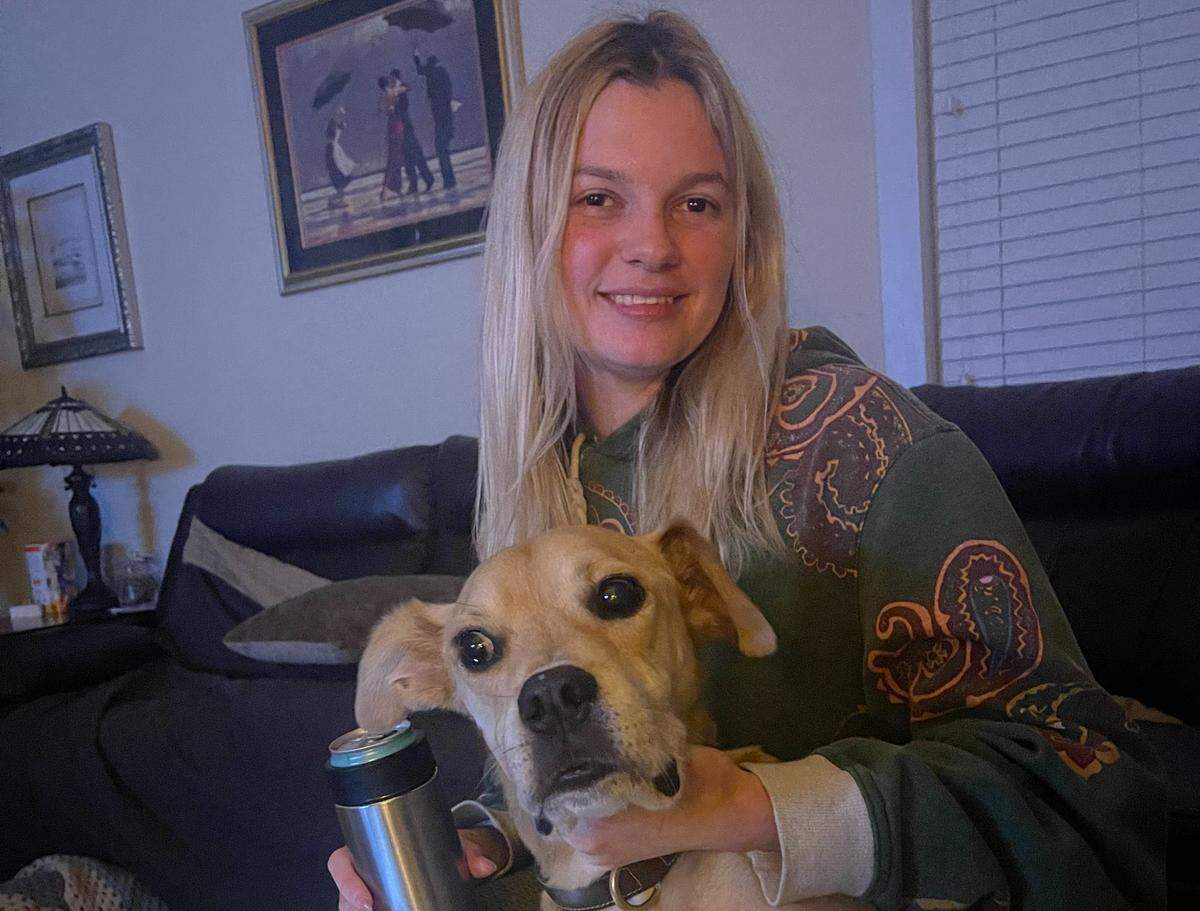
Between all that and the regular excursions she took along its sidewalks and walking trails — sometimes with all three of the Haskells’ dogs on leads but most often with her favorite, a Labrador mix named Teddy — she was a warm, friendly fixture in the neighborhood.
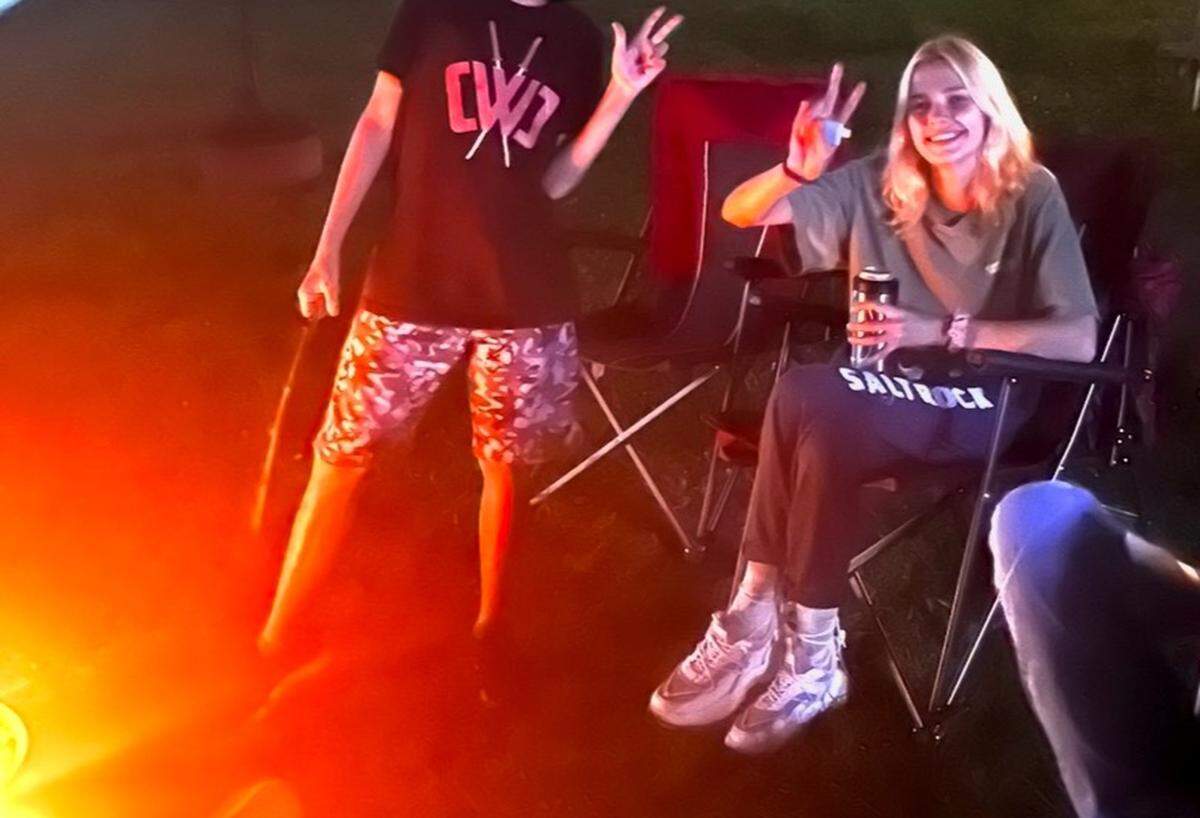
“I mean, she knew more people in my neighborhood than I did,” Scott says. “And she made an impression.” Everyone seemed not to simply like her, but to absolutely adore her.
The same rule applied in her growing social circles. She made friends both in her native language, through the local Ukrainian community, as well as in the tongue she was trying to learn as fast as possible, adeptly using translation tools on her phone to do what she could to forge bonds with English- and Spanish-speaking co-workers.
She also was gradually trying to explore her adopted home country, making trips with her new friends to Myrtle Beach here, to the mountains with family there.
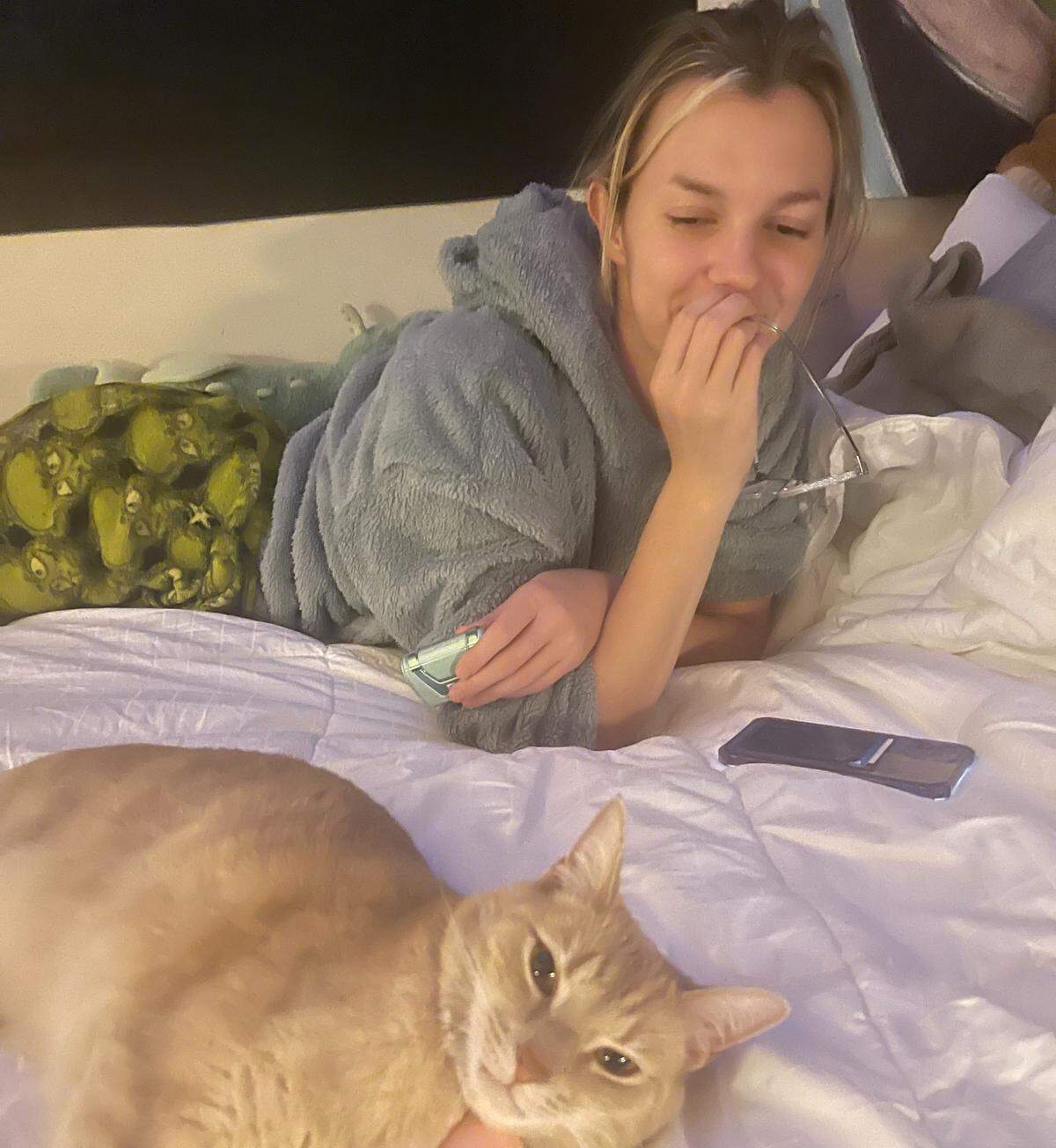
At the same time, Iryna also was a notorious homebody who often seemed happiest just spending time with family or curling up on the couch or her bed with her sketchbook.
She also could be a champion sleeper when she wanted to be. “Sometimes I didn’t even know she was at the house ’cause she was in bed,” Scott says. She’d emerge from her room at noon on occasion, and he’d be like, “Where did you come from?? Thought you were at work!”
“She just felt very, very safe here (at home).”
A big move toward the American dream
In the spring of 2024, Anna and the two younger kids moved out of the Haskells’ house and into their own home, to give them all a little more space.
Iryna stayed with her aunt and uncle, though, primarily because it was an easy bike ride to her job at the sandwich shop.
Over the next year, Iryna and Valeria — who hadn’t seen each other in 15 years prior to Iryna’s family coming to America — became closer and closer. Sometimes they would sit on the porch for hours just talking, about life, about dreams.
In those dreams, Iryna saw herself turning her love of animals into a career as a veterinary assistant; envisioned buying a house of her own, near her family; visualized traveling the world; and imagined turning the biggest room she could into a studio where she could draw, and sculpt, and pour her heart into art inspired by all the places she had visited.
And in her pursuit of those dreams, Scott served as a surrogate father, even when they had to rely heavily on Google Translate to communicate. He was her problem-solver, her guidance counselor, her personal chauffeur when he could swing it, and briefly — before passing the responsibility along to her boyfriend — her driving instructor.
Then in May of this year, as she and Valeria both unsuccessfully fought back tears, Iryna moved out to live with her boyfriend in an apartment right off the light rail’s 36th Street Station in NoDa.
Whatever fresh homesickness she may have felt, though, Iryna was excited to be drawing closer to her dream.
Her new neighborhood was brimming with creative energy, with eclectic art, with sumptuous food. Being on the light rail opened up her world even more, and she got a new job as a cashier at Zeppedie’s Pizzeria, a dozen stops down the line, in LoSo. In relatively short order, she was promoted to line cook.
Meanwhile, she’d saved enough to start planning a big trip to Miami with her boyfriend; but much more significantly, she’d recently used her savings to buy the first car of anyone in her family, an older-model Cadillac, that her boyfriend was teaching her how to drive.
About a week before she was killed, her uncle texted Iryna to ask how she was doing. Her reply brimmed with enthusiasm.
“Everything is great,” she wrote. “In October, I have an appointment for the first time to pass the driving test. I’m very excited about it. Soon, I’ll be able to come visit you and Valeria on my own. I miss you guys so much.”
“That’s awesome news,” Scott replied. “Very proud of you.”
“Thank you,” Iryna said. “Without your help, I would not have been able to achieve this. I’m very grateful to you for helping me with this.”
Scott sent this back: “Glad to help, but YOU did it.”
It’s the last exchange they ever had.
How will Iryna Zarutska be remembered?
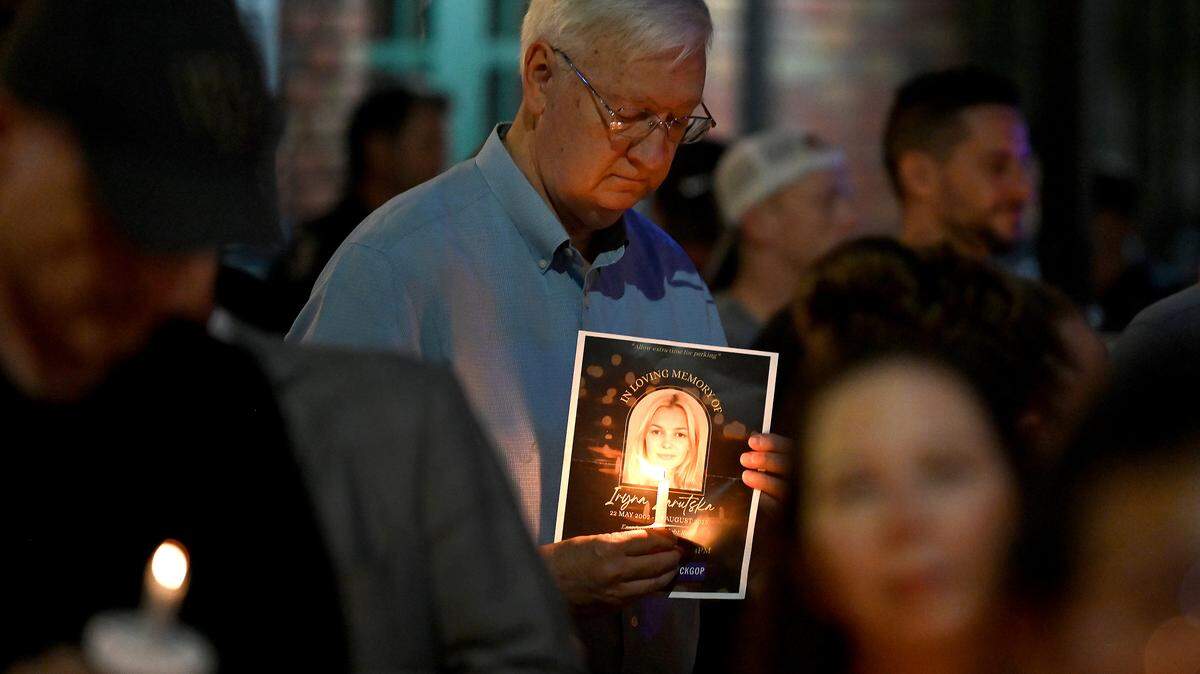
Iryna’s father, still bound by the conscription laws, could only watch her memorial service through pixels.
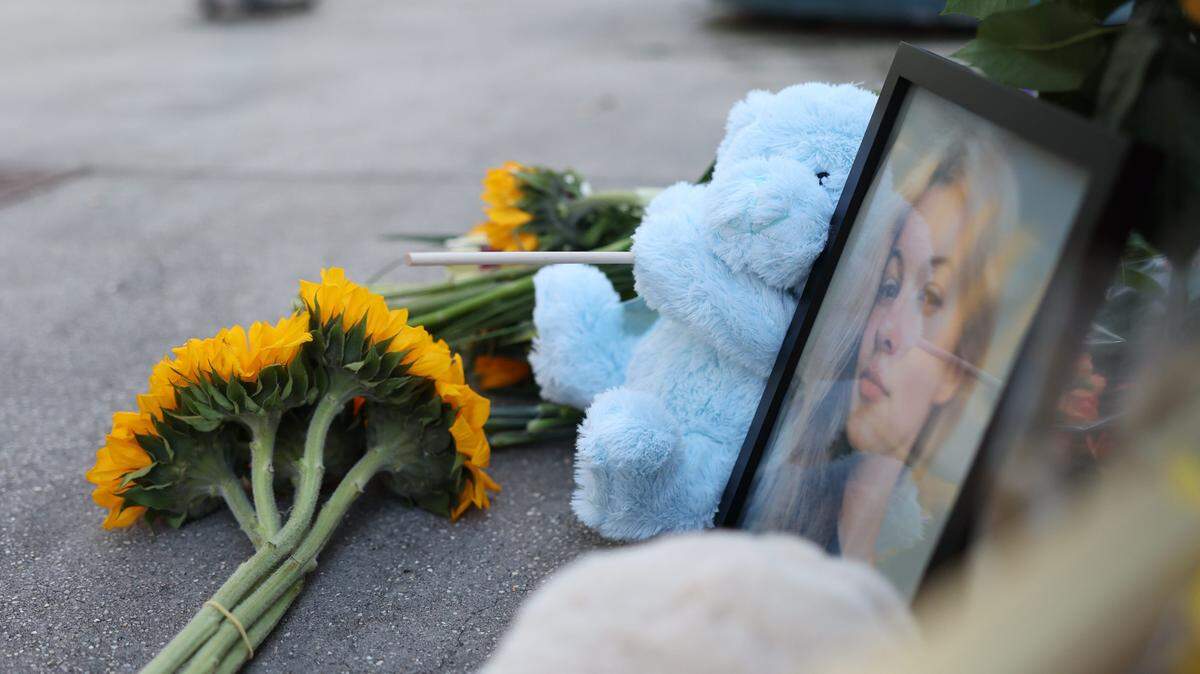
During her funeral, Anna got on a video call with her husband Stas and held up the phone so he could see Iryna laying in her open casket before the mass of friends and family arrived.
Anna stayed on the call with him for the duration, and through tears, he got a glimpse of the impact Iryna and her mother had made in America. A prime example: The retirement community that gave Iryna her first job ferried residents who remembered Iryna or who know Anna (she still works there) to James Funeral Home by the dozens, shuttle-busload after shuttle-busload. In all, more than a hundred people came through to pay their respects, the family estimates.
The embassy of Ukraine reached out to the Zarutskas to offer their own condolences, in addition to assistance with bringing Iryna’s remains back to Kyiv.
But Anna declined. “Iryna loved the United States,” Scott says, in explaining her mother’s thinking. “The last three years were really the best years of her life. She was very, very happy here. This is where she wanted to be. And so at (her mother’s) directive ... we buried her here.”
The family is still trying to decide what to engrave on her headstone. Perhaps a rendering of one of Iryna’s favorite tattoos, or maybe something inspired by artwork left in her old room at her aunt and uncle’s — a sketch of an animal, or a flower, or some other artistic flourish — all of which is being left untouched until 40 days after her passing, per their cultural tradition.
Whatever it is, they hope to keep the site of her grave as private as they can.
As far as what the public can see? They’ve come to realize there’s not much they can control.
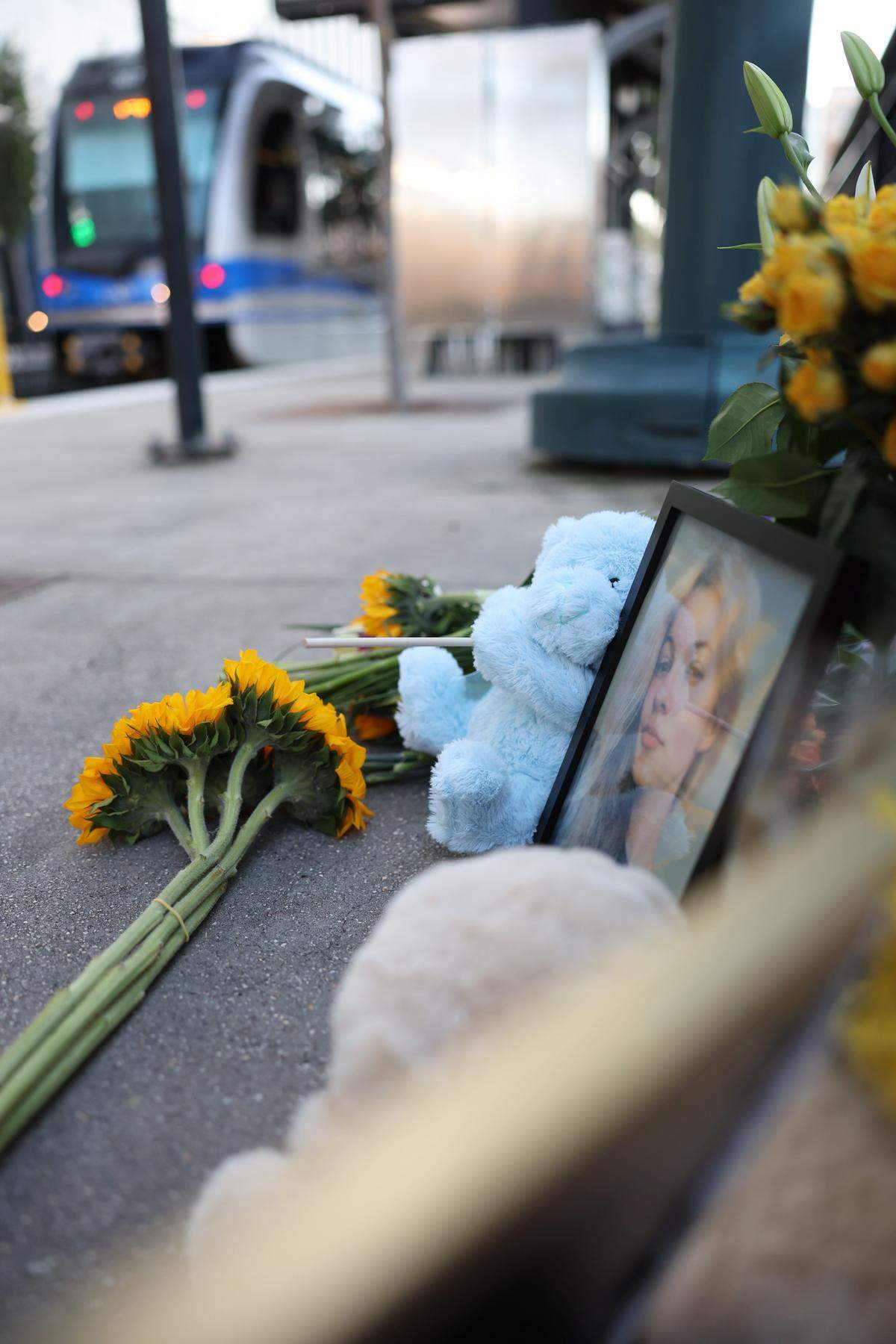
All they can hope for is that time will start to heal them again — and if there’s an image of Iryna that endures, it’s one of her smiling.
This story was originally published September 16, 2025 at 5:00 AM with the headline "If you’re going to remember Iryna Zarutska, her family hopes it’s more like this."




.png)