
Will NC see a snowy winter? Here’s what old wives’ tales (+ forecasters) say
AI-generated summary reviewed by our newsroom.
- Folklore-based winter predictions lack scientific support, experts confirm.
- Thunder in winter shows partial accuracy, with snow following 40% of the time.
- NWS forecasts warmer temperatures; Almanac expects snowier North Carolina winter.
From oddly shaped persimmon seeds to taller than normal ant hills, there are plenty of old wives’ tales said to signal winter weather is on the horizon.
But how reliable is this lore? And should North Carolinians hold out hope for snow?
The Charlotte Observer spoke with a few experts to debunk these myths as we head into the colder months.
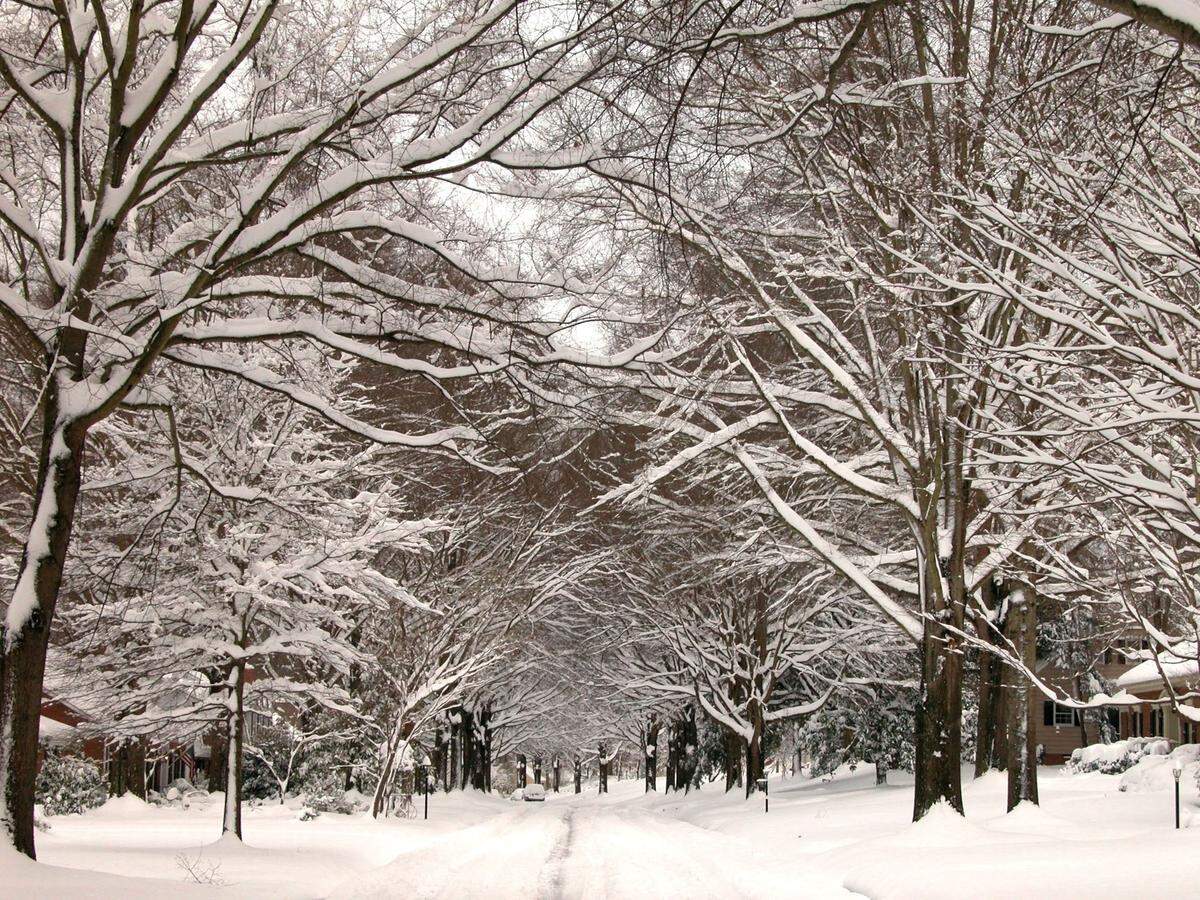
Here’s what winter weather lovers should know.
Old wives’ tales predicting snow
There’s no shortage of old wives’ tales claiming to predict wintry weather. These are just a few from The Old Farmer’s Almanac you may have heard of:
- Nuts and berries: A heavy drop of acorns means a cold winter is coming. Likewise, a heavy crop of walnuts and/or berries signal a cold, snowy winter. Bundle up!
- Persimmon seeds: The seeds of the petite orange fruits are said to have clues about the weather. If the kernel is spoon-shaped, expect plenty of snow. Fork-shaped seeds predict mild winters with light snow, while knife-shaped seeds means prep for icy winds that will “cut like a blade,” The Old Farmer’s Almanac says.
- Thunder in winter: It’s been believed that if it thunders in winter, expect snow seven days later.
- Woolly worms: The caterpillars, known for their distinctive black and rust-colored segments, have long been said to predict the coming winter weather. Legend says that the wider the black bands, the more severe the winter will be.
- Squirrels: Old folklore says if squirrels stash their nuts high up in the trees, the snow will be deep.
- Wild turkeys: Birds have also been used to predict winter weather. In the case of turkeys, perching in the trees could signal snowfall, folklore says.
- Hornets and ant hills: There’s an old wives’ tale that says, “As high as the hornets build their nests, so will the snow be next winter,” according to The Old Farmer’s Almanac. High ant hills are also said to predict snowy winters.
- Mushrooms: Mushrooms galore means “much snow in store,” the almanac says. What if there are no mushrooms at all? Don’t expect any snow to fall, folklore says.
Are these tall tales reliable for forecasting snowy weather?
Weather folklore is fun, but is there any truth to them?
“In a word, no,” Patrick Moore, lead meteorologist at the National Weather Service office in Greenville-Spartanburg, South Carolina, told The Charlotte Observer. The office provides local forecasts for Charlotte and surrounding areas.
“I’m not aware of any correlation between these biological markers and ... above or below normal snowfall,” he said, noting that these myths are generally unreliable when it comes to weather forecasts.
There is one that holds some truth, though.
“This notion about if you hear thunder (in the winter months), that you’ll get snow within 10 days,” Moore said. After combing over climatological data from the last 30 years, the meteorologist said he found the lore was partly true, with snow falling “about 40% of the time.”
The basis for the phenomenon usually starts with a cold front.
“A cold front comes through and triggers thunderstorms,” Moore explained. “Behind the cold front, you get the artic air mass that comes in brings the cold air — cold enough to snow. That lingers, and then another storm comes along and you get snow.”
Will snow fall in NC in this winter?
Longing for a winter wonderland? You could be in luck this year.
The latest winter weather outlook from the Old Farmer’s Almanac predicts “a snowy winter with colder than normal temperatures” for North Carolina, the Raleigh News & Observer reported. The forecast shows the most frigid days could occur in mid-to-late December or early to late January.
Colder-than-usual days could also stretch into early February, the forecast says.

As for snow, larger amounts are expected to fall in the Carolinas this winter, the Old Farmer’s Almanac says. Other regions that could see snow include the southern Appalachians and eastern Ohio Valley.
That’s just one prediction, however. The most recent seasonal outlook from NWS Greenville-Spartanburg shows above average temperatures and near normal precipitation for the Carolinas this winter, according to Moore.
There’s also the chance for a La Niña winter, which could reduce the region’s chance for snow. The seasonal weather pattern is characterized by cooler than normal sea surface temperatures and fewer low pressure systems, which means fewer chances for precipitation, according to the NOAA Climate Prediction Center.
“Temperatures also tend to be a bit above normal,” Moore told the Observer. “So it’s a little less favorable for snow overall, but that doesn’t mean you can’t get a big storm.”
This story was originally published September 23, 2025 at 8:30 AM with the headline "Will NC see a snowy winter? Here’s what old wives’ tales (+ forecasters) say."