Will NC get snow this winter? Here’s what the farmers’ almanacs forecast
AI-generated summary reviewed by our newsroom.
- Old Farmer’s Almanac predicts colder, snowier NC winter in 2025 season.
- Farmers’ Almanac expects average temperatures with more precipitation.
- NOAA forecasts warmer fall, but lacks detailed winter predictions.
North Carolinians who long for a snowy winter may be in luck.
The Old Farmer’s Almanac recently released its winter forecast, and in North Carolina, the almanac predicts a snowy winter with colder-than-normal temperatures.
In Raleigh, the average minimum temperature in December is around 34 degrees, historically, and the average high temperature is about 55 degrees. Average high and low temperatures for the Charlotte area in December are almost the same, 54.9 degrees and 34.5 degrees, respectively.
January is usually even colder in both areas, where average maximum temperatures have historically been more than 2.5 degrees colder, compared to December. Average minimum temperatures in both places dip below freezing in January.
So if the Old Farmer’s Almanac is right in its prediction that the coldest days in North Carolina will come in mid-to-late December, early and late January and early February, our coats and mittens will be getting a lot action this winter.
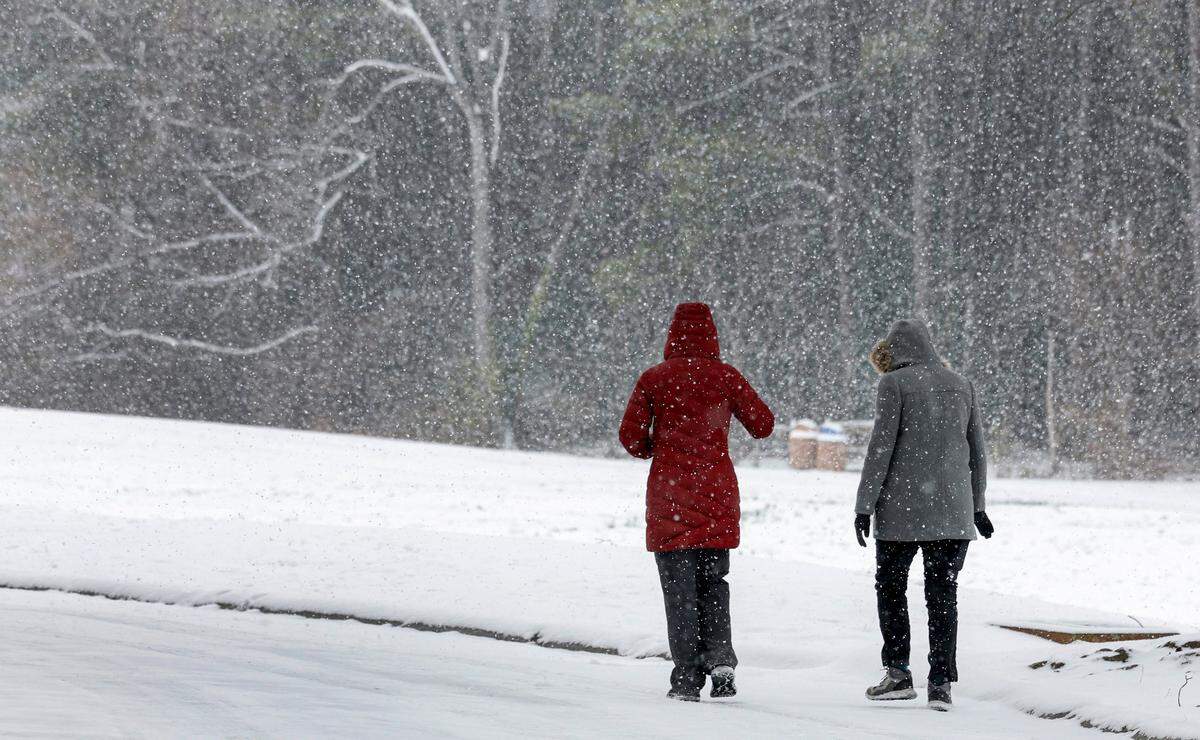
NC winter weather
Don’t confuse the Old Farmer’s Almanac with the Farmers’ Almanac. They are separate publications with differing forecasts.
The Farmers’ Almanac, established in 1818, predicts average temperatures and more precipitation in North Carolina this winter.
The National Oceanic and Atmospheric Administration’s Climate Prediction Center has only released a seasonal forecast through November, predicting above-normal temperatures for September, October and November.
In September, when the peak of Atlantic hurricane season occurs, most of central and eastern North Carolina is expected to get above-normal precipitation, according to the Climate Prediction Center. But for the three-month period ending in November, meteorologists said there are equal chances for above-normal versus below-normal precipitation.
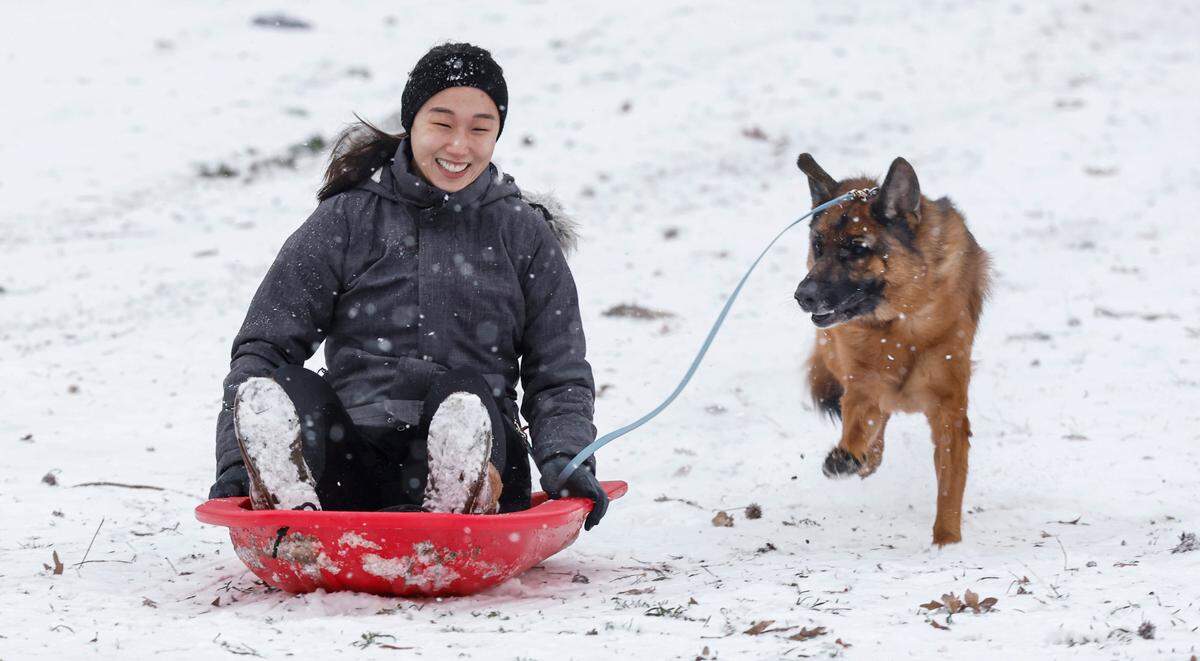
Should you trust Farmers’ Almanac forecasts?
Both the Old Farmer’s Almanac, which has been in publication since 1792, and the Farmers’ Almanac accurately called the snow that fell across the Triangle in late February.
The Old Farmer’s Almanac says it uses solar science, the study of sunspots — which are magnetic storms on the sun’s surface — and other solar activity, climatology and meteorology to make its forecasts. A Scientific American article from 2023 reported that the Old Farmer’s Almanac also analyzes long-distance and long-term atmospheric patterns such as El Nino and La Nina.
The Farmers’ Almanac says its forecasts are formed using a formula that considers sunspots, the motion of the moon, fluctuations in the environment, meteorological conditions and other “proprietary factors.” According to Scientific American, the Farmers’ Almanac considers tidal action and winds in the stratosphere over the equator.
Unlike these almanacs, NOAA doesn’t make specific long-range forecasts. Meteorologists with the National Weather Service won’t issue daily temperature and precipitation expectations for their areas more than about a week in advance.
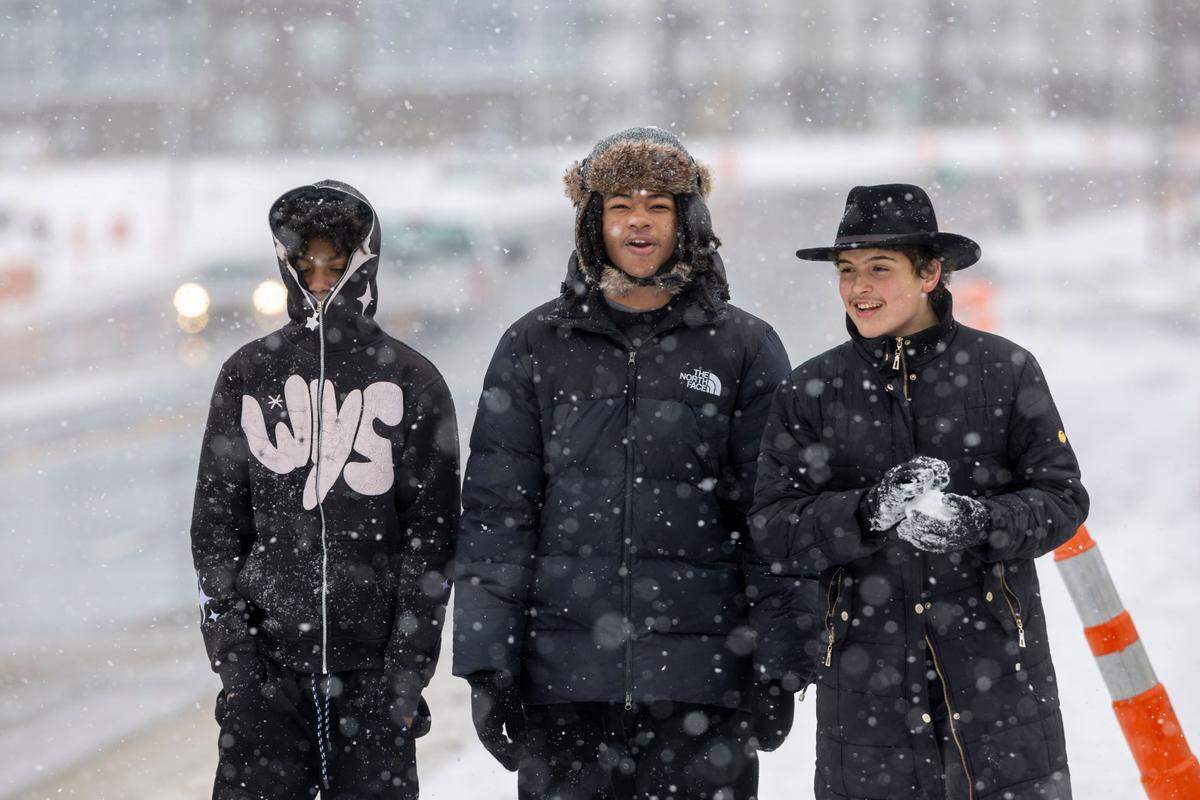
Farmers almanac 2024 winter forecast
In its forecast for last winter, the Old Farmer’s Almanac predicted warmer than average and snowy weather for western North Carolina, a mild and wet winter for the central part of the state, and cooler and wetter winter in the east.
It also predicted above-average snowfall for the Southeastern United States, and it did end up snowing in January and February in the Triangle.
The Farmers’ Almanac didn’t mention snow in its forecast for North Carolina until February.
The News & Observer’s Martha Quillin contributed to this story.
This story was originally published September 2, 2025 at 9:29 AM.