Why are people blowing whistles during Border Patrol raids in NC? What to know
AI-generated summary reviewed by our newsroom.
- Community groups popularized whistle alerts in Chicago and spread them nationwide.
- Whistles signal agent presence, alerting people to avoid or move toward the area.
- Filming federal agents, another way of reporting activity, is a First Amendment right.
As Department of Homeland Security agents enter cities across the country, including in North Carolina, to make arrests, people are pushing back with an audible alert system.
Some onlookers who see Border Patrol or U.S. Immigration and Customs Enforcement agents in an area or making arrests have started using whistles to notify anyone nearby of the activity.
The trend gained momentum in the Chicago area this year and has been spreading to communities across the country — including in the Triangle.
Blowing whistles during ICE, Border Patrol raids
Chicago groups including Little Village Community Council and Pilsen Arts & Community House have taken the lead on educating the public about the whistle system.
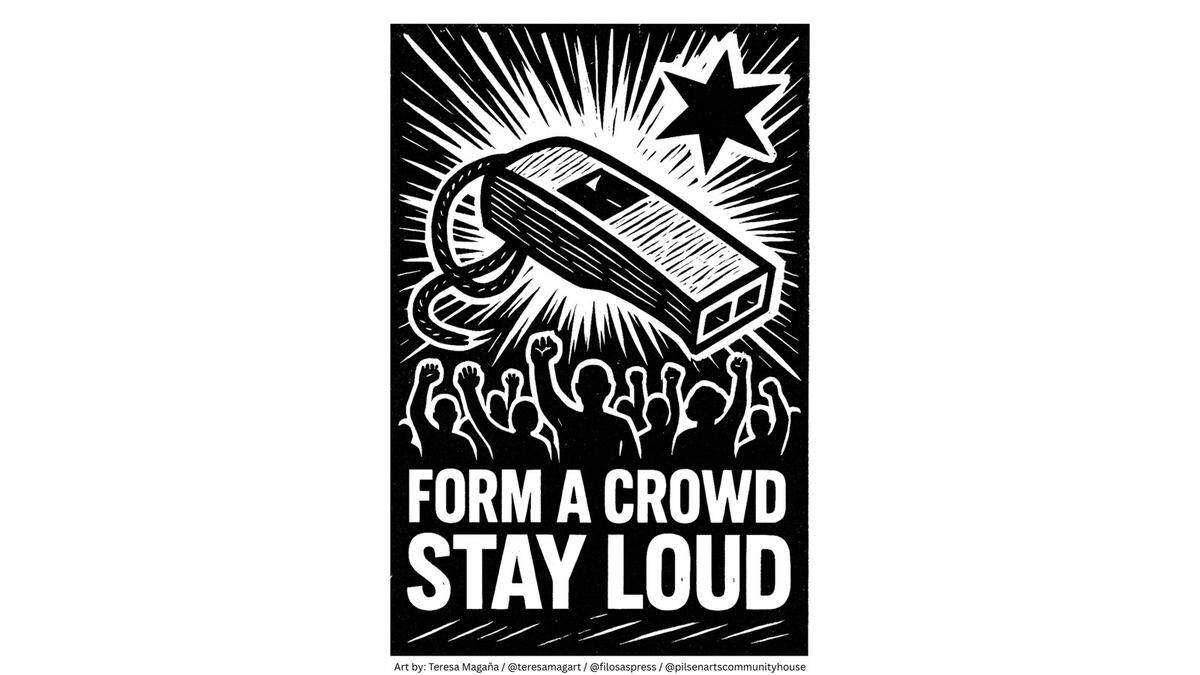
The community council met virtually with North Carolina political and nonprofit leaders recently, discussing, among other topics, the whistle campaign, the Chicago Sun-Times reported. Pilsen Arts & Community House has received questions about its whistle resources, including its zine, which provides instructions on how and why to use whistles.
These noisemakers are “Loud. Recognizable. Impossible to ignore,” Pilsen’s zines and flyers say.
How to use whistles during ICE raids
Two types of whistle blows indicate different spottings.
- Blowing whistles in short bursts alerts people that agents are in the area.
- Blowing whistles in a long blast alerts people that agents are detaining someone.
In response to the whistles, bystanders can either move to safety or, to help spread awareness of agents in the area, head toward the sound and form a crowd.
Pilsen Arts & Community House encourages people to wear whistles around their necks and teach friends and family what the codes mean.
Many people are also recording videos of interactions with federal agents and posting them online. Filming agents in public spaces such as federal buildings and police stations is a right guaranteed by the First Amendment; interfering with law enforcement operations is not allowed, however, and ignoring agents’ orders to stop filming may lead to penalties.
Border Patrol, ICE in NC
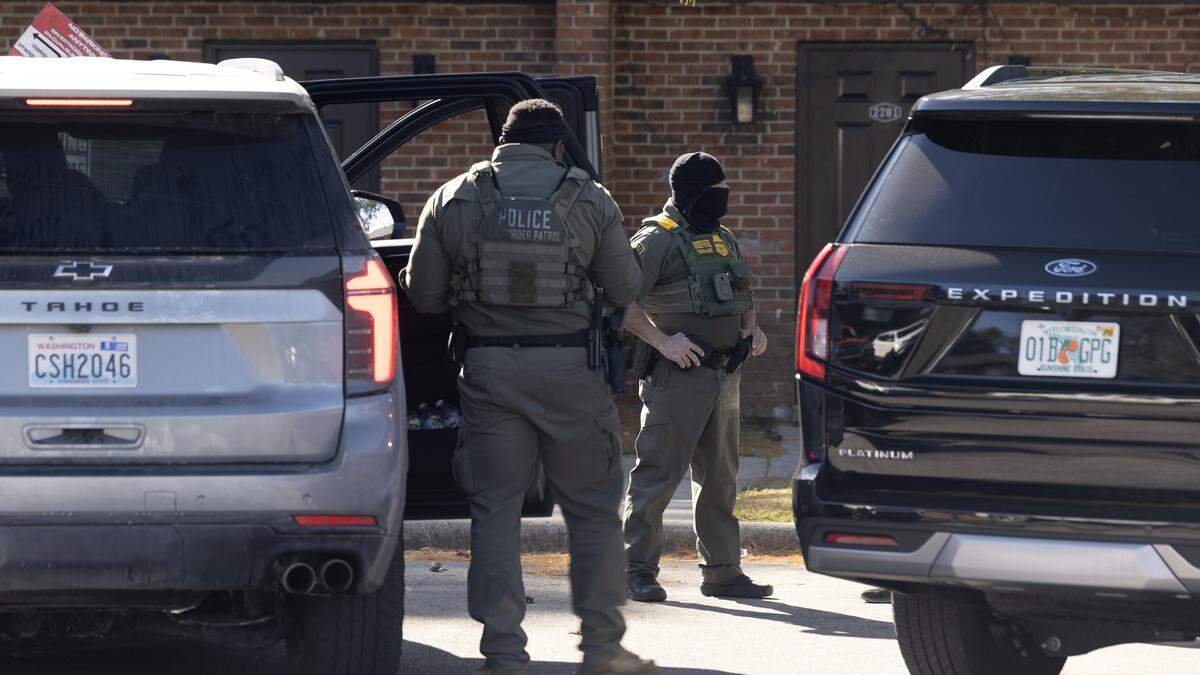
In recent days, agents with the U.S. Department of Homeland Security arrested more than 200 people in Charlotte, including at restaurants, grocery stores, home improvement stores and a church, The Charlotte Observer reported.
On Tuesday, Nov. 18, Border Patrol agents spread across the Triangle, including at a Home Depot in Cary and townhome complex in Raleigh.