
Is it allergies or a cold? How to tell the difference as pollen blankets NC
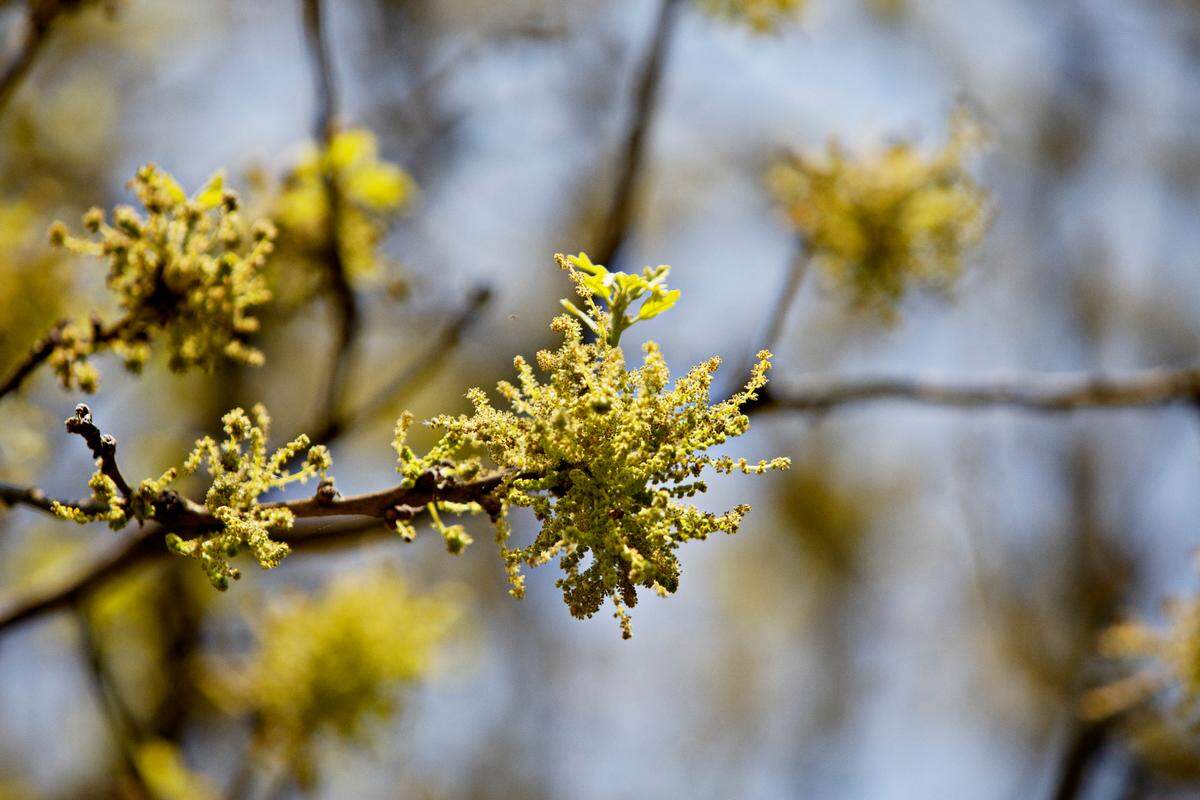
Spring is officially in the air in North Carolina, as marked by the yellowish-green pollen that has begun blanketing everything from cars to patio furniture.
A stuffy nose, sneezing and fatigue usually point to seasonal allergies, but spring’s arrival can make it especially difficult to tell if you’re actually sick or just reacting to the pollen.
Here’s what to know as “the pollening” gets underway.
Is it allergies or illness?
The key to spotting the difference between allergies and illness is how long your symptoms last, Dr. Neeta Ogden, an allergist with the Asthma and Allergy Foundation of America, previously told The Charlotte Observer.
“A big difference between colds and allergies is that colds tend to be self-limited, lasting for seven to 10 days, while allergies tend to come and go for weeks or even months,” Ogden said.
It’s not uncommon to mistake allergies for repeated colds because the symptoms can overlap.
“With allergy you might think, ‘Wait, didn’t I just have a cold?’” Ogden added. Both conditions can cause:
- Fatigue
- Headaches
- Nasal congestion
- Runny nose
However, viral infections like the flu or a head cold are often marked by more systemic symptoms including:
- Fever
- Chills
- Muscle aches
“Flu in particular has high fever,” Ogden noted, while strep throat may cause severe throat pain and visibly inflamed tonsils with white patches — something “not typical with allergy.”
When does pollen peak in North Carolina?
The pollen count typically peaks between the last week of March and the second week of April, The News & Observer previously reported.

The yellow haze has already been spotted in central and eastern North Carolina, and forecasts show “moderate to very high” rates of tree and grass pollen are expected in the region this week, according to The Weather Channel.
“With above-average temperatures lingering for much of March, trees and grasses are blooming and causing pollen counts to soar,” the outlet reported, adding that “pollen has already reached extreme levels across parts of the Deep South and Southeast.”
How to limit your exposure to allergy triggers
If you struggle with spring allergies, Ogden said it’s important to limit your time outdoors, especially on high-pollen days.
Starting allergy medications at least two weeks before pollen season begins is also recommended, along with checking the pollen count before you head out and keeping doors and windows closed.
“It’s a lot about reducing exposure and staying on top of your symptoms,” Ogden told The Observer.
Per Mayo Clinic, to reduce your exposure to allergy triggers, you can also:
- Stay inside on dry, windy days.
- Shower after spending time outside to rinse pollen from your skin and hair.
- Avoid outdoor activities in the early morning when pollen counts are highest.
- Wear a pollen mask if you decide to do chores outside.
Evan Moore contributed reporting. Portions of this story were previously published in The Charlotte Observer.
This story was originally published March 23, 2026 at 1:29 PM with the headline "Is it allergies or a cold? How to tell the difference as pollen blankets NC."