These 6 venomous snakes live in North Carolina. Here’s what they look like
AI-generated summary reviewed by our newsroom.
- The six types of venomous snakes that live in NC have different markings.
- Copperheads cause most of the venomous bites in the state. Eastern coral snakes are rare.
- If a snake bites you, contact NC Poison Conrol. You can call 911 for serious reactions.
North Carolina is home to six species of venomous snakes — but you’re most likely to encounter just one of them.
Copperheads are suspected to be behind more than 90% of venomous snake bites in the state. The bites can be painful and should be taken seriously, according to the N.C. Wildlife Resources Commission.
Though some other snakes live far from people, copperheads “are happy to live around humans in natural and even disturbed areas around neighborhoods. Thus, copperheads are the most often encountered venomous snake species in the state,” Matt Bertone, director and entomologist at the Plant Disease and Insect Clinic at N.C. State University, told The News & Observer in a Wednesday, March 25 email.
Here’s what to know about identifying venomous snakes and when you might see them this year.
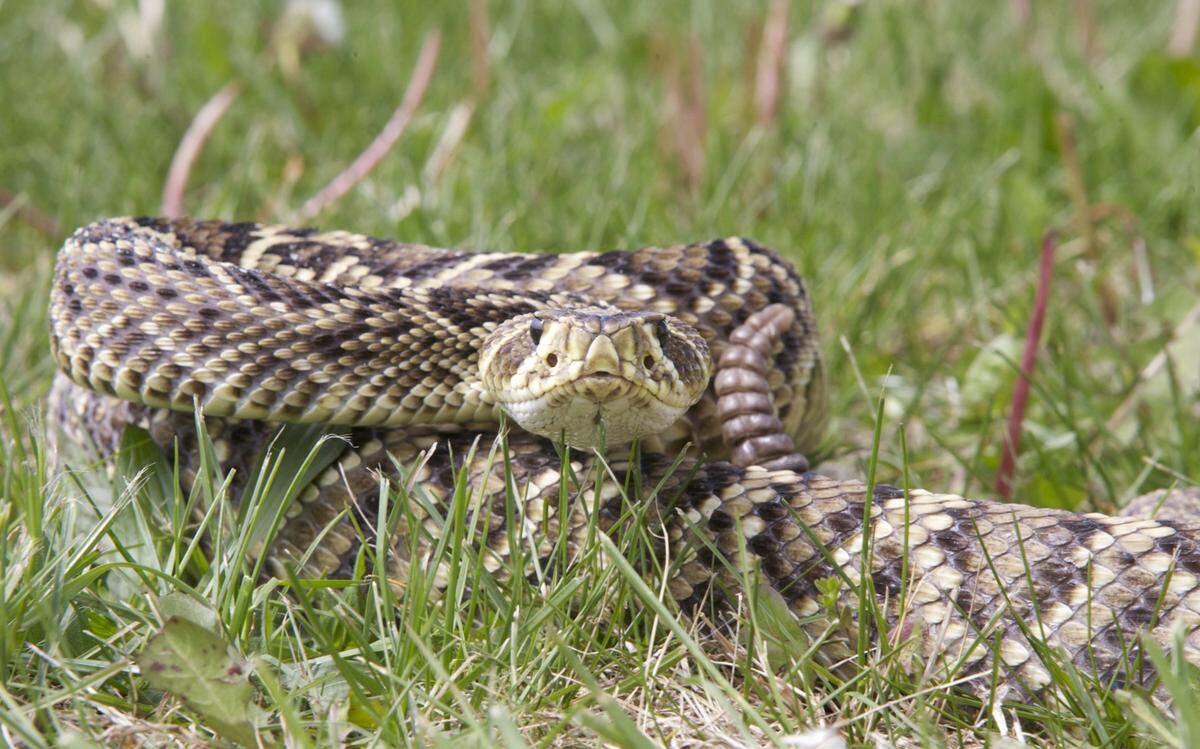
Which venomous snakes live in NC?
Here are the six types of venomous snakes found in North Carolina, The N&O previously reported:
- Copperheads
- Cottonmouths, also called water moccasins
- Eastern diamondback rattlesnakes
- Pigmy rattlesnakes
- Timber rattlesnakes
- Eastern coral snakes
“Coral snakes are extremely rare in North Carolina,” Bertone wrote. “The only place they might be found is in the far southeastern corner of the state.”
When might you encounter a venomous snake?
Venomous snakes typically steer clear of humans. But experts say the slithery creatures tend to move around more at night and during the warmer months.
“Because they are cold blooded and need warm ambient temperatures to be active, in general snakes are out during the warmer parts of the year from spring to fall,” Bertone wrote.
So far this year, March has been the busiest month for snake bite cases for N.C. Poison Control.
In 2025, the center received more than 800 snake bite reports. The number of reports started to pick up in March before peaking in July, according to Dr. Michael Beuhler, medical director of N.C. Poison Control.
“July is the big month, and this kind of makes sense for a couple reasons. You need a couple things for snake bites to happen. The snakes have to be out and active, and you have to have humans active outside with them,” Beuhler told The N&O in a Thursday, March 26 phone interview, adding that kids are out of school and playing outside during the summertime.
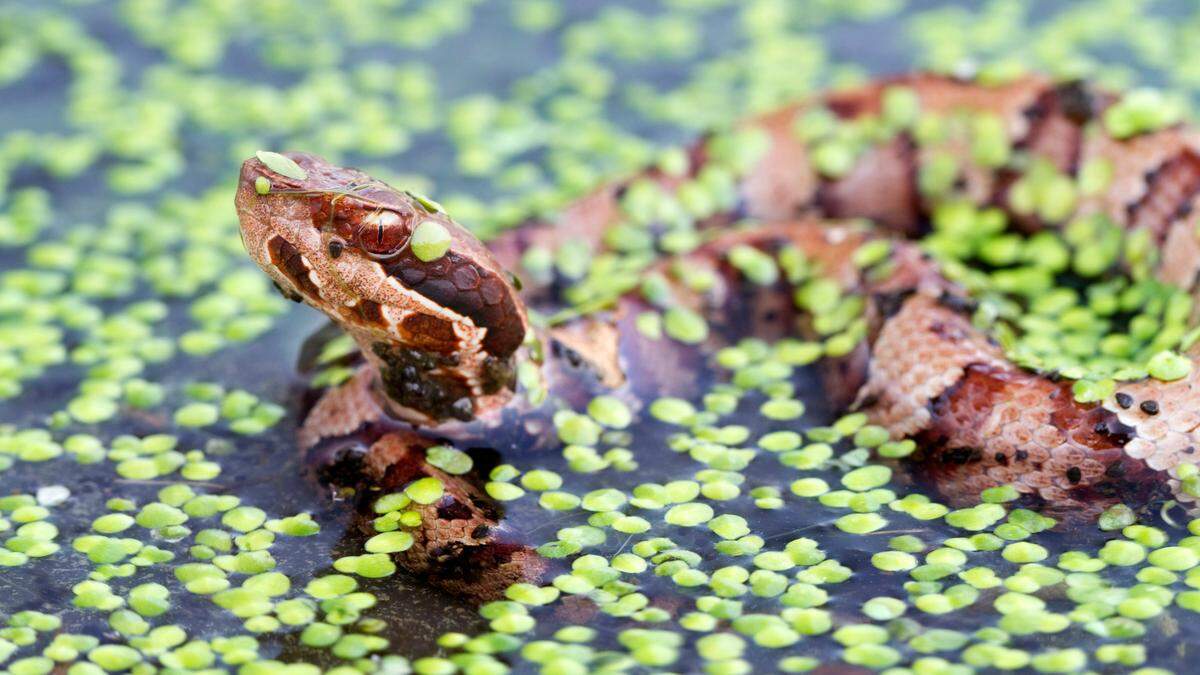
What do venomous snakes look like?
If you encounter a snake, there are some general tips for knowing whether it’s venomous or harmless. But keep your distance and don’t risk getting bitten to try to identify the species, experts warn.
“Vipers such as rattlesnakes and copperheads have vertical pupils similar to those of cats and tend to have triangular-shaped heads, though the latter is often subjective because some non-venomous snakes like to mimic venomous snakes by making their heads triangular when threatened or disturbed,” N.C. State Professor Ivana Mali said in an online Q&A.
Meanwhile, coral snakes tend to have round pupils and colorful bands on their bodies. But because these species also can look similar to harmless snakes, the N.C. State Extension recommends people get familiar with snake markings.
The extension and the poison control center have posted photos on their websites and shared more specific characteristics about the venomous snakes living in North Carolina. Here’s what they say look out for:
- Copperheads: Brown with hourglass-shaped bands; younger snakes have yellow-green patches on tails
- Cottonmouths: Dark or olive green with black bands and a white mouth; younger snakes can look like copperheads
- Eastern diamondback rattlesnakes: Gray or yellow with black diamond patterns and rattles on tails
- Pigmy rattlesnakes: Gray, pink or red with patterns of dark spots and rattles on tails
- Timber rattlesnakes: Lighter skin with dark bands and rattles on tails
- Eastern coral snakes: Black snouts with black, yellow and red bands
What if you encounter a snake?
If you see a venomous snake, it’s best to stay calm and get out of the area.
“If you are uncertain of the species of a snake or you suspect it to be venomous, do not attempt to handle the snake,” the extension wrote on its website. “It is best to leave the snake alone or contact a wildlife professional if the snake does not leave.”
Bites from copperheads — the venomous species that North Carolina residents encounter most often — can lead to pain and swelling. Beuhler said the bites can be deadly in rare cases.
If you are bitten by a snake, you can call poison control at 800-222-1222. And if you experience chest pain, trouble breathing or other more serious reactions, call 911.
Here are some other snake bite tips from the poison control website:
- Wash your skin and take off tight clothing or jewelry near the bite.
- Raise the bitten area to heart level and, if possible, keep it still.
- Avoid using ice or a tourniquet.
- Don’t try to suck or cut out the venom.
Portions of this story were previously published in The News & Observer.
This story was originally published March 26, 2026 at 4:49 PM.