World Cup athletes get a real NC experience: a copperhead snake at base camp
AI-generated summary reviewed by our newsroom.
- German players reportedly came across a copperhead while training in Winston-Salem.
- Copperhead bites are almost never fatal but symptom severity varies and can be serious.
- Copperheads are the most common venomous snake in North Carolina and cause most bites.
North Carolinians are likely familiar with copperheads, but international visitors for the World Cup may not be.
Several teams from Europe have World Cup base camps in North Carolina – Germany in Winston-Salem, Norway in Greensboro and Scotland in Charlotte. German players reportedly came across a copperhead while training, the BBC reported Tuesday, June 16. The Athletic reported the snake was not actually venomous.
“I don’t think you’ll die, but it’s certainly dangerous. I have the feeling that if you step on a snake like that, it can end badly,” German Captain Joshua Kimmich told the BBC. “That’s why we’re trying to keep our distance from animals here. I have respect for the people here. In Germany, I have the feeling there aren’t so many dangerous animals.”
Kimmich is right; Copperhead bites are almost never fatal, and they may not even transfer venom into a bitten person. But symptom severity varies, and bites can be both painful and expensive.
The Charlotte Observer reached out to FIFA regarding the encounter and is awaiting response.
Where are copperheads?
The snakes are the most common venomous snake in North Carolina, and they make up the majority of venomous bites in the state. North Carolina is home to six types of venomous snakes; Germany has two.
“Once you hear what kind of snake it is and what can happen if you’re bitten, it stops being funny very quickly,” Kimmich said. “We’re here trying to prepare for the biggest tournament in football, and suddenly players are looking at the ground before every step they take.”
International guests may want to familiarize themselves with the appearance of the snakes if they plan on spending time outdoors, especially in woodsier areas than the soccer pitch.
What do copperheads look like?
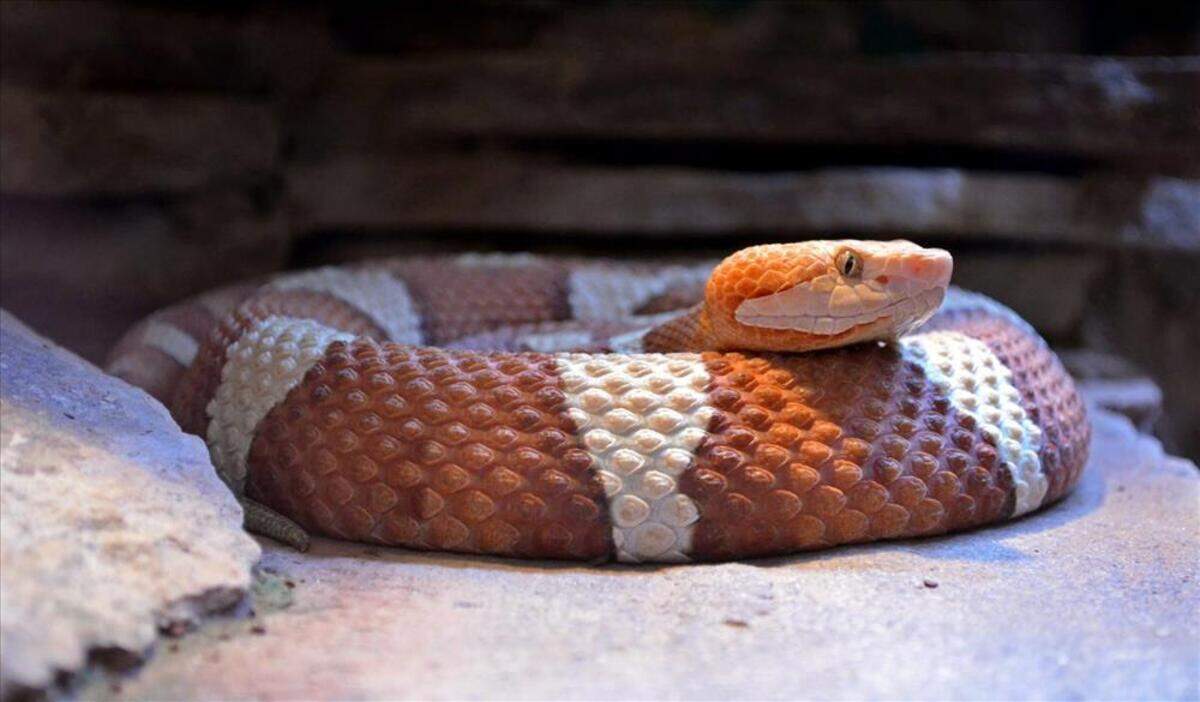
According to the North Carolina Wildlife Resources Commission, copperheads have:
- Brown bodies in varying shades, but typically light brown or tan
- Contrasting brown crossbands shaped like an hourglass or dumbbell
- Fairly wide and heavy bodies (the average adult is 2-3 feet long)
- Triangular heads with a dark line from the eye to the rear of the jaw
WakeMed Emergency Physician Dr. Benjamin German previously told the Observer one of the worst copperhead bite cases he has seen in 2026 was caused by a snake misidentification. The case was prior to the World Cup.
“We had a patient this year who was bitten, but he was trying to catch a copperhead,” German said. “He was from a different country, and he thought that this snake looked like one of the harmless snakes in his own country, and so he picked it up and bit him on both hands, and within five minutes he collapsed.”
The patient faced severe symptoms, including severe low blood pressure and signs of shock, before recovering.
This story was originally published June 18, 2026 at 1:22 PM with the headline "World Cup athletes get a real NC experience: a copperhead snake at base camp."