Video from Murdaugh dog kennels could answer lingering question about murders
READ MORE
Alex Murdaugh Coverage
The Murdaugh family saga has dominated the news after another shooting, a resignation and criminal accusations — with Alex Murdaugh at the center of it all. Here are the latest updates on Alex Murdaugh.
Expand All
Editor’s note: This article contains strong language about autopsy evidence.
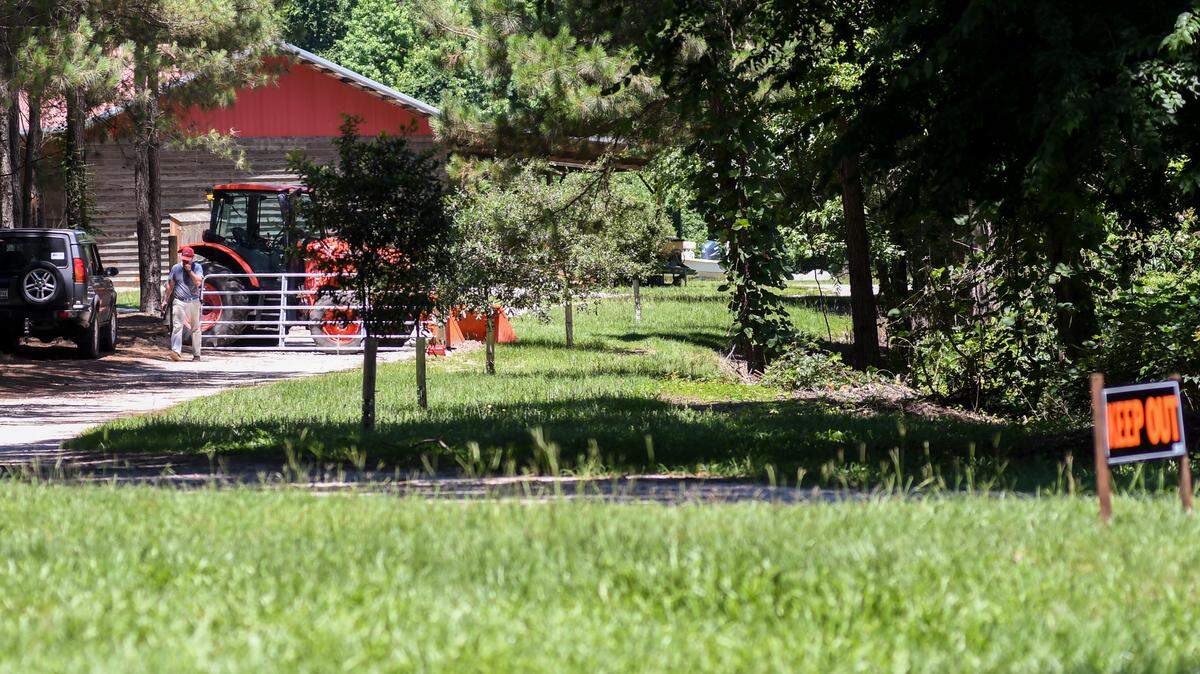
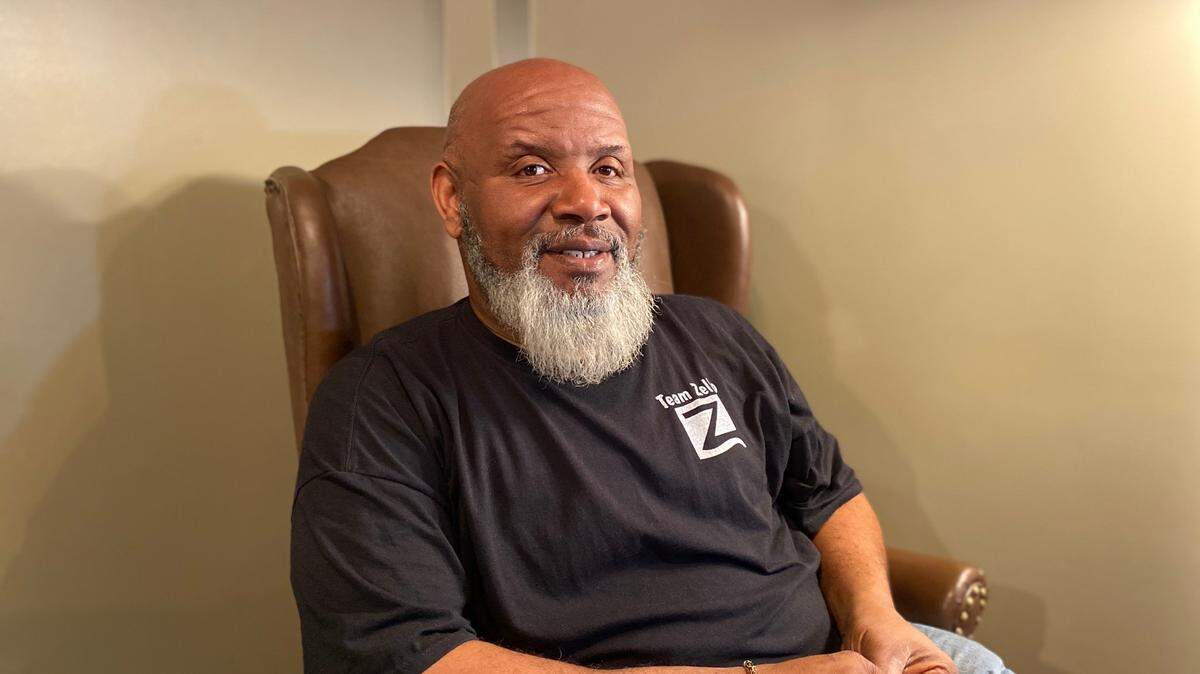
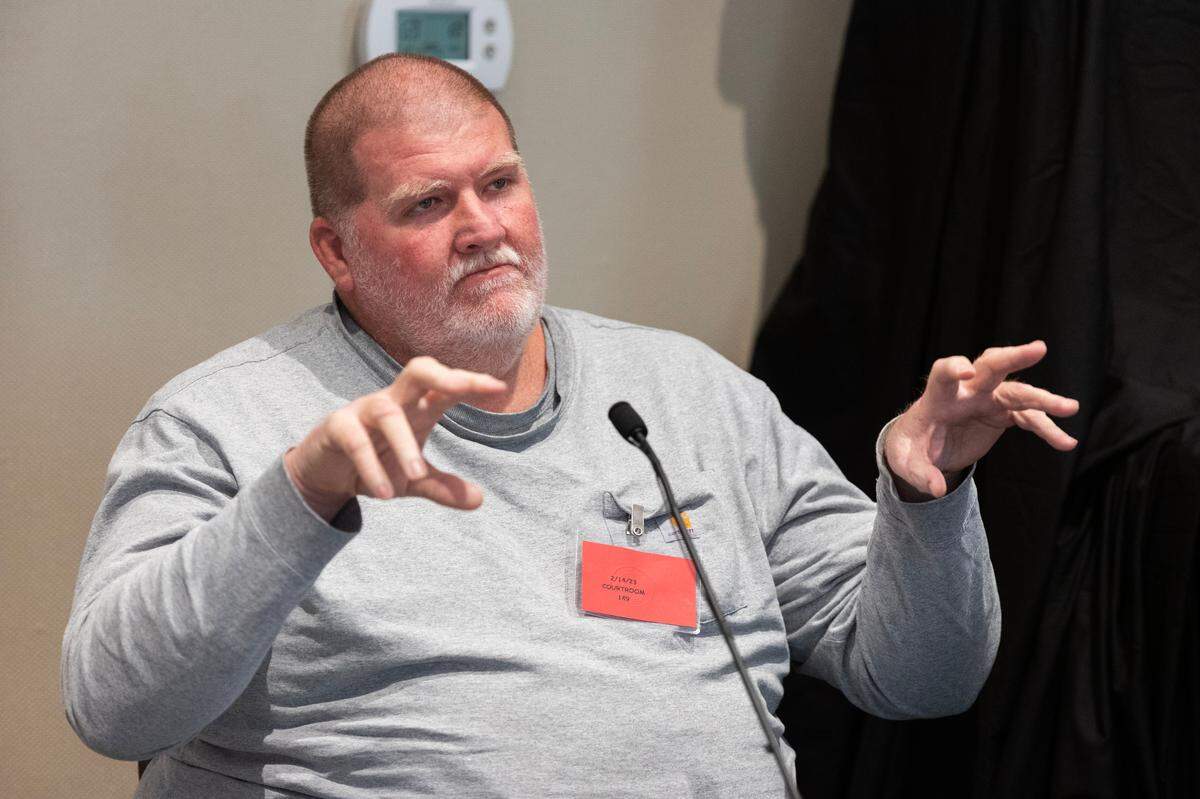
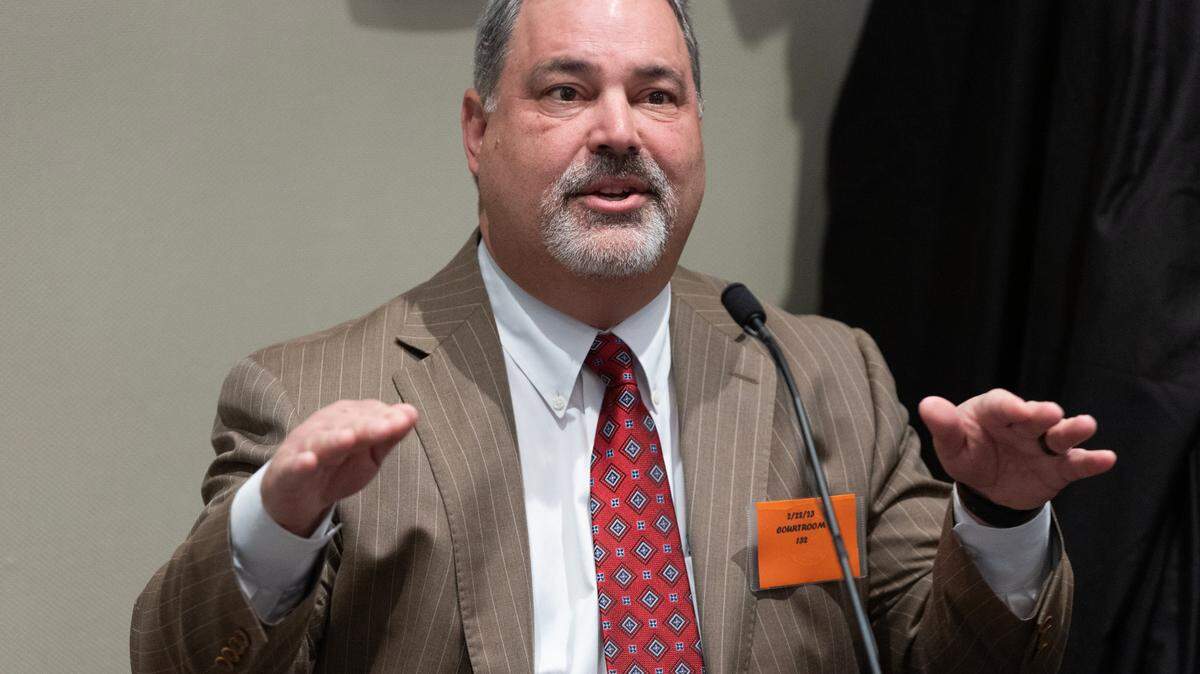
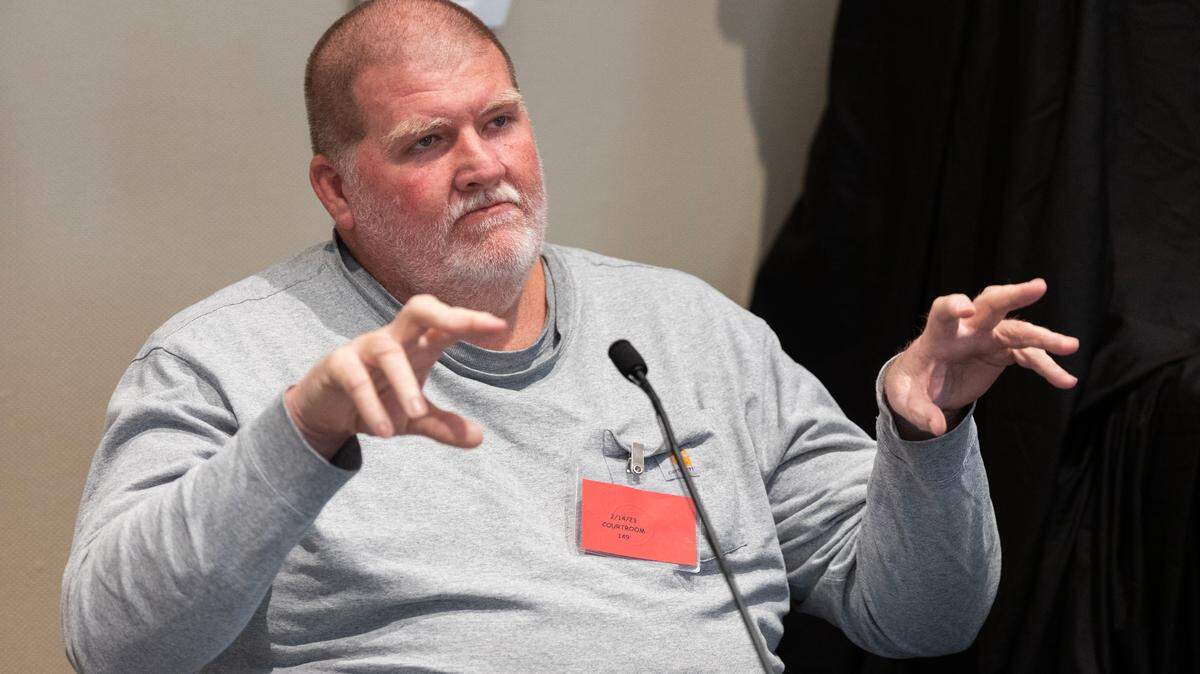
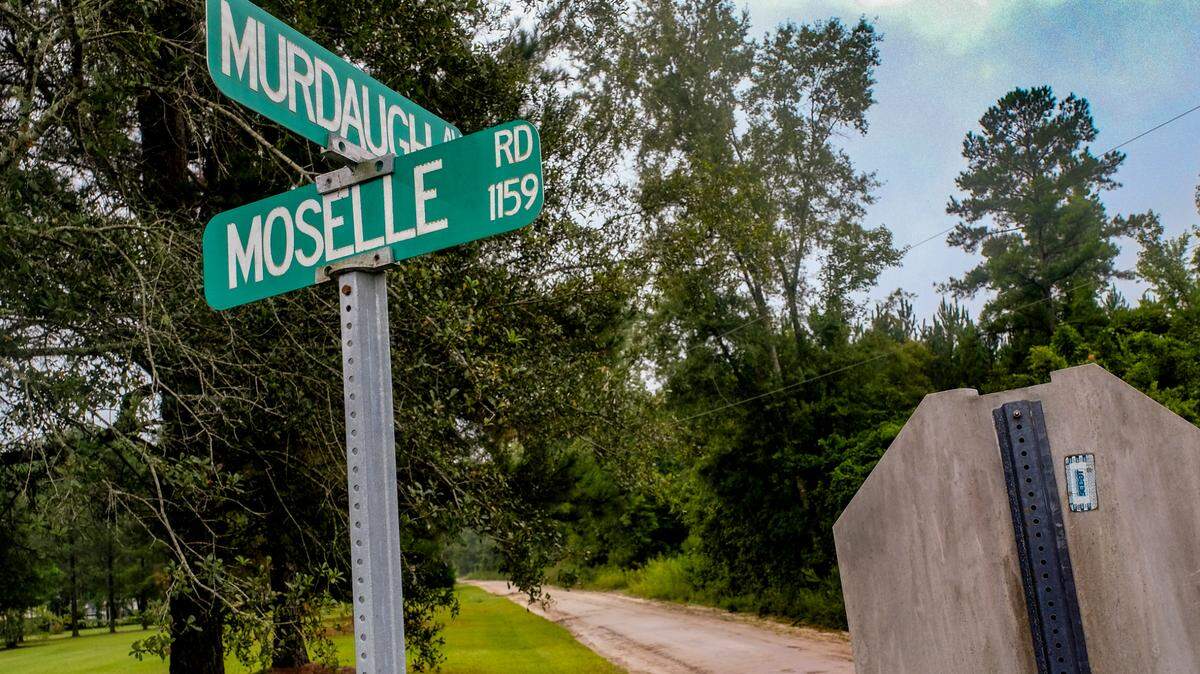
On June 7, 2021, Roger Dale Davis Jr. cleaned the kennels at the Murdaugh family estate, called Moselle, and carefully put away the hose.
He testified that, as he had almost every day for four years, he carefully unrolled the hose, cut the water off to let it drain and then carefully rolled it back up so it wouldn’t kink.
But on reviewing a picture taken of the kennels the night Maggie and Paul Murdaugh were murdered, Davis told a courtroom Tuesday, “somebody used that hose after I did, because it’s twisted and (the) nozzle is too far up.”
His testimony could help explain the enduring mystery of the puddles of water surrounding Paul’s body at the kennels, which have been highlighted by both the defense and the prosecution.
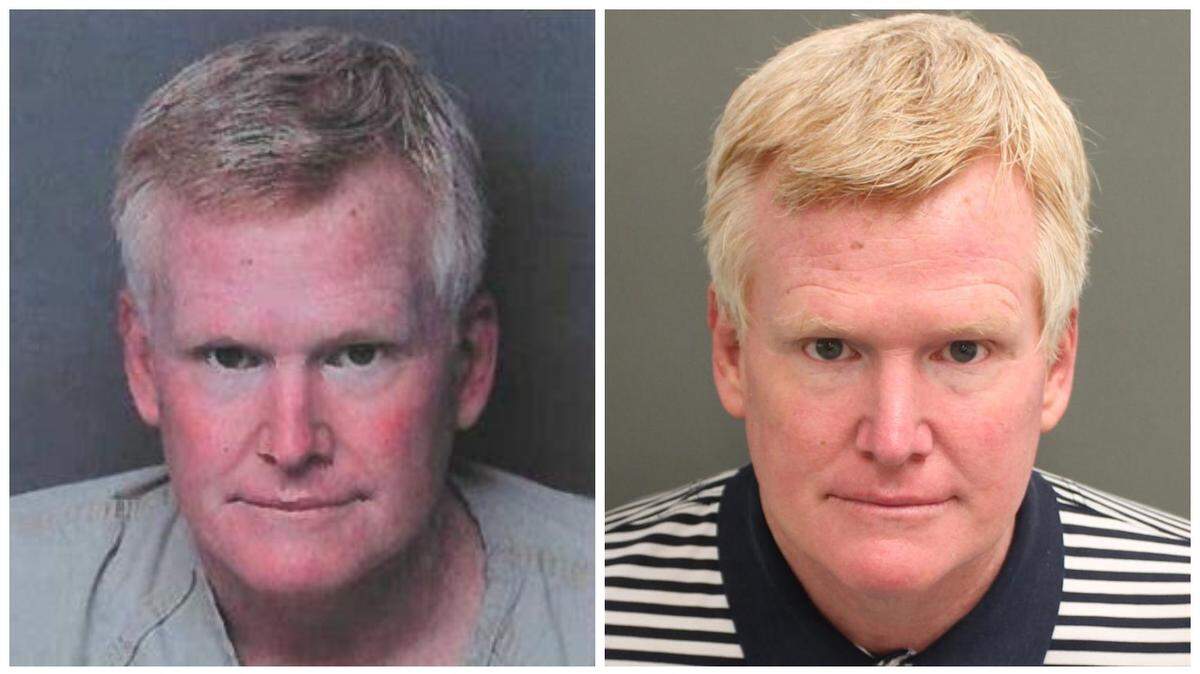
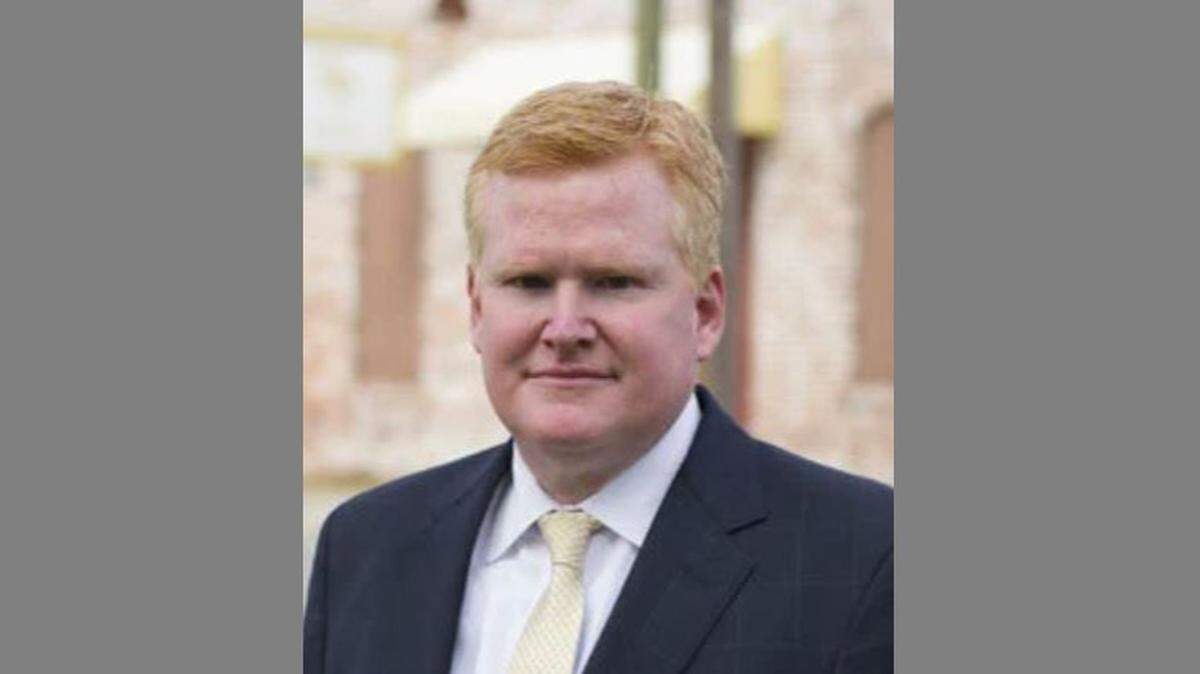
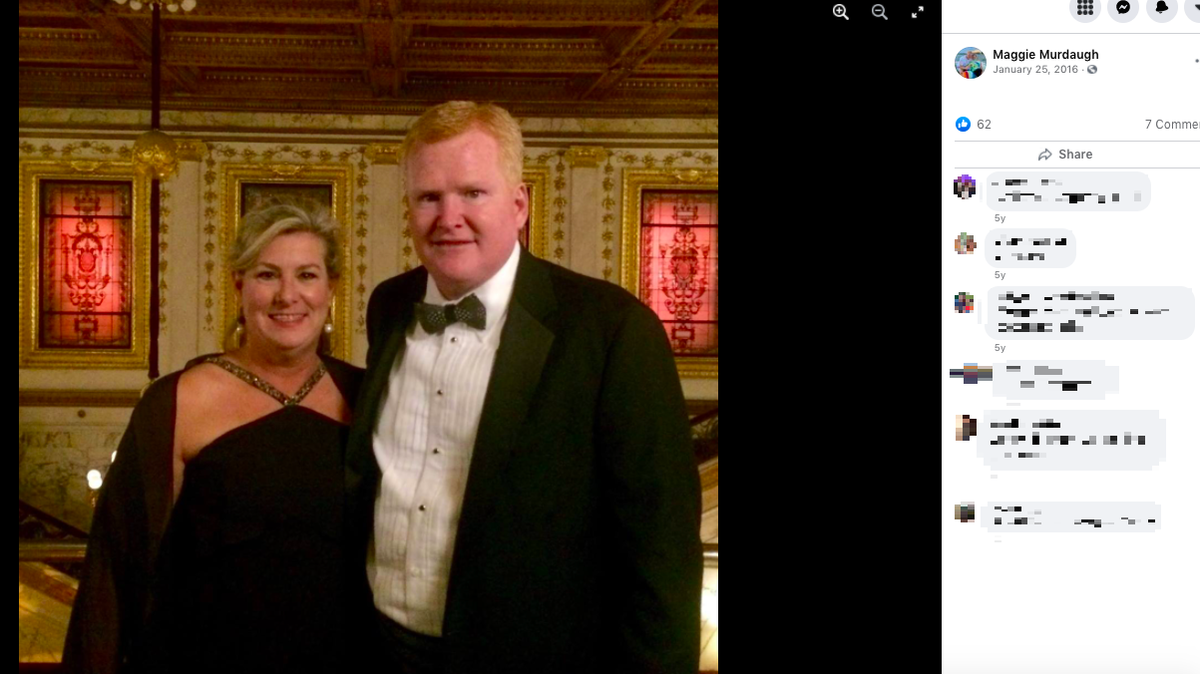
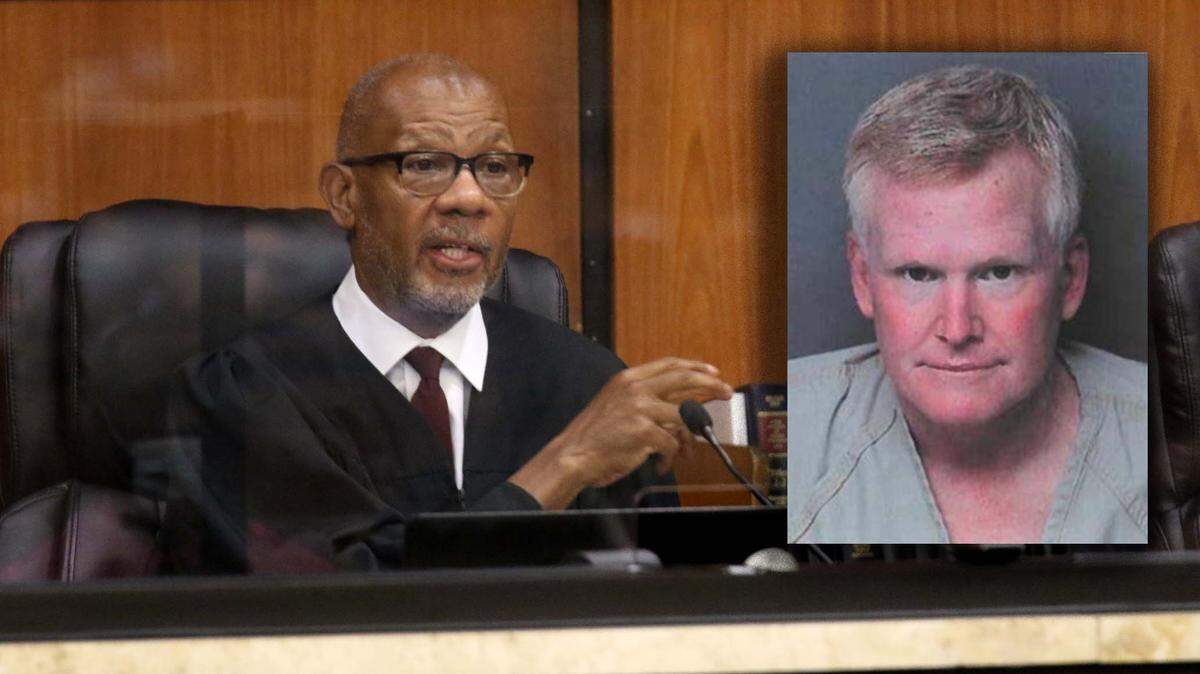
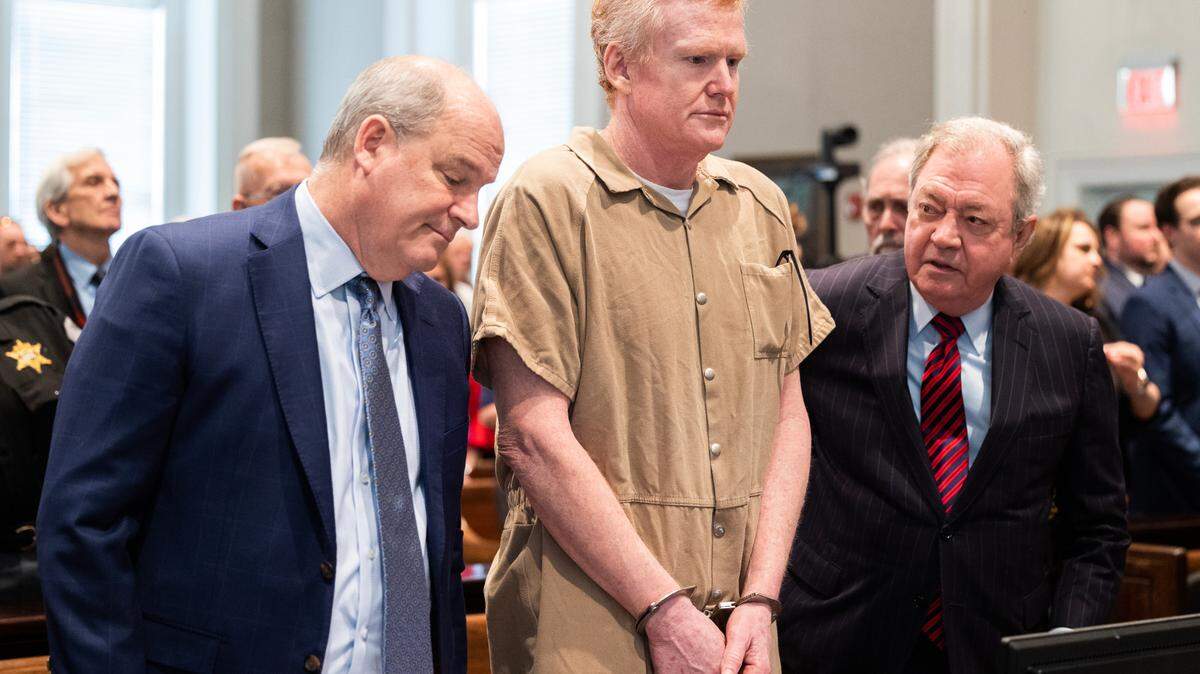
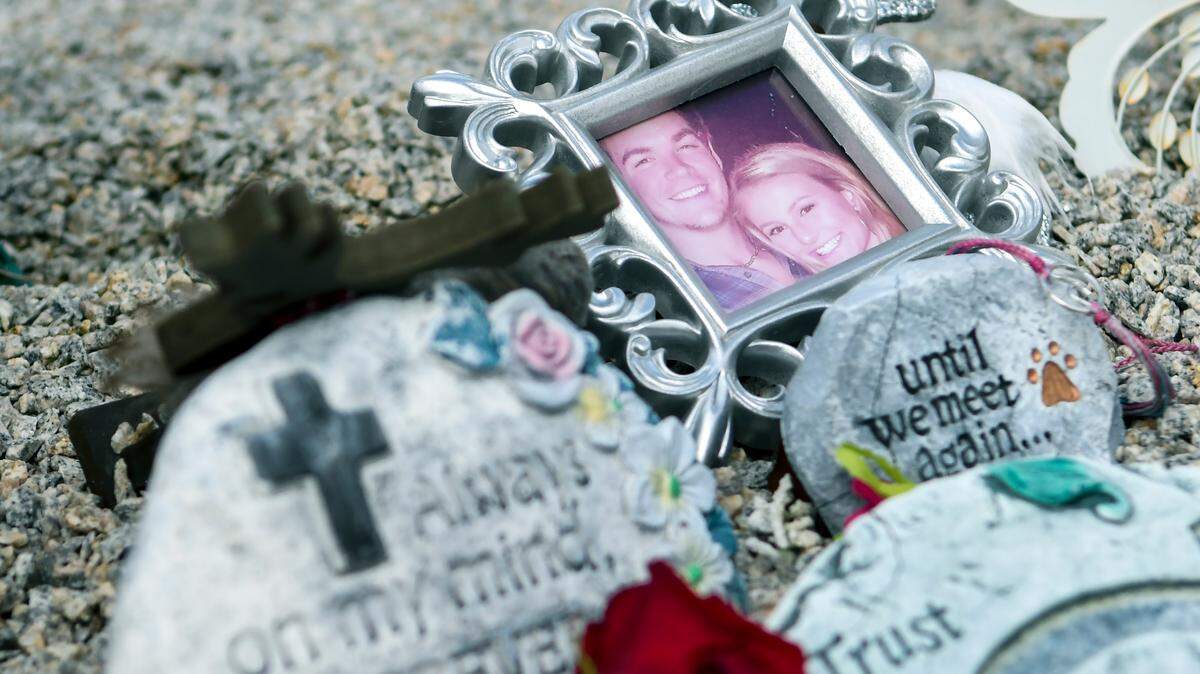
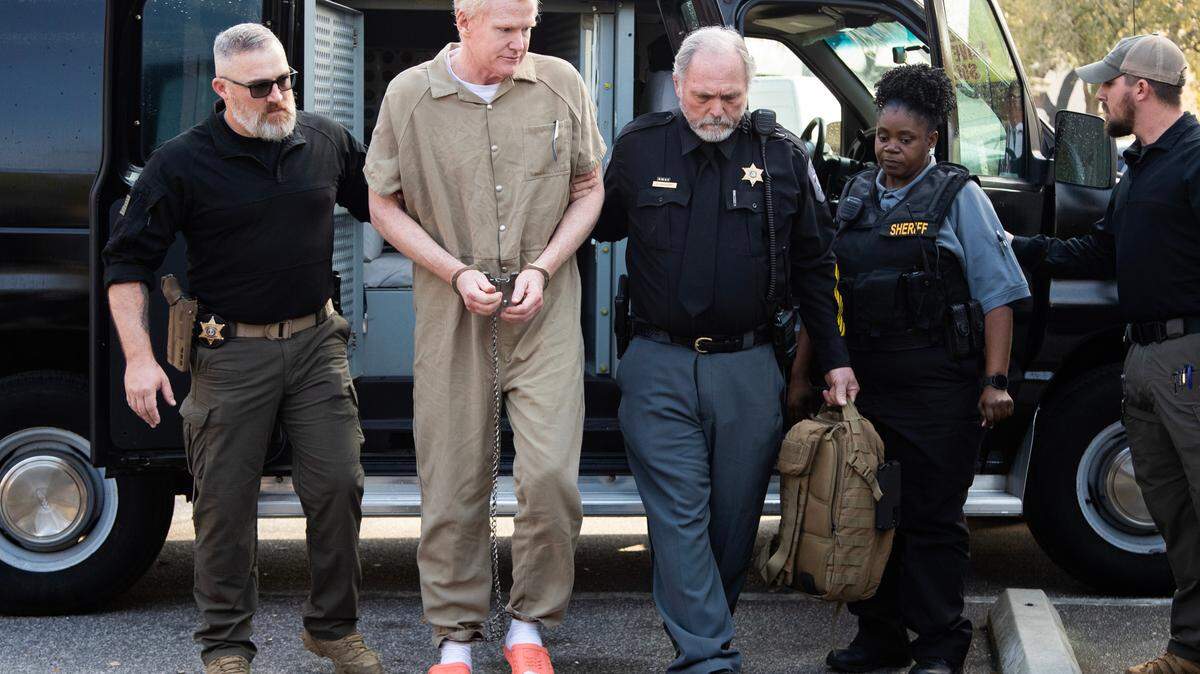
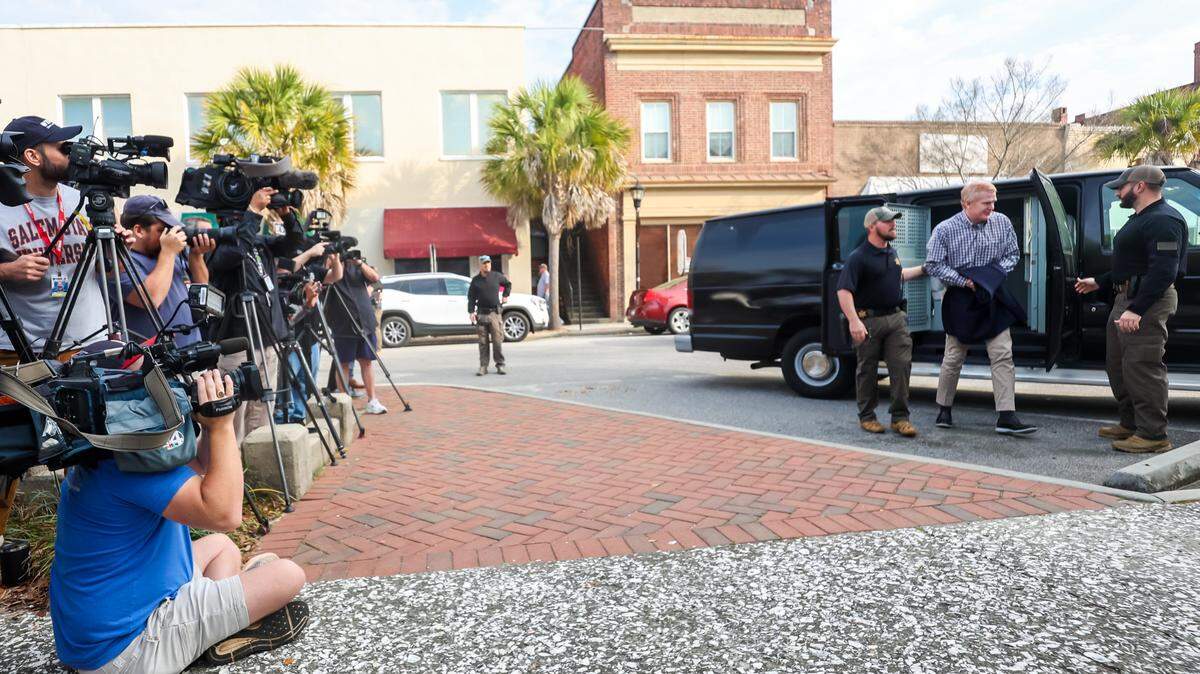
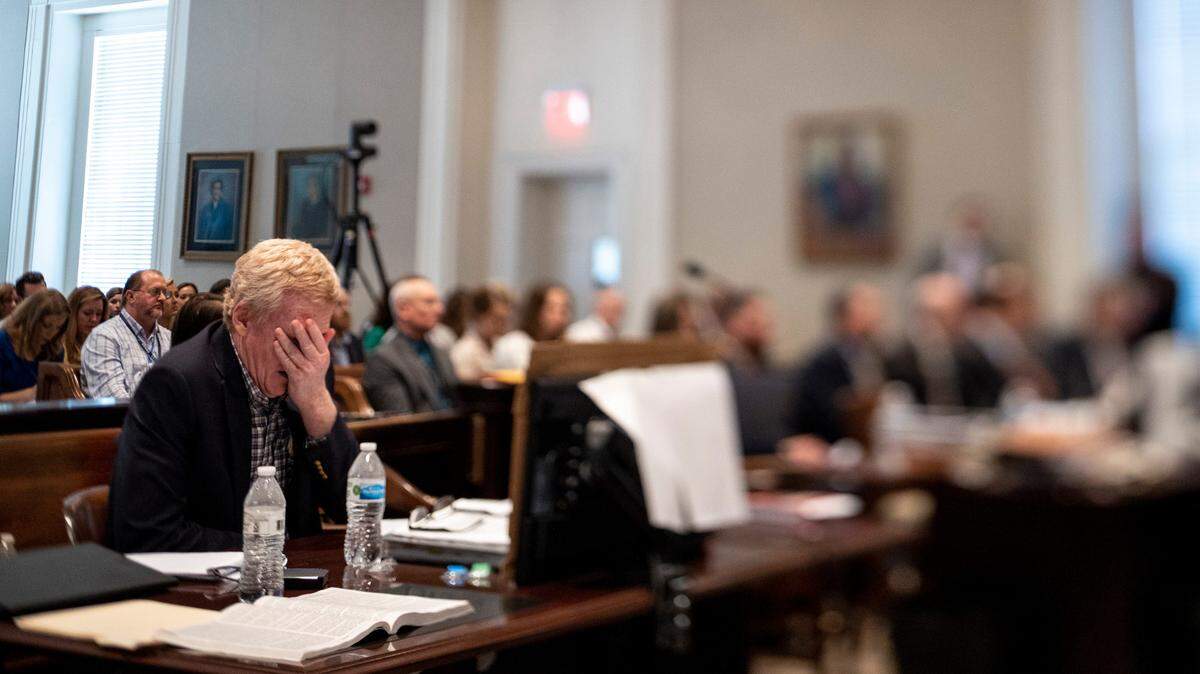
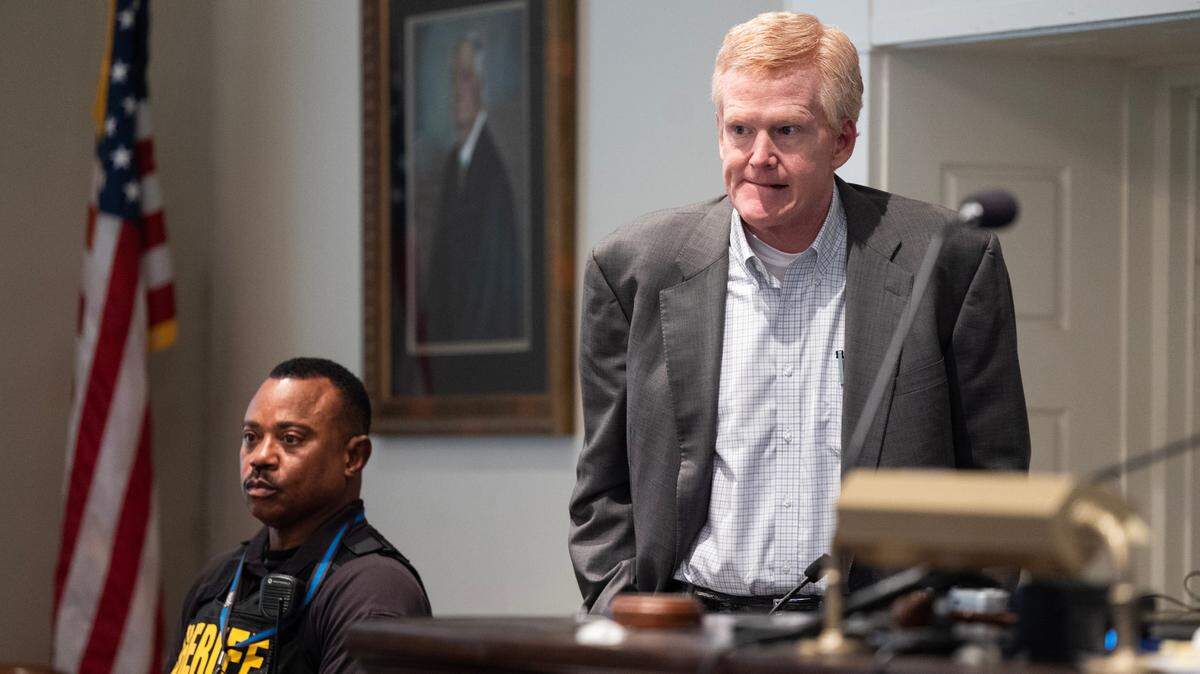
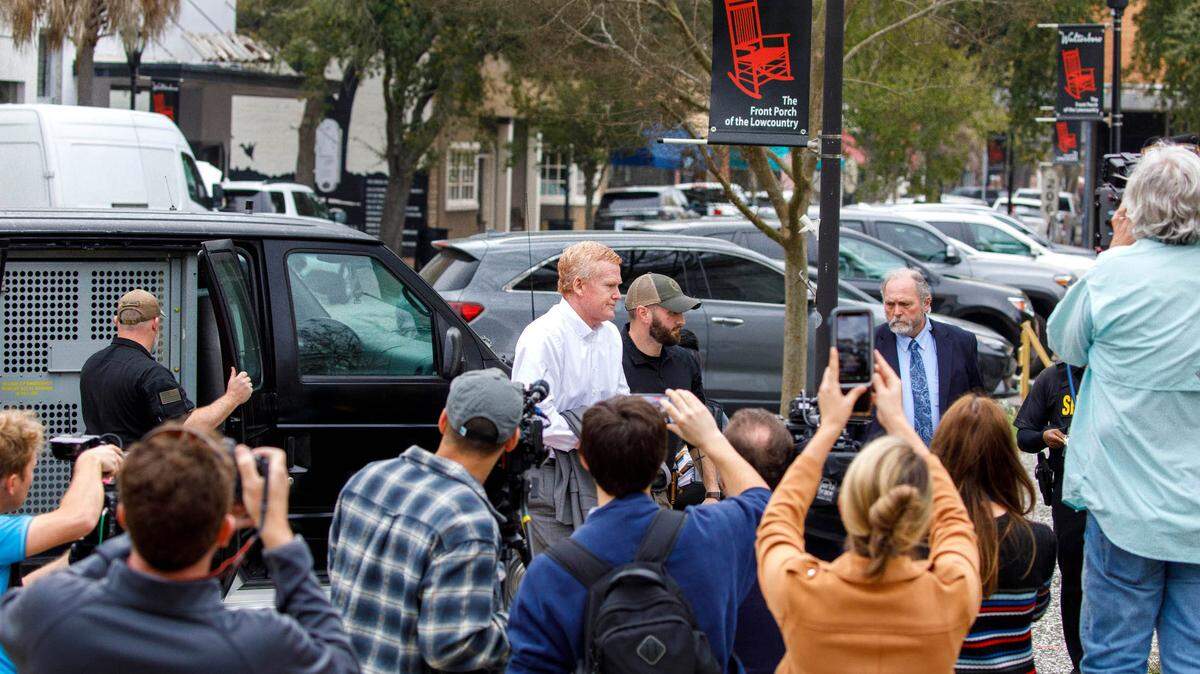
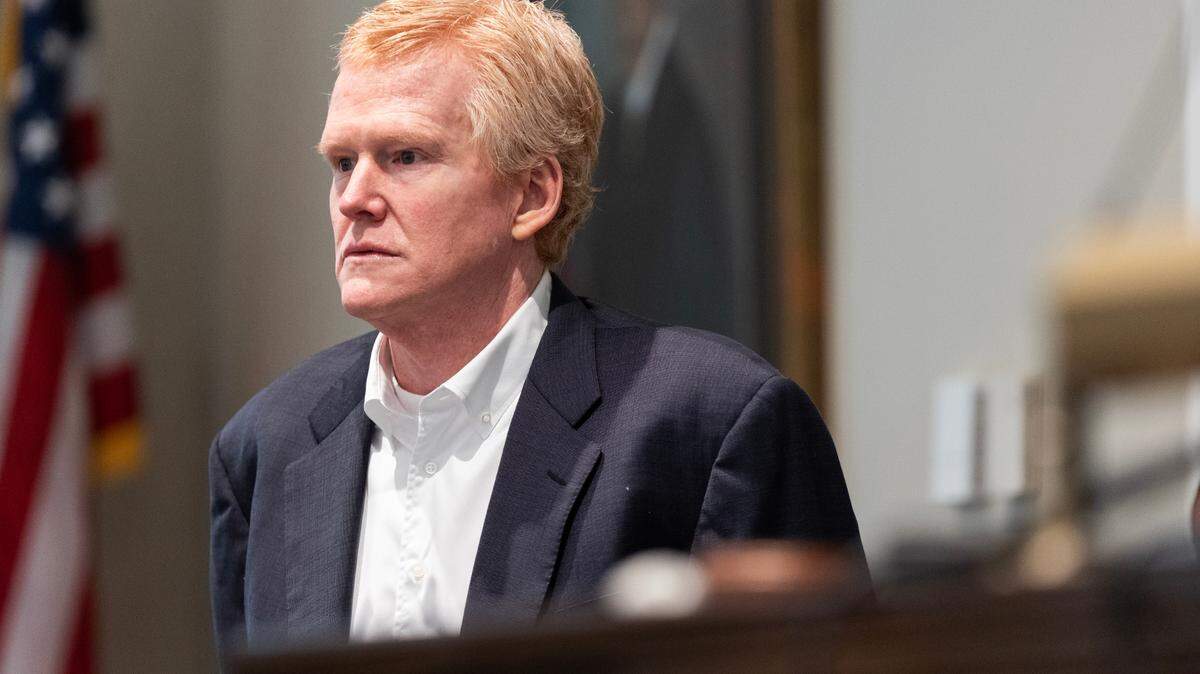
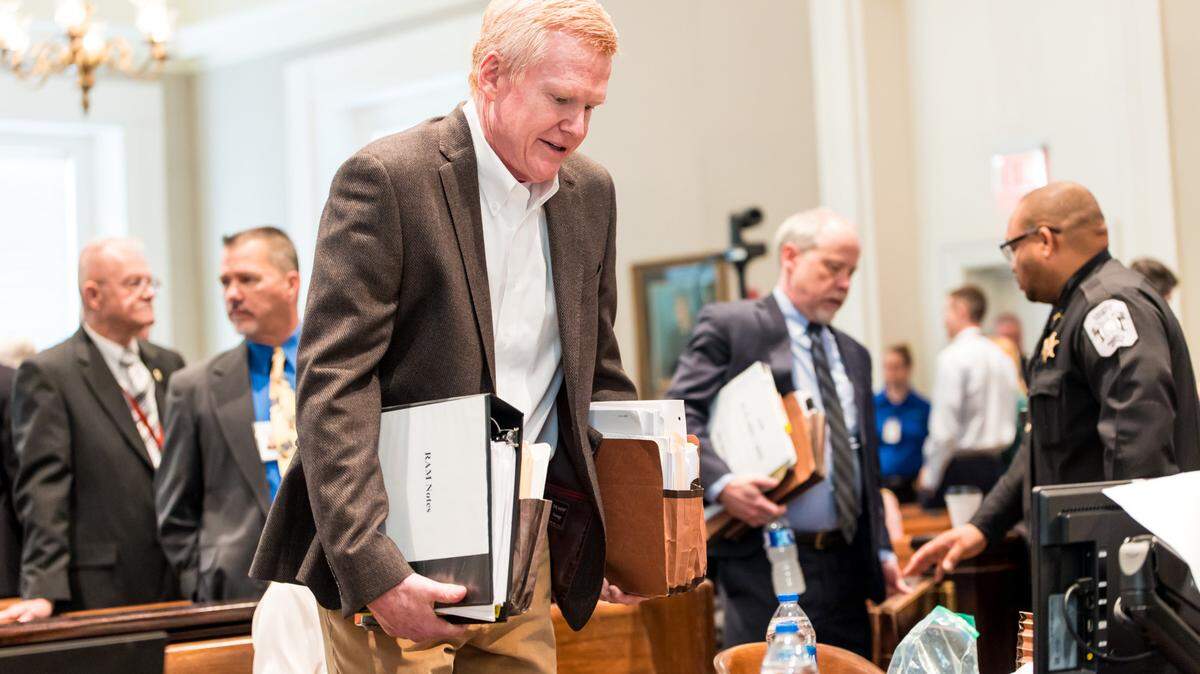
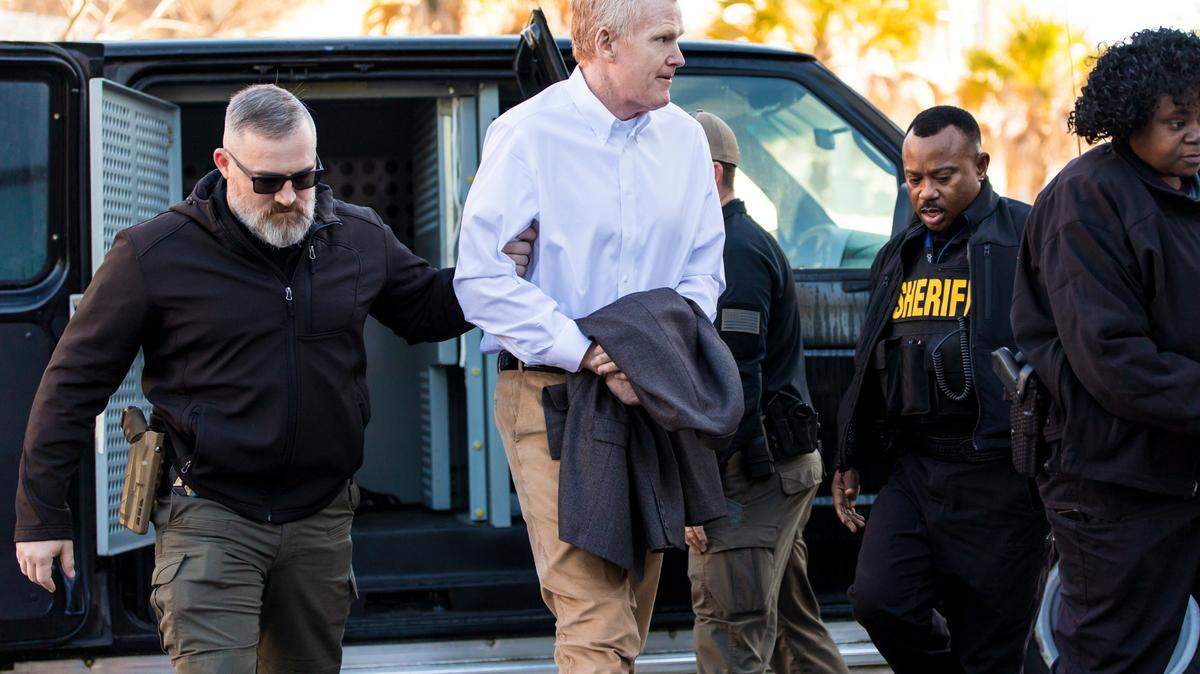
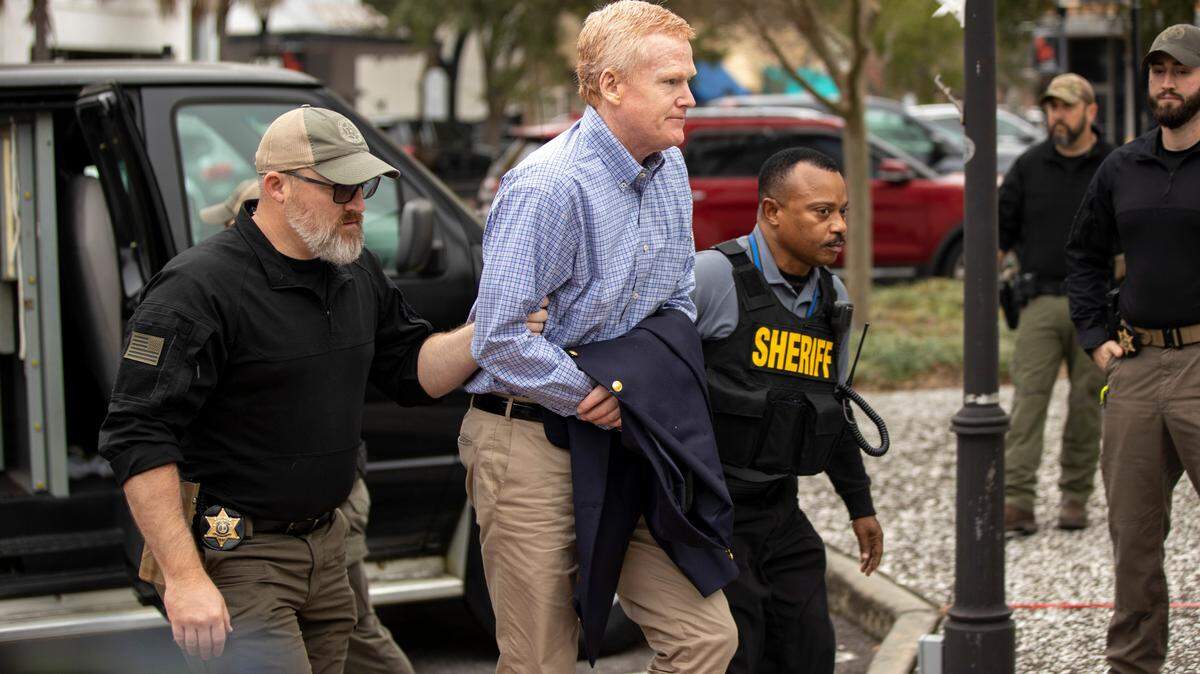
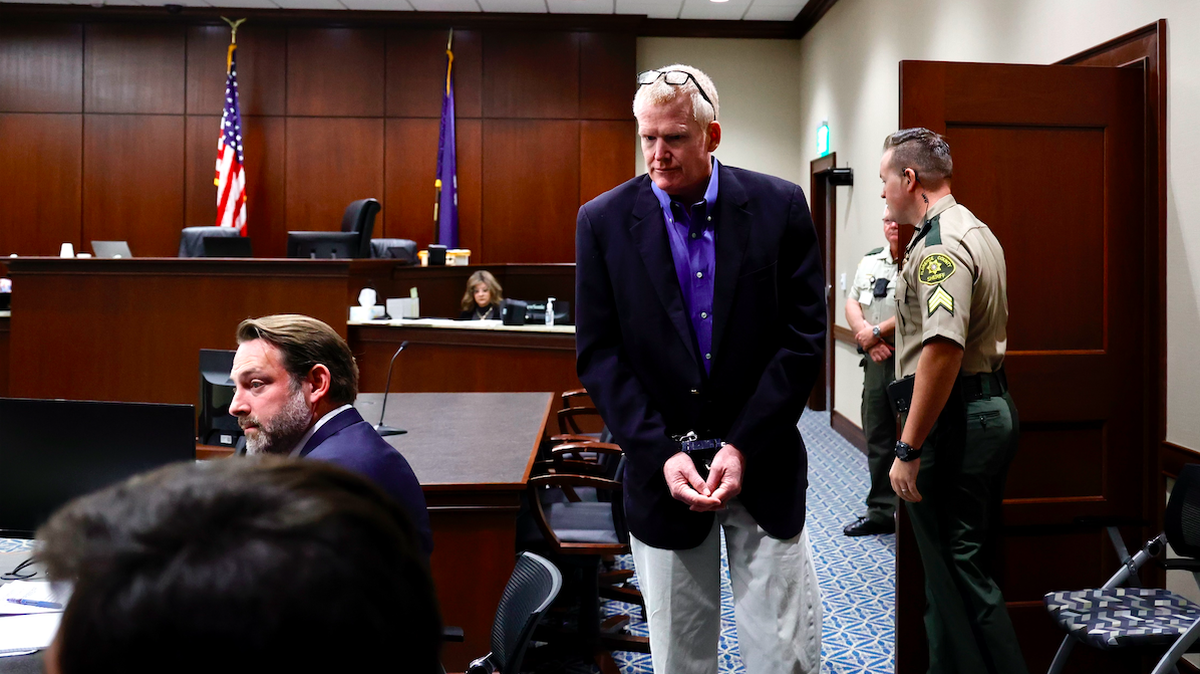
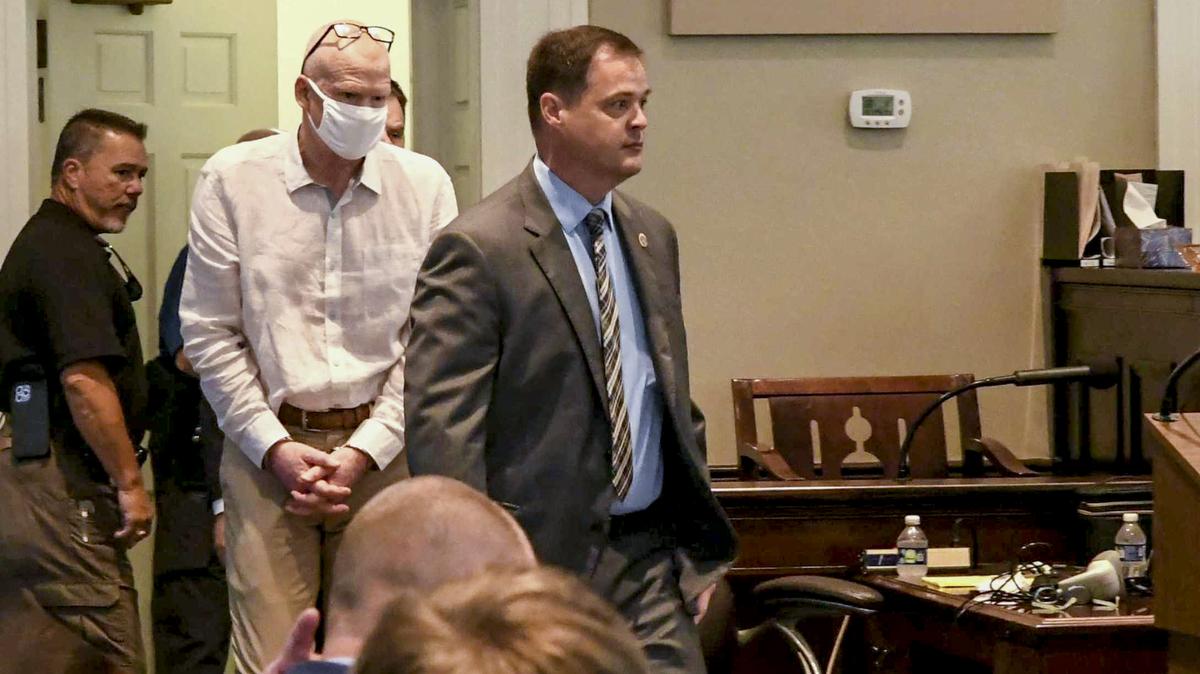
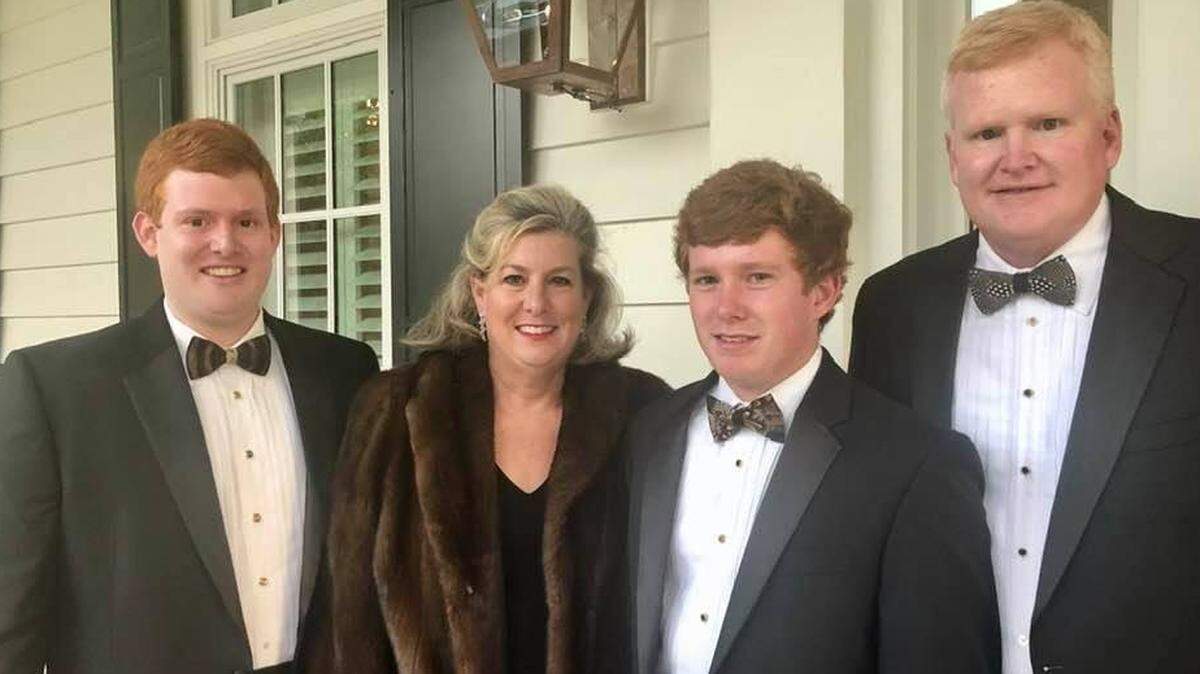
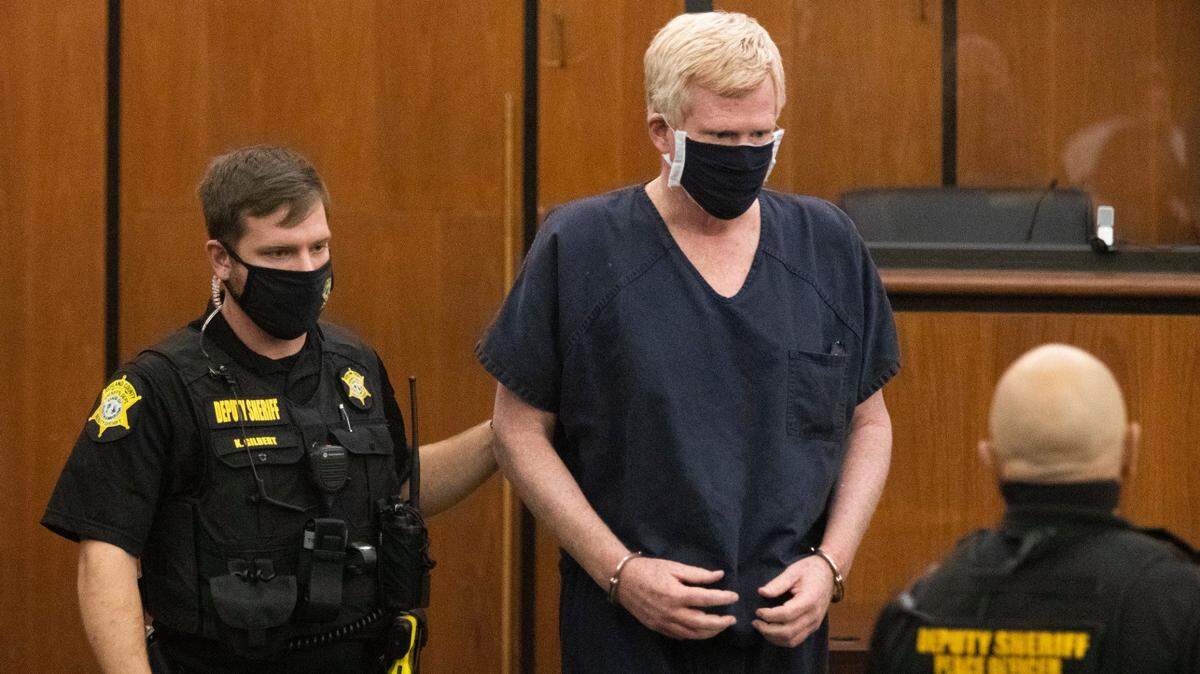
Alex Murdaugh is on trial for murdering his wife and son, who were found gunned down at the family’s dog kennels on their 1,770-acre Colleton County estate.
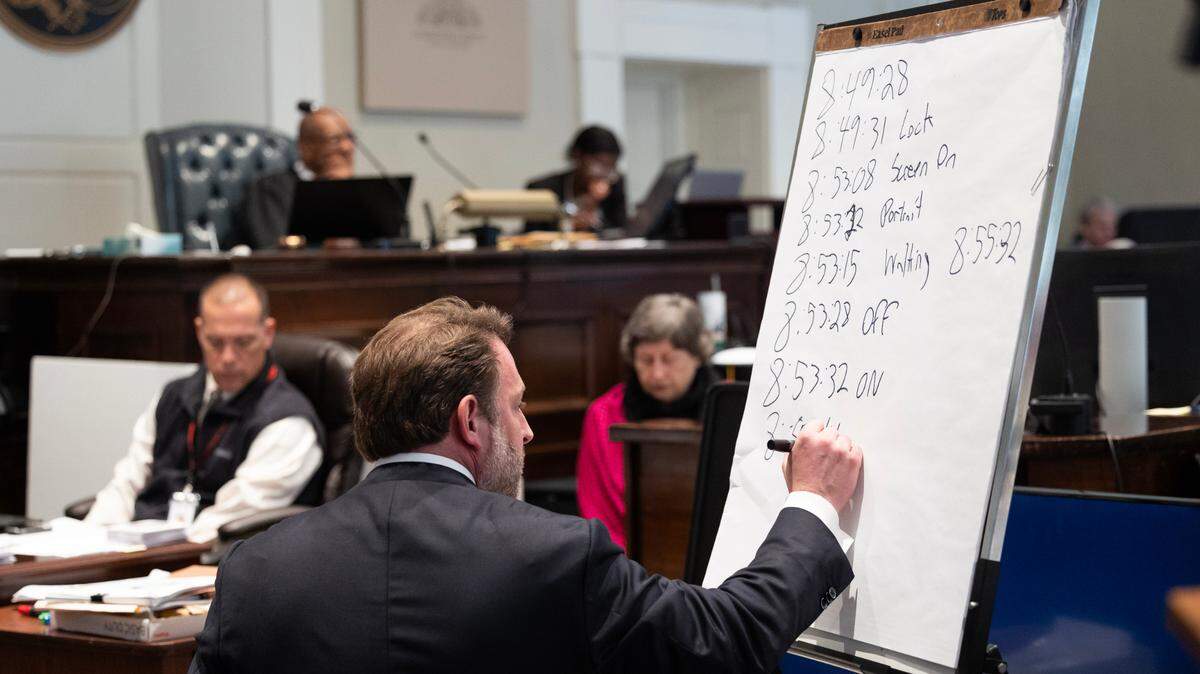
On cross-examination, defense attorney Jim Griffin played the video from the kennels taken from Paul’s phone, which the prosecution has said was shot around 8:45 p.m. the night of the murders. The prosecution has asked several witnesses to identify three voices that can be heard in the background of the video. All of them have identified Murdaugh, Paul and Maggie with “100%” certainty.
With the sound off, Griffin asked Davis to identify an object that can be seen in the upper left of the video for a few seconds.
“That hose is on the ground, isn’t it?” Griffin asked.
“Yes,” Davis said.
“There’s water around it?” Griffin followed up
“Yes,” Davis said.
Davis testified he usually cleaned the kennels twice a day, every day, a routine that usually took him about 45 minutes. He was especially careful with how he treated the hose.
“I’m very particular with how I did it,” Davis testified, explaining how he meticulously rolled the hose to prevent kinks that could lead to tears. Davis testified that water didn’t usually stay on the concrete around the kennels because it would evaporate in the sun or run off the angled floor.
Both Murdaugh and Paul were not careful about how they put the hose away, Davis testified.
On June 7, 2021, the day of the murders, Davis said that he left the property around 4:30 p.m.
He said that he returned to his home about a mile-and-a-half away when he would have taken a shower and sat in his recliner for the rest of the night.
Focus on Paul’s wounds in cross-examination
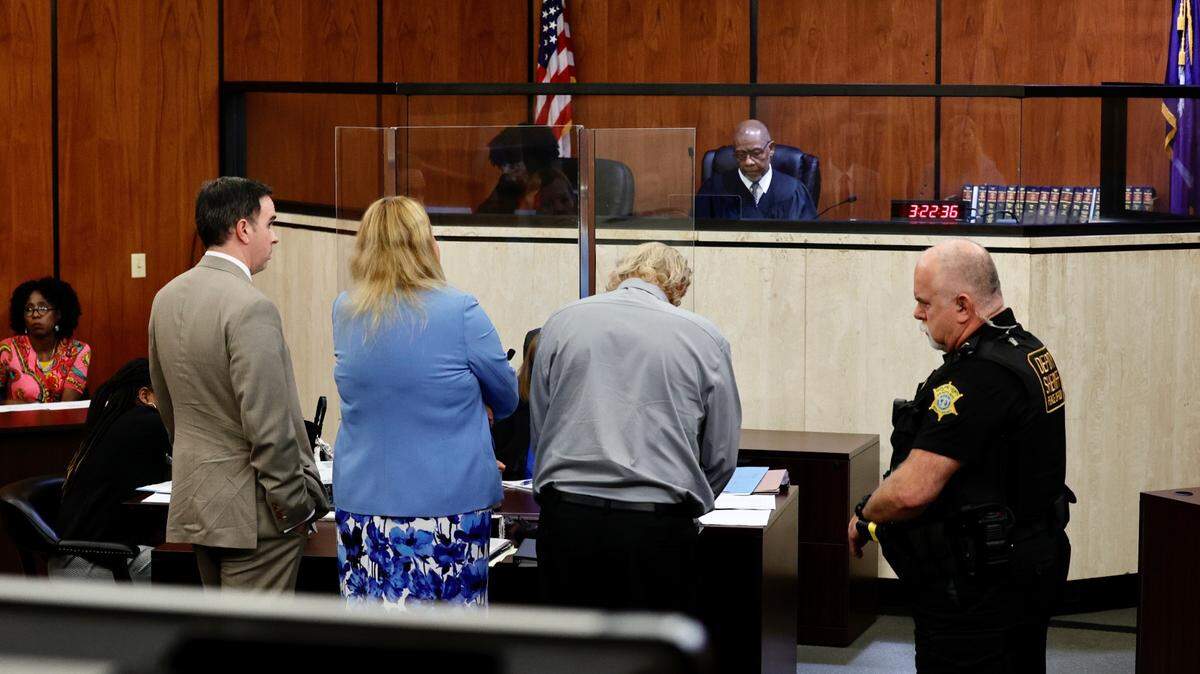
Jurors in the Murdaugh murder trial heard more gory details of the June 2021 killings of Paul and Maggie, as the forensic pathologist who conducted the autopsies continued to testify Tuesday.
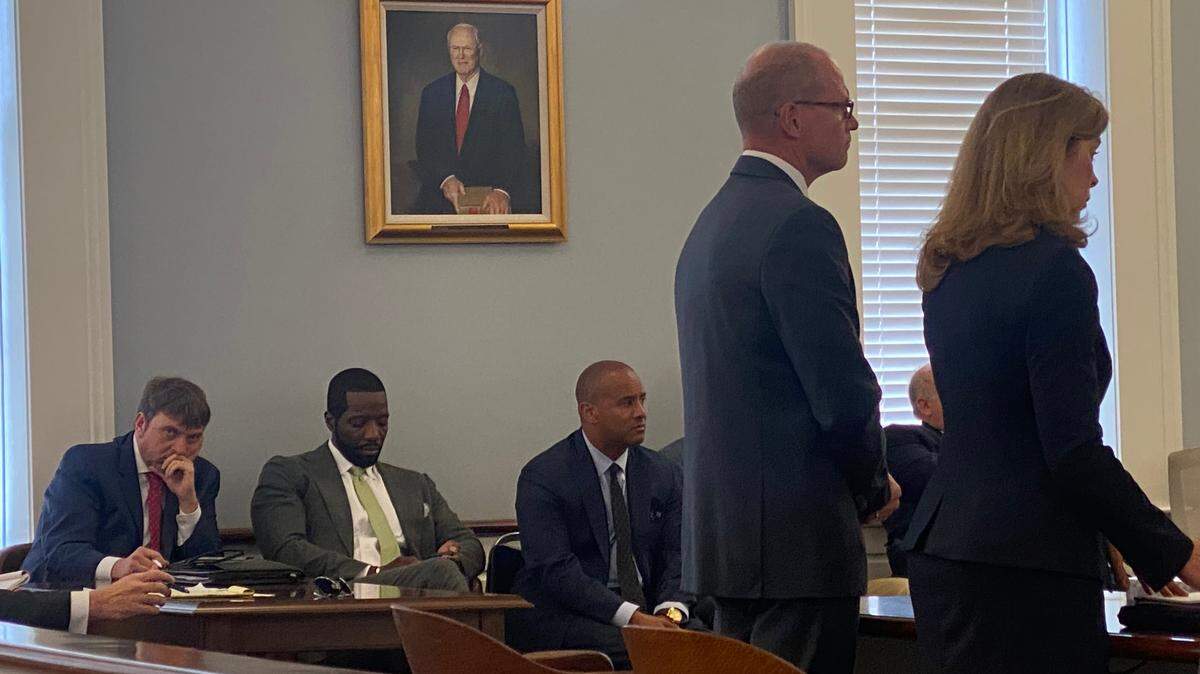
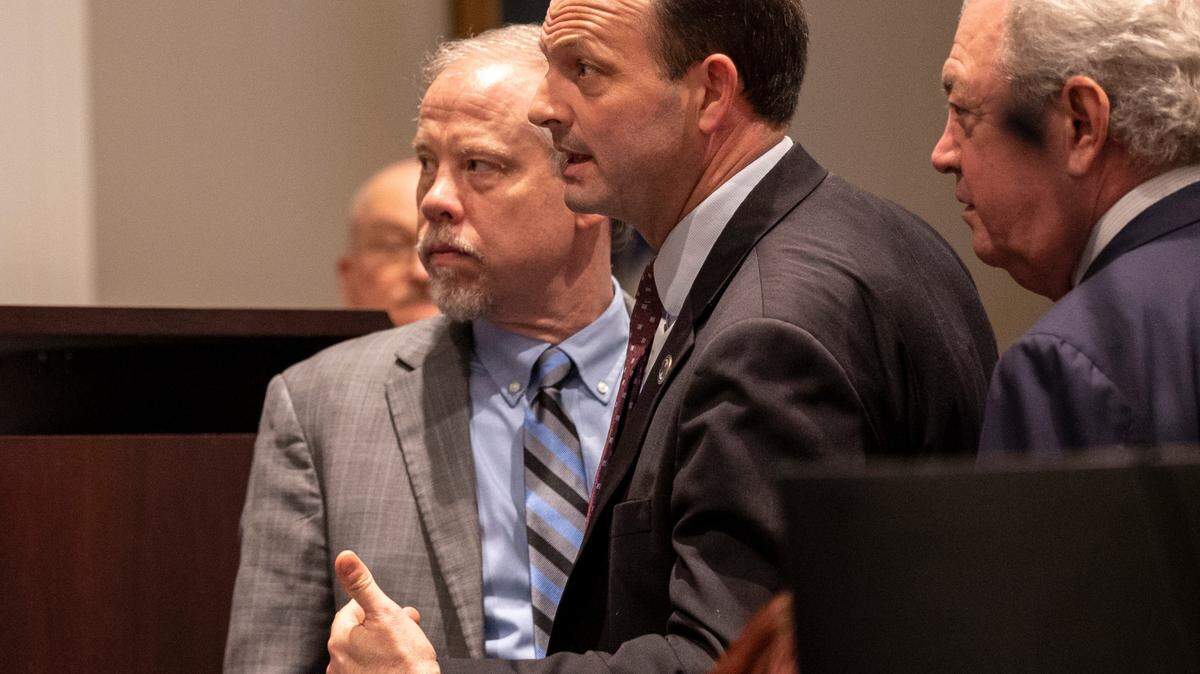
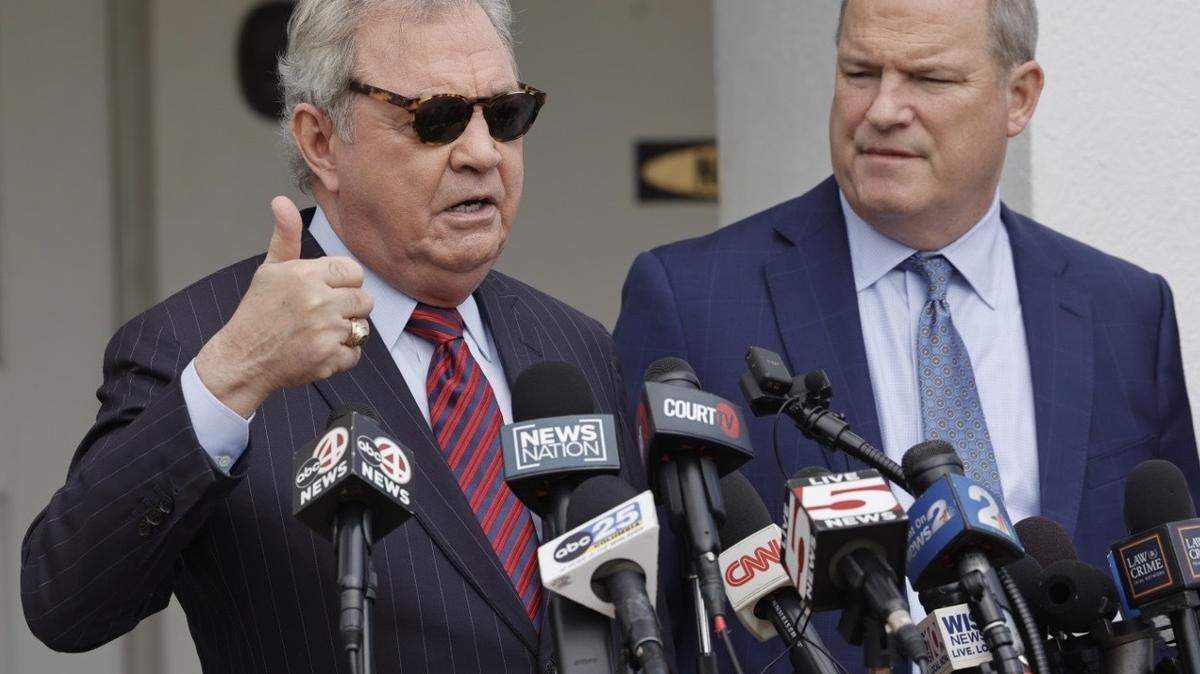
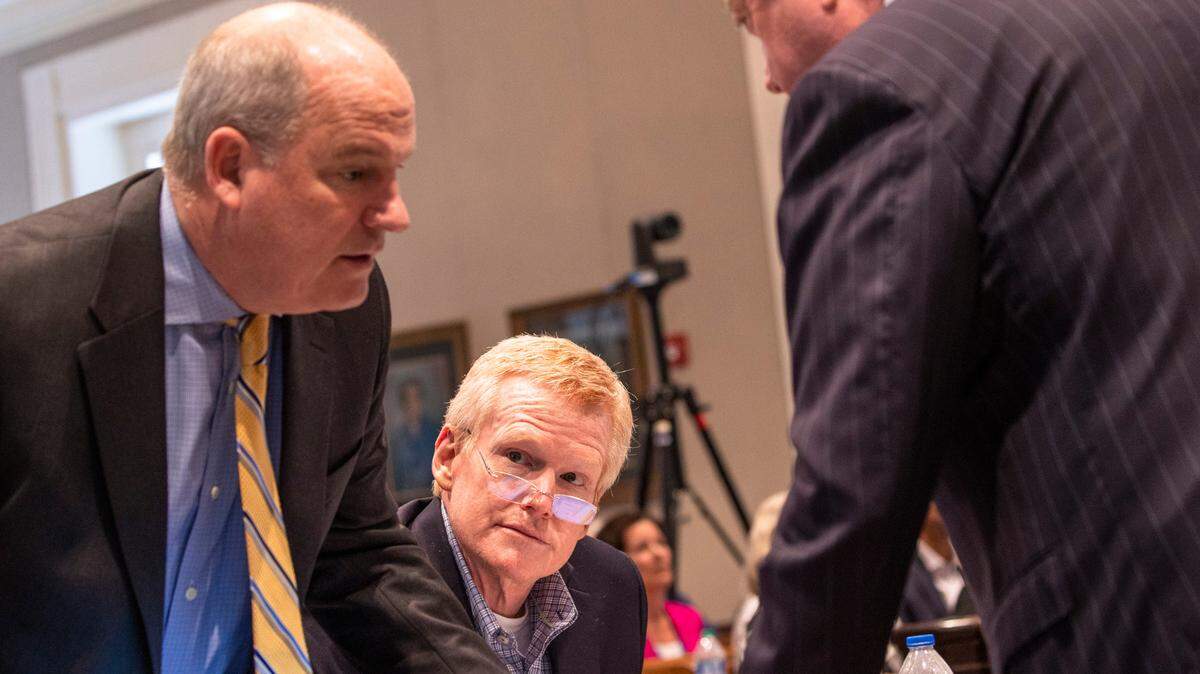
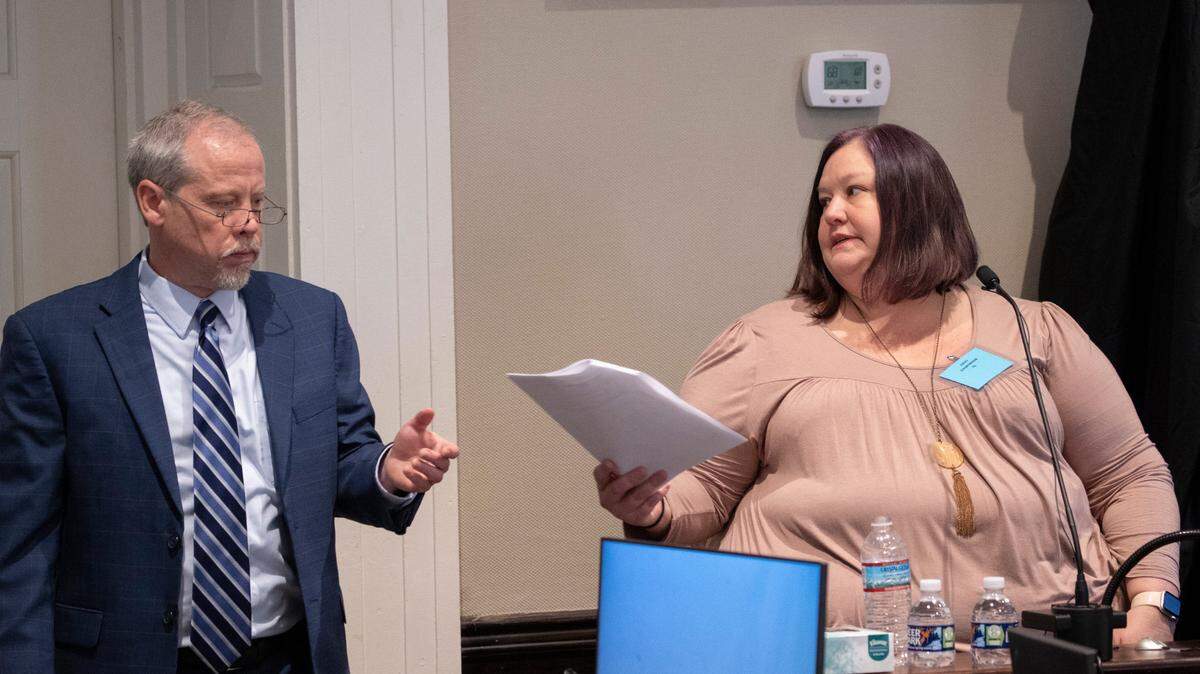
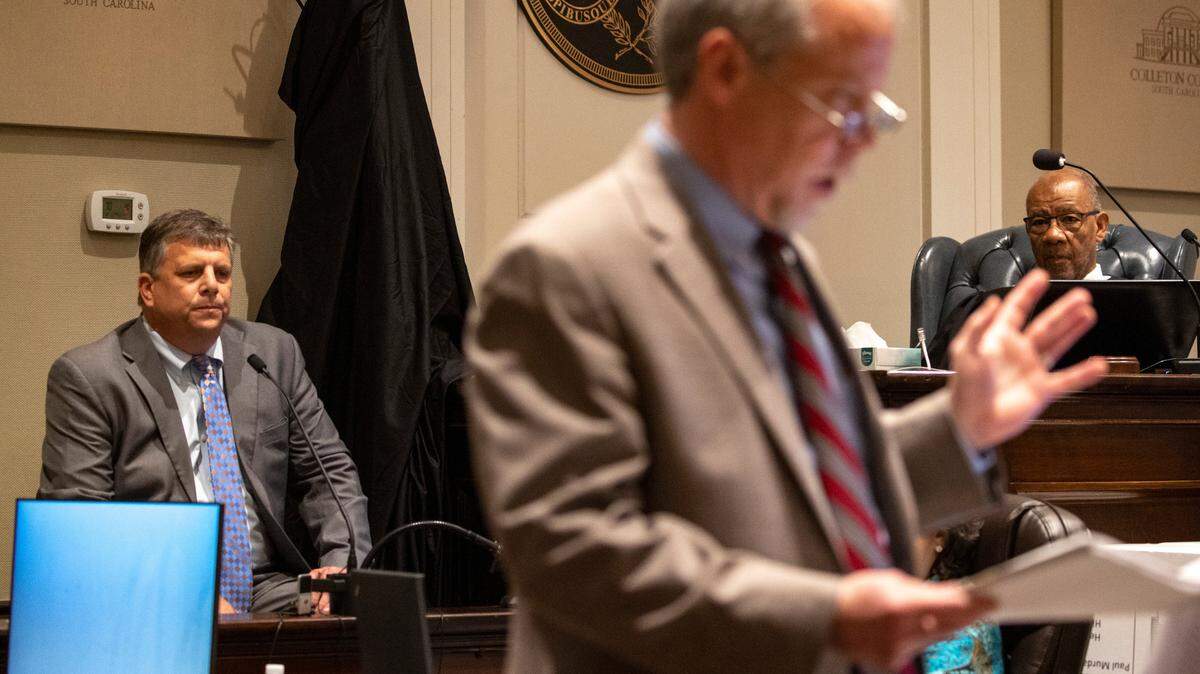
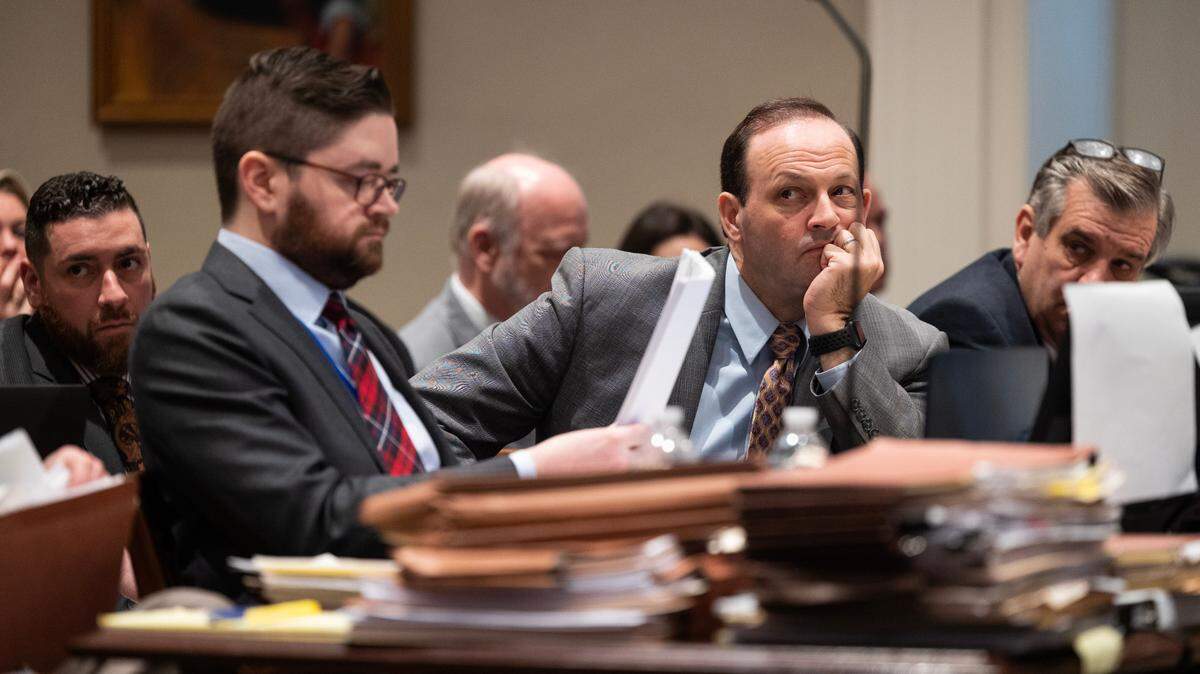
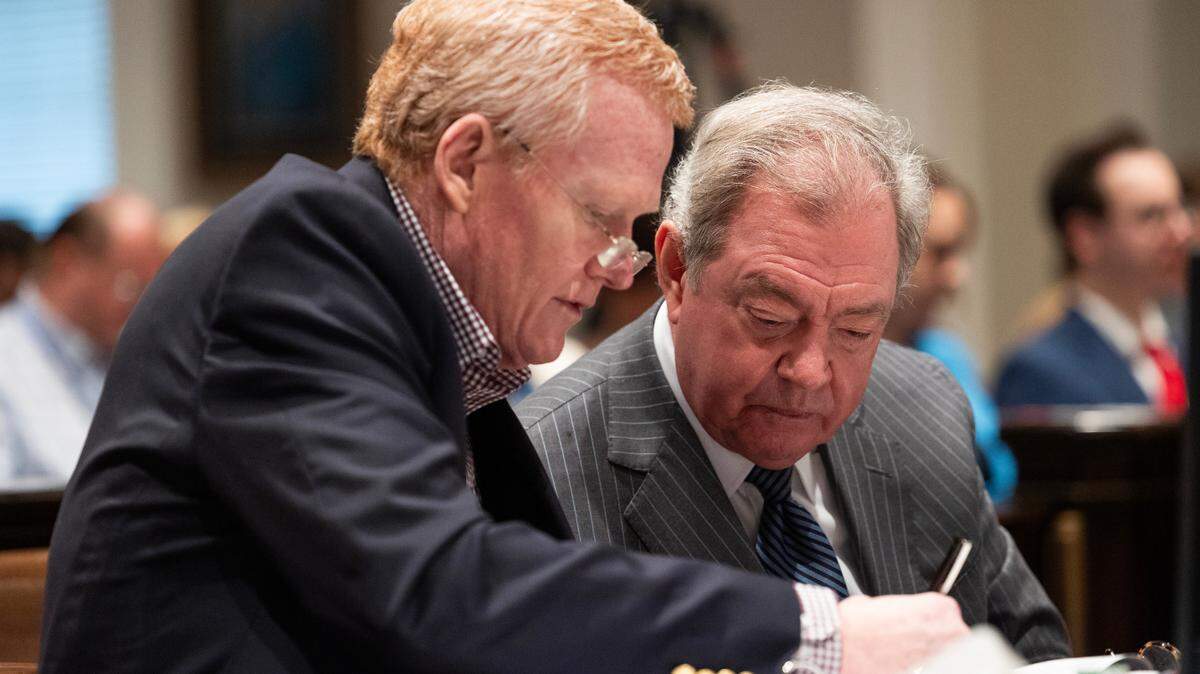
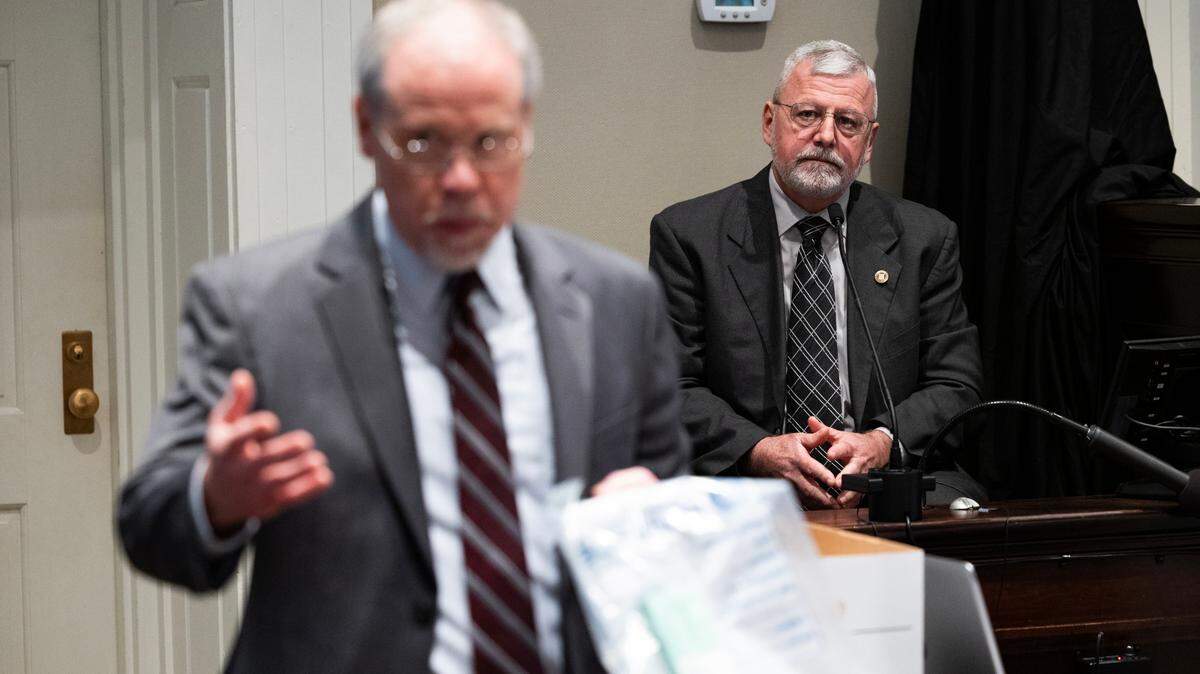
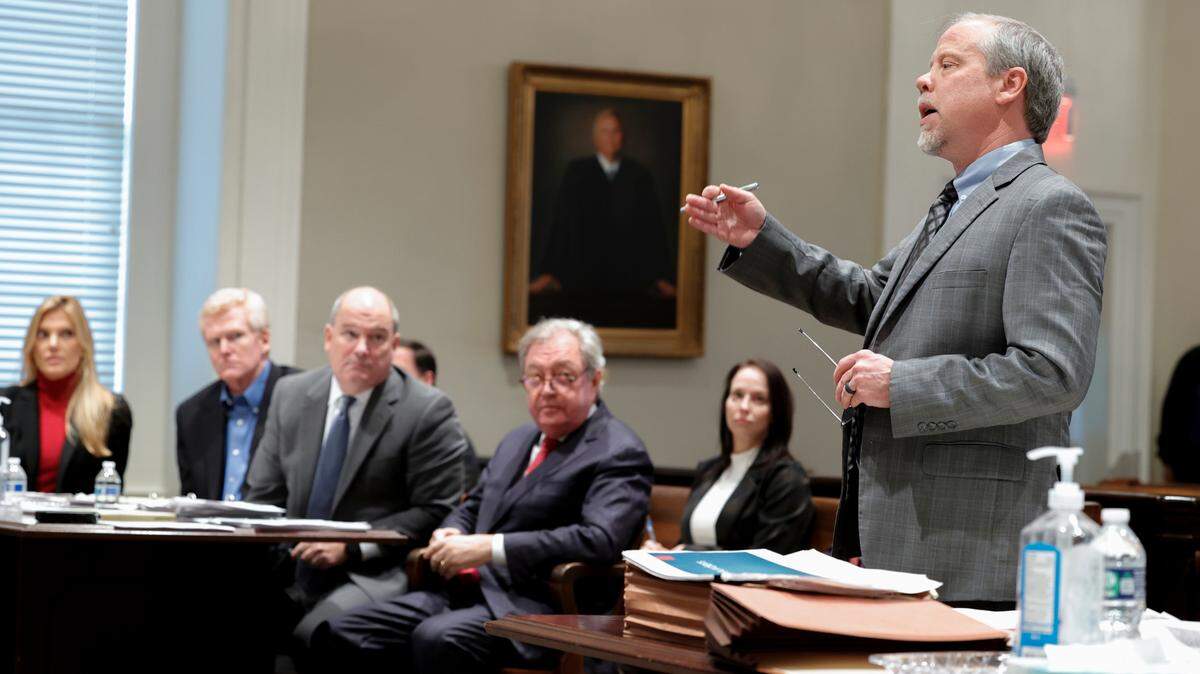
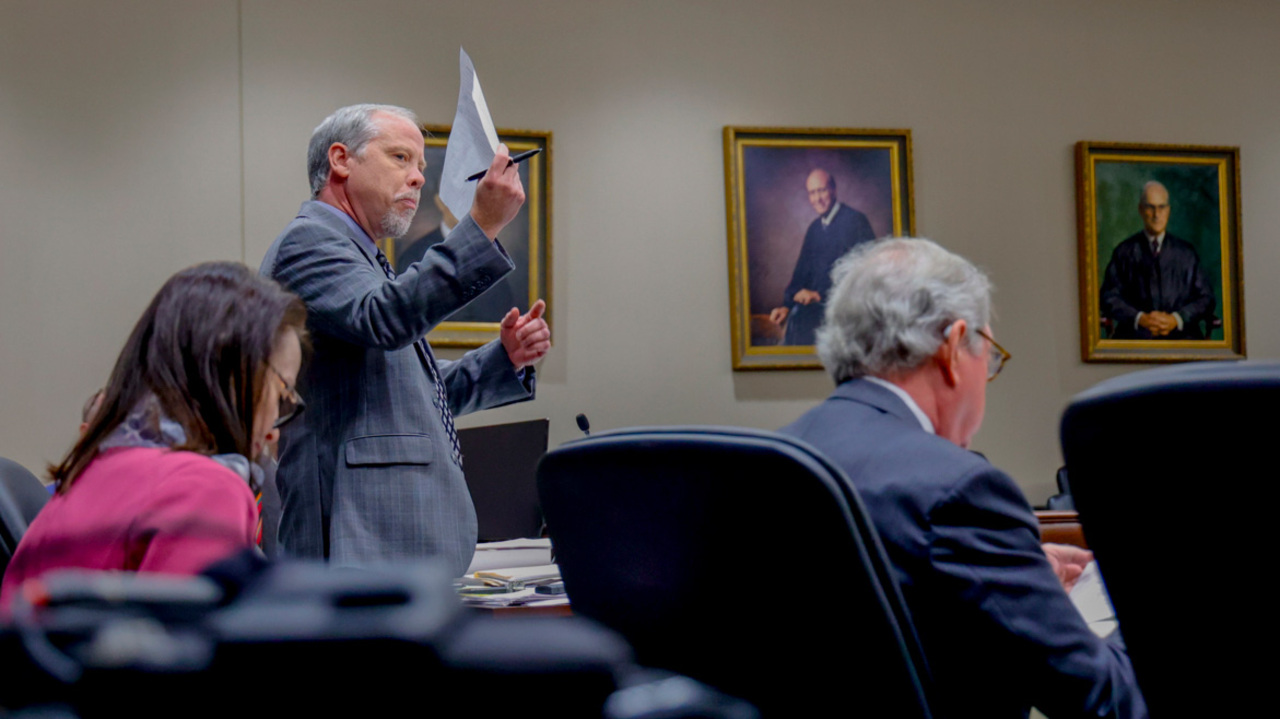
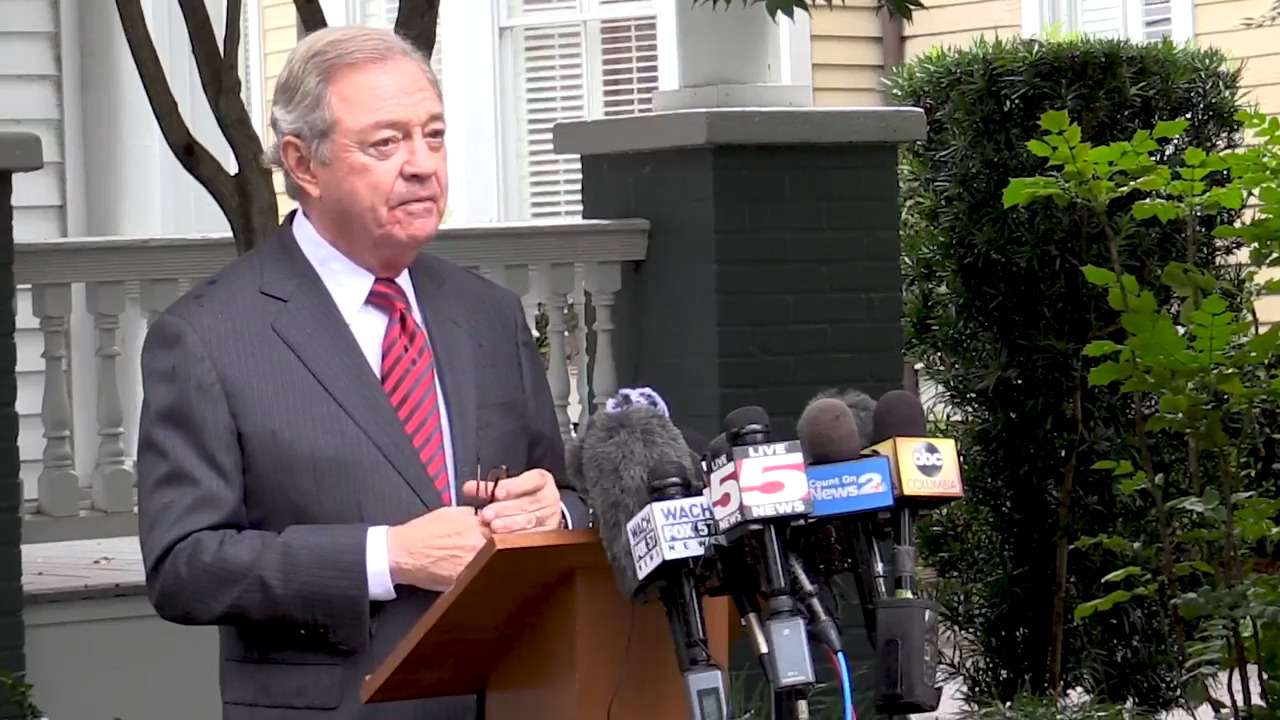
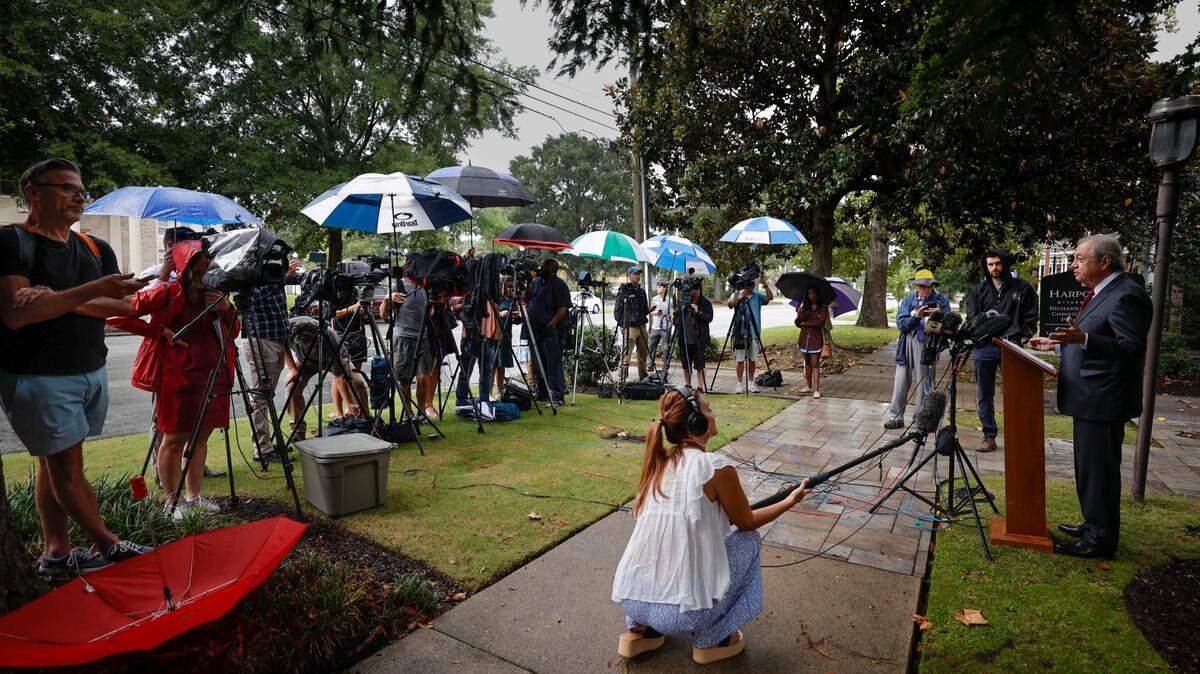
This time Dr. Ellen Riemer, a forensic pathologist from the Medical University of South Carolina, answered questions from defense attorney Dick Harpootlian.
Harpootlian often delved into the gruesome details of the slayings.
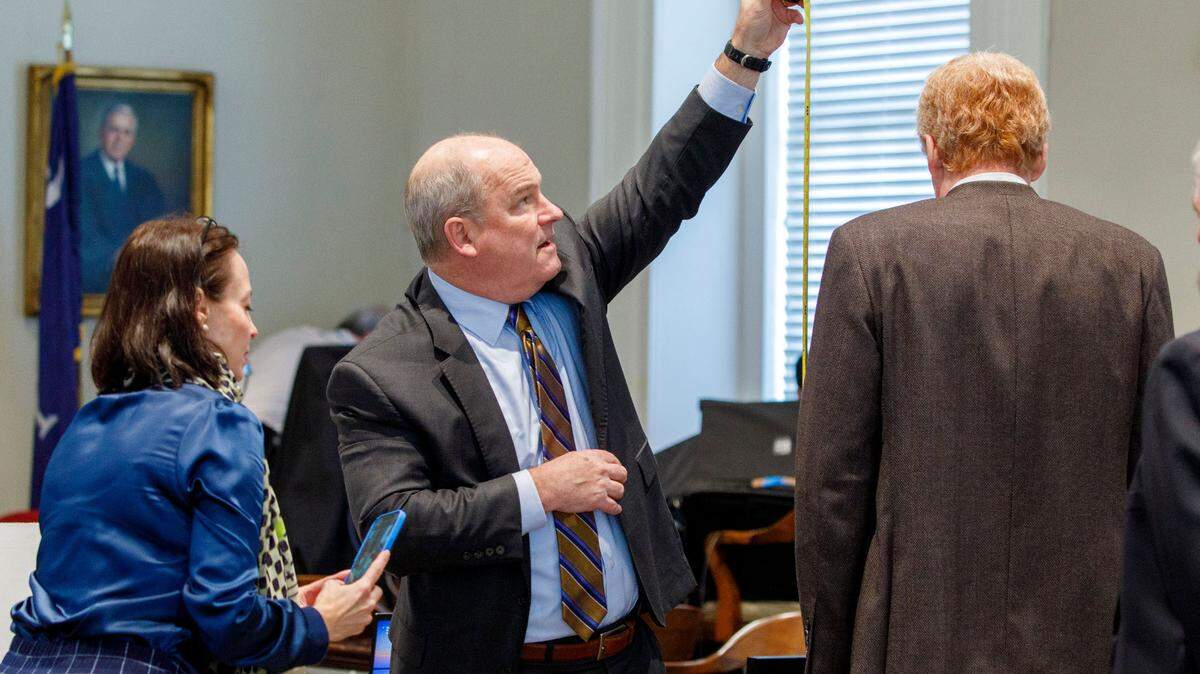
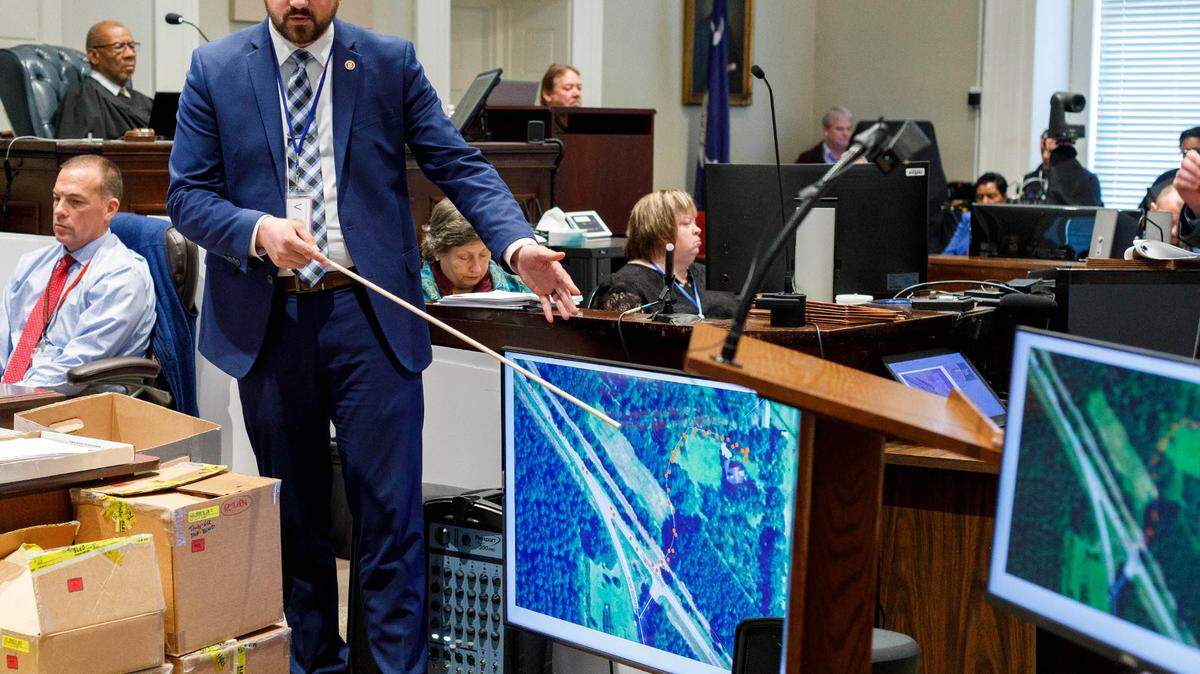
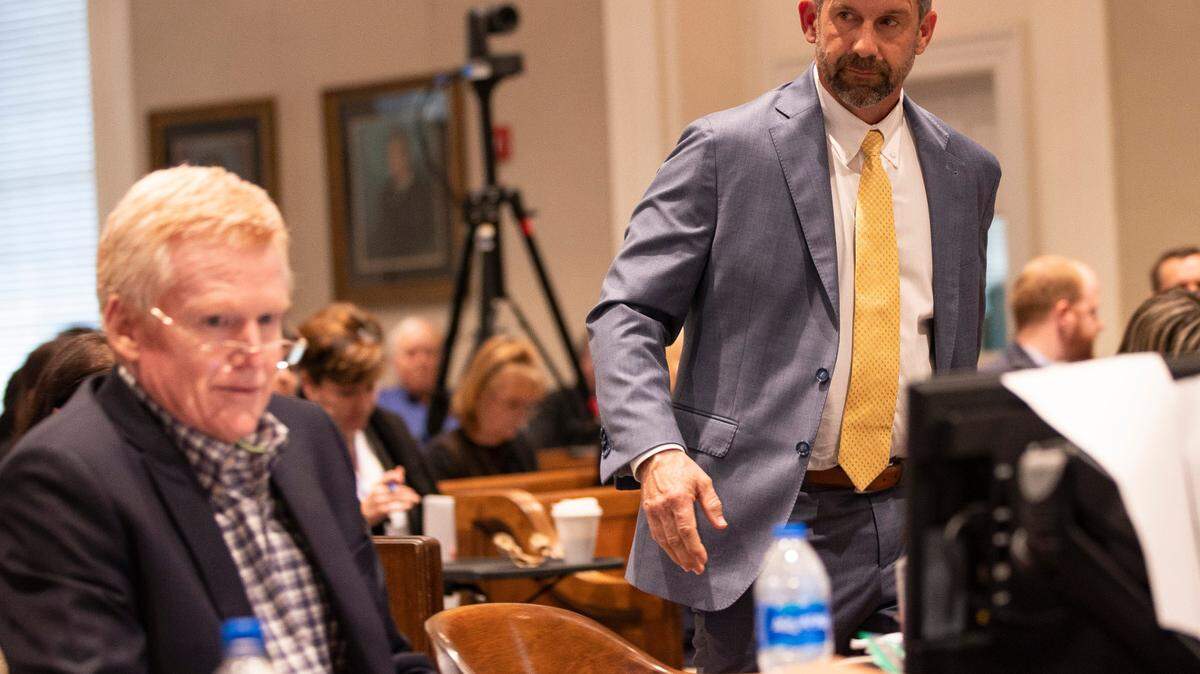
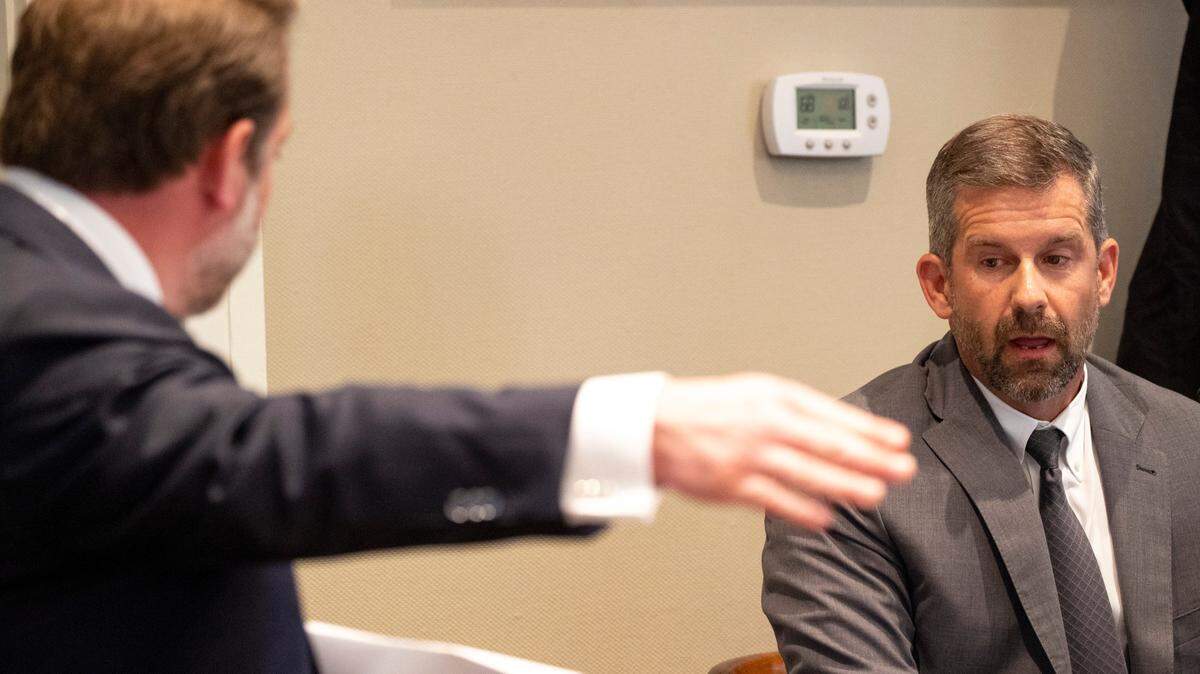
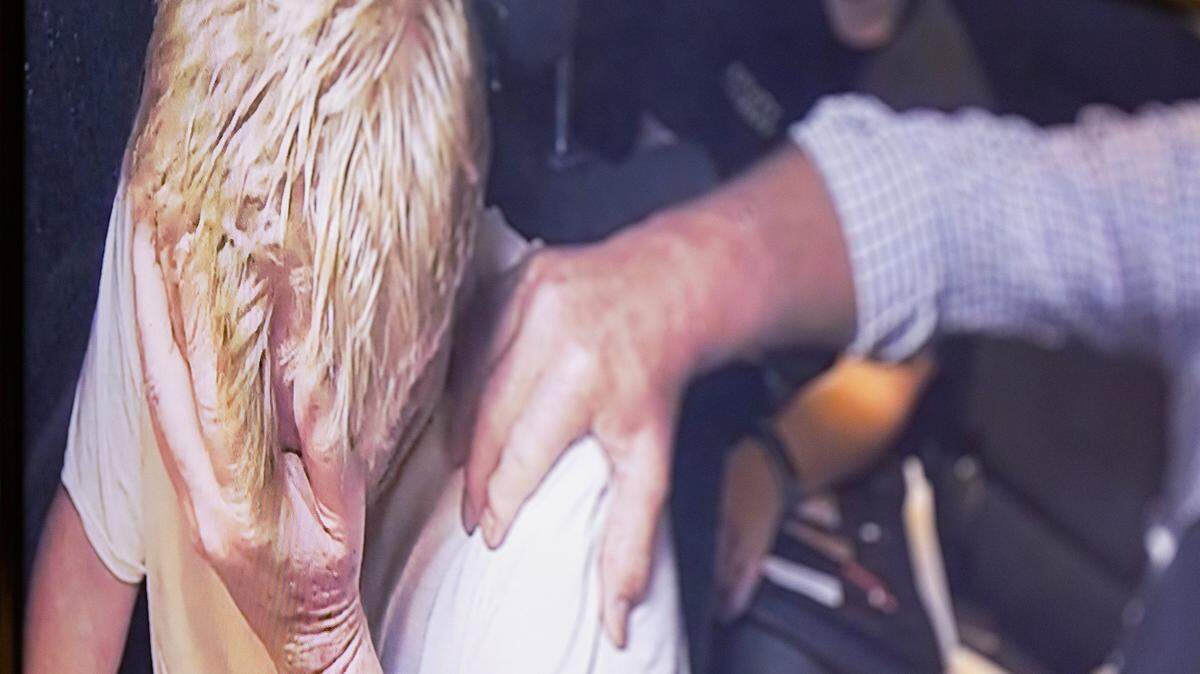
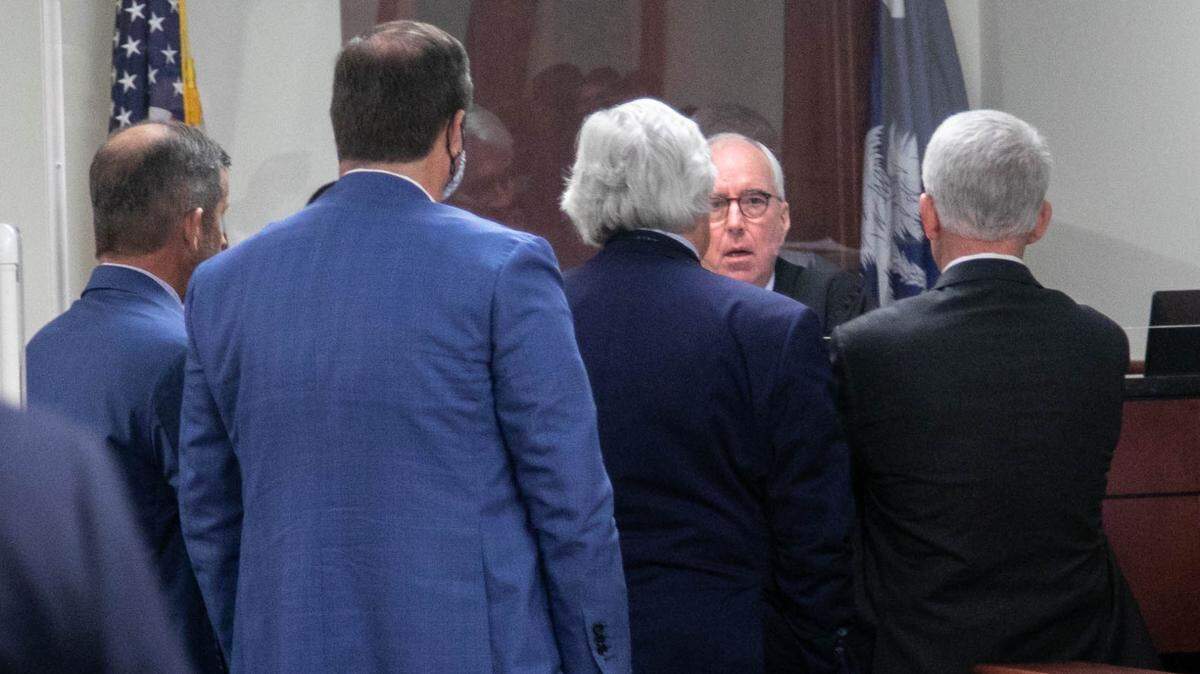
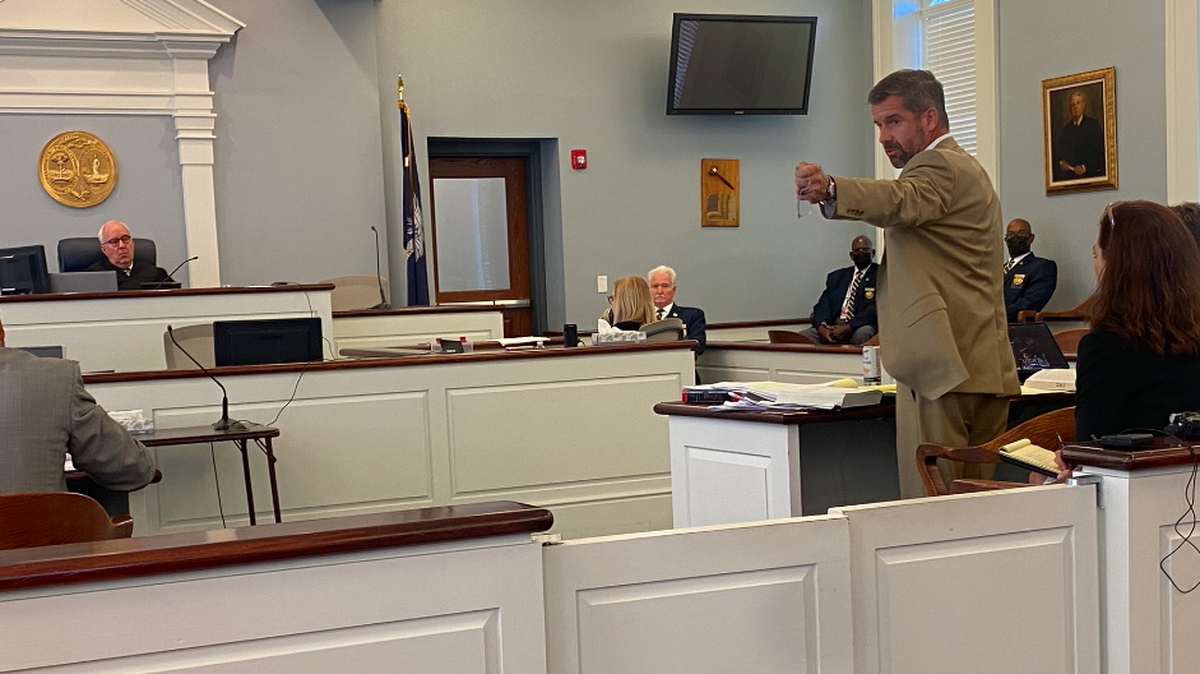
At times, Harpootlian had fellow defense attorney Phil Barber stand in front of the jury, acting as a living dummy. Harpootlian occasionally prodded his associate, a graduate of Duke law school and a former clerk for federal Judge Richard Gergel, with a pointer in order to demonstrate the exact points on the body different shots entered and exited the victims.
In cross-examination, Harpootlian appeared to take several different strategies.
He questioned her assessment of the direction of the pellets, why Paul’s head wasn’t shaved to check for soot, or why specific photos weren’t taken and why her opinions differed from examples offered in a pathology textbook.
“I would say that people can disagree. That doesn’t change the truth,” Riemer responded during one particularly bracing exchange.
At other times, Harpootlian entered new, graphic photos of the victims into the record, apologizing to the jury for doing so.
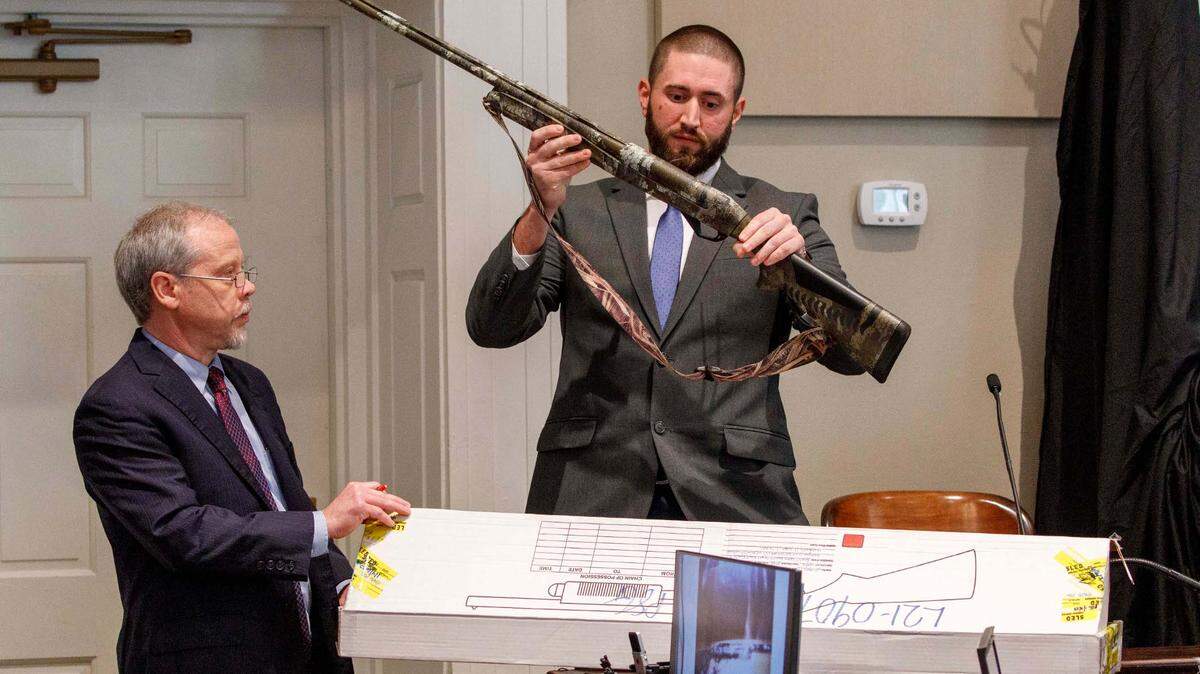
Paul’s brain arrived separately from his body, Riemer testified. Harpootlian spent much of his cross-examination focused on this fact, arguing that gasses ejected from the shotgun fired at close range forced Paul’s brain out of the top of his skull, in contrast to Riemer’s assessment that the second shot was fired from at least 3 feet away.
“A contact wound to the head like that would have caused fragmentation of the brain not ejection of the brain,” Riemer replied.
Harpootlian’s testimony expanded his opening statement in the murder trial at the Colleton County Courthouse.
Three weeks ago, Harpootlian made a point to underline the “slaughter” of Maggie and Paul, and how Paul’s brain could only have been ejected by a close range shotgun blast, in contrast to the defendant he painted as a loving husband and father.
Harpootlian based much of his attack on Riemer’s findings about the brain on a passage from a pathology textbook that he referred to as the profession’s “Bible.”
“It’s a well regarded text,” Riemer replied, before saying that in her professional opinion the defense attorney was “extending” the author’s position.
But Harpootlian did not directly question whether any evidence existed to suggest another shooter was responsible for Paul and Maggie’s deaths.

Pathologist pinpoints the shots that killed Maggie, Paul
Riemer answered prosecutors’ questions Monday afternoon. She detailed the injuries to both Paul and Maggie, marking different gunshot wounds on a poster-sized outline of a human body for the jurors.
Paul, 22, was shot at close range twice and would have survived if the second blast of a shotgun to his shoulder and head hadn’t killed him instantly, testified Riemer, a Medical University of South Carolina pathologist who has done some 5,500 autopsies.
The second shotgun blast struck his shoulder, face and head, separating his brain from his head, she testified.
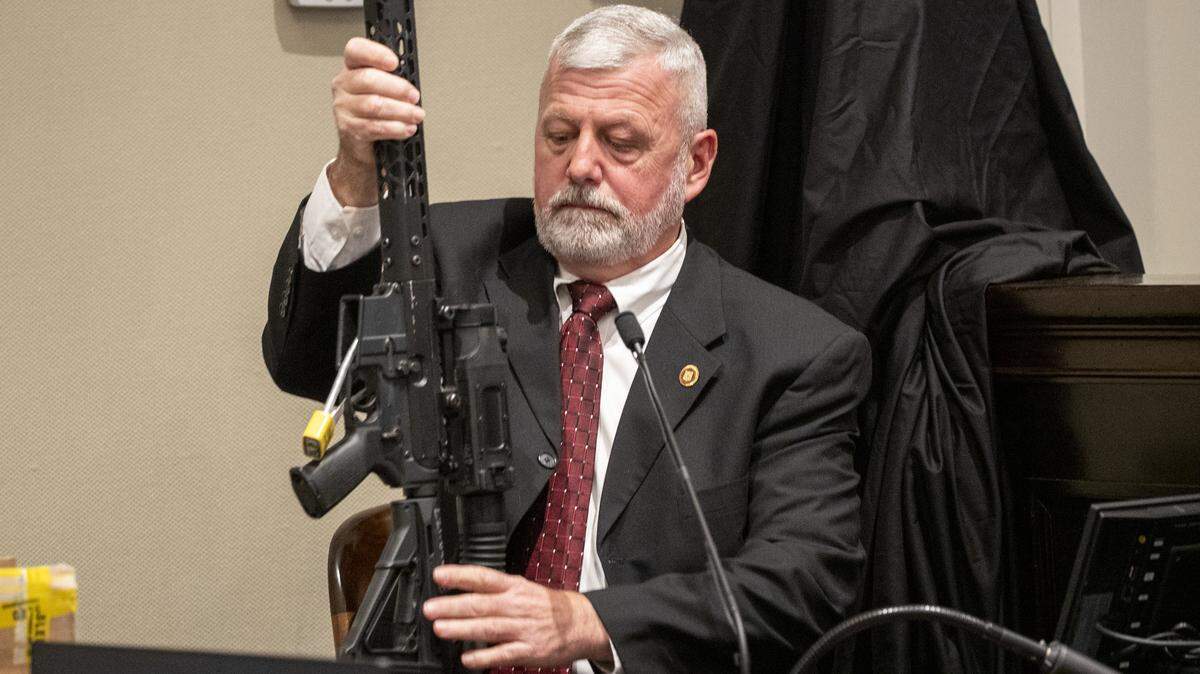
Maggie, 52, was killed by bullets “from a completely different weapon,” an assault rifle, testified Riemer, the state’s 51st witness. The two bullets that struck Maggie — one in the stomach area and the other to the upper thigh — were also fired at close range, Riemer testified.
Both wounds had the marks of gunpowder, a sign of a weapon fired at close range, she said. A third bullet struck Maggie in the upper right chest and traveled to the face and into the head and brain, Riemer testified, adding those shots would have been fatal.
A fourth bullet, likely fired when Maggie was bent over and not yet on the ground, hit the back of her head and traveled into her skull, Riemer testified as Waters showed with his own body where the bullets hit.
“Either one would have been immediately fatal,” Riemer testified.
This story was originally published February 14, 2023 at 2:53 PM with the headline "Video from Murdaugh dog kennels could answer lingering question about murders."
.jpg)



























































_fitted.png)