
Why were Monday’s ‘firehose’ rains in Southeastern NC so much worse than forecast?
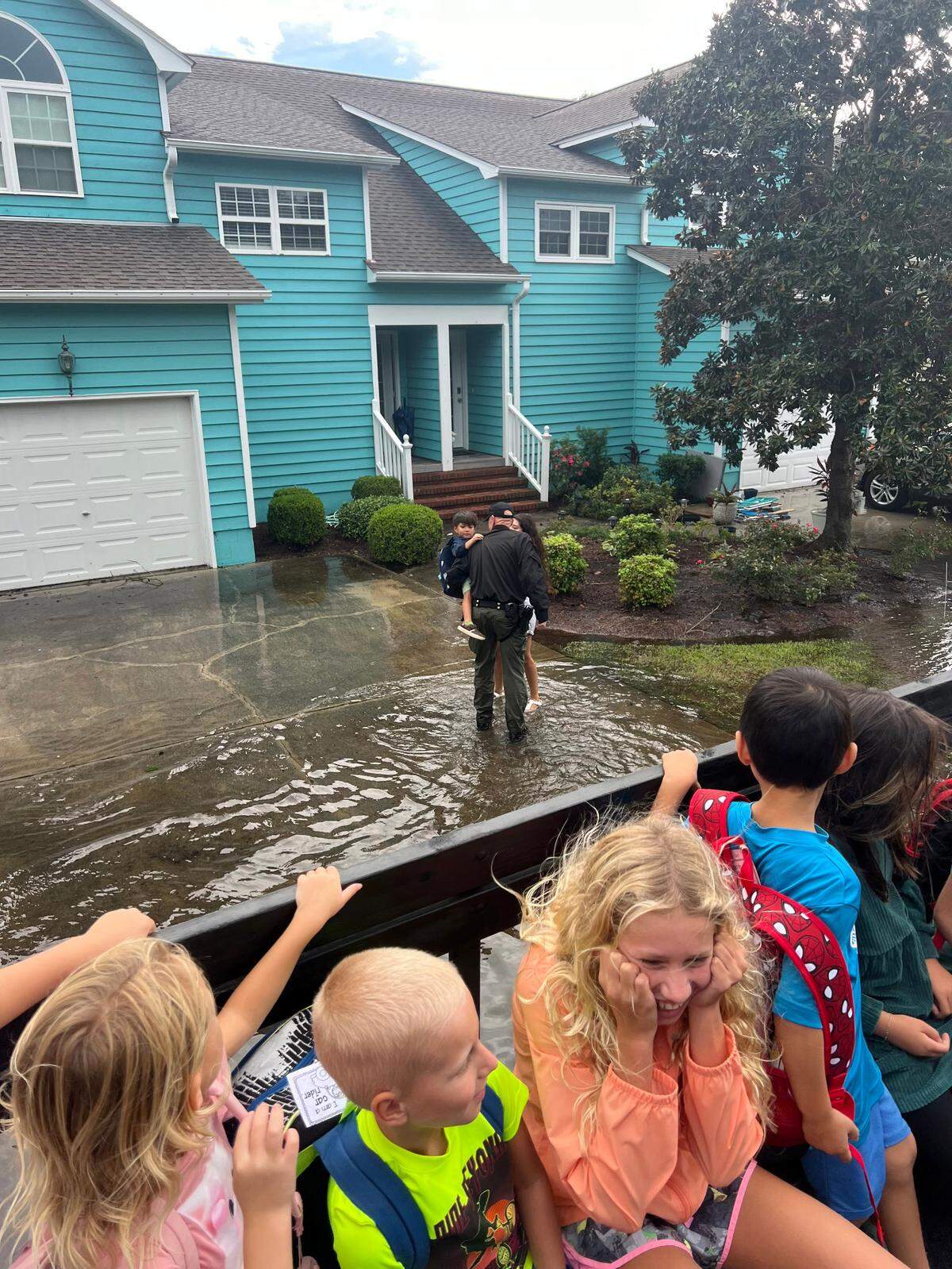
Monday morning, children went to school in Carolina Beach while adults went to work in Brunswick County.
When everyone went to bed Sunday evening, forecasters had been predicting that the storm tagged as Potential Tropical Cyclone Eight would drop three to six inches of rain on the region, with some areas seeing as much as eight inches. That’s a high amount of rain, but not unheard of in storm-prone Southeastern North Carolina.
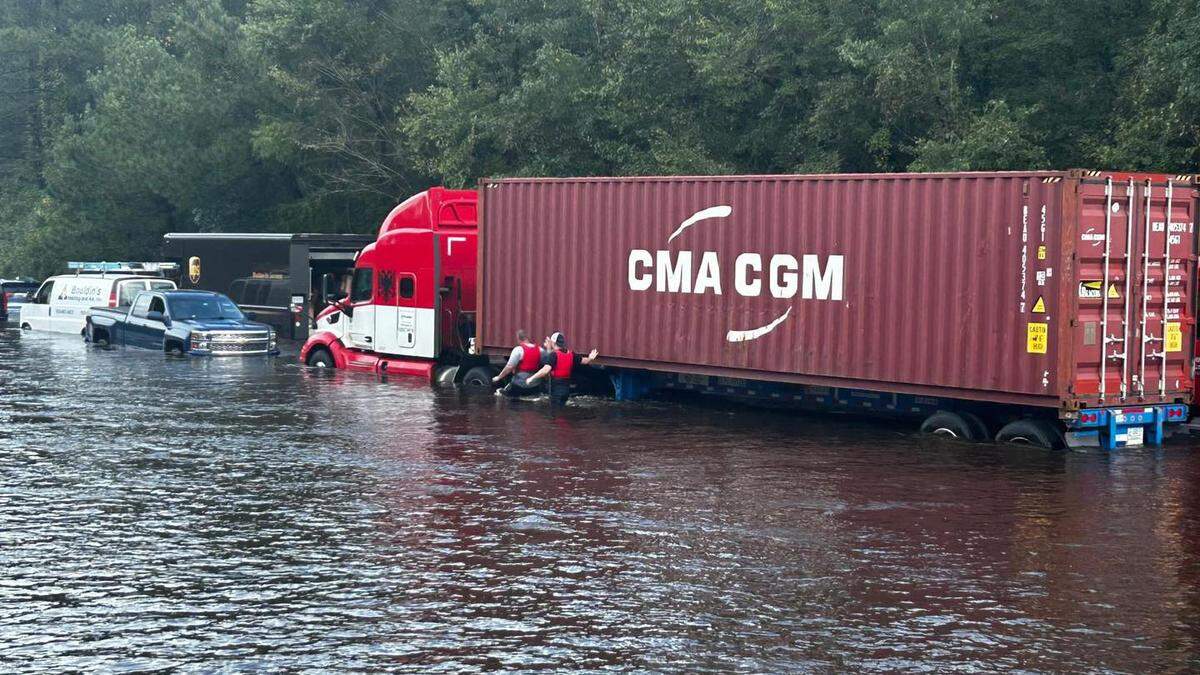
But by early afternoon historic rainfalls had ended the school day early. And some of those children reached home in flooded Carolina Beach on a military style, high-clearance vehicle. Local news sources like WECT-TV said hundreds of drivers were stranded on Brunswick County roads Monday, unable to use flooded or washed out thoroughfares.
So how did a storm that was forecast to bring 6 inches of rain end up dropping 20.26 inches of rain on Bald Head Island, an amount that the National Oceanic and Atmospheric Administration’s Atlas 14 defines as a storm with a 1-in-500 chance of happening in any given year?
Several factors made the forecast difficult, said Steve Pfaff, the meteorologist in charge of the National Weather Service’s Wilmington office.
Forecasters didn’t know where the storm was going to develop or whether it was going to take on the characteristics of a tropical storm or a nor’easter.
“It’s all trying to be as clear as we can in an uncertain environment that’s inherent to forecasting, especially with tropical systems,” Pfaff said.
Further adding to the difficulty, Pfaff added, was the relatively small geographic area that weathered the storm’s most significant impacts.
A ‘firehose’ rainfall
The National Hurricane Center projected that the storm could develop anywhere between Edisto Beach and Cape Lookout. Ultimately, the low pressure area ended up developing off of the Cape Fear region’s coast.
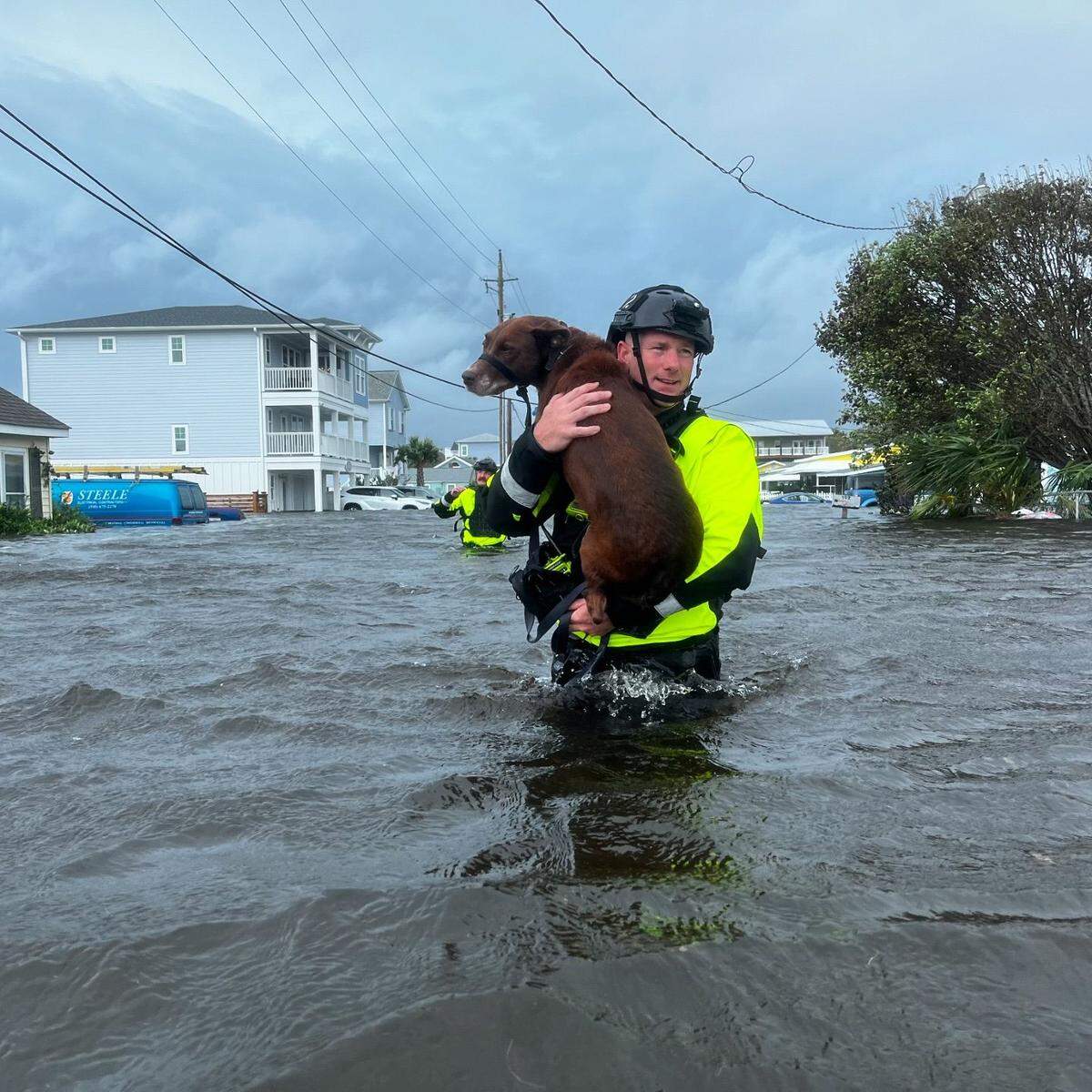
That low ended up causing what Pfaff called a “firehose” effect in the Cape Fear region, dropping immense amounts of rain on southern New Hanover and Brunswick counties. Radar showed a long band of rainfall dragging north up the Southeastern North Carolina coast Monday morning, raking the Southport and Carolina Beach areas with heavy rainfall for hours.
In Carolina Beach, the storm brought 20.81 inches of rain Monday, according to a volunteer gauge reported to NWS Wilmington. Much of that rain fell within a 12-hour period, Pfaff added, which could mean it was a 1,000-year storm.
North Carolina’s single-day record rain event is 22.22 inches, recorded in July 1916 in Mitchell County’s Altapass.
Beginning last Thursday, forecasters were expecting some impacts from the storm, Pfaff said. But they didn’t know where it was going to develop or what kind of storm it was going to be.
“It wasn’t like we were tracking a hurricane from across the Eastern Atlantic and you have 10 days for it, it’s already evolved and it’s a matter of where it’s going to go and how intense it’s going to be,” Pfaff said.
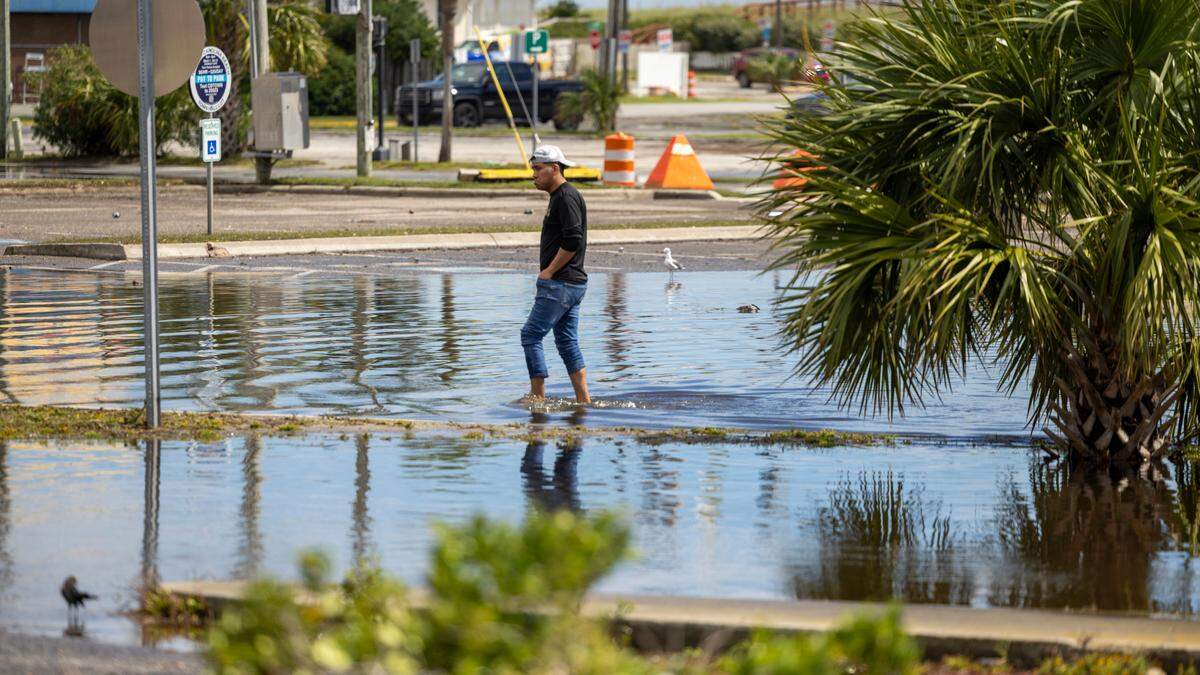
No injuries or deaths have been reported from this week’s storm. Homes and businesses in Southport and Carolina Beach have reported widespread flooding, while key Brunswick County roads like N.C. 211 and N.C. 133 suffered damage.
North Carolina’s recent history has shown that a tropical system doesn’t need to have a high-number hurricane classification or even a formal designation to cause significant devastation. In 2018, Category 1 Hurricane Florence caused tens of billions of damage and caused 42 deaths in North Carolina.
Last year, Tropical Storm Ophelia made landfall near Emerald Isle before dropping 5 inches of rain on New Bern and 4.5 inches on Greenville. That storm’s development reminded North Carolina State Climatologist Kathie Dello of the one that hit the Wilmington area this week.
“We’ve been accustomed to preparing for tropical storms and hurricanes, which get named based on wind speed. Here in North Carolina, we know that impacts sometimes come from storm surge or flooding or extreme precipitation like we saw over the last two days with this system,” Dello said.
Climate change making storms more likely
This week’s storm is the ninth time since 1999’s Hurricane Floyd that the Wilmington area has experienced extreme rainfall, Pfaff said. It’s not surprising that significant rainfall is becoming more common, Pfaff added.
“If you have a warmer atmosphere, it’s going to hold more water and if you have an atmosphere that holds more water then the potential for excessive intense flooding events becomes more probable,” Pfaff said.
Corey Davis, North Carolina’s assistant state climatologist, said this is the third time since Floyd that Southeastern North Carolina has experienced a so-called 500-year storm. That’s a storm that NOAA says has a one-in-500 chance of happening in a given year.
Floyd dropped 18.30 inches of rain on Southport in 1999, while Florence’s 31.26 inches of rain over four days in 2018 were more intense than even the so-called 1,000-year storm.
This week’s storm, Davis wrote, “was essentially a Floyd-level event, which is significant, especially considering this wasn’t a named tropical storm or hurricane.”
This story was produced with financial support from the Hartfield Foundation and Green South Foundation, in partnership with Journalism Funding Partners, as part of an independent journalism fellowship program. The N&O maintains full editorial control of the work. If you would like to help support local journalism, please consider signing up for a digital subscription, which you can do here.
This story was originally published September 17, 2024 at 5:01 PM.