What’s a State of Emergency? Here’s what it means when one is declared in NC
READ MORE
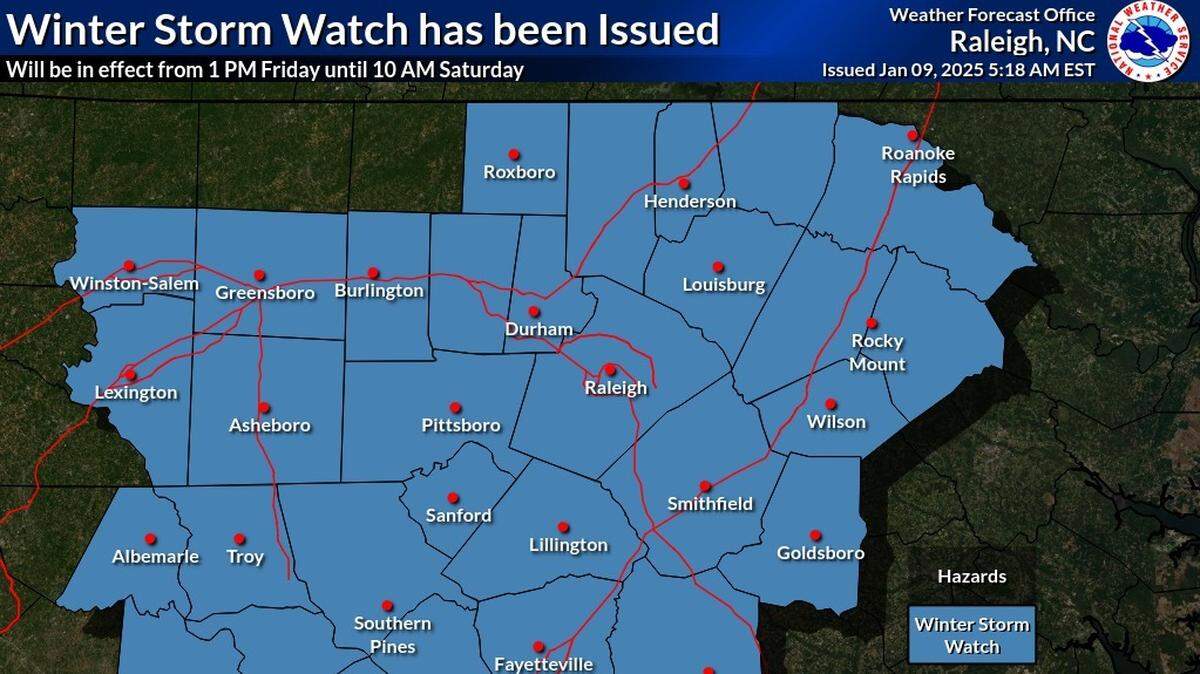
Winter storm in the Triangle
From the forecast and power outages to closings, road conditions and sporting events, here’s everything you need to know about the winter storm in the Triangle.
Expand All
A State of Emergency can sound scary.
When the state governor (or another governing official) declares one, here’s what it means.
What does a ‘State of Emergency’ mean in NC?
A State of Emergency can be declared by a governor, local mayor, governing body of a municipality, county or the General Assembly.
According to the Department of Public Safety, declaring a State of Emergency will:
Enable government officials to take extra measures to protect the public.
Trigger anti-price gouging laws.
Seek state or federal funding aid for disaster response if it is warranted.
Declarations typically include:
A description of the geographical area covered.
Lists of prohibitions and/or restrictions on certain activities.
At the state level, other executive orders may be issued along with the state of emergency declaration.
Restrictions can include limiting transportation, controlling the comings and goings from an emergency area or ordering evacuations.
Does a ‘State of Emergency’ mean schools, offices are closed?
A state of emergency does not mean:
Schools, businesses or government offices are automatically closed. (Note: Some school districts, colleges, universities and employers may have established policies about closing during a declaration.)
You cannot drive. (Note: Unless this is specifically stated in the declaration.)
Source: ncdps.gov
State of Emergency examples in North Carolina
Former Gov. Roy Cooper made a few State of Emergency declarations over the past couple years, mostly in response to extreme weather events.
Here are a few examples:
Wildfires in western NC: In November 2023, Cooper’s declaration canceled all burning permits across certain counties and banned excessive pricing in the emergency area.
Hurricane Ian: In September 2022, Cooper’s declarations waived transportation regulations to help transport fuel and critical supplies and protected consumers from price gouging in the affected area.
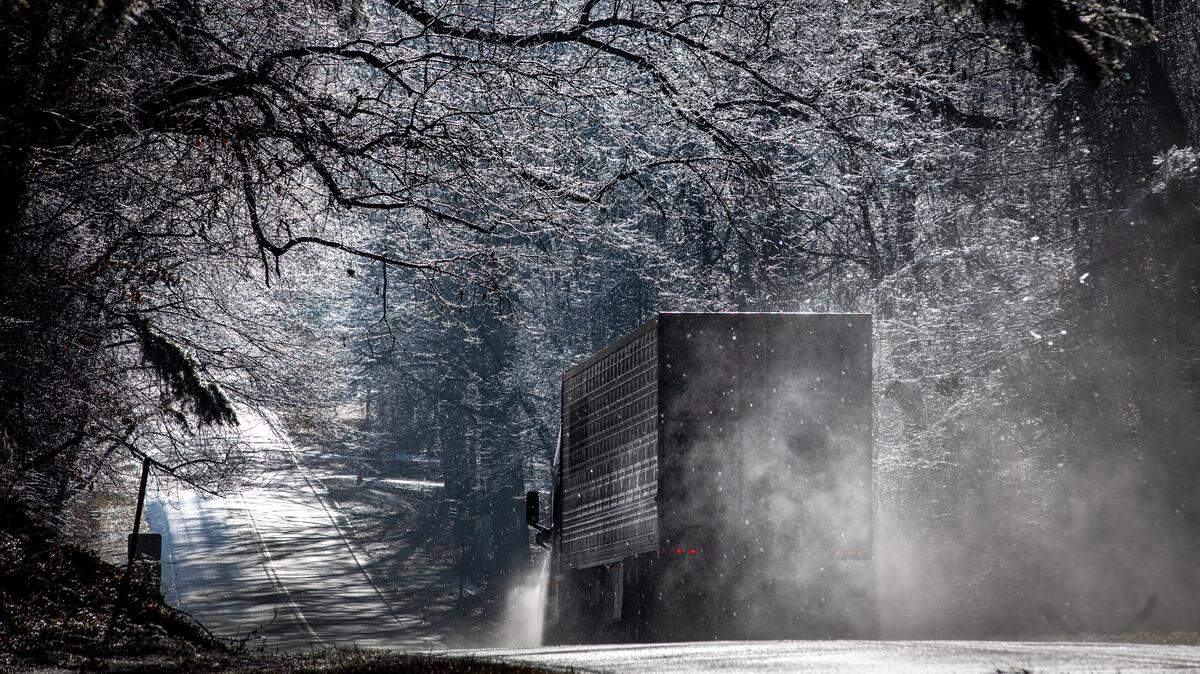
Winter storms: In January 2022, Cooper’s declaration temporarily stopped weighing vehicles used to transport livestock, poultry or crops ready to be harvested (in response to the imminent threat of severe economic loss) and banned excessive pricing in the emergency area.
This story was originally published January 9, 2025 at 6:39 PM.