How much snow & ice accumulation will the Triangle get? Latest forecast
AI-generated summary reviewed by our newsroom.
- NWS issues winter storm watch for central North Carolina, in effect starting Jan. 24.
- Models trending toward freezing rain and ice accumulation, with reduced snowfall totals.
- Impacts from the storm include power outages, slick roads and cold temperatures.
Read the latest story from Sunday, Jan. 25: Winter storm brings snow, ice on Sunday morning: Latest Triangle forecast, closings
Meteorologists at the National Weather Service in Raleigh will announce Thursday, Jan. 22 their initial forecasts for snow and ice accumulation from the upcoming winter storm.
For days, they have been warning of wintry precipitation that could cause power outages and make travel more dangerous — and urging people to prepare.
On Wednesday, Jan. 21, North Carolina Gov. Josh Stein declared a statewide state of emergency ahead of the storm, and the National Weather Service issued a winter storm watch for parts of central North Carolina, including the Triangle. By Thursday, the watch had been expanded to include all of central North Carolina, and is in effect from 1 p.m. Saturday, Jan. 24 through 1 p.m. Monday, Jan. 26.
As of Thursday morning, models were trending toward a storm with less snow accumulation and more icing (freezing rain) potential.
The heaviest precipitation is expected to fall between Saturday evening and Sunday evening, Jan. 25.
Snow, ice accumulation forecast
The Raleigh area is expected to get around 1 inch of snow and sleet accumulation from the storm, James Danco, a meteorologist with the National Weather Service, told The News & Observer in a phone call Thursday afternoon.
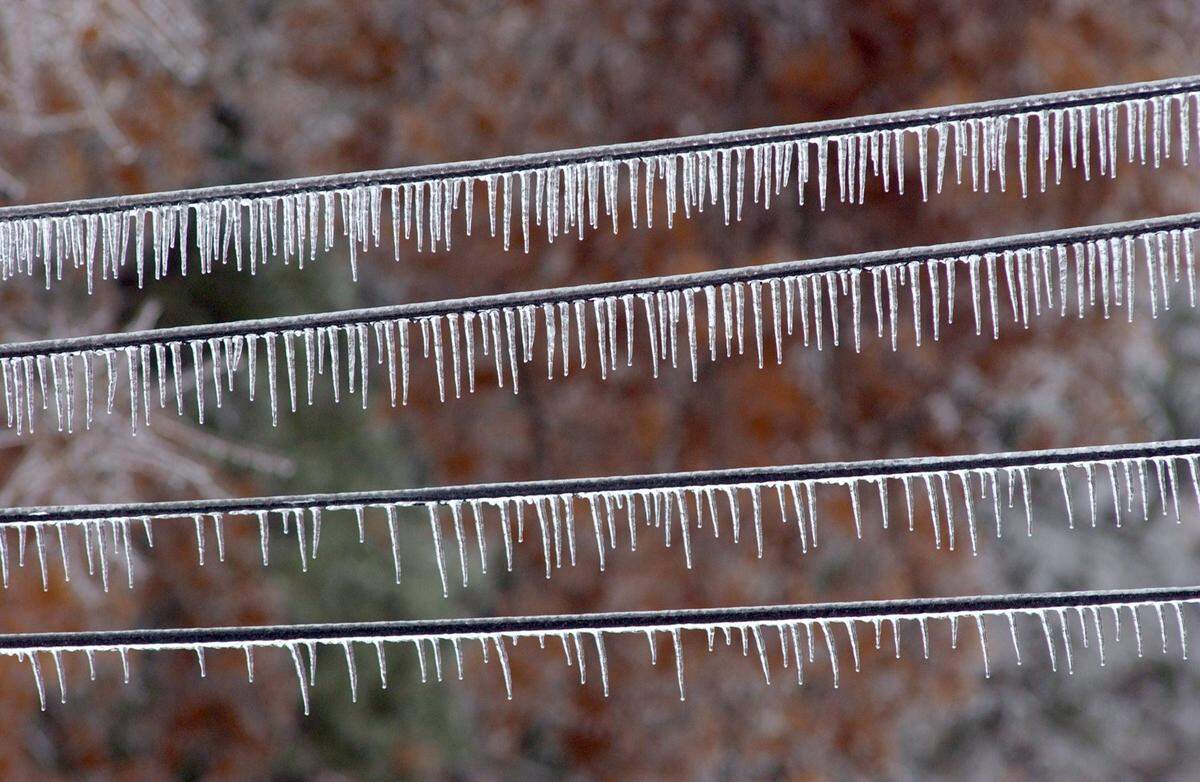
About 0.75 inches of flat ice accumulation is expected from freezing rain, Danco said. Flat ice accumulation is different from radial ice, which is what would accumulate on trees and power lines.
“Not all of the rain actually freezes to those surfaces,” Danco said.
The flat ice accumulation forecast translates to around 0.25 inches to 0.5 inches of radial ice accumulation. That’s enough to start bringing down tree limbs and power lines.
Bitter cold may slow melting
Whenever the precipitation does cease, its impacts will continue for several days — through early next week, according to the National Weather Service.
High temperatures will be in the 20s and 30s for places including Raleigh, Durham, Chapel Hill and Cary from Saturday until Tuesday, Jan. 27. Lows will be in the teens and 20s Saturday and Sunday nights, and mostly in the single digits Monday night.
Wind chill values, or what the temperature feels like, may approach zero, or even fall below it, Tuesday morning.
Sunshine early next week may help melt frozen precipitation, but cold temperatures may refreeze precipitation that hasn’t cleared.
Impacts from winter storm
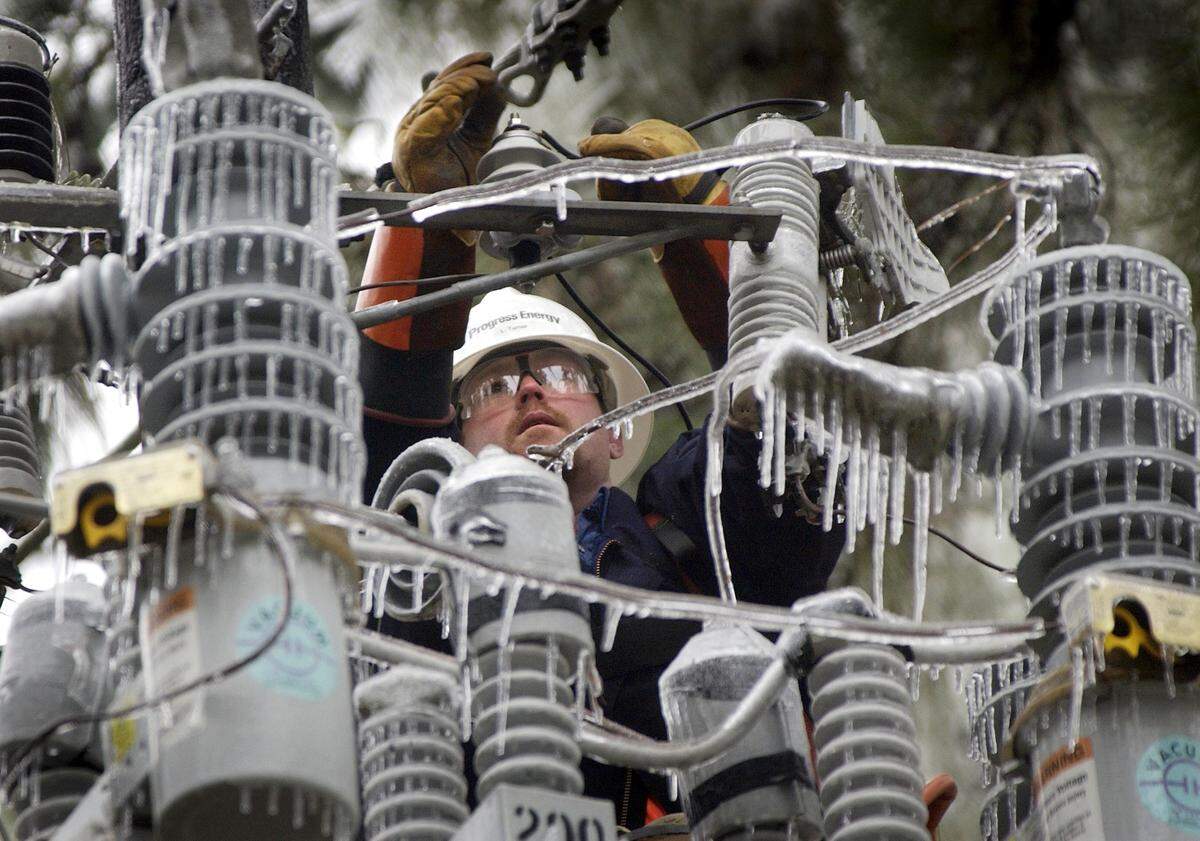
Ice accumulation can cause tree limbs or trees to fall, leading to power outages. Trees can also fall on houses or other buildings, causing damage.
Black ice may be a concern nights and early mornings after the precipitation ends, causing hazards for drivers and pedestrians.
Travel conditions are expected to deteriorate, and roads will likely become slick starting Saturday afternoon.
This story was originally published January 22, 2026 at 7:48 AM.