5 things to do right now before snow or ice arrive in NC this weekend
AI-generated summary reviewed by our newsroom.
- A winter storm is expected to hit NC this weekend. Prep for dangerous roads and outages.
- Stock water, nonperishable food, medications and pet supplies for 3-7 days.
- Charge devices, fuel generators, secure adapters and insulate pipes from freeze.
As a significant winter storm makes its way toward central North Carolina this weekend, now’s the time to prepare.
With the storm still a few days out, forecasters are unable to give a lot of specifics, such as exactly what we’ll see (snow, ice or a mix) and accumulation totals, but they are pretty clear that we will feel serious impacts — dangerous roads and possible power outages in both the Raleigh and Charlotte regions.
You still have time to make a game plan. If you only do five things this week before the bad weather starts Friday night or Saturday morning, prioritize these:
Hit the grocery store for food and water
With a lot of snow or even a little ice, some of us could lose power for a time. Or even with power on, roads may be unsafe for travel.
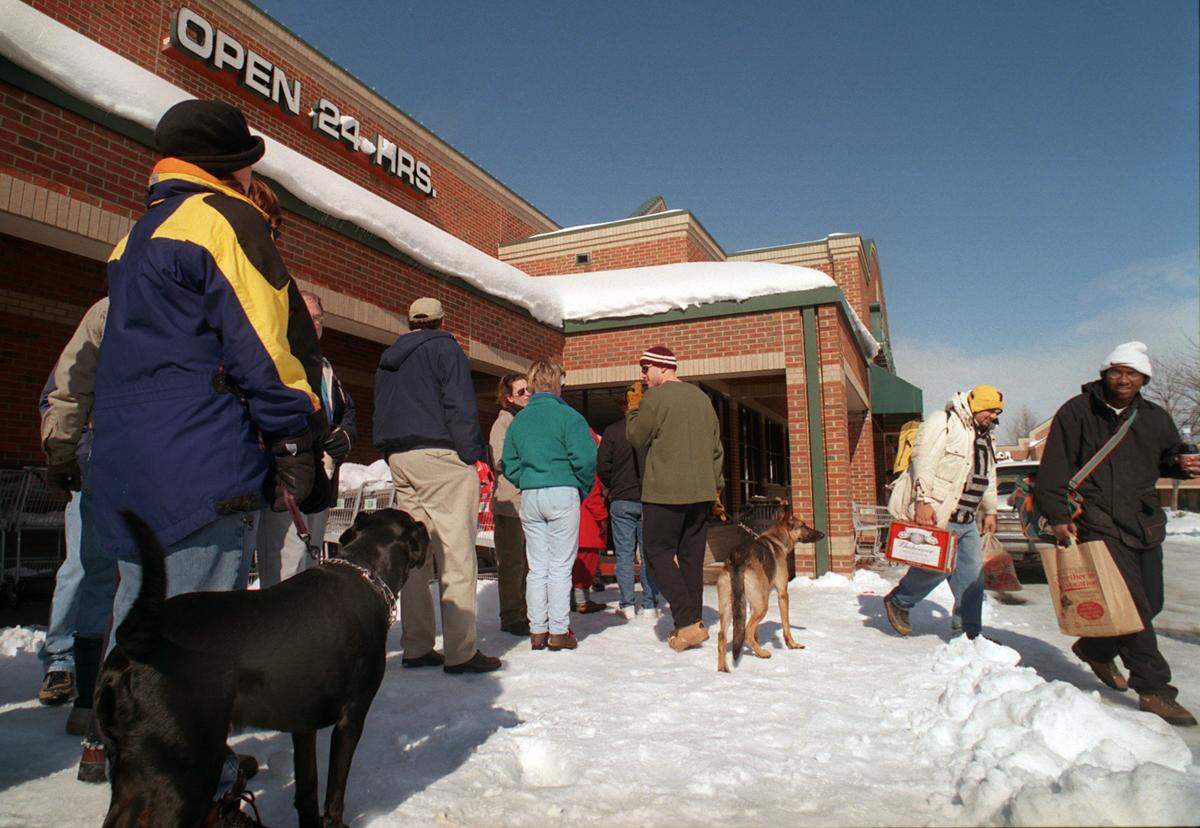
Make sure you have everything you need from the grocery store and pharmacy before the weekend.
N.C. Emergency Management recommends having enough water (one gallon per person per day) for three to seven days, and enough non-perishable and canned food for three to seven days.
In case of a power outage, that non-perishable part is key: buy foods you can eat without having to cook and foods you can keep without refrigeration.
You can keep some foods in a cooler with ice, but don’t let the food temperature get above 40 degrees, because bacteria can begin to grow, says the U.S. Department of Agriculture. You can also keep your fridge and freezer doors closed to prolong the life of food there, but opening and closing the doors to retrieve food will cause temperatures to drop more quickly.
Pick up prescription refills now
If you are low on meds, get refills from your pharmacy as soon as possible. Same goes for your pets’ medications.
Get emergency supplies
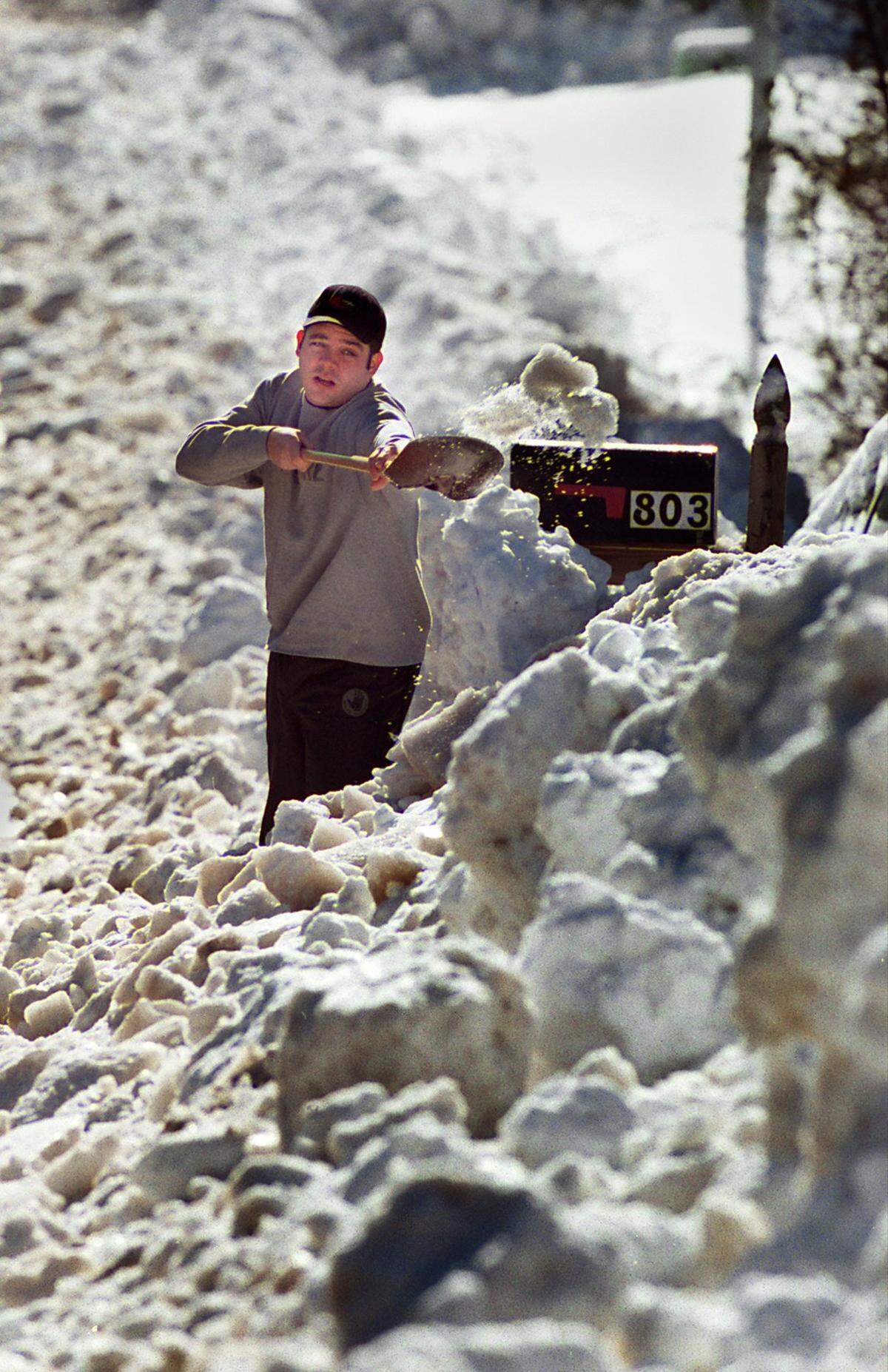
In addition to food, water and medications, make sure you have the following items, as recommended by N.C. Emergency Management: extra batteries, a cell phone and charger, flashlights, manual can opener for food, rock salt to melt ice on steps and walkways (or sand to create traction), a snow shovel for clearing steps and walkways, warm clothing and blankets. See the complete emergency kit list at readync.gov.
- If you have a wood-burning fireplace or stove, get a supply of firewood and store it in a dry place that’s easily accessible if the ground is covered with snow or ice.
- If you have a generator, make sure you have enough gasoline to run it.
- If you have a baby or small children, be sure to have plenty of formula and baby food, diapers, wipes, blankets and other usual supplies.
- If you have pets, have a good supply of pet food, additional water for your pet, any medicine the pet requires. It’s always a good idea to have a pet carrier or leash handy, as well as immunization records and ID tags.
Charge all of your devices
Charge everything: phones, laptops, tablets, earbuds and backup battery sources.
Small, portable power banks can be purchased at hardware stores, big box stores such as Target and Walmart, or ordered from Amazon. These are useful for charging phones and tablets. You can also charge your phone from your laptop, but it will deplete your laptop battery.
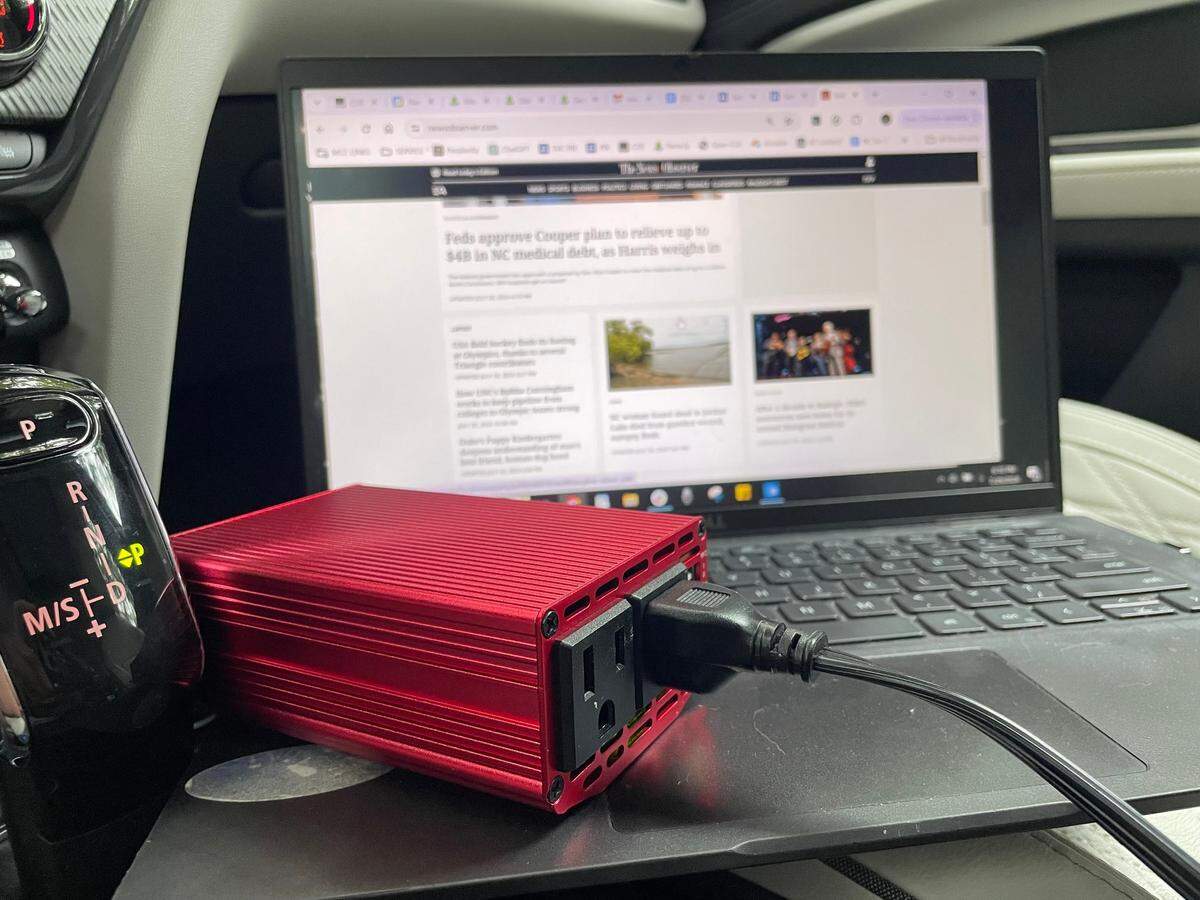
Also have adapters and cables for charging your phone in your car if you run out of backup power. You’ll need to turn your car on for this, to not run down the battery.
Important: Do not sit in a running car inside a garage or other unventilated area for a prolonged period of time because of the risk of carbon monoxide poisoning.
Protect pipes from freezing
Pipes can freeze anytime it’s below 32 degrees, but insulated pipes usually start freezing closer to 20 degrees, according to home improvement website Angi. If temperatures stay that cold for four to six hours, pipes may burst.
Outdoor pipes can freeze in just a few hours around 20 degrees, while indoor pipes may take up to six hours to freeze at that temperature.
You can take these steps to prevent your pipes from freezing, according to Charlotte Water:
- Insulate pipes in unheated areas and seal gaps in crawl spaces or basements.
- Open cabinet doors under sinks to let warm air circulate.
- Disconnect garden hoses and unplug lawn sprinkler systems.
- Know where your main water shut-off valve is in case of a burst pipe.
- Keep cold air out of your water meter.
- Heat tape or heat cables can also help protect exposed pipes
You can also wrap your pipes in heat tape or heat cables to prevent them from freezing, says Home Depot.
Should you drip? Some experts say leaving faucets dripping doesn’t actually protect pipes and can even cause drains to freeze, according to Forbes. But others argue it helps relieve pressure and keep water moving. Top of Line Plumbing says dripping works by replacing near-freezing water in exposed pipes with slightly warmer water from underground.
Staff writers Evan Moore and Martha Quillin contributed to this report.
This story was originally published January 21, 2026 at 12:58 PM.