NC’s pollen season is at its peak. Here’s when relief is coming

AI-generated summary reviewed by our newsroom.
- Pine-led tree pollen peaks in late March, tapering off in April.
- Hardwood pollen (oak, maple, birch) has smaller, lighter grains and is more allergenic.
- State sampler records on workdays; grass rises in summer, ragweed peaks in fall.
Sometimes your kid spills cereal in their car seat and, for a brief period of time, you accept the grounded powder as a permanent feature.
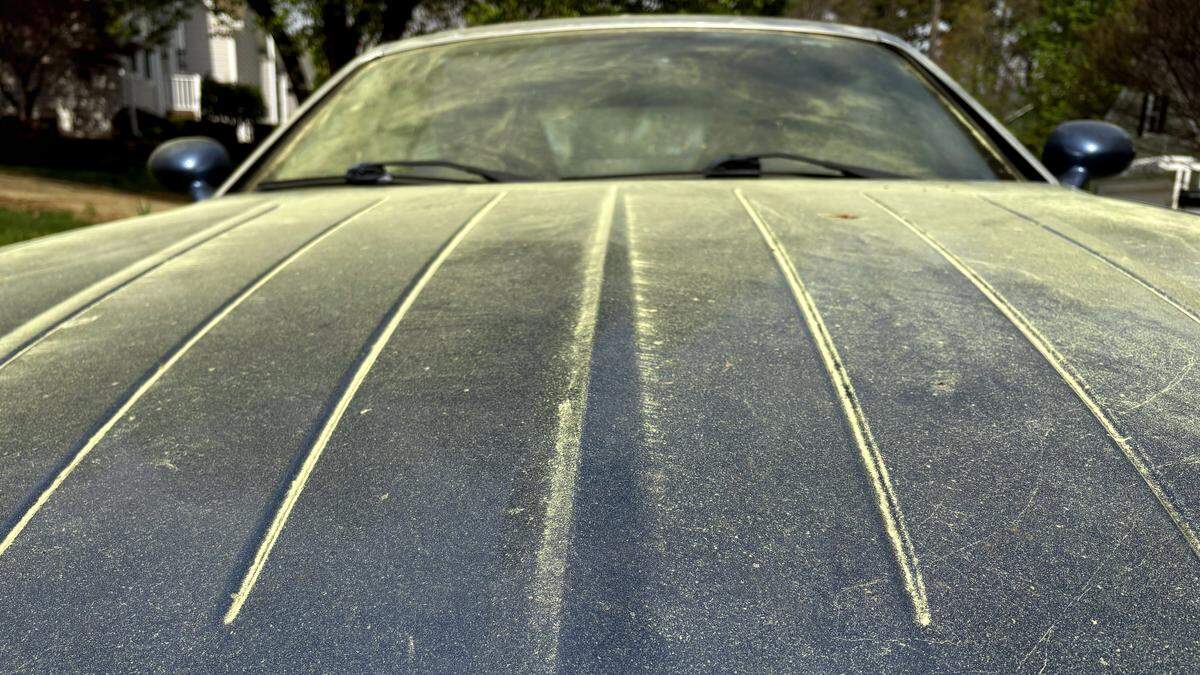
That’s North Carolina in late March, in the peak of tree pollen season. Your car is unwashed, you could make snow angels in the driveway and you’ve accepted there is no escape from mother nature’s near constant yellow glitter.
Tree pollen, in particular the yellow pine pollen, will peak this week before tapering off in early April, said Robert Bardon, associate dean for Extension in the North Carolina State University’s College of Natural Resources, in a previous interview with The News & Observer.
That timeline is based on a formula that scientists have used to track the production of pine pollen to help develop disease resistance trees, he said.
But while the yellow pollen is what some people associate with seasonal allergies, there are lots of tree pollens that can cause allergies.
Raleigh and Winston-Salem rank among the 20 worst places to live in the United States for allergy suffers, according to the Asthma and Allergy Foundation of America, The N&O previously reported.
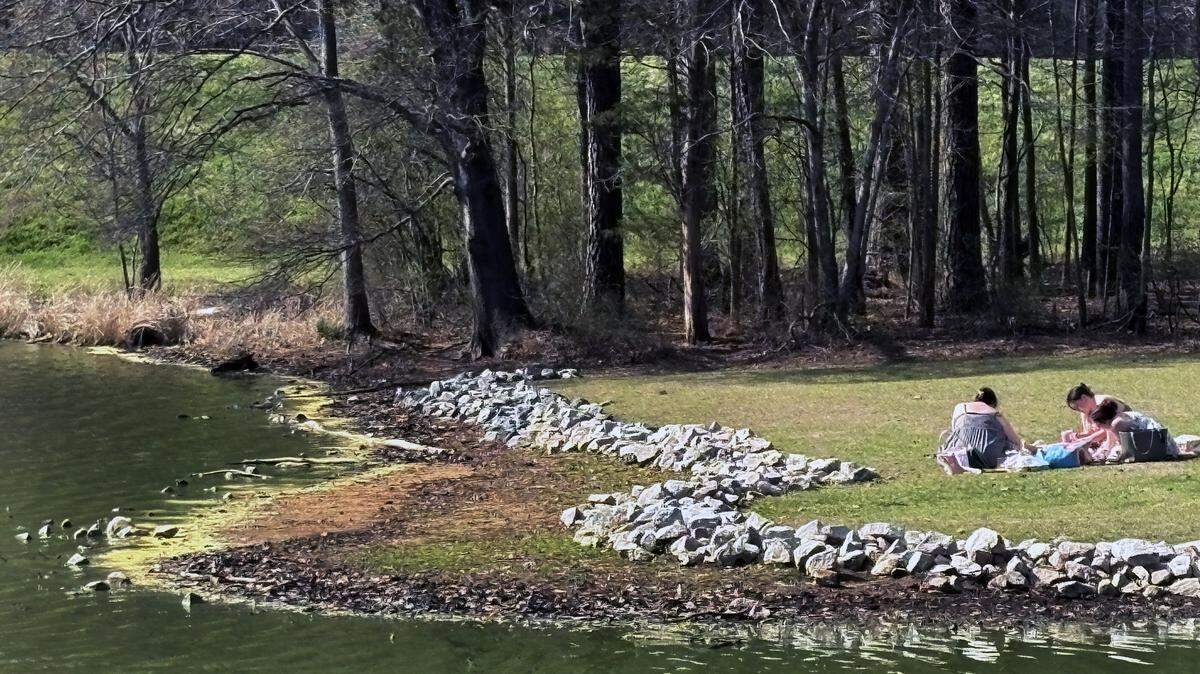
Tree pollen in North Carolina
Hardwood trees are often “considered more allergenic than pine pollen,” said Bardon in a College of Natural Resources article.
“Hardwood tree pollen is more allergenic because the pollen grains are smaller and lighter than pine pollen grains, making them easier for the wind to carry and inhale,” he said. “Pine pollen grains are also much smoother compared to hardwood trees, such as maple and oak, which produce a fine grain pollen that’s also quite rough. The smoother the grain, the less likely to be an irritant.”
Pine pollen is often two to three times larger than pollen grains from other hardwood trees, Bardon said.
What about other types of allergies?
The North Carolina Department of Environmental Quality’s Division of Air Quality operates a pollen sampler in Raleigh, which measures the pollen every work day from Feburary until late October and early November.
“As summer starts, tree pollen will decrease,” said Shawn Taylor, public information officer for the division, in an interview with The N&O. “And then we will start seeing more and more grass and weed pollen throughout all the summer months, and then, in fall, we will see a whole lot of ragweed pollen throughout September and October and then, eventually the pollen seasons end.”
There were three days with “very high” ratings last week for tree pollen, according to state data from the pollen tracker.
The most recent data showed the predominant pollen found in the pollen sampler is pine, oak, maple, sweet gum and birch.