Locally heavy rain wasn’t enough to make a dent in NC’s statewide drought
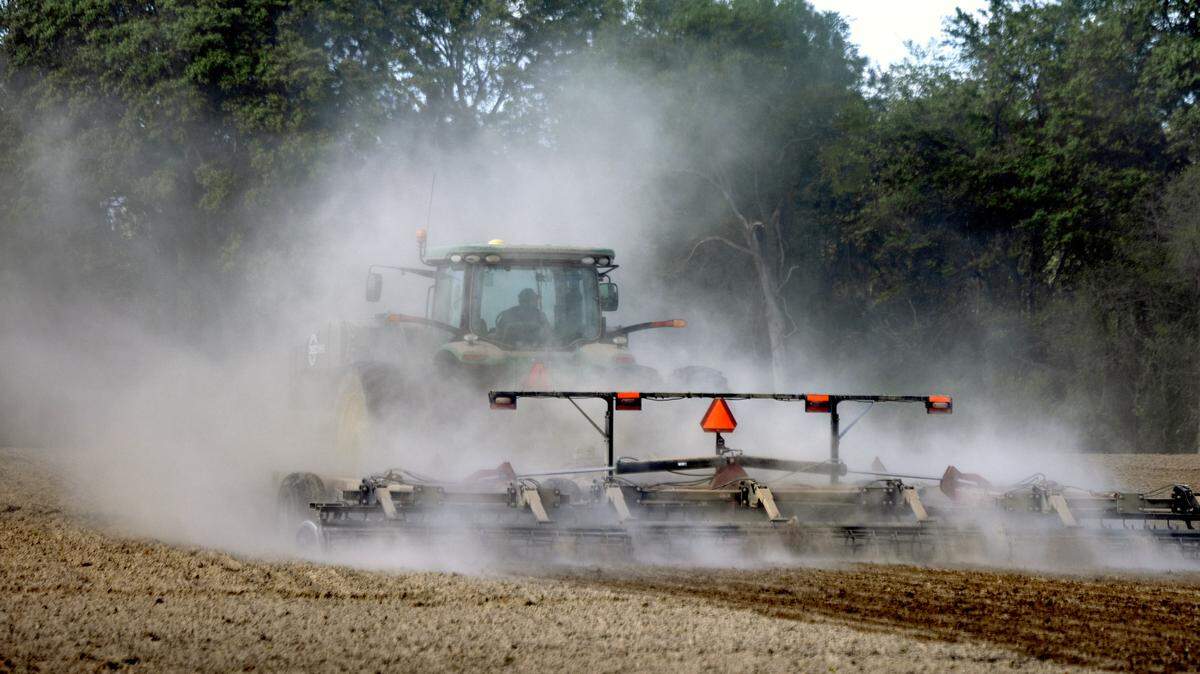
Locally heavy downpours may have washed a layer of pollen from cars and patio pavers on Sunday, but they weren’t enough to get the Triangle or much of anywhere else in North Carolina out of drought.
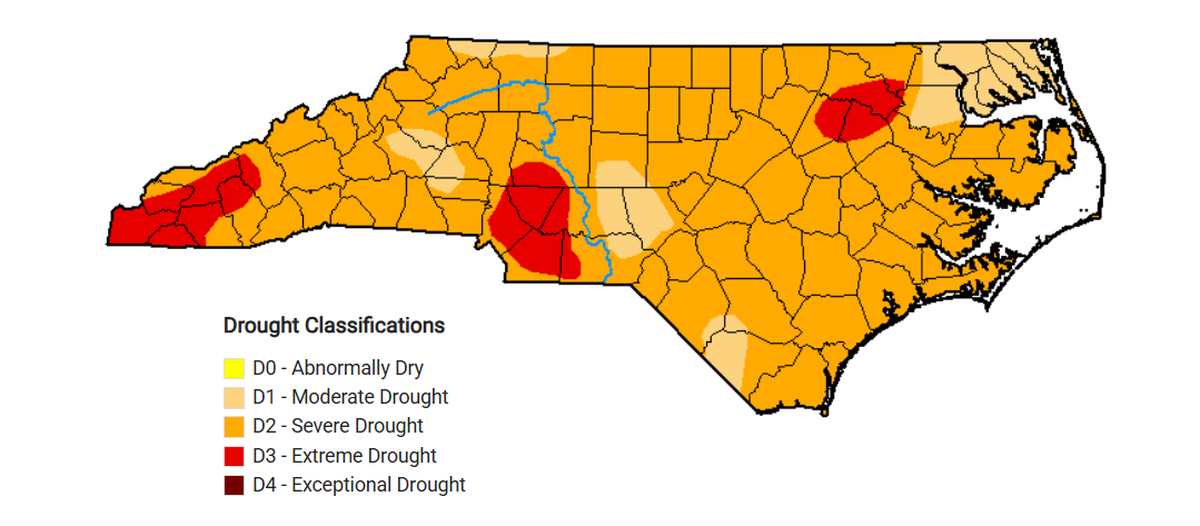
As of March 31, all 100 counties of the state were in some stage of drought, with all or parts of 17 counties in “extreme” drought according to the U.S. Drought Monitor. When the maps are updated on Thursday, North Carolina is likely to still show all counties in drought, National Weather Service Meteorologist Tom Green said Monday.
“I would not expect to see improvement in this coming week,” Green said. “The amount of rain we ended up having just will not be enough to make a dent in it.”
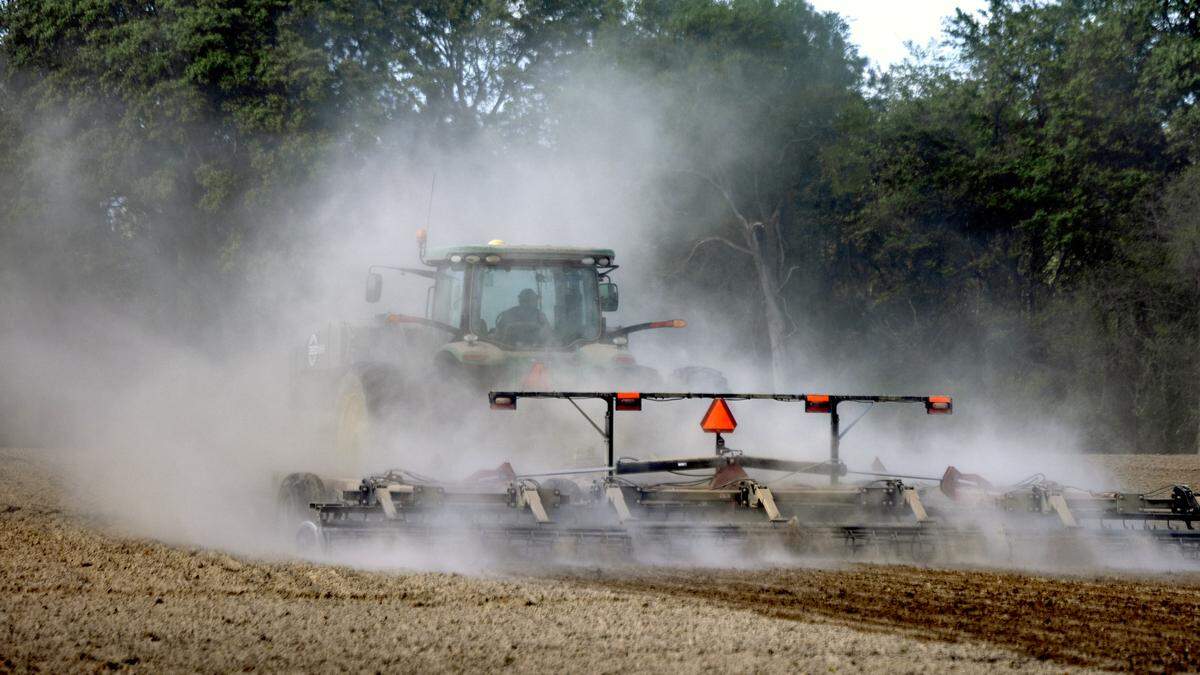
Except for southern Sampson County, Green said the Weather Service shows no significant rain in the forecast in the state for the next seven days, meaning lake levels will stay low and lawns will remain brown.
Storms rolled across the state Sunday
A cold front that moved into North Carolina Sunday brought afternoon and evening storms across much of the state, but rainfall totals from the system were relatively low except for in a few places.
The National Weather Service office in west Raleigh saw only 0.05 inches of rain on Sunday, Green said, while RDU International Airport saw about a tenth of an inch.
Parts of Fayetteville received more than a half-inch of rain, Green said. The U.S. Geological Survey reported amounts of more than a third of an inch in some areas of the mountains and more than four-tenths in and around Charlotte.
In the Triangle, Durham received from about a tenth of an inch of rain in some places to more than four tenths in others. Rain gauges in Chapel Hill showed about two tenths of an inch.
We need a long soaking rain
Most of the state has seen below-normal rainfall since at least August 2025, leaving some areas in deep deficits.
Researchers at Colorado State University and elsewhere will soon release their initial forecasts for the 2026 Atlantic hurricane season, which begins June 1. Hurricanes and tropical storms can come with drenching rains such as the catastrophic, record-setting deluge delivered by the remnants of Hurricane Helene in September 2024.
Such sudden, excessive rainfall comes with the risk of dangerous flash flooding.
What North Carolina really needs, Green said, is not a big single rain event but many days of slow, soaking rain.
NC burn ban is still in effect
The lack of rainfall has left dry conditions in forests across the state, especially in the mountains where millions of trees were felled by Helene’s winds more than a year ago.
Because of the high risk of fast-spreading wildfires, the N.C. Forest Service issued a statewide burn ban on March 28 that remains in effect. Some counties may issue their own burn bans.
The statewide ban prohibits all open burning, even if a permit was previously issued. No new permits will be issued until the ban is lifted.
Anyone violating the ban is subject to a $100 fine plus $183 court costs. Any person found responsible for starting a forest fire may be liable for the cost of extinguishing it. Local fire departments and law enforcement officers are helping to enforce the ban.
Fires in fire pits and grills within 100 feet of an occupied dwelling are allowed unless local ordinances forbid them. Campfires are considered open burning and are not allowed. Fireworks are prohibited in all cases until the ban is lifted.
Are there water restrictions in place?
Because of the drought, some municipalities have put voluntary water-use restrictions in place in the hopes of avoiding mandatory restrictions later.
If restrictions aren’t in place where you live, you may want to cut back on your water use anyway, since the Department of Environmental Quality says more than half of all water use in the state is by residential customers: DEQ suggests:
- Run the washing machine and dishwasher only when you have a full load;
- Use low-flow shower heads and faucet aerators;
- Install rain barrels for lawn irrigation;
- Fix leaks, even small ones.
This story is available free to all readers thanks to financial support from the Hartfield Foundation and Green South Foundation, in partnership with Journalism Funding Partners, as part of an independent journalism fellowship program. The N&O maintains full editorial control of the work. If you would like to help support local journalism, please consider a digital subscription, which you can get here.