Mask mandates and angry parents: Public schools are NC’s latest political combat zone
READ MORE
In NC schools, the masks are off
Over two years into the pandemic, NC state agencies are now relaxing mask mandates. But not everyone may feel ready, while some may be relieved.
Expand All
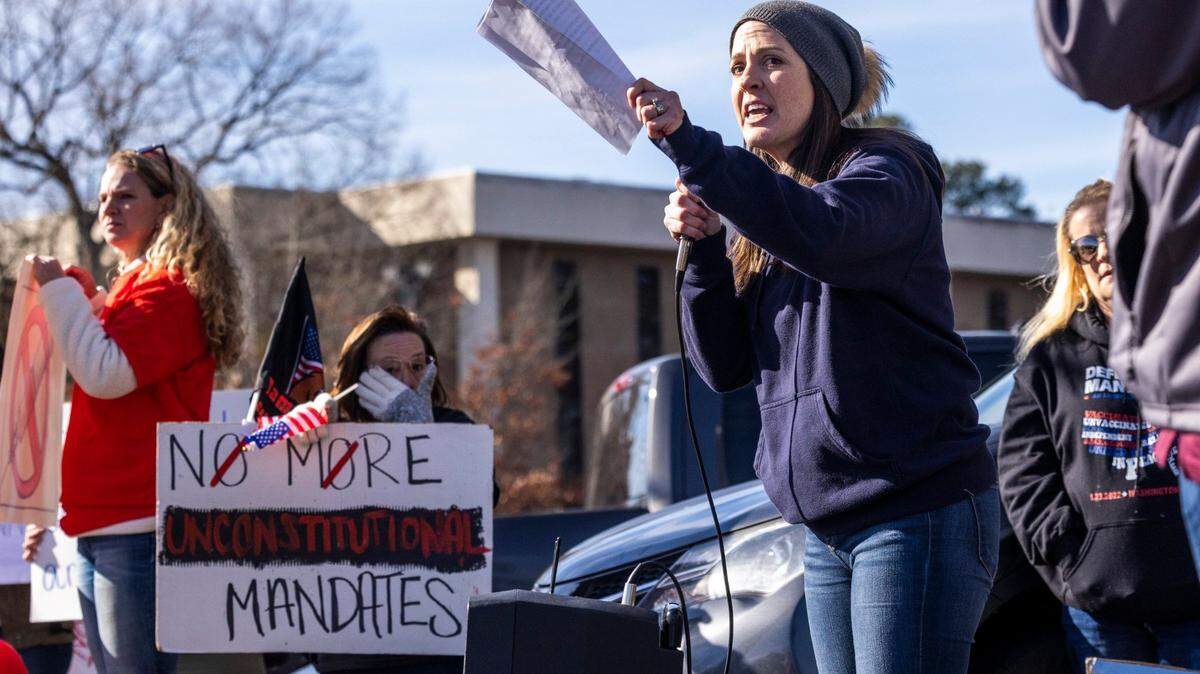
Masks started this fight. Love or hate them, these NC parents aren’t going away.
What are the lasting effects of masks on kids? What if some still want to wear them?
Parents of high-risk children ramp up COVID precautions as Charlotte mask mandate ends
The masks are off in NC, but will you still wear one? Vote in our poll.
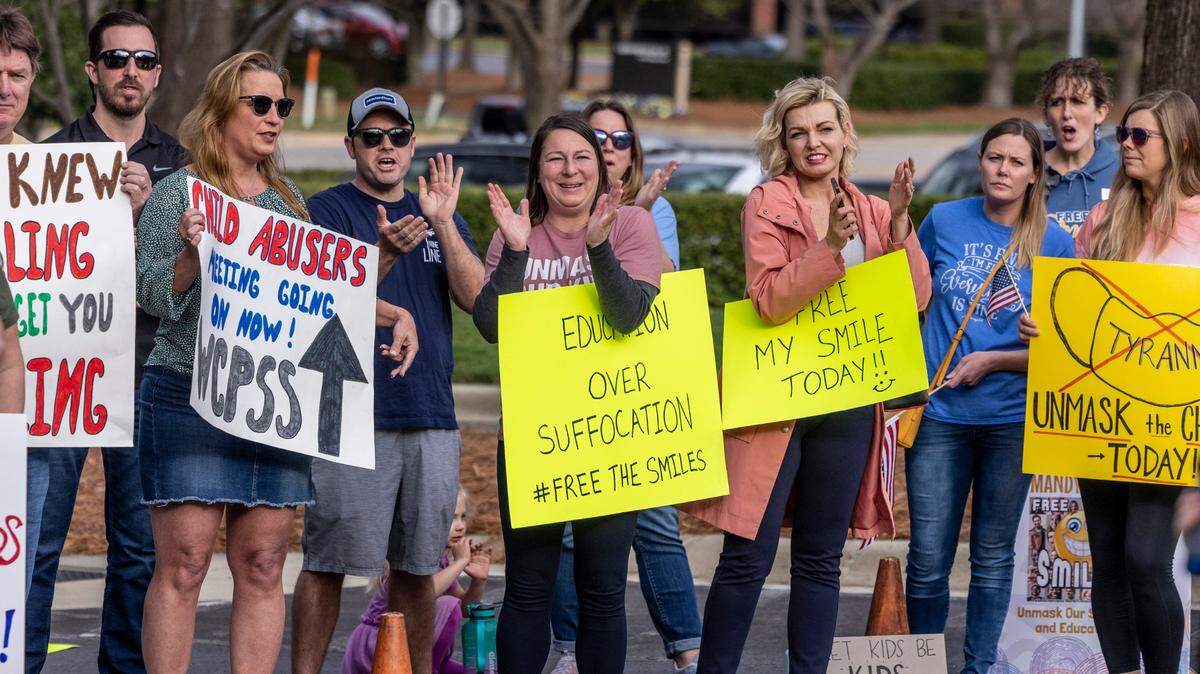
Mask mandates and angry parents: Public schools are NC’s latest political combat zone
School board meetings aren’t as boring as they perhaps once were.
They used to be sparsely attended. Now they’re packed to the brim. They’ve become the subject of “Saturday Night Live” sketches and segments on “The Daily Show” poking fun at angry parents and their behavior.
You can laugh if you want to, but it’s also real life. These once sleepy affairs are now the latest front in the so-called culture war — and in many places, the angry parents are winning.
It began, of course, with masks and COVID. Fueled by the belief that mask mandates and school closures were endangering children, parents and activists banded together to put pressure on school boards and take back their “parental rights.” That pressure only intensified when North Carolina passed a law in August requiring school boards to hold public votes each month on their mask policies. The result has been shouting matches, property damage and increased harassment of school board members.
But it’s not just about masks anymore — the debate has increasingly become about what should be taught and how. Critical race theory, which is rarely taught in schools but has been co-opted as a catch-all term for diversity and racial equity efforts, has become a focal point of parents and conservative politicians worried about “indoctrination.” They’ve also pushed for certain books — often those centered around gender, sexuality or race — to be removed from the curriculum or banned from school libraries altogether.
“The institution, for whatever reason, has become the central focus of everyone’s ire. And it’s almost like we’ve become a symbol for something else,” Elyse Dashew, chairperson of the Charlotte-Mecklenburg school board, told me.
It’s supposed to be about the children, but it feels like it’s more about politics. The dangers that these groups are determined to eradicate from our public schools aren’t always real. But parent groups and politicians are really good at making you think they are — and that’s why it’s working.
While the movement may have started on the right, it’s been successful in galvanizing parents across the political spectrum. Newly-elected Republican Gov. Glenn Youngkin sailed to victory in Virginia largely because he made education a primary focus of his campaign, appealing to parents dissatisfied with how public schools have handled COVID. Even in San Francisco, one of America’s most liberal cities, parents frustrated by school closures and “misplaced priorities” successfully recalled three school board members in a landslide victory.
To be clear, this is not necessarily unprecedented. Throughout history, public schools have been hotspots for larger political debates playing out across the country, such as the separation of church and state and desegregation.
Still, it feels more politicized and more coordinated than ever. In most states, including North Carolina, the majority of school board elections are officially nonpartisan, but the rhetoric and ideology entwined in them is not. Conservative groups have waded into the throes of school board elections, endorsing and sometimes outright funding candidates that align with their political positions. The North Carolina Values Coalition, for example, has recently begun holding “training sessions” for prospective school board candidates across the state.
Speaking up at school board meetings isn’t inherently a bad thing. Nor is running for public office. But as the “culture war” intensifies, current school board members have become the target of serious vitriol, sometimes even escalating to the level of death threats. The U.S. Department of Justice announced in October that it would look into a “disturbing spike in harassment, intimidation, and threats of violence” against school personnel.
“I love serving on the school board,” one board member in Oregon told The New York Times. “But I don’t want to die for it.”
And it will likely only serve to make school boards themselves more polarized. Why would the average person want to run for school board anymore, when harassment and hatefulness now seem to come with the territory?
“It is so important that reasonable and compassionate people sign up to run for office. Because if the current atmosphere scares those sorts of potential public servants away, then we’ll really be in trouble,” Dashew said.
Polling has shown that a significant number of parents do support masks in schools. They also support teaching about the history of race and racism, and they oppose book bans. But even the smallest minority can seem like the overwhelming majority if it’s loud and well-organized enough. That’s what’s happening right now, and we’ve got to come up with a better way to combat it.
This story was originally published March 6, 2022 at 6:00 AM with the headline "Mask mandates and angry parents: Public schools are NC’s latest political combat zone."