
Our choice in Wake County’s Democratic primary for sheriff
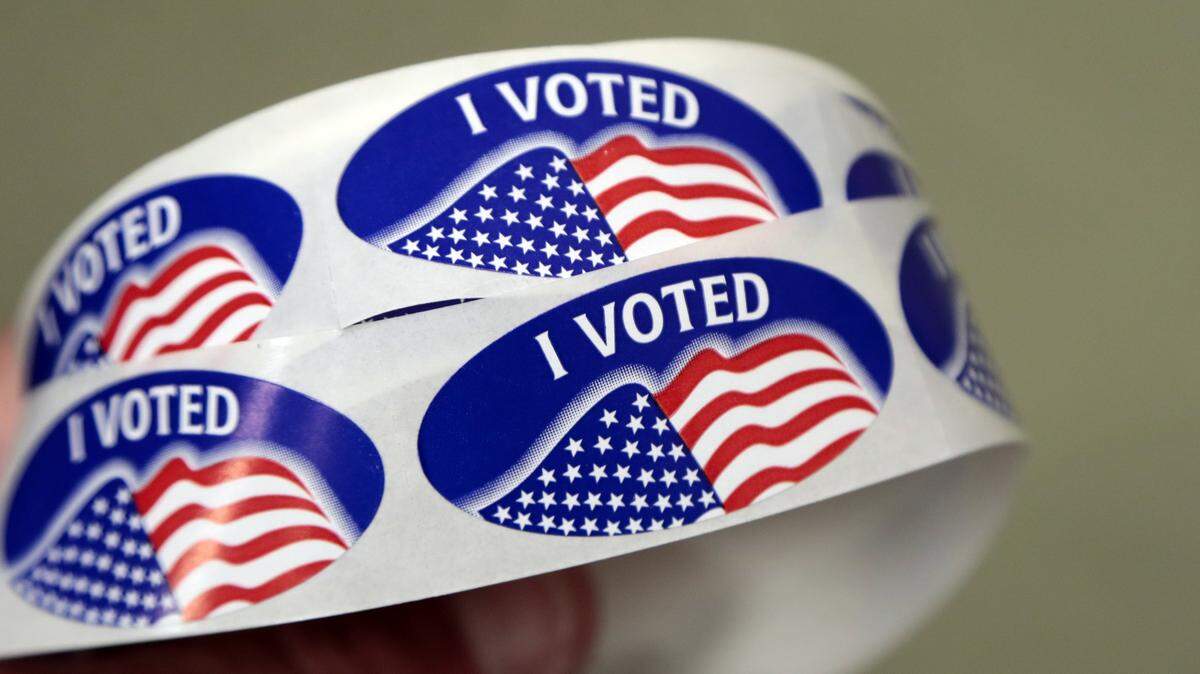
Voters in Wake County are being summoned by the sheriff
It’s not a criminal matter. It’s a political one. Wake County Sheriff Gerald Baker wants voters to turn out for a Democratic runoff election against Willie Rowe, a retired Wake County Sheriff’s Office major. The winner will face Republican Donnie Harrison, Wake’s sheriff from 2002 to 2018, in November.
“We’re going to get those who voted in the primary to get back out and vote again,” Baker said. “I feel very confident about it.”
This second Democratic primary is expected to have a turnout of 5 percent or less. Early voting ends on July 23, with Election Day on July 26. Democrats and unaffiliated voters who did not vote in the May Republican sheriff’s primary are eligible to vote.
While awareness of the runoff is low, the stakes are not. North Carolina’s largest county needs a sheriff who can manage an office of 1,000 employees and administer a budget of more than $100 million, while protecting the public and overseeing the county jail.
Unfortunately, Baker has not proven himself to be that sheriff.
Since he upset Harrison in 2018, he has fallen short of expectations that he would improve community relations and transparency. Instead his office has experienced staff shortages, high turnover and bitter infighting. Four federal lawsuits brought by five employees accuse Baker of discrimination and retaliation.
Baker had his chance. Now it’s time for a change.
We support Rowe in this runoff. He served 28 years in the Sheriff’s office – 21 of them as a supervisor. He’s also a retired U.S. Army major. Rowe has the leadership experience and personal skills that will be needed to restore the smooth operation and the spirit of the sheriff’s office.
Staff shortages are a problem in many fields, mostly because of COVID-related disruptions, but Baker should be doing more to recruit and retain officers. Rowe said he will step up recruitment on campuses and at job fairs, expand the number of reserve officers and encourage some retired officers to come back to work part time.
It’s a measure of how much public confidence Baker has lost that six Democrats challenged him in the primary. Rowe nearly won outright with 29.4 percent in the seven-way race, just short of the 30 percent he needed to clinch the nomination. Baker came in second at 24 percent, nearly 5,000 votes behind Rowe. In the end, 76 percent of the 44,902 Democratic primary voters supported someone other than the current sheriff.
Nonetheless, Baker called for a runoff that will draw a small fraction of the electorate and will cost Wake County more than $1 million to administer.
Baker’s victory in 2018 came in part because of support from the Hispanic community. He had promised that, unlike Harrison, he would not have his office participate in the federal 287 (g) program. The program involves state and local law enforcement officers working with the federal government to enforce immigration laws. Often the program leads to the detention and deportation of undocumented immigrants charged with minor offenses.
Baker was right to take that position, but Rowe also pledges that as sheriff his office will not become an arm of federal immigration enforcement, a practice that alienates members of immigrant communities and makes them less likely willing to turn to or assist local law enforcement agencies.
Responding to a campaign questionnaire, Rowe told The News & Observer, “I believe there are better ways and practices to determine the immigration status of a nonviolent person other than holding them in custody for an extended period time while a decision is made.”
For Democrats, Rowe is the stronger candidate to put up against Harrison in November. Rowe has a good record to run on, but he’s not connected to the turmoil of the Baker years. Baker has weak support among Democrats and would be unlikely to prevail in November against a former sheriff who ran the sheriff’s office much more effectively.
BEHIND THE STORY
MOREWhat is the Editorial Board?
The Charlotte Observer and Raleigh News & Observer editorial boards combined in 2019 to provide fuller and more diverse North Carolina opinion content to our readers. The editorial board operates independently from the newsrooms in Charlotte and Raleigh and does not influence the work of the reporting and editing staffs. The combined board is led by N.C. Opinion Editor Peter St. Onge, who is joined in Raleigh by deputy Opinion editor Ned Barnett and in Charlotte by deputy Opinion editor Paige Masten. Board members also include Observer editor Rana Cash and News & Observer editor Nicole Stockdale. For questions about the board or our editorials, email pstonge@charlotteobserver.com.
This story was originally published July 12, 2022 at 12:34 PM.