
Gas price hike shows the cost of Trump’s attacks on EVs and renewable energy in NC | Opinion
AI-generated summary reviewed by our newsroom.
- Trump eliminated $7,500 EV tax credit and halted wind projects, slowing clean energy.
- War with Iran spikes oil prices, exposing fuel dependence and market risk.
- Higher gas prices boost EV demand, but years needed to repair policy setbacks.
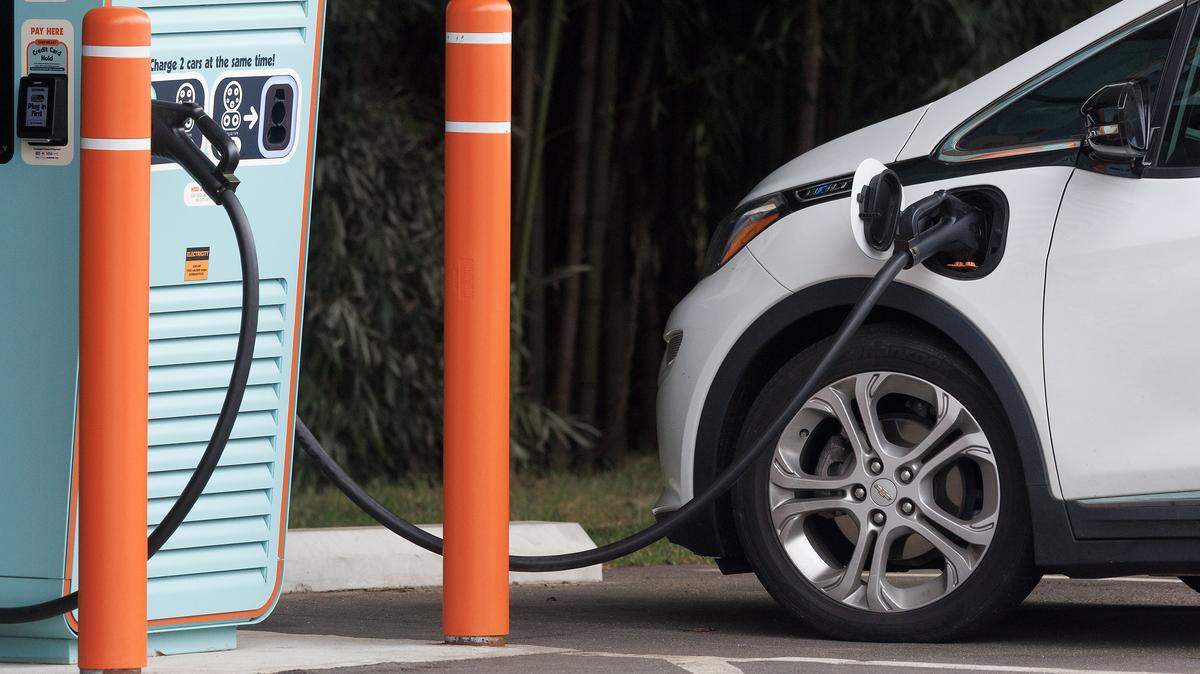
In 2022, then-Gov. Roy Cooper set out ambitious goals for transitioning North Carolina toward a greater use of electric vehicles (EVs), an aim supported by a federal tax break of up to $7,500 on the purchase of one.
Four years later, President Donald Trump ended the tax break as part of his attack on renewable energy programs, which he calls “the new green scam.”
Trump’s policies have set back North Carolina’s renewable energy goals on several fronts, including wind and solar power. But the most striking evidence of the cost of his war on renewables is arising from his war with Iran. As the conflict increases oil prices, North Carolina should have more vehicles that can roll past gas stations with no need to fill up.
Cooper’s executive order seeking to reduce greenhouse gas emissions aimed to have electric vehicles (EVs) represent half of all new vehicle sales in North Carolina by 2030. Nationwide, EV sales have plateaued at around 10% of new car sales, well behind the worldwide rate of about 25%.
Expanding renewables isn’t just about protecting the world’s climate. It’s also about protecting the U.S. from the world’s chaos, said Josh Brooks, chief of policy strategy and innovation at the NC Sustainable Energy Association. “Tying the economy to any volatile commodity means Americans are at the mercy of global events they can’t control,” he said.
Those who bought EVs even after Trump ended the tax break must be feeling vindicated as they pass gas stations where the price per gallon has so far increased by 50 cents.
Trump’s “big, beautiful bill” eliminated the tax credit for EVs in September. That hurt EV sales in North Carolina and around the nation, but the sharp increase in gas prices may spur the market again. “With these gasoline price shocks,” Brooks said, “I think that’s going to remind folks how much they do not enjoy paying for gasoline.”
Stephen Lapp, a senior project manager with Advanced Energy, a company that helps businesses lower their electric costs and reduce their greenhouse gas emissions, said EVs offer predictable affordability.
“Volatility in gas prices is certainly one of the many reasons more and more folks are choosing to drive electric,” he said in a statement. “In comparison, electricity prices are lower and more stable, making EVs more financially predictable to drive.”
Based on the average gas price in North Carolina ($3.32), Lapp said EV owners could save more than $1,100 annually, potentially saving even more by charging their cars using cheaper overnight electricity rates.
“I’m an EV driver and love not having to think about the price of gas and knowing what to expect to fuel my vehicle,” he said.
But even if the increase in gas prices boosts the market for EVs and widens interest in renewable energy, it will take years to make up for how the Trump administration has set back the transition away from fossil fuels. Since taking office, he’s ended investments in renewable energy passed under President Joe Biden.
Trump also has set back North Carolina’s plans for harnessing wind power. On his first day in office, he issued an executive order halting offshore and onshore wind projects. “We’re not going to do the wind thing,” he said.
Brooks said North Carolina’s resource is so valuable it will be developed once Trump leaves office, but the president’s action pushed back the target for bringing it online. “Instead of 2035, we’re looking at the 2040s,” he said.
EV purchases and renewable energy will continue to grow in North Carolina, but the war with Iran — and prices at the pump — makes it clear that Trump should be speeding that growth, not impeding it.
Associate opinion editor Ned Barnett can be reached at 919-404-7583, or nbarnett@newsobserver.com
This story was originally published March 12, 2026 at 12:31 PM.