
For its 240th birthday, Raleigh wants 24,000 trees. Here’s where they’d go. | Opinion
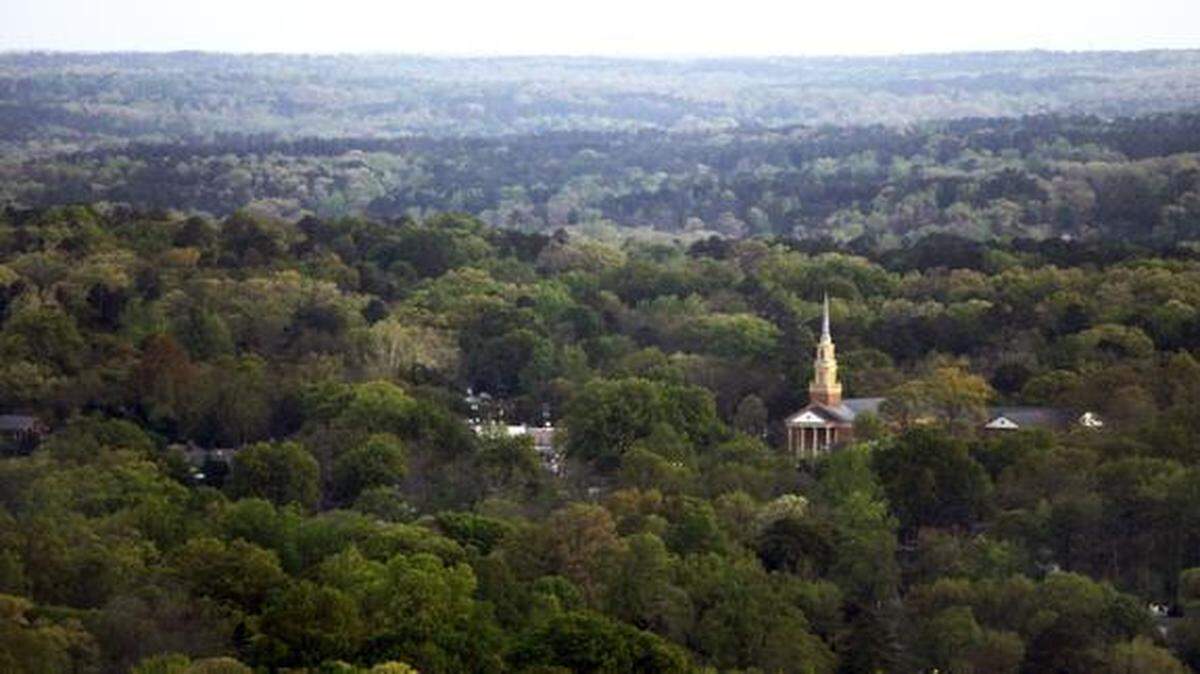
In a spring drenched in pollen it might seem like Raleigh has too many trees, but the City of Oaks actually needs more of them to offset losses from development.
A tree canopy assessment conducted by Wake County in 2023 found that between 2010 and 2020, the county lost 11,000 acres of trees, with Raleigh itself losing 1,305 acres, or 2% of its canopy.
“It was not a pretty picture,” said Raleigh Mayor Janet Cowell. “That’s a lot of loss.”
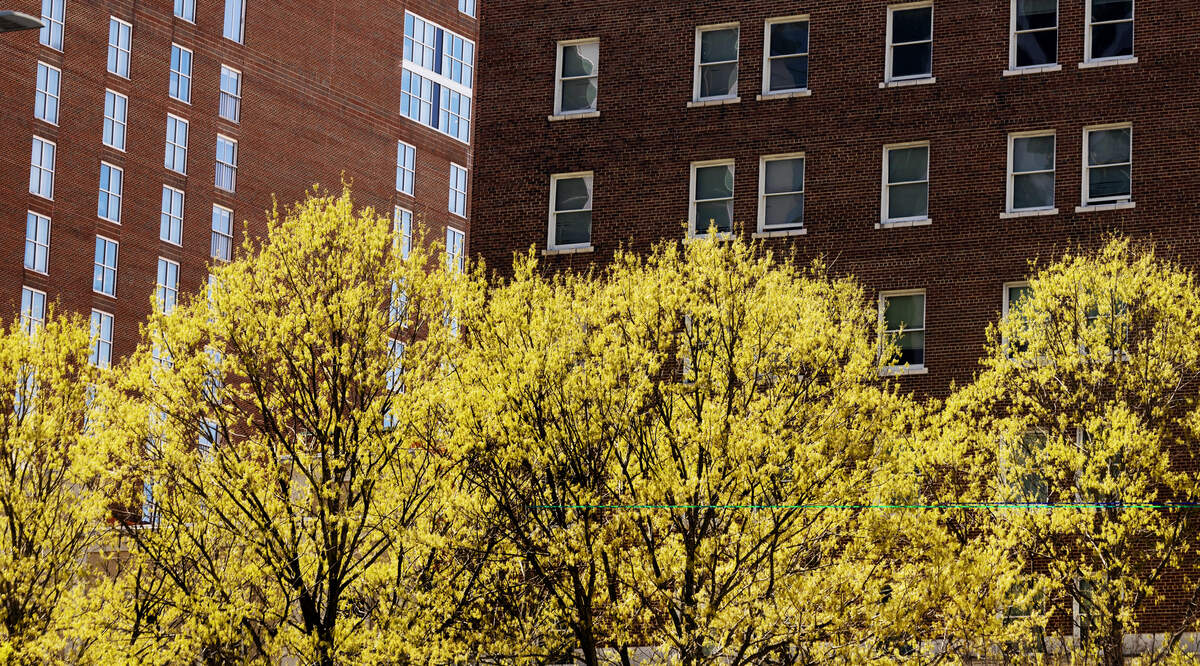
Now Raleigh hopes to counter the saws of development with an army of city workers and volunteers wielding shovels. The city’s Leaf Out program is launching a drive to plant 24,000 trees by the city’s 240th birthday in 2032.
“We want to maintain the canopy we have and add to the canopy that’s been lost,” said Charles Craig, assistant director of Raleigh’s Parks and Natural Resources Division. “We’re a green city and we’re going to stay a green city.”
Reaching the goal won’t be easy. Organizers estimate that planting an average of 1,000 trees for every year of the city’s life will cost $3.8 million, with $280,000 needed in the first year. With the city facing a $13 million budget shortfall, the City Council will focus more on eliminating the deficit than on new spending.
But the council should provide enough money to get the tree planting started. Given the deep support for trees among Raleigh residents, individuals and businesses could fund much of the project through donations. Developers, in particular, should welcome a chance to replenish what their profitable projects have diminished.
Notably, the push for more trees will not include all trees. The campaign will encourage the planting of native species and discourage the proliferation of invasive species, such as Bradford pear and mimosa trees.
The city’s effort is being supported by three nonprofits — Audubon North Carolina, Trees for the Triangle, and We Plant it Forward. Craig said that private support and the enthusiasm of property owners will be essential to reaching the goal.
“The city can only touch a little bit, but if we can get the residents fired up, we can make a significant impact,” he said.
Kate Dixon, chair of the Raleigh Sustainability, Wildlife and Urban Trees Committee, a citizen advisory panel, is a key organizer of the campaign. She said it will add trees to city and private property, but will also seek permission to plant on state properties, which including rights-of-way along state highways in the city.
Trees are about more than aesthetics, Dixon said. They are important for securing soil, maintaining flood control, cleaning the air, providing wildlife habitats and cooling the city. The tree-planting initiative also will aim to bring those benefits to low-income areas that lack tree cover and are most exposed to summer heat, she said.
“It’s important to think where the city is hottest, where the heat islands are,” she said. “We really want to make this an equitable program.”
A recent study showed that temperatures in areas of Raleigh that lack tree cover are on average 6 degrees warmer than those with tree cover, with the gap rising to almost 9 degrees on very hot days. The city’s heat islands were found in downtown and Southeast Raleigh, along Capital Boulevard and in and around the State Fairgrounds. Adding 24,000 trees will shrink those hotspots and create green buffers along treeless rights-of-way, Dixon said. “These trees will be really noticeable and make a difference in the quality of life for people who live there and make the city more beautiful and more sustainable,” she said.
As the number of its businesses and homes expand, Raleigh loses trees and their benefits. This planting campaign will be a fine birthday gift to the City of Oaks, showing it can grow the city and its tree canopy together.
Associate opinion editor Ned Barnett can be reached at 919-404-7583, or nbarnett@newsobserver.com
This story was originally published April 15, 2026 at 8:50 AM.