
Happy together? ACC leaders gather amid college sports’ massive evolution
AI-generated summary reviewed by our newsroom.
- ACC leaders shifted focus from dysfunction to scheduling and playoff access.
- ACC leaders expected to address basketball tournament expanding to 76 teams, CFP formats.
- Duke’s Amazon multiyear deal may preview independent media revenue opportunities.
A year ago, ACC leadership arrived at Amelia Island, Florida, sounding a bit like a couple trying to salvage a long, messy relationship.
After two years dominated by lawsuits, realignment fears and open tension between member schools, last spring’s meetings carried a noticeably different tone — and a return to normalcy. Administrators and coaches talked more about scheduling philosophy, NCAA Tournament résumés and playoff access than dysfunction and potential conference collapse. The ACC wanted to move forward.
This spring, the conference returns to Amelia Island facing a different relationship question altogether.
OK. We stayed together. So now what are we?
The league is now experimenting with uneven revenue distribution tied to television value and postseason success. It is planning to stage football games in places like Toronto and Dublin and Rio de Janeiro in pursuit of larger audiences. Coaches and administrators are recalibrating schedules around NET rankings and television exposure. Duke took things a step further — becoming Amazon’s first college sports partner. And all of it arrives as schools chart further into the post-House era, where direct athlete compensation is forcing athletic departments to once again rethink their budgets and priorities.
Can the ACC generate enough football value to keep pace with the SEC and Big Ten? Can basketball maintain its place as part of the league’s identity while football increasingly drives revenue discussions? And after reshaping its financial model to appease its biggest brands, does the conference feel more unified a year later?
Those questions — and many more — will shape the backdrop of this week’s meetings, even if the vibes at the Ritz-Carlton are considerably better now.
Postseason expansion a likely topic
Expansion is expected to dominate conversation this week, both on the basketball and football sides.
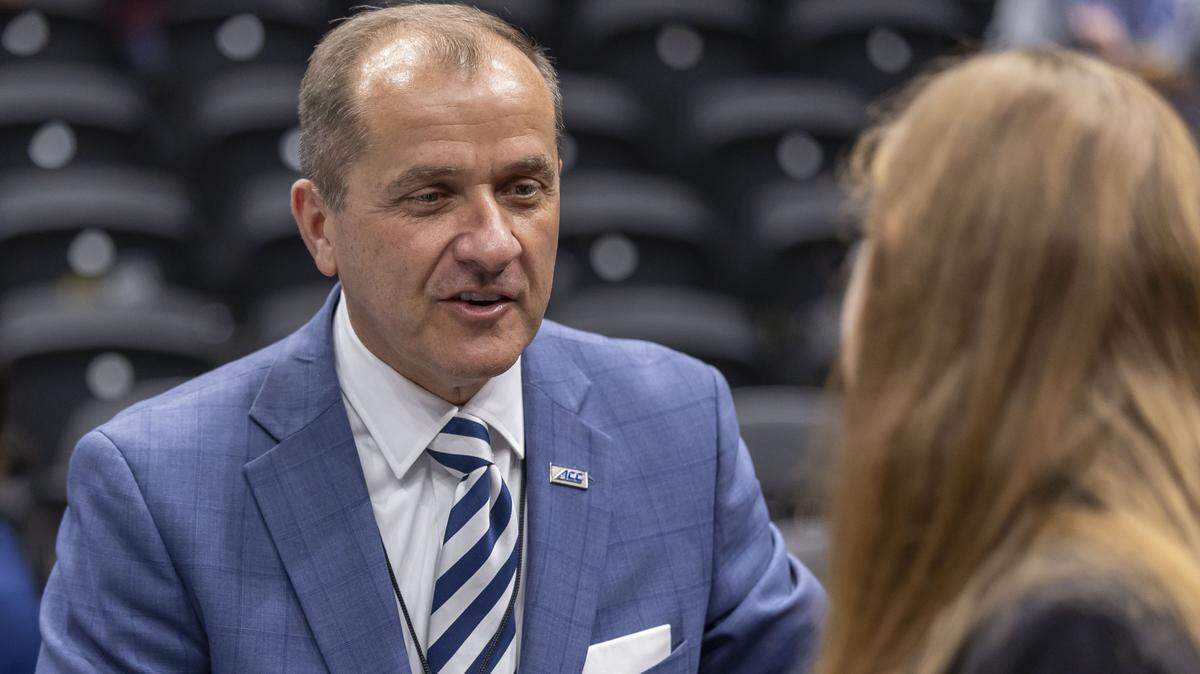
Just days before ACC administrators arrived on Amelia Island, the NCAA formally approved expanding the men’s and women’s basketball tournaments from 68 to 76 teams beginning next season. It’s a move ACC commissioner Jim Phillips has publicly supported in recent years as a way to create additional access and opportunities for the conference. But expansion also arrives amid concern about what a larger field means for bubble teams, scheduling strategy and the long-term health of March Madness’ Cinderella-driven identity.
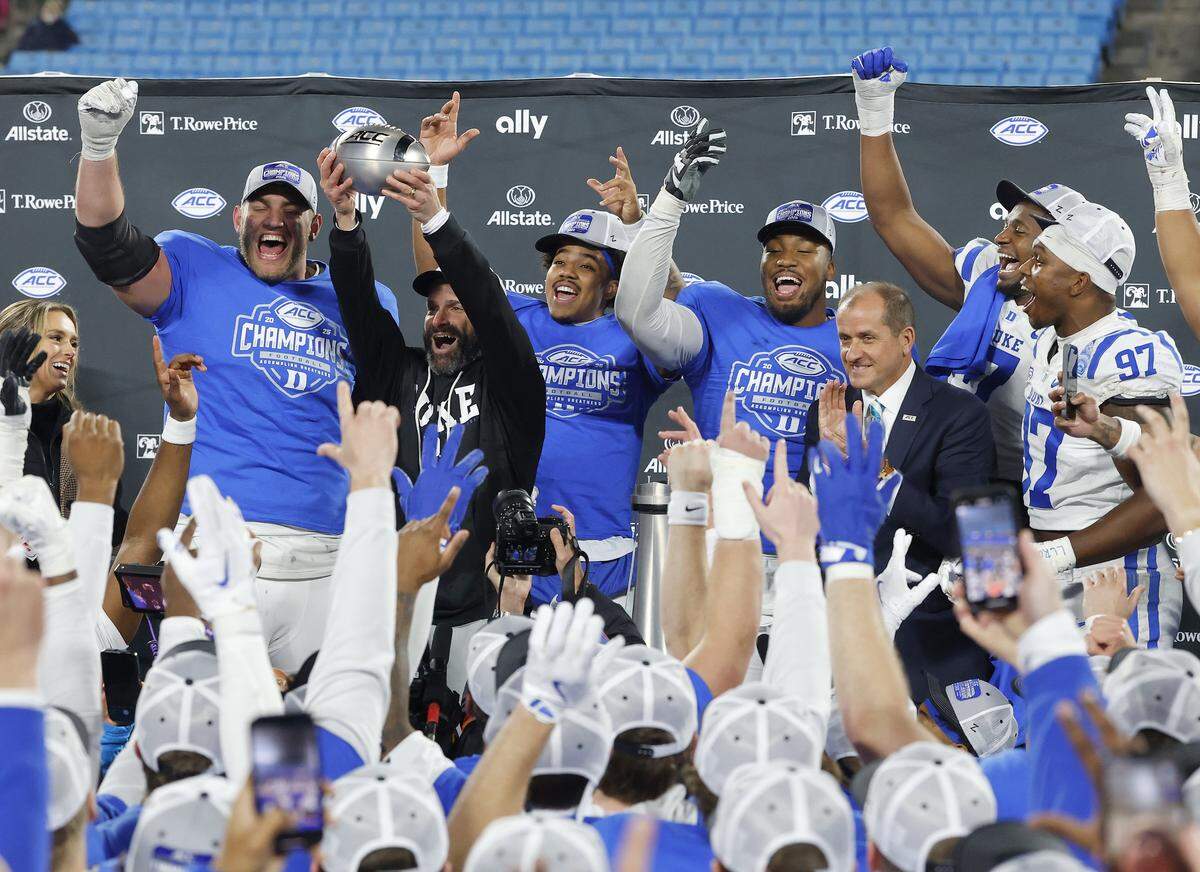
Those same tensions exist in football, where leaders continue debating expansion models beyond the current 12-team College Football Playoff format. Discussions around 16- and 24-team brackets are expected to surface repeatedly during spring meetings, particularly as the SEC and Big Ten push for systems that could further consolidate power and postseason access. There is some concern among the ACC about being structurally boxed out of the sport’s highest tier, especially in scenarios where strong ACC teams cannibalize each other during conference play while SEC or Big Ten teams receive the benefit of the doubt.
Duke tests the boundaries
Another likely discussion point this week involves Duke’s groundbreaking multiyear streaming agreement with Amazon — a deal many around college athletics view as a potential preview of where media rights and school-specific revenue generation could be headed next.
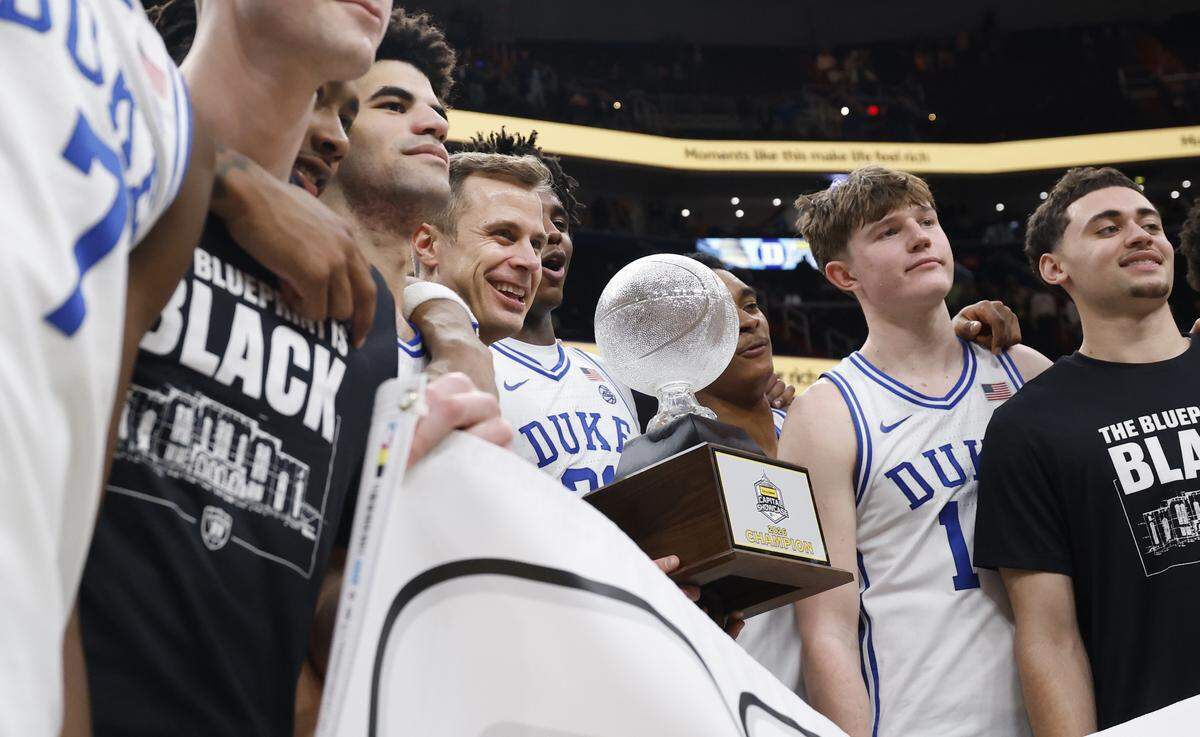
Beginning this season, Prime Video will exclusively stream three marquee Duke men’s basketball nonconference games annually, including upcoming matchups against UConn, Michigan and Gonzaga. The agreement also includes NIL opportunities and a broader retail partnership component.
The move has already generated friction within the sport, per reports. According to Ross Dellenger of Yahoo Sports, the Big Ten Conference and Fox believe they own the broadcast rights to Duke’s scheduled neutral-site game against Michigan at Madison Square Garden under existing conference-rights agreements — creating an early test case for how flexible schools can actually be in pursuing outside media deals.
More broadly, the agreement underscores the growing pressure on schools and conferences to create new revenue streams. While ACC schools remain tied to the league’s long-term ESPN agreement — there should be plenty of ESPN reps in Amelia Island this week, who likely have thoughts on these recent developments — Duke’s partnership with Amazon represents a potentially significant evolution in how powerful brands may attempt to leverage streaming and independent distribution opportunities moving forward.
Where are the athlete voices?
What will likely be largely absent from the ACC’s spring meetings is also what increasingly defines the future of college sports: the athletes themselves.
There are still Student-Athlete Advisory Council representatives in the room. Conferences regularly point to SAAC as proof of athlete voice. But enough testimony has raised questions about how independent that voice actually is, and whether those groups are truly representative, influential or largely shaped by athletic department priorities.

More and more industry leaders, including outgoing UNC AD Bubba Cunningham, are pointing toward collective bargaining as the inevitable next step. Athlete-led organizations like Athletes.org have circulated formal proposals, while administrators themselves acknowledge that revenue-sharing negotiations are already beginning to resemble professional sports contract structures. Even so, resistance remains strong among institutional leaders who argue athletes do not want employee status or union-style frameworks.
For now, athlete governance remains indirect and mediated largely through institutional channels. But as one system evolves, the absence of a true athlete-driven voice continues to stand out as one of the most unresolved tensions in college athletics.