Football may be the ACC’s economic engine, but basketball binds it together
READ MORE
ACC Basketball Preview
What is the state of Triangle hoops in football-mad college sports? News and analysis from Duke, N.C. State, UNC.
Expand All
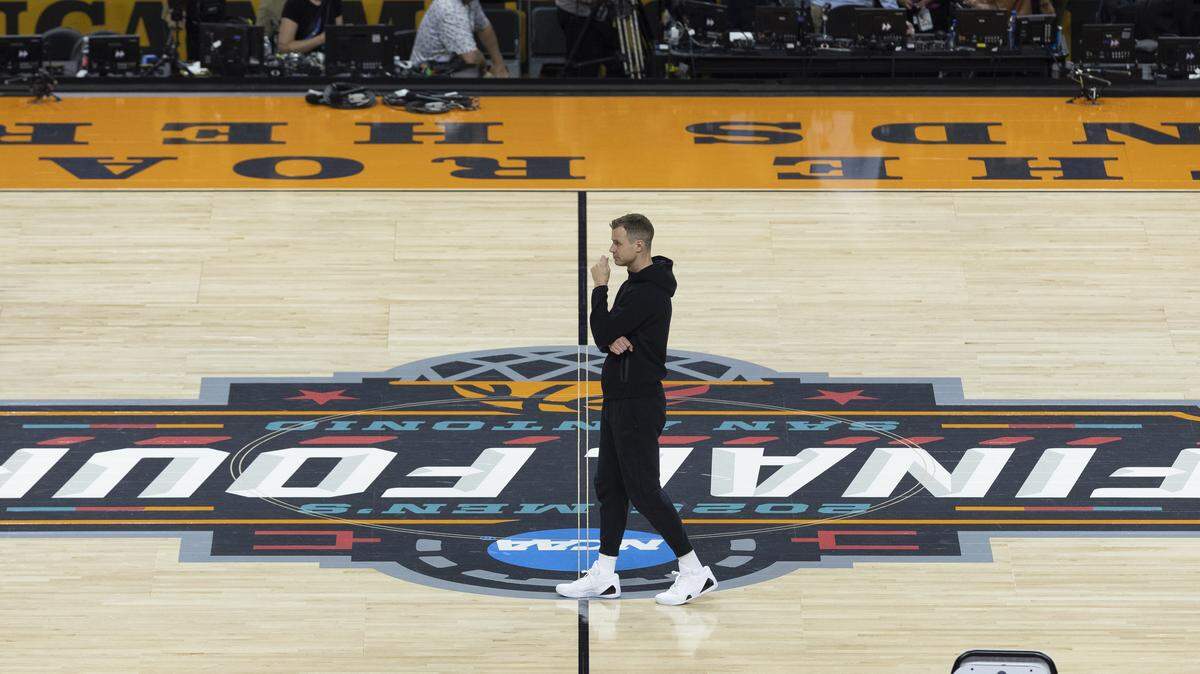
If you were only to pay attention to college basketball during the Final Four, and millions outside ACC country only do then, it would seem as if the ACC was in fine shape, every bit its traditional shooting-and-dribbling self.
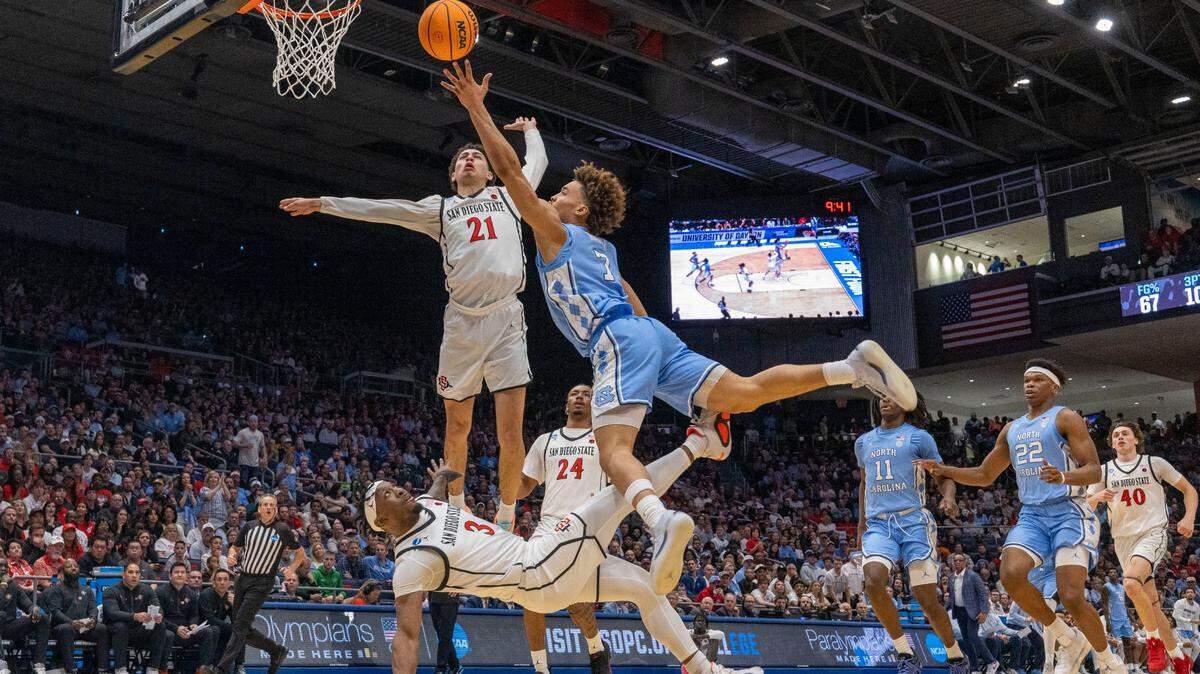
The conference that built its reputation on men’s basketball has sent 10 teams to the last weekend of the past 10 NCAA tournaments, winning the national title in three of those. Duke, North Carolina and N.C. State have all been in the Final Four in the past four years. Historical standards have been met.
Yet this televised success hides cracks in the foundation that threaten to bring the entire conference down. The failure to get more teams into the NCAA tournament — the ACC had only four last March, a historic low — is a damning indictment of the state of basketball within the conference that has always been the industry leader on the hardwood.
Football may be the driving force in so many of the changes in college athletics, but basketball has always bound the ACC schools to one another. And if the ACC can’t compete like it once did, there’s nothing but history holding it together.
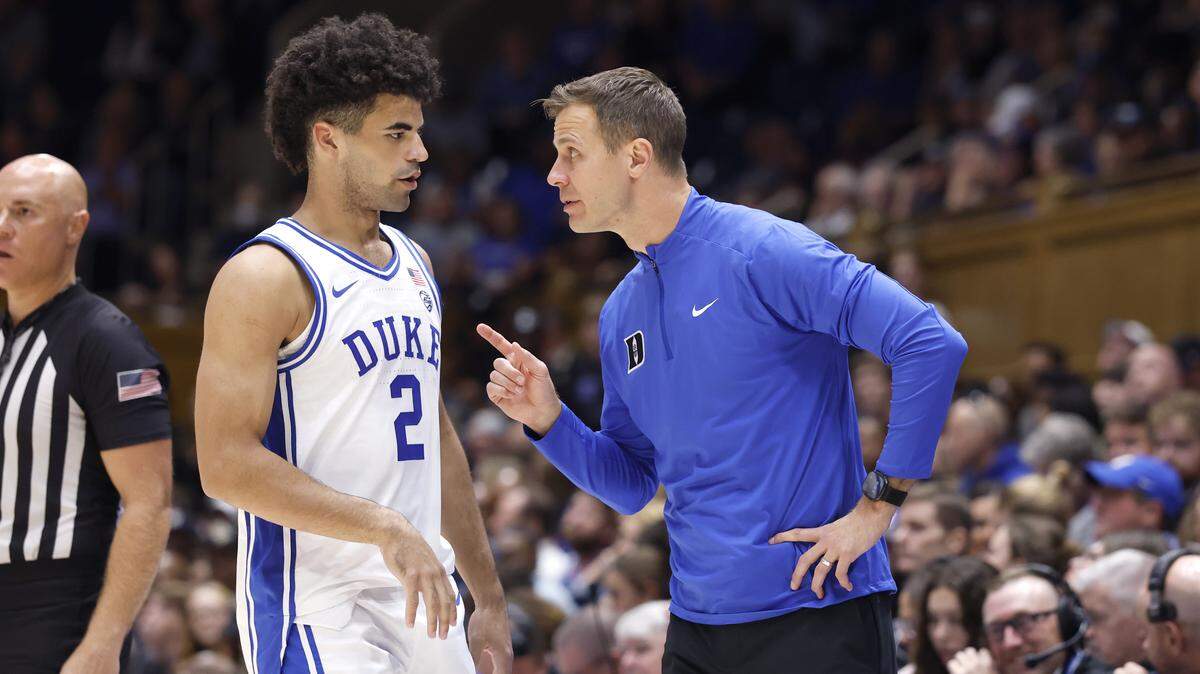
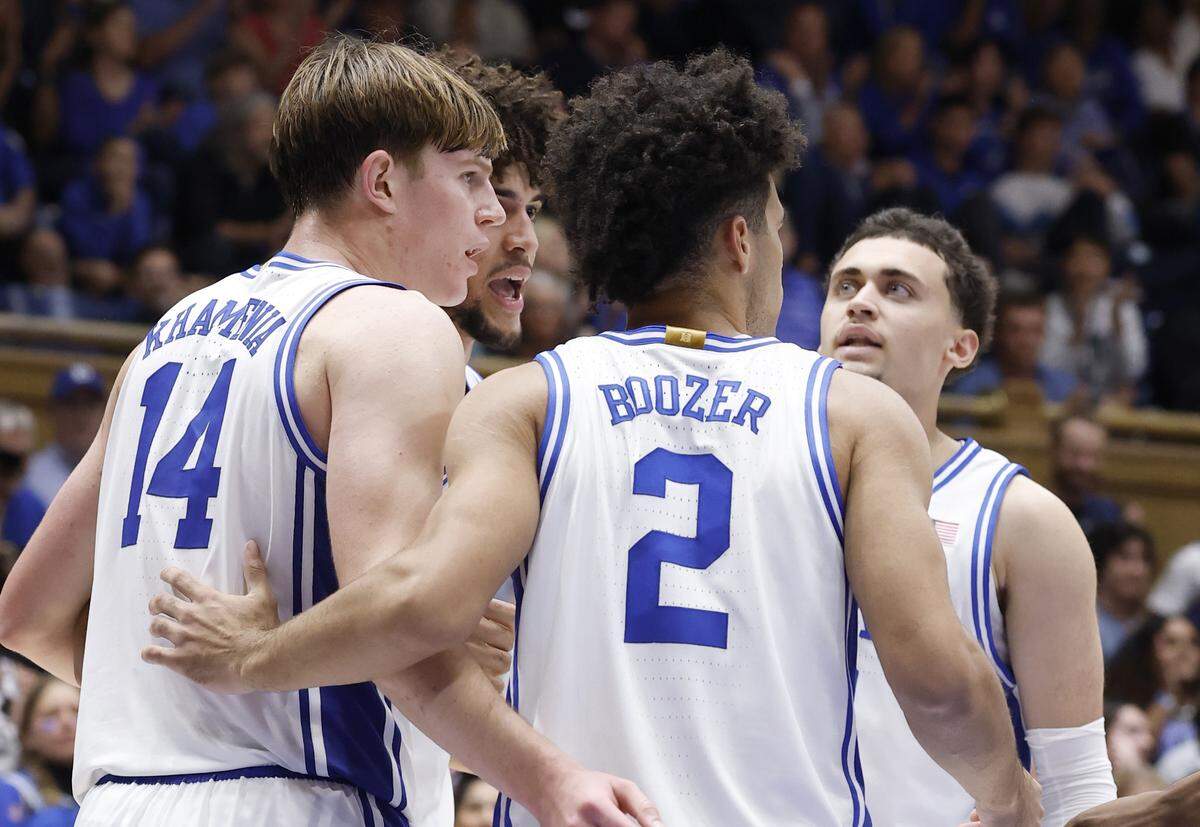
There’s more reason for optimism this season, with Duke, Louisville and North Carolina in the preseason top 25 and N.C. State, SMU, Virginia and Wake Forest knocking on the door, but there’s also more pressure to get back to the way it was in 2019, when the ACC accounted for three of the four No. 1 seeds and the eventual national champion, or 2018 and 2017, when nine of the ACC’s 15 teams qualified for those NCAA tournaments. That’s the standard the league once set.
Future of college athletics and football
The discussion about the future of college athletics always centers on football, the economic engine of 80% of the billions coming in year after year, and the ACC has grown over the past 20 years primarily to add more football programs.
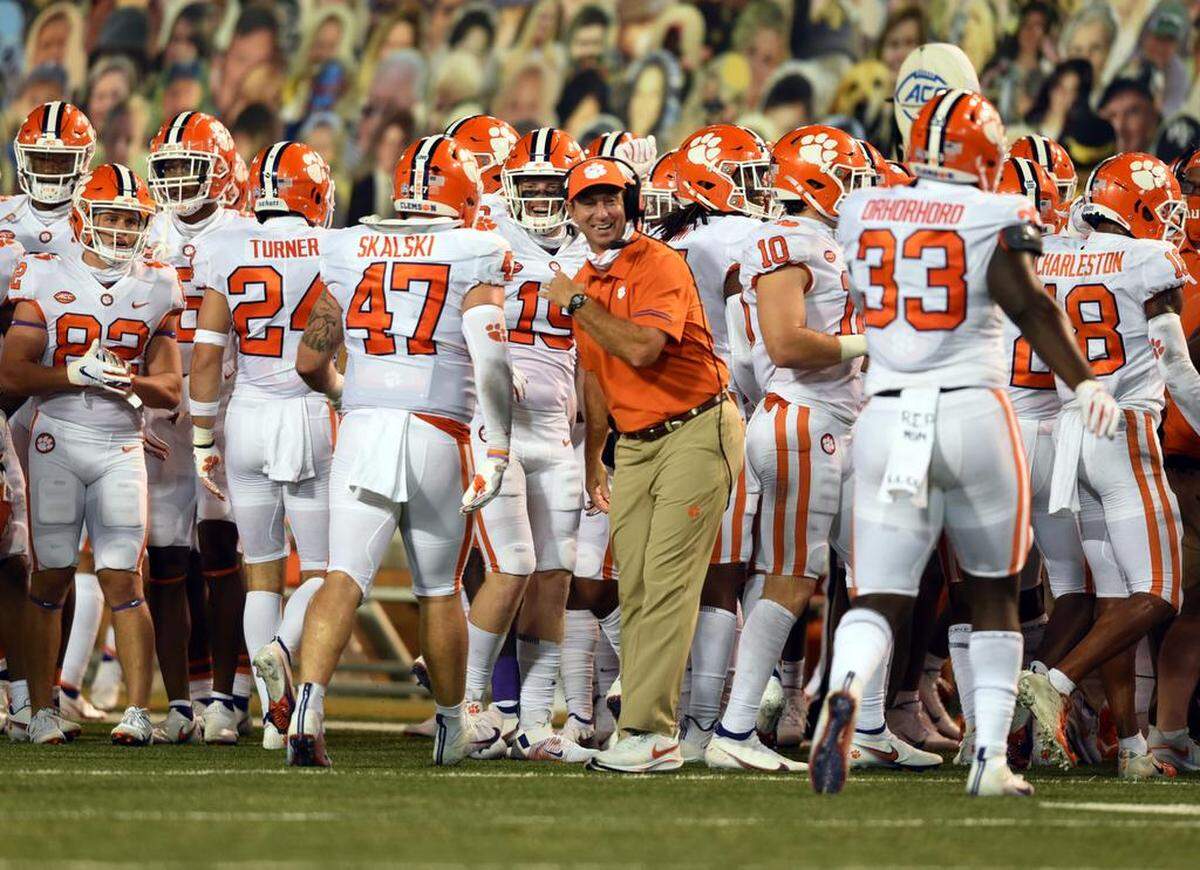
The ACC’s lack of elite football success — Clemson was keeping things afloat until its recent slide into ordinariness — has put the conference’s future in doubt, with Florida State and Clemson both suing the ACC in search of an exit plan before those lawsuits were settled in March.
But it’s basketball, always men’s and increasingly women’s, that is the emotional engine of the ACC, where the rivalries are at their most fierce, a passion for the sport that radiates out from the Triangle and once energized the original footprint, with the televisions being rolled into classrooms on carts from Atlanta to D.C. during the three days of the ACC tournament.
Of the remaining seven schools from the glory days of ACC basketball in the ’80s and ’90s, only at Clemson would anyone argue that football is more important than basketball. The same is true of newcomers like Louisville, Pittsburgh and Syracuse. And even at Notre Dame, the Football School of all football schools, basketball is the only thing tethering the Irish to the ACC.
“The history and tradition of the league is as good as any league in the country,” ACC commissioner Jim Phillips said. “It just is. It’s the premiere basketball league in the country from a women’s and men’s perspective.”
The ACC’s focus on basketball
As other conferences have poured money into the sport, as expansion has diluted the ACC’s focus on basketball (and one-time basketball powerhouses like Pittsburgh and Syracuse have withered since joining the league), the ACC has struggled to keep up. It was a rude awakening for the entire league when Alabama rolled into the Smith Center last December with a basketball support staff so large there were guys in crimson tracksuits cutting video clips in the hallways, the only space left for them. Suddenly, the SEC’s rise in basketball started to make a lot of sense.
The ACC has taken what measures it can to address that, encouraging investment, bringing in bracketologists to dive deep into NCAA selection criteria and going from 20 to 18 conference games to give teams more chances to play better nonconference games, even at the expense of important rivalry games like N.C. State at North Carolina, a game that won’t be played in Chapel Hill this season for the first time since World War I.
It remains essential, at a time when the future format of the College Football Playoff remains undecided, that the ACC become more competitive in football at a national level. There’s too much money on the line to minimize the importance of remaining relevant. Miami and Georgia Tech have stepped up this fall, but it’s not enough.
Yet the ACC for too long made the error of focusing on football at the expense of basketball, requiring a long overdue course correction. Some of the league’s new hires — Will Wade at N.C. State and Ryan Odom at Virginia in particular — show a deep commitment to the sport, and in an era when players can move freely and schools can pay them directly, it’s easier to affect an instant turnaround than ever before.

It’s also more important than ever before. The ACC’s success (or lack thereof) in football may determine the conference’s economic future, but basketball has always been at the spiritual heart of the ACC — certainly within the borders of North Carolina, but throughout the rest of the league as well. It’s a point of pride to be the best basketball conference, and it’s been a long time since the ACC could realistically claim its rightful place at the top.
Never miss a Luke DeCock column. Sign up at www.newsobserver.com/newsletters to have them delivered directly to your email inbox as soon as they post.
This story was originally published October 30, 2025 at 5:15 AM.