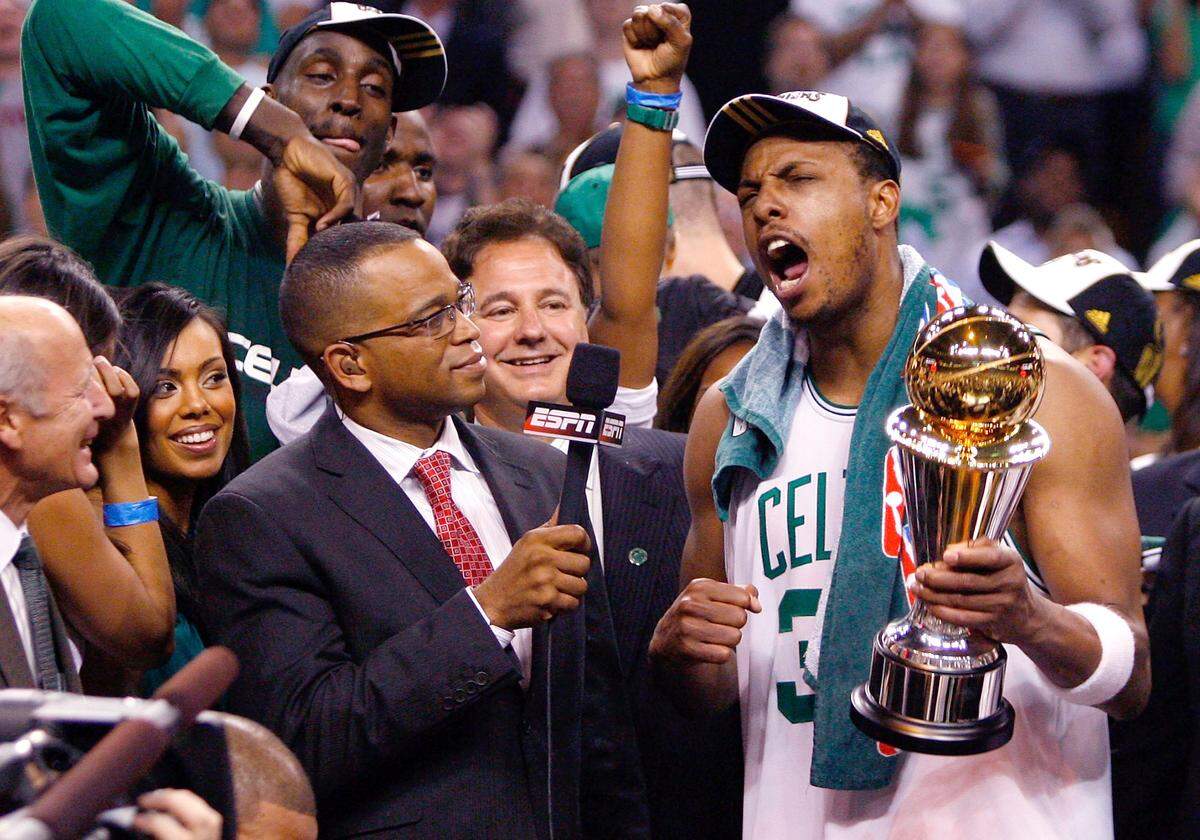
Finding ‘gem after gem,’ film director lets Stuart Scott’s own words tell his story
AI-generated summary reviewed by our newsroom.
- Director Andre Gaines used months of archival footage to center Stuart Scott’s voice.
- The film documents Scott’s pushback at ESPN and his choice to defy network norms.
- Gaines frames Scott as an authenticity catalyst who reshaped sports and culture.
The documentary’s final scene feels unreal: a younger Stuart Scott, standing on a small hill in a green button-down. He looks into his camcorder and says, “I’m walking into the sunset…take my hand. Take my hand as I walk.”
He turns and heads down the slope and disappears. This wasn’t manipulated by AI or some other kind of movie magic. Instead, the moment was perfectly preserved in VHS, shot by Scott decades earlier.
Andre Gaines, the director of “Boo-Yah: A Portrait of Stuart Scott,” said he and his team spent about three or four months in the summer of 2024 just watching archival video from ESPN, the estate, Scott’s own collection and those of his family and loved ones.
“And in that process, you just find gem after gem, but it’s something that is an ongoing thing,” Gaines told the N&O. “You start that editing process, and you discover some new stuff, and you discover more and more… that’s just the creative process. It’s something that might be daunting to others, but is really the process of making a film and has been a joyful one.”
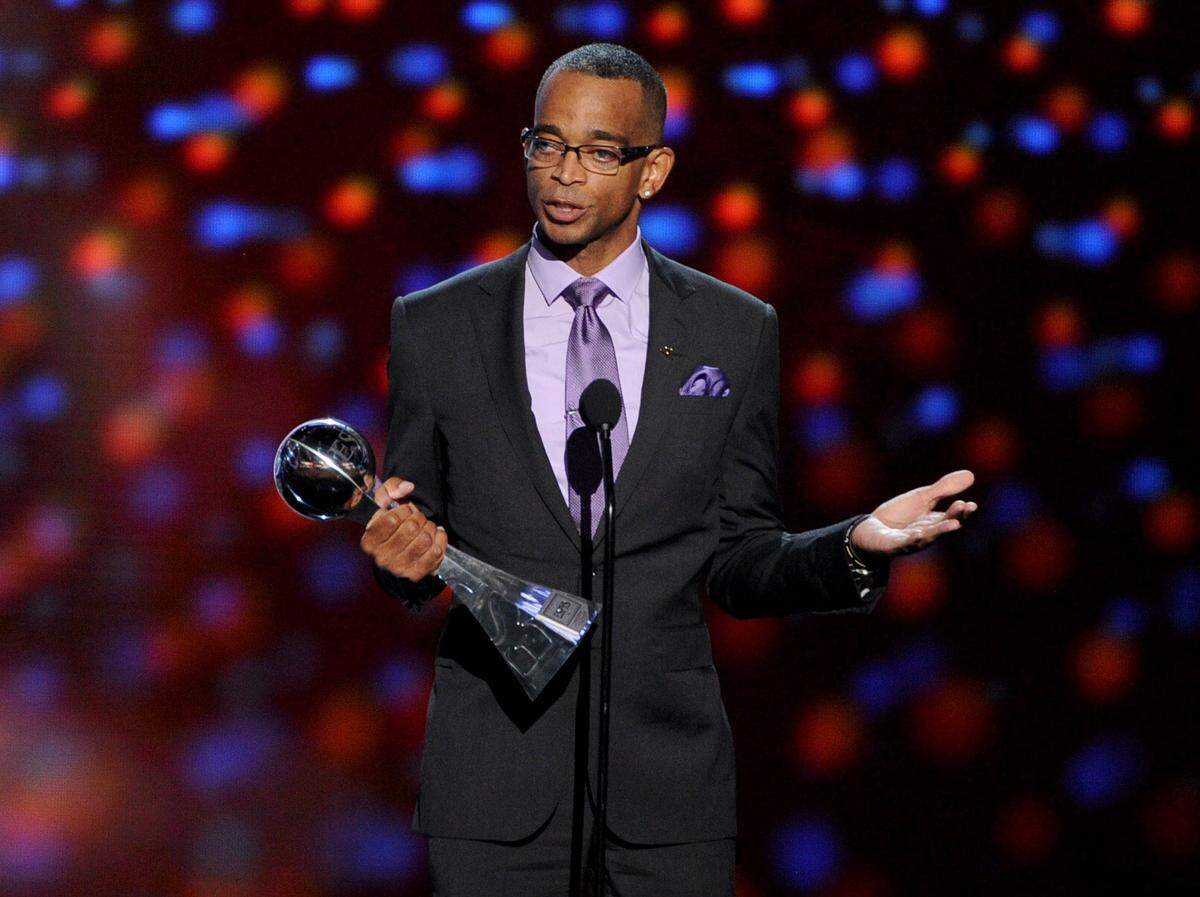
In ESPN’s “Boo-Yah,” which premiered on Wednesday, Gaines explores how Scott transformed sports broadcasting, proving his legacy and impact goes far beyond his famous catchphrases.
The N&O’s Shelby Swanson spoke to Gaines about the process of making the film. The following Q&A has been edited for length and clarity.
Q: You’ve called Stuart a “North Star” for you and inspiration for you in your career. How did your perception of him shift as you made the film? What stayed the same?
A: The truth of the matter is that, as a fan, I count myself among the people that felt a personal relationship with Stuart because he found his way into my living room on a daily or twice daily basis. But I also admonish the fact that I and, really, nobody else knew the man, other than his close colleagues, very close friends and his family. They never looked at him as the trailblazer, the icon, or the legend — the way we do as fans. They looked at him as brother, father, husband, best friend, college roommate. And so they had the luxury of seeing that star shoot straight to the moon, but they always understood Stuart in that context.
Watching all of these home videos that he shot, we’re just so grateful and lucky to be able to receive it. And the same is true, really, for Taelor and Sydni. They, of course, knew their father, had a relationship with their father. He passed away when they were in their teenage years. But there’s a whole life that predated them before they were even born, and so this was a real opportunity to give something back to them. For them to have this kind of tapestry or quilt of their dad that they would be able to see. That’s what was cool, too. It’s almost like sitting down with Grandma, flipping through a photo album.
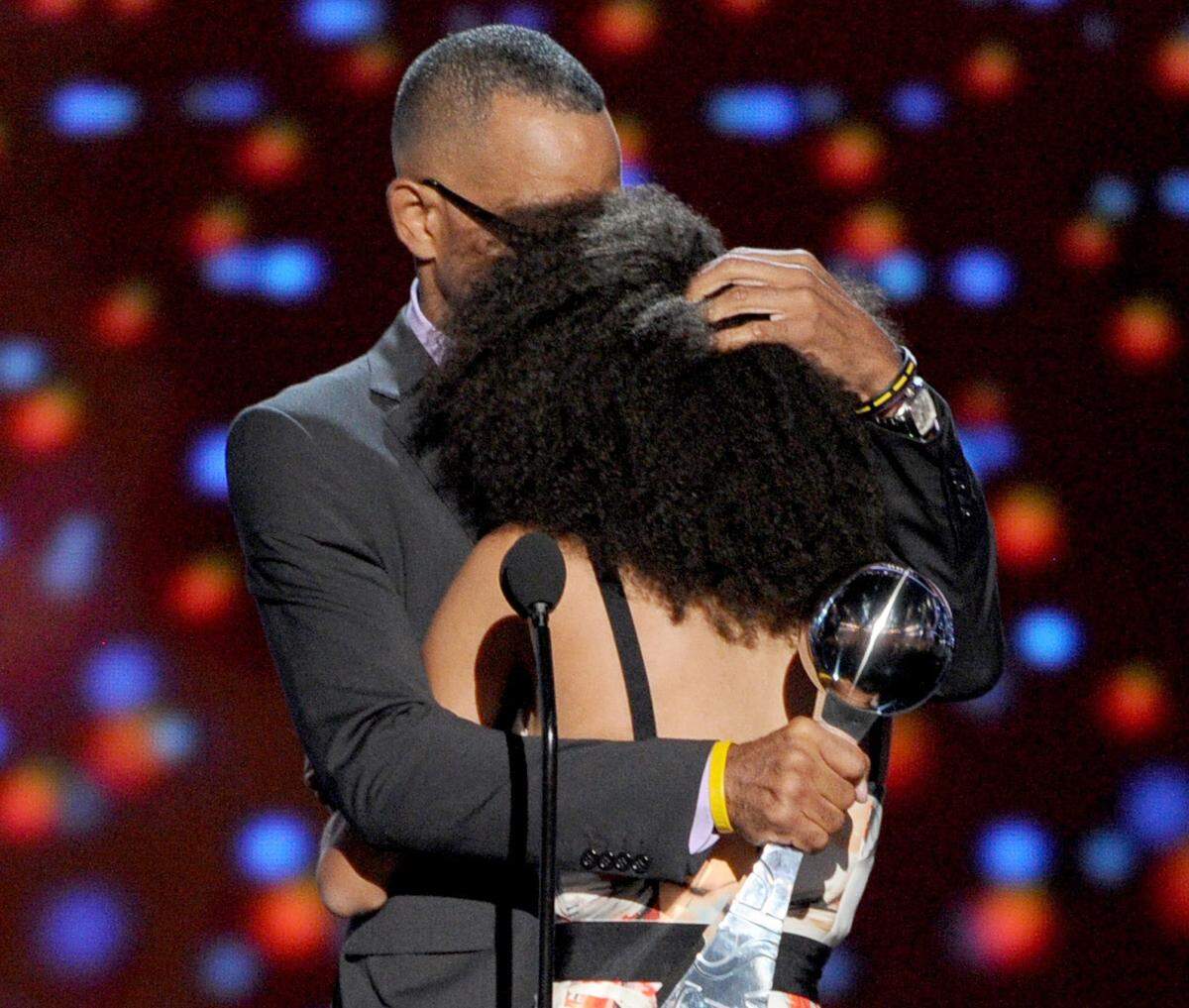
Q: You’ve spoken about, with this film and a lot of films, your intention to really center the subject’s voice. How did you balance the use of archival footage and Scott’s narration with hours of interviews from family, colleagues and friends?
A: I wanted Stuart to really tell his own story. I wanted him to dominate. His family and friends, they’ve said to me, it was almost like bringing him back, back to life. Like he was part of the documentary, but passed away in the middle of it, or something.
That’s very flattering. I really appreciate that. That’s exactly the goal. And it was probably the most challenging of all, because Stuart himself was the interviewer and not the interviewee. He was the reporter. He was the one talking to people and interviewing them and asking them questions, as opposed to him being asked those questions.
But, just over the course of time and a lot of digging and research, we were able to find interviews of Stuart where he does talk about some of those trials and triumphs that he was experiencing in the middle of his career. And then, obviously, [Stuart] had a lot of introspection when he got sick at the end of his life, sort of looking back on a life well-lived and a full life.
The other part of this is the interviews that we conducted with family, friends, colleagues. Those are always what makes a documentary at the end of the day. Those are all very important additions to this story to help the audience and help us understand, from the perspective of folks around him, what it is he was truly going through. As third party observers, we can really be able to see what somebody is enduring, as opposed to necessarily looking at it directly from their perspective. But I wanted Stuart to help carry us through this story. And I’m glad he was able to.
Q: A lot of Scott’s early years at ESPN/ESPN2 were full of pushback, prejudice and discomfort over his authenticity. How were you able to get to the truth of that, especially considering the film was made in conjunction with ESPN?
A: ESPN was very open, honest and genuine about it from the beginning that, within the company, there were some pretty well known obstacles and difficulties that Stuart had to face during his tenure.
That’s not an indictment on the network itself in any way, shape or form. I mean, every institution, every network, every studio, every publication, every hospital – they’re made up of people. It’s the people that make up the institution, not the other way around.
But Stuart knew that he had something new and something authentic and different up his sleeve. And he was dogged about it. He didn’t know that at first. He was just being himself when he was first hired at ESPN2. But, once they pointed it out and were like, “you’re being too Black,” or “you’re bringing hip hop into this equation,” he was aware of it.
There’s two roads that you can go here. Either you decide to be self-conscious about it and clam up into a shell, or you say, “You know what? I know there’s an audience for this. I know that there are people out there that are getting what I’m saying, and there’s far more of them than you realize. And I know something that you don’t know.” That’s the road that Stuart took. And thank God that he did, because as a result, we got yet another cultural icon that changed the game.
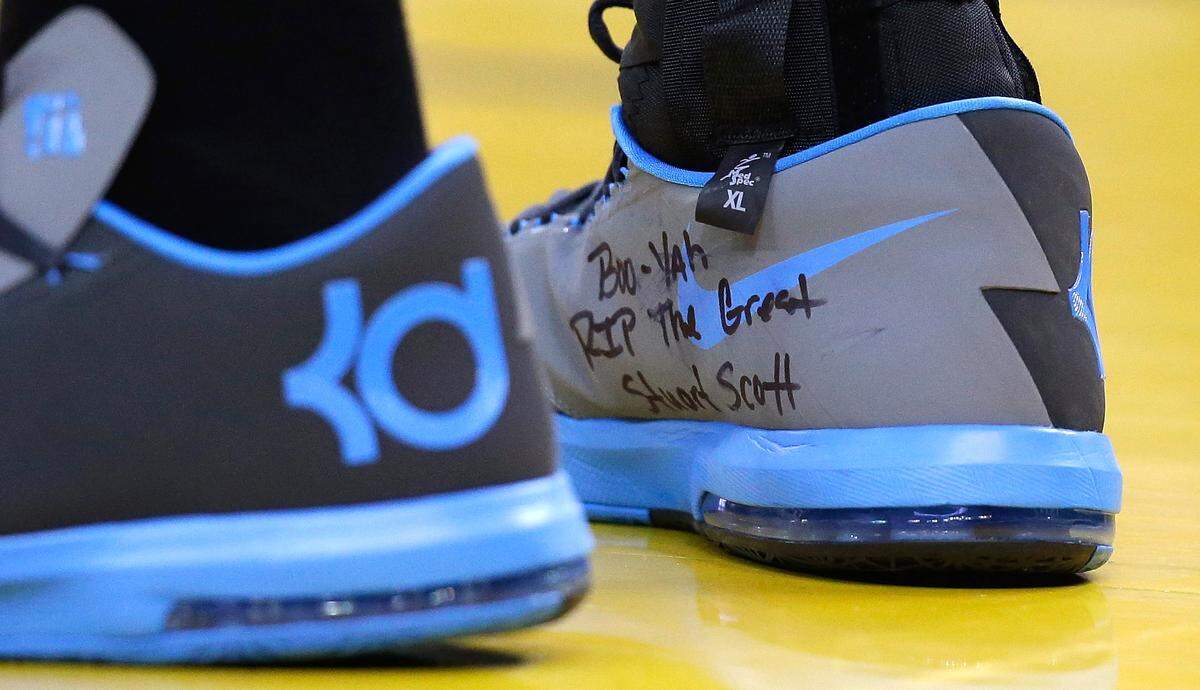
Q: You’ve described Stuart as the glue that connected sports and hip-hop long before mainstream media embraced that connection. How different do you think the modern sports media landscape would be without him?
A: Well, all the personalities we have now, we just take for granted. Now, if someone’s not being real on TV, they get called out. We’ve been trained now to spot if the comments aren’t genuine, if the reviews aren’t real, if followers on Instagram and TikTok and places like this aren’t real. We’ve been able to spot or sniff out the fake, the disingenuous or the inauthentic.
Just having someone like Stuart who exudes that level of authenticity is remarkable. I think that most people don’t realize how many steps a script, a line or joke have to go through in order to actually make its way on air. There’s a lot of different bodies, approvals, sign-offs from multiple sources that it has to go through. And so to wade through all of that and maintain your own personality is a difficult thing to be able to do.
There’s a set of circumstances that have to create a Stuart Scott. But Stuart Scott was just authentically himself, which was what set everything apart.