Triangle Ten: The 10 most influential people in Triangle sports in 2019
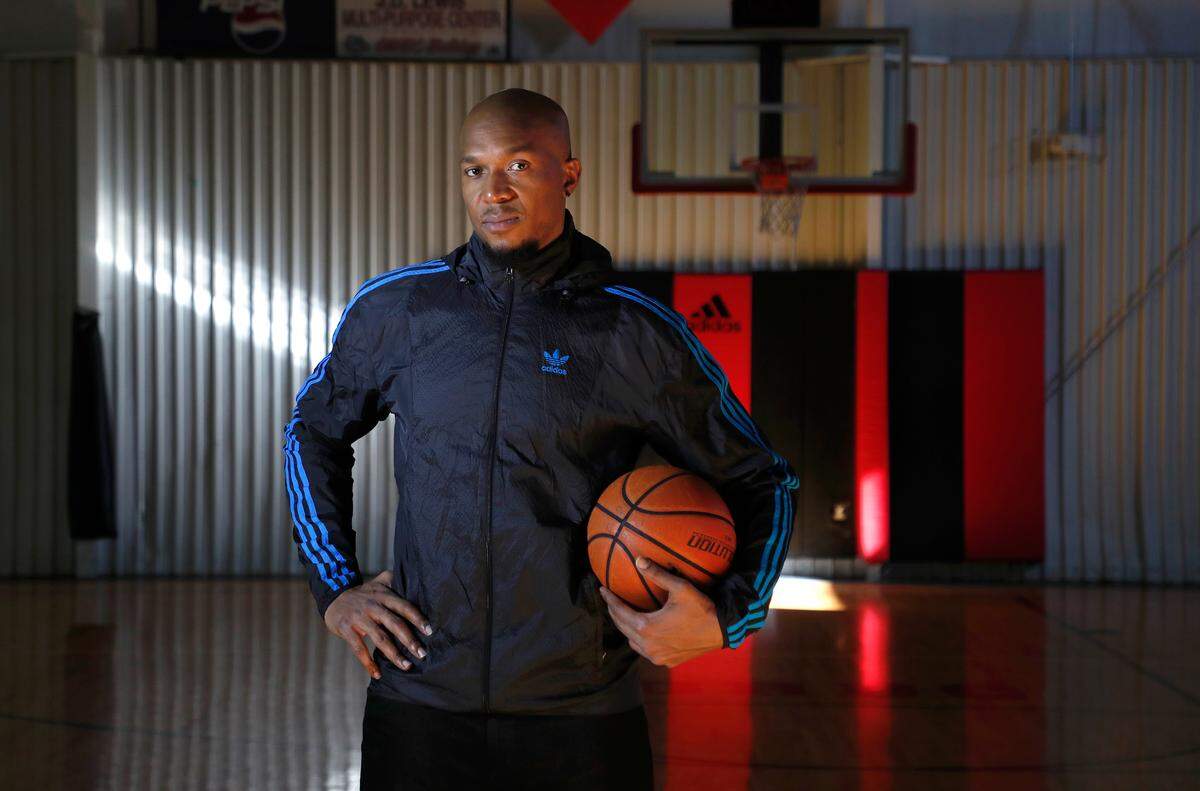
When presumptive No. 1 pick James Wiseman last week decided to leave Memphis and prepare for the NBA draft rather than sit out a lengthy NCAA suspension, David West felt his pain in Raleigh.
The longtime NBA veteran from Garner has embarked on a new phase of his basketball career, one that would have given Wiseman a place to play while going head-to-head with the NCAA and everything it represents. Wiseman, in his awkward situation, would have been the ideal candidate for the new Historic Basketball League.
“If he had this as an option, he would be the perfect case study,” West said.
West, 39-years old and 18 months removed from his final, title-winning season with the Golden State Warriors, is the chief operating officer and chief recruiter of the HBL, which starting in 2021 plans to create a collegiate-aged path to the NBA completely separate from the NCAA, one where players are paid up to $150,000, play a 28-game summer schedule and train during the academic year while attending college. They’ll just play for themselves instead of a university.
“There’s a huge elephant in the room in collegiate sports when it comes to the idea of amateurism,” West said. “It’s just plain obvious exploitation.”
Raleigh is one of eight East Coast markets targeted for the HBL, which co-founder and sports economist Andy Schwarz originally conceived as an attempt to get HBCUs to exit the NCAA and go their own way. Hence the name, which will change as part of a rebranding next month. Players would play for their HBL team in the summer while training and attending classes at local schools in the winter. In Raleigh, that could be anything from N.C. State to Wake Tech, even a vocational program.
Instead of student-athletes, in the NCAA’s loaded phrasing, they’d be student/athletes, untethered from NCAA rules and regulations.
West is a key player in this audacious attempt to upend the system, a rebellion as much as a startup, which is why he tops this year’s Triangle Ten, the 10 most influential people in sports in the Triangle in 2019.
A polymath who has invested in clean energy companies, held clinics and refurbished basketball courts in Ghana and Senegal and run one of the country’s most successful AAU programs in Raleigh with his brother Dwayne, West became one of the NBA’s more vocal and outspoken players over the course of his 15-year career, especially after witnessing the aftermath of Hurricane Katrina while playing in New Orleans.
Within hours of his retirement in August 2018, HBL co-founder Ricky Volante was chasing West down, trying to get him on board.
“All of that: the business acumen, the basketball acumen, the social activism and awareness,” Volante said. “Those were all critical pieces.”
It turned out West’s interest was more than professional. After graduating from Garner, he had to spend a year at Hargrave Military Academy to qualify academically at Xavier. He would have loved an opportunity like this.
“We’ll meet kids where they are, not force them into something they’re not prepared for,” West said. “For me, it definitely would have been an option to explore.”
Like any new sports league, the HBL faces major hurdles. But it has pursued long-term funding from venture capitalists like a tech start-up and has an advisory board full of notable names in sports, media and business. It’s founders also think streaming games will substitute for a traditional TV deal because of the way the NBA is increasingly consumed by younger fans these days: In clips and bits and pieces on social media as opposed to appointment viewing.
West believes it’s a chance worth taking. At Xavier, he didn’t really comprehend how much money he and his fellow basketball players generated for the university. The longer he was in the NBA, the more he came to believe the NCAA system was inherently inequitable, especially with young black men generating the vast majority of the revenue for others without sharing any of the spoils.
Legitimate challenges to the NCAA’s billion-dollar monopoly have been rare, but Volante said he can sense the tide beginning to shift. He believes that college sports will look very different in a few years, whether that’s because of the HBL or not. But as the NCAA faces a barrage of legislation and lawsuits designed to alter the current system, the HBL is attempting to create a different system entirely.
“I’m not sure many other people or groups of people have thought about it, or maybe not done it because the NCAA is such a powerful institution,” said Kwame Ageymang, an Ohio State professor who studies the intersection of race and sports. “I hope it’s able to succeed, because the concept is a welcome one.”
West will be critical to the success of the league for many reasons. His status in the basketball world gives it legitimacy, but it will also be primarily his responsibility to recruit some of the best players in the country to play in this league instead of the NCAA. Eschewing the traditional college route is increasingly an option for top recruits, with LaMelo Ball and R.J. Hampton playing overseas ahead of this spring’s draft. The HBL would give them — and players like Wiseman — a domestic option.
West said Nassir Little’s father Harold even reached out to him last winter to see if the HBL was an alternative for the former North Carolina forward. It wasn’t then, but it may be for others soon.
It’s up to West to talk the top players into playing in the HBL instead. There’s not much riding on it. Only the survival of this new league and potentially the future of the NCAA.
“It’s the right thing to do and the right approach to an issue a lot of people are trying to ignore,” West said. “These are the things I like to focus on and put my energy into.”
West is joined this year by a football coach, philanthropists, a Finn and a phenom, among others, in this list compiled by News & Observer sports columnist Luke DeCock with input from other staff members, focusing on impact in 2019 specifically.
2. Mack Brown, North Carolina football coach
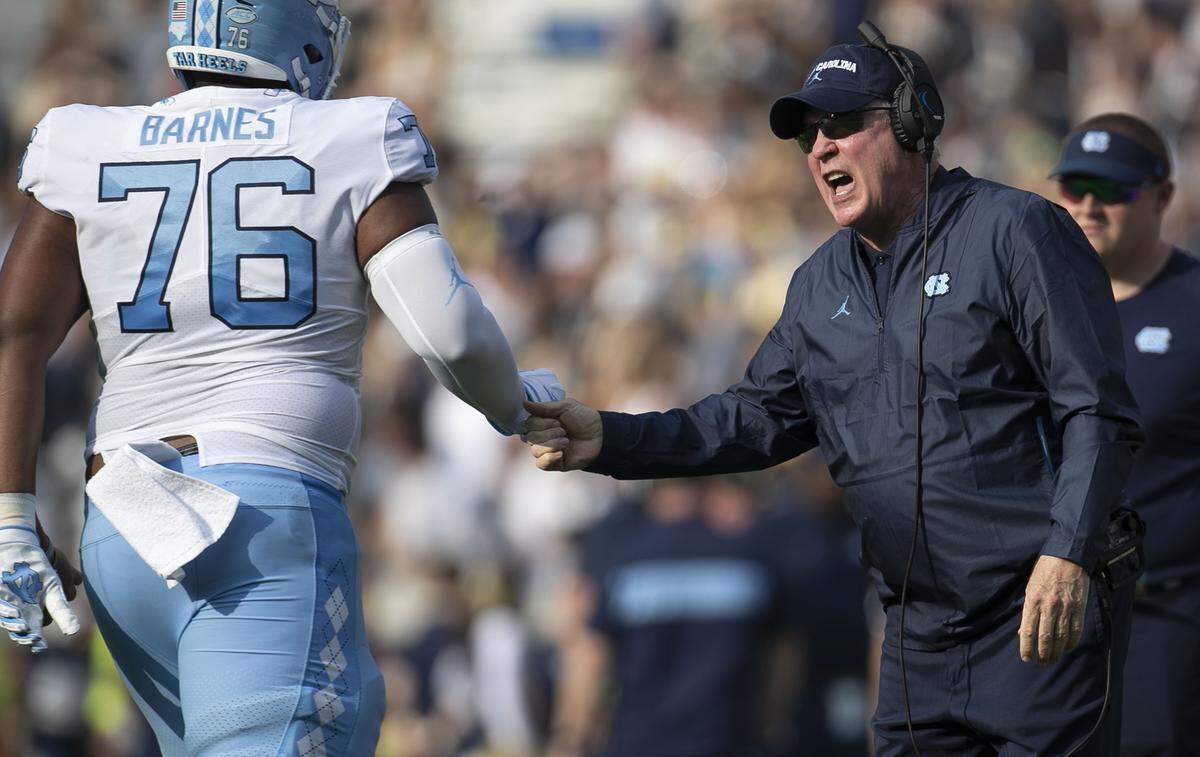
For the most part, Brown has delivered on everything he promised when he made his triumphant return to North Carolina, starting with a win over South Carolina in his re-debut, North Carolina’s first over a power-conference opponent in an opener since the last time the 68-year-old Brown was the Tar Heels’ coach. After coming within a whisker of upsetting Clemson, the Tar Heels are headed to a bowl game (albeit with a 6-6 record) and by signing day Brown had completely upended the recruiting dynamic within the state.
The question now is whether the influx of talent (and several transfers who sat out last season) can combine with star freshman quarterback Sam Howell to make North Carolina nationally relevant again — if not next season, then soon. Either way, Brown’s return re-energized a program that had gone stale and filled the seats at Kenan Stadium that had gone empty under Larry Fedora.
3. Heather O’Reilly, recently retired soccer legend
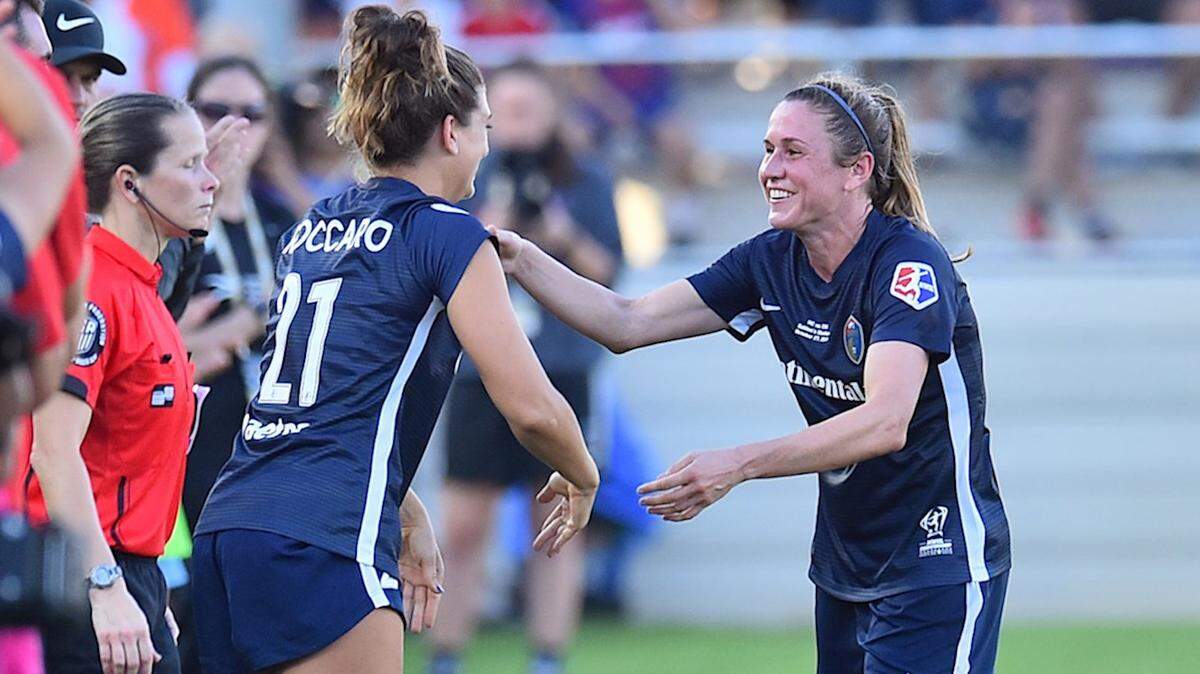
After completing her decorated professional career with a second straight NWSL title with the NC Courage, the doors of the soccer world are wide open for the 34-year-old O’Reilly. She made an unexpected cameo appearance at Charlotte’s MLS expansion announcement (that Charlotte had to import a soccer personality from the Triangle was a little bit too on point), served as an analyst for Fox during the World Cup and is getting her first taste of coaching as a volunteer assistant at UNC, her alma mater.
Whether O’Reilly wants to go into coaching (where her high profile in the game would make her one of the few people capable of filling Anson Dorrance’s shoes in Chapel Hill when that time comes), television or management, just about any path she likes is open to her.
4. Mike Krzyzewski, Duke men’s basketball coach
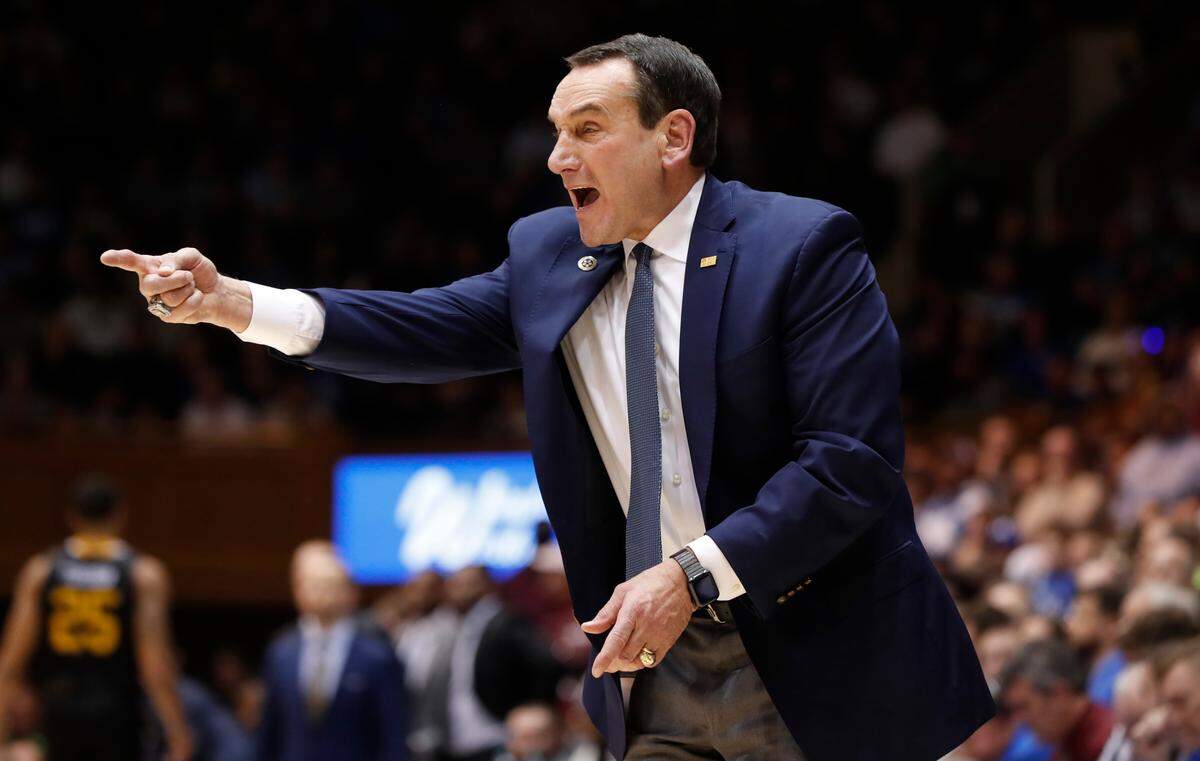
Because of his stature in the college basketball world and work with the V Foundation, Krzyzewski could probably appear on this list every year. In 2019 in particular, though, he became one of the first coaches of his stature — and there aren’t many — to come out in support of the California law allowing college athletes to profit off their name, image and likeness.
Krzyzewski’s willingness to not only accept this fundamental change to the so-called “amateur model” but advocate for it paved the way for others to challenge the NCAA and, by late October, the NCAA acknowledged that it was going to have to conform in some way to the wave of legislation pending in other states. Krzyzewski’s voice was heard, loudly, on the matter.
5. Sebastian Aho, Carolina Hurricanes center
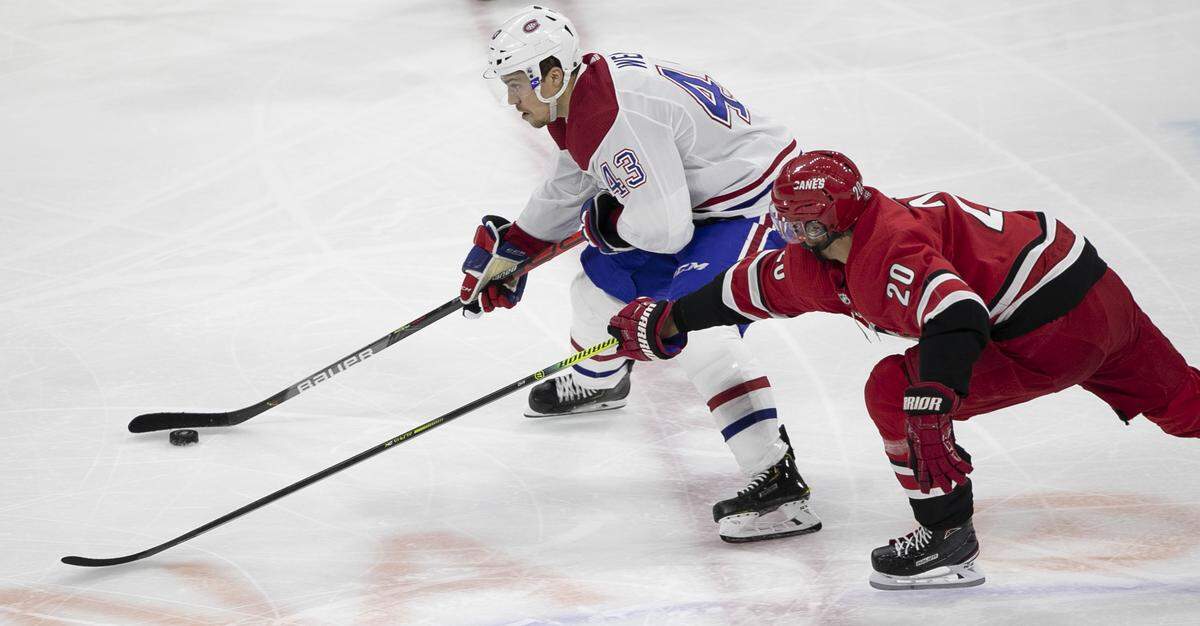
The Hurricanes didn’t hesitate to match the Montreal Canadiens’ offer sheet for Aho last summer when Aho was a restricted free agent. Nor was there ever a doubt they would. But the hefty contract also placed hefty expectations on the talented Finn, who at 22 became the team’s highest-paid player. Even if he isn’t quite at a $8..5 million level yet, Aho is the future of the Hurricanes’ franchise, a two-way center who still has room to grow.
Through mid-December, he was fourth on the team in scoring, but one of four Hurricanes in the league’s top 25. As the NHL awakens to his talent, there’s still one glaring hole on Aho’s resume: The Hurricanes made their run through the postseason largely without contributions from Aho. He was slowed by nagging injuries but a player of his caliber is expected to be a force regardless. He may get another chance this spring the way the Hurricanes are playing.
6. Karen Shelton, UNC field hockey coach
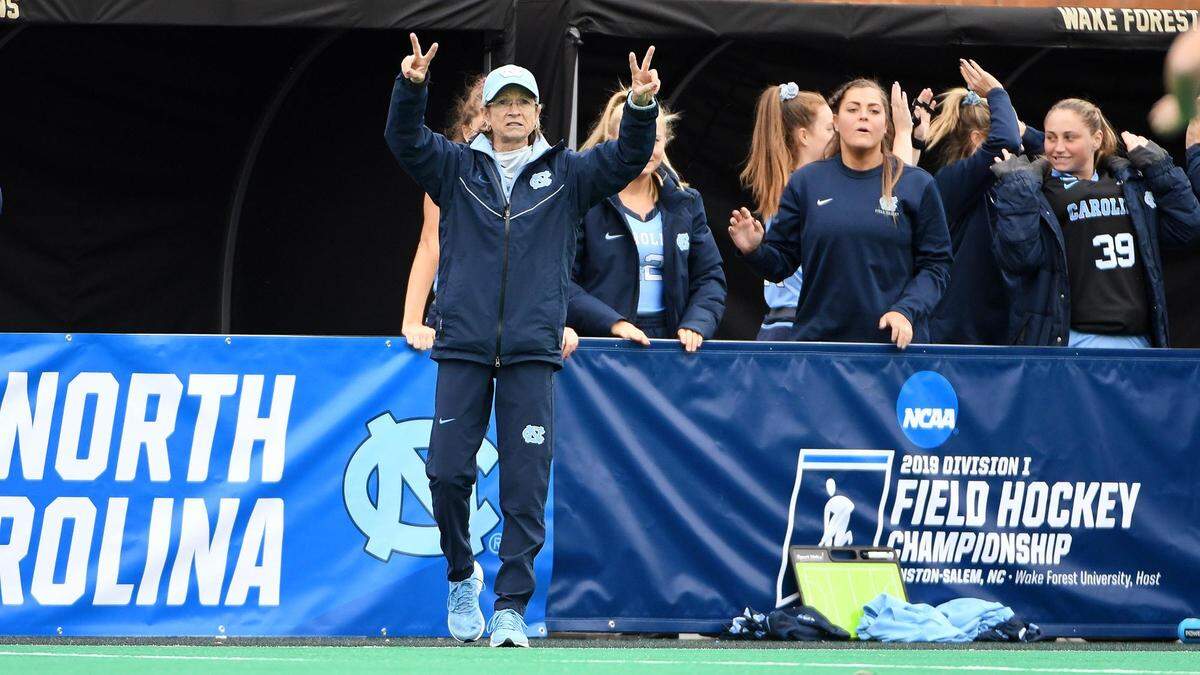
North Carolina’s win over Princeton in the NCAA title game in November was the Tar Heels’ 46th straight win, capping back-to-back undefeated seasons and national championships. It was Shelton’s eighth title in 39 seasons in Chapel Hill, a record unmatched in the sport.
Field hockey, still generally a northeastern regionalism, has seen tremendous growth and change since Shelton established this southeastern dynasty on a shoestring budget many decades ago. But she has managed to keep the program among the elite that entire time, from her first title in 1989 to this fall, a feat as impressive as her longevity.
7. Terrence and Torry Holt, entrepreneurs and philanthropists
This has very little to do with Torry Holt finally being inducted into the College Football Hall of Fame (and he’s still waiting for a deserved call from Canton). After starring at N.C. State and their successful NFL careers, the Holt brothers returned to Raleigh where in addition to their construction business, the Holt Brothers Foundation has given out hundreds of thousands of dollars to support the children of parents and guardians battling cancer.
There are several current and former professional athletes who actively give back to the Triangle (John Wall is notably another) but the Holt brothers continue to go above and beyond.
8. Akshay Bhatia, teenage professional golfer
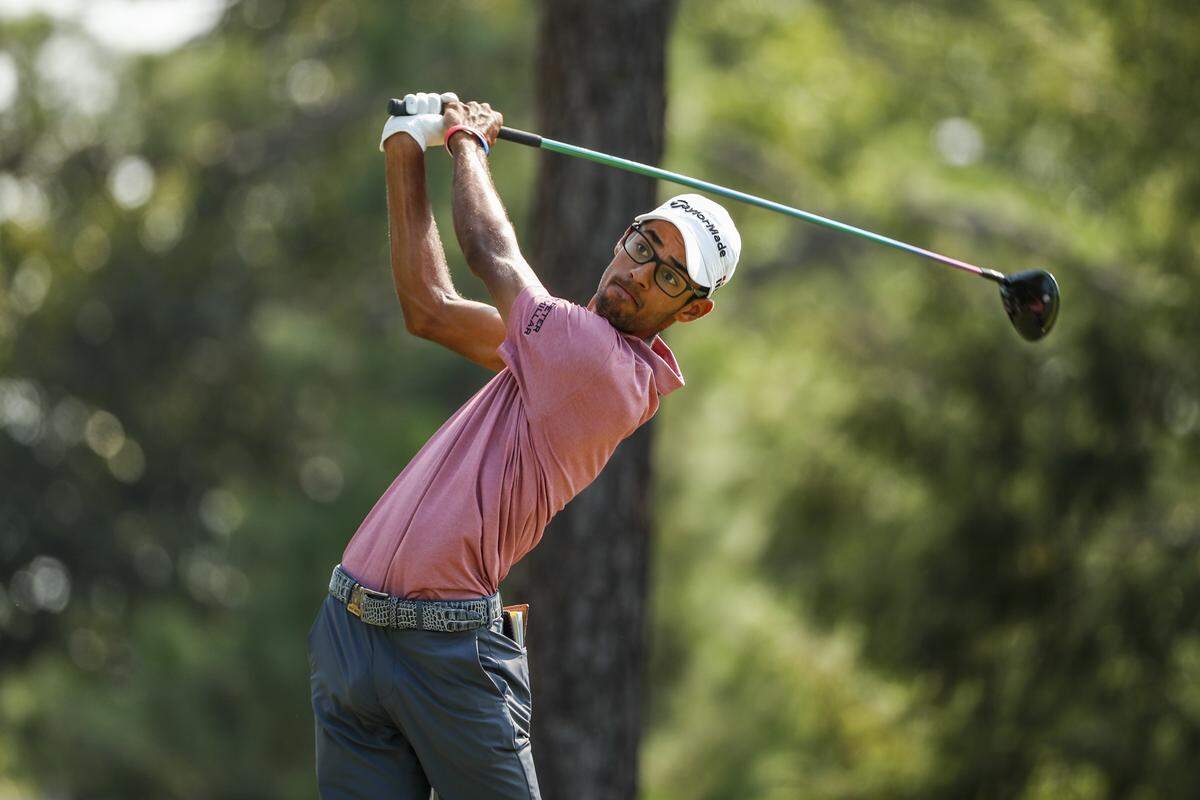
The start of Bhatia’s professional golf career hasn’t exactly gone as planned, but he still has time to figure it out. The 17-year-old from Wake Forest turned pro after winning the Walker Cup with the United States in the fall, but failed to make the cut in five PGA Tour events or advance past the second stage of tour qualifying school.
While his attempt to turn the usual path to the tour on its head by skipping college and going straight to the big time has run into an early snag, it would only take one good week to jumpstart his career. It’s going to be interesting to follow in 2020, because Bhatia has unlimited potential but a limited number of sponsor’s exemptions into PGA Tour events left.
9. Wes Moore, N.C. State women’s basketball coach
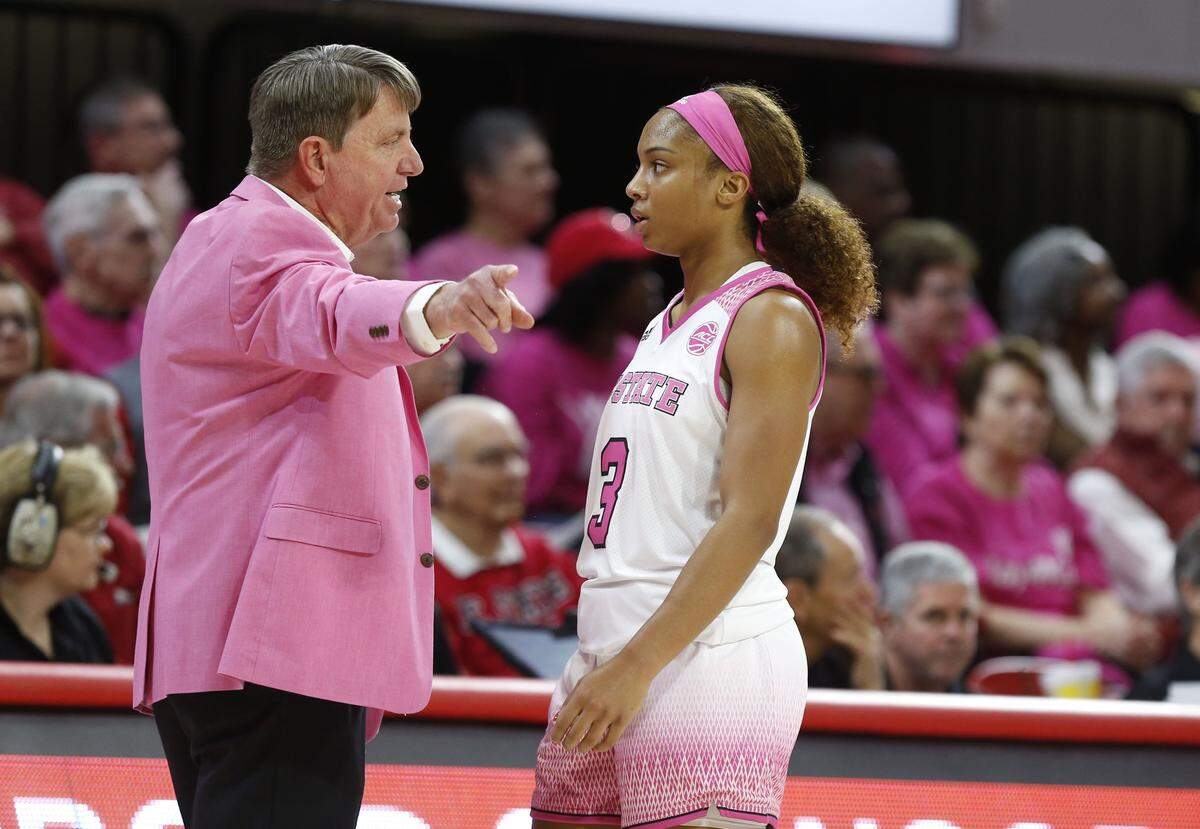
At a time when North Carolina is emerging from the turmoil of Sylvia Hatchell’s departure and Duke is teetering on irrelevancy, Moore has rebuilt the Wolfpack into the Triangle’s premier women’s program, as it once was under Kay Yow.
The Wolfpack has made the NCAA tournament Sweet 16 the past two seasons, the first back-to-back appearances for the program since 1991. Since arriving from Chattanooga, Moore, 62, has taken the Wolfpack to the NCAA tournament in four of his six seasons at N.C. State and the Wolfpack this season is one of three ACC teams in the top 10 of the AP poll.
10. North Carolina politicians (really!)
Perhaps no single event had more impact on the fan experience in North Carolina in 2019 than House Bill 389, which legalized the sale of alcohol at public university sporting events. In short order, just about every school in the state was selling beer and wine at football and basketball games, and the lack of incidents and general calm with which the transition happened only underlined how misguided the state’s mini-prohibition had been.
The effort to change the law was truly bipartisan. The bill was sponsored by three Republicans and a Democrat — John Bell, R-Greene; James Boles, R-Moore; Ken Goodman, D-Richmond and David Lewis, R-Harnett — passed by a Republican-controlled legislature and signed by a Democratic governor. A toast to them.
This story was originally published December 24, 2019 at 9:00 AM.