Hurricanes open camp in less than a month, and Seth Jarvis is unsigned. Time to panic?
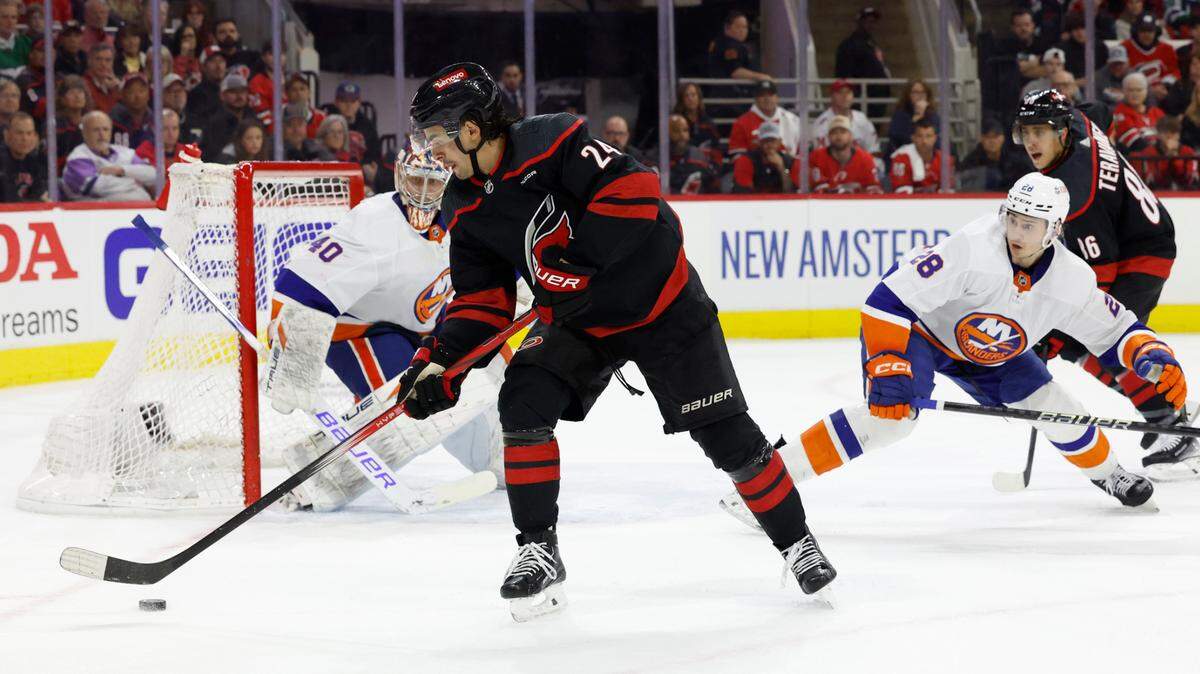
With less than a month to go before the opening of training camp, is it time to be worried that Seth Jarvis still doesn’t have a contract for this season?
Yes and no.
Yes, but only because it hasn’t happened yet. Despite general consensus over what Jarvis’ next contract will look like, there are a couple potential sticking points that may require some finesse to surmount.
Far more no, because for a player without arbitration rights, brinksmanship is his only leverage. The closer camp gets, the more likely a deal becomes. Especially when the rough financial framework of a deal — whether that’s a seven- or eight-year long-term deal or a shorter-term bridge deal — is obvious to both sides. There’s not a lot of mystery here.
Generally speaking, a long-term Jarvis deal is going to come in somewhere in the neighborhood of $7 million to $8 million per season depending on length and structure, and a bridge deal probably looks something like two years at $4 million or so per. Going into the summer, the former seemed like the more likely option for both sides. It probably still is.
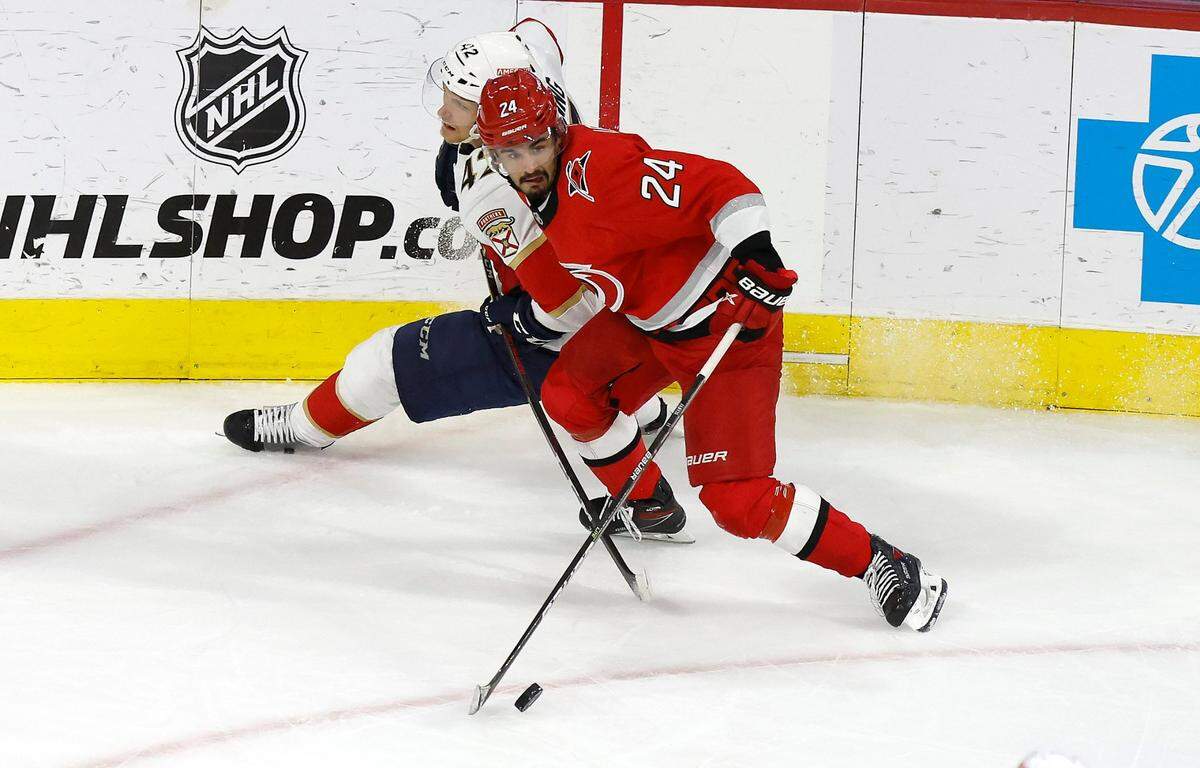
The Hurricanes want the talented and improving winger here for the foreseeable future. Jarvis wants to be here. The Hurricanes have the cap space to do it. Done and done.
But two months of the offseason have passed, and nothing is signed. So what gives?
Timing, for one. There hasn’t been a reason for Jarvis to concede anything yet. He’d basically be negotiating against himself. But now he’s negotiating against the clock. The days when unsigned restricted free agents didn’t show up for training camp are pretty much over. History shows it was rarely worth it.
There’s also one very Hurricanes-specific speed bump right in the middle of that range, and that’s Andrei Svechnikov’s contract, which is $7.75 million per season. The Hurricanes could argue that Jarvis should be equal (at best) with Svechnikov within their salary structure. Jarvis and his agents could argue that by current NHL standards Jarvis an $8 million player.
They might both be right.
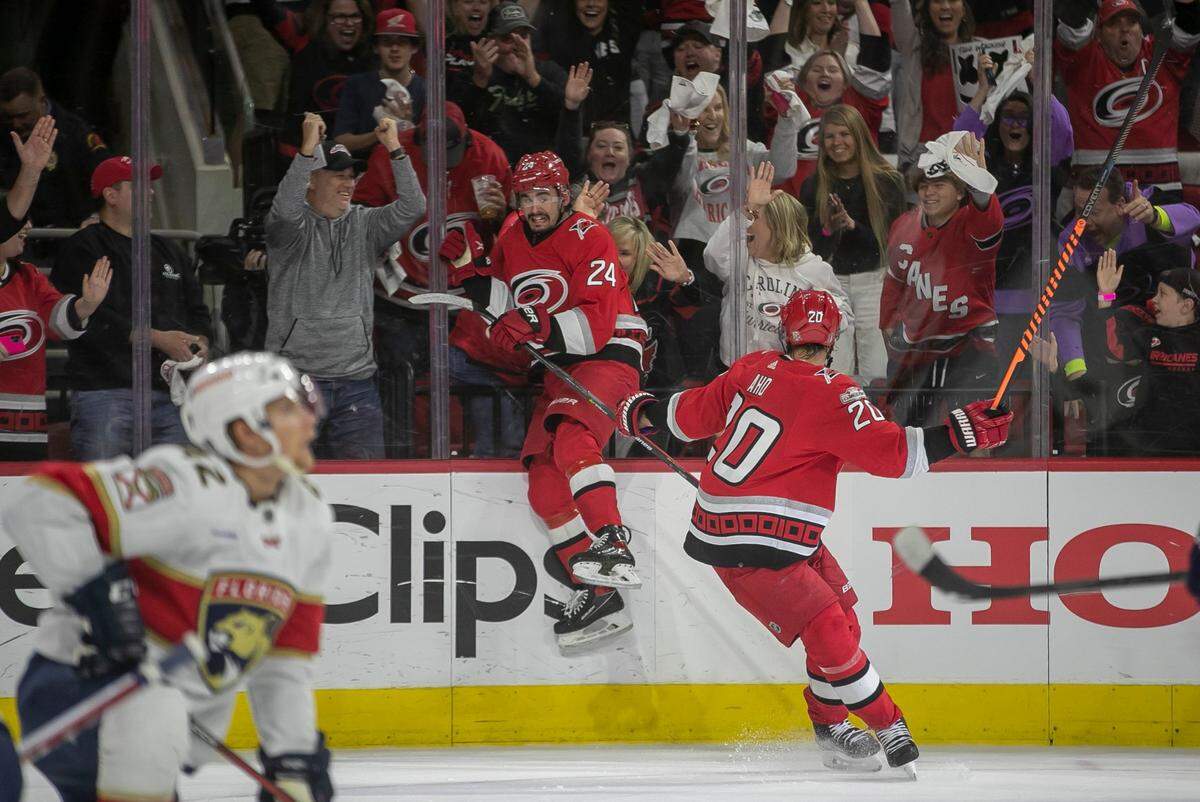
A majority of NHL teams would probably still prefer Svechnikov’s explosive raw talent over Jarvis’ more well-rounded game, although certainly not all of them. And NHL clubs do have a legitimate interest in structuring their payroll in a rational manner. Not every player gets what they want. Look at this summer’s mass exodus.
(Jesperi Kotkaniemi is the obvious outlier on the Hurricanes’ roster, but that has everything to do with the acquisition cost and nothing to do with his performance so far. This is a massive season for him, but that’s a long-term issue. Jarvis is an immediate concern.)
If Jarvis could go to arbitration, that award is likely to come in closer to $8 million. That would represent a smaller percentage of the salary cap than Svechnikov’s deal did when he signed it, so maybe it’s not actually messing with the team’s salary structure after all.
So you can get almost all the way to a deal, but that gap of a half-million dollars can be tough to close.
In such situations, teams and players have occasionally looked to a bridge deal, a short-term contract that gives both sides a chance to improve their hand before coming back to the table. That more often happens with a player who has something to prove — Martin Necas is essentially on his second consecutive bridge deal — but it can be a win-win for team and player.
The team gets some cap space now to improve the current team; the player has a chance to make that money back on the next deal from a stronger position. But there’s a lot that can go wrong, and neither side gets the security and certainty a long-term deal provides.
All of which is to say, there are plenty of options here, it’s just a matter of settling on one that works for both parties. And only now is time becoming the kind of factor that can forge an agreement. The waiting game is no fun for fans — it’s no fun for anyone — but it’s also one of the very few negotiating ploys Jarvis has coming off his entry-level contract.
So as much as everyone involved would have liked to have gotten a deal done weeks ago, there’s no reason to panic. These deals almost always get done, one way or another, especially as the clock continues to tick, louder and louder, as the opening of training camp approaches.
Never miss a Luke DeCock column. Sign up at www.newsobserver.com/newsletters to have them delivered directly to your email inbox as soon as they post.
Luke DeCock’s Latest: Never miss a column on the Canes, ACC or other Triangle sports
This story was originally published August 23, 2024 at 4:40 PM.