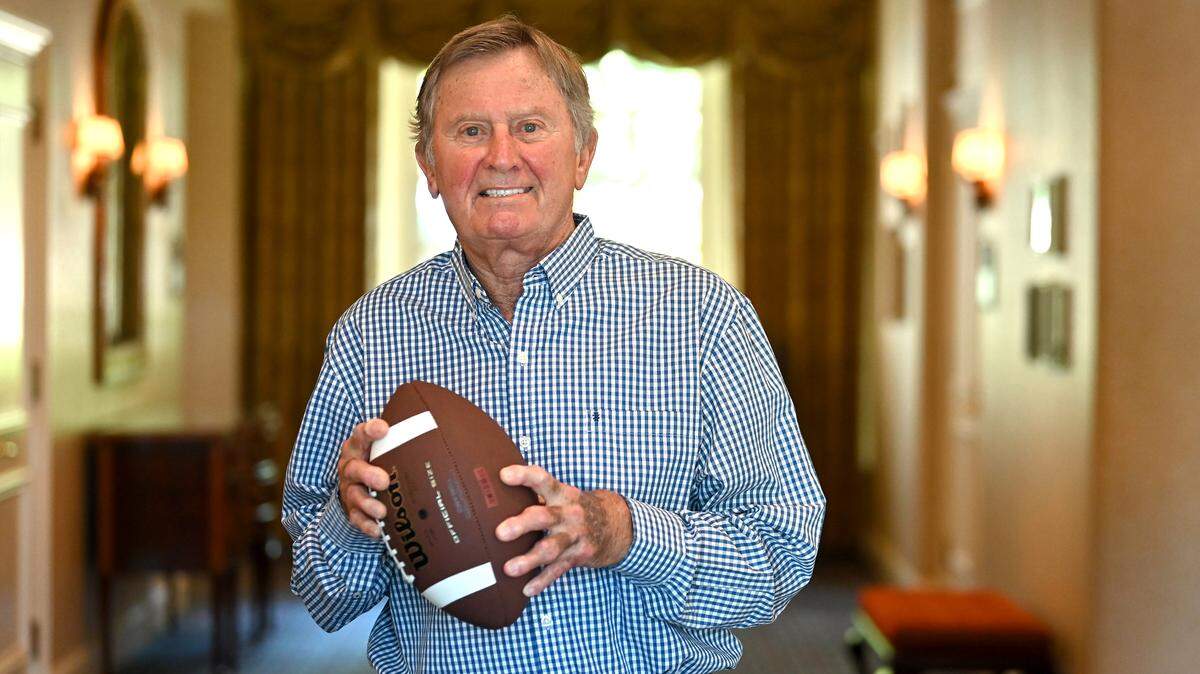
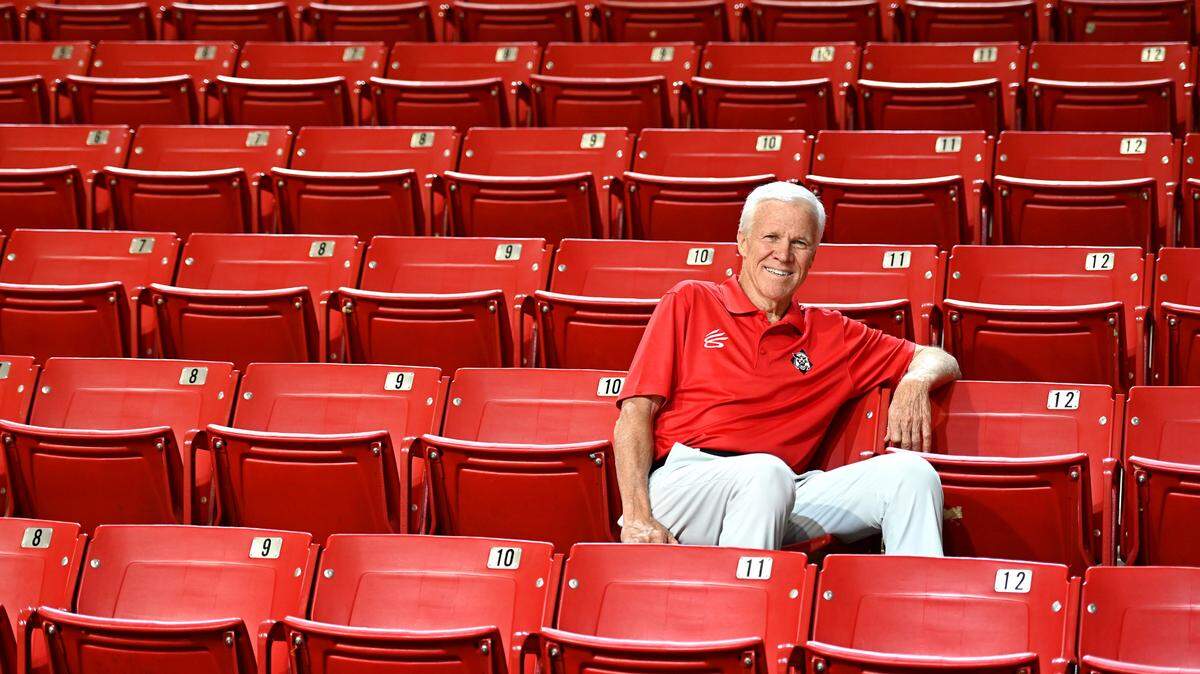
The coach the world forgot — Clemson legend Danny Ford on life, football and farming
READ MORE
Sports Legends of the Carolinas
We know they’re legends. But what’s their side of the story? Conversations with the best in Carolina sports history, hosted by Scott Fowler.
Expand All
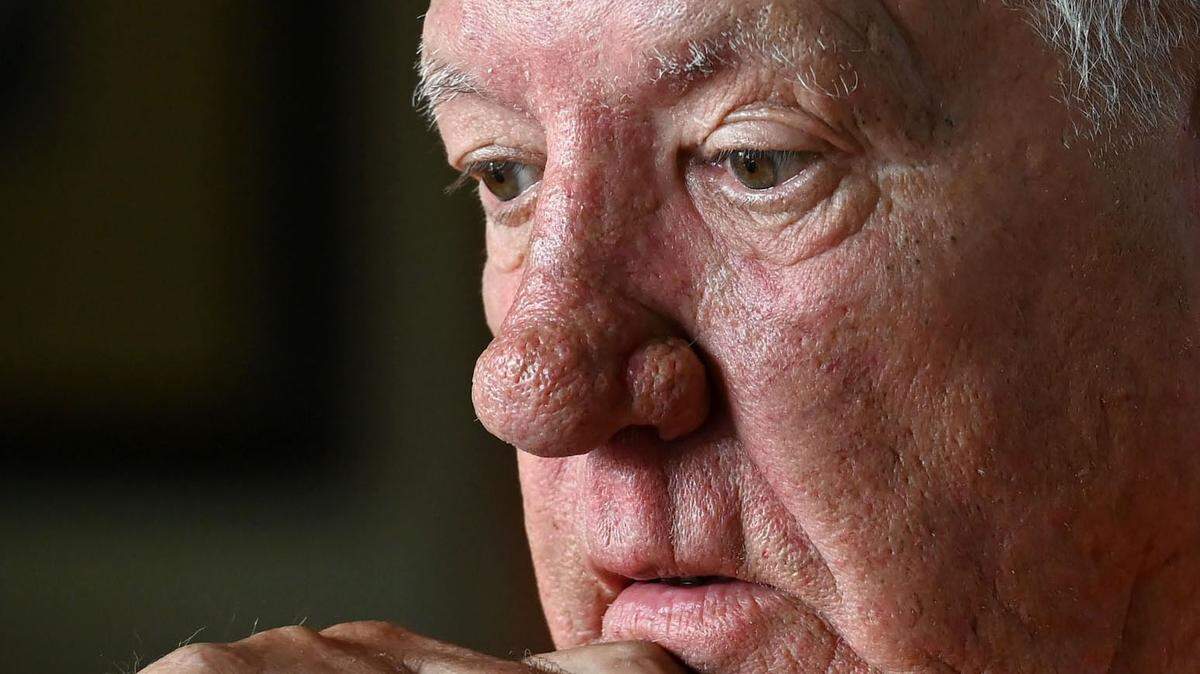
Long before Clemson was a college football superpower, Danny Ford led the Tigers to their first-ever national championship.
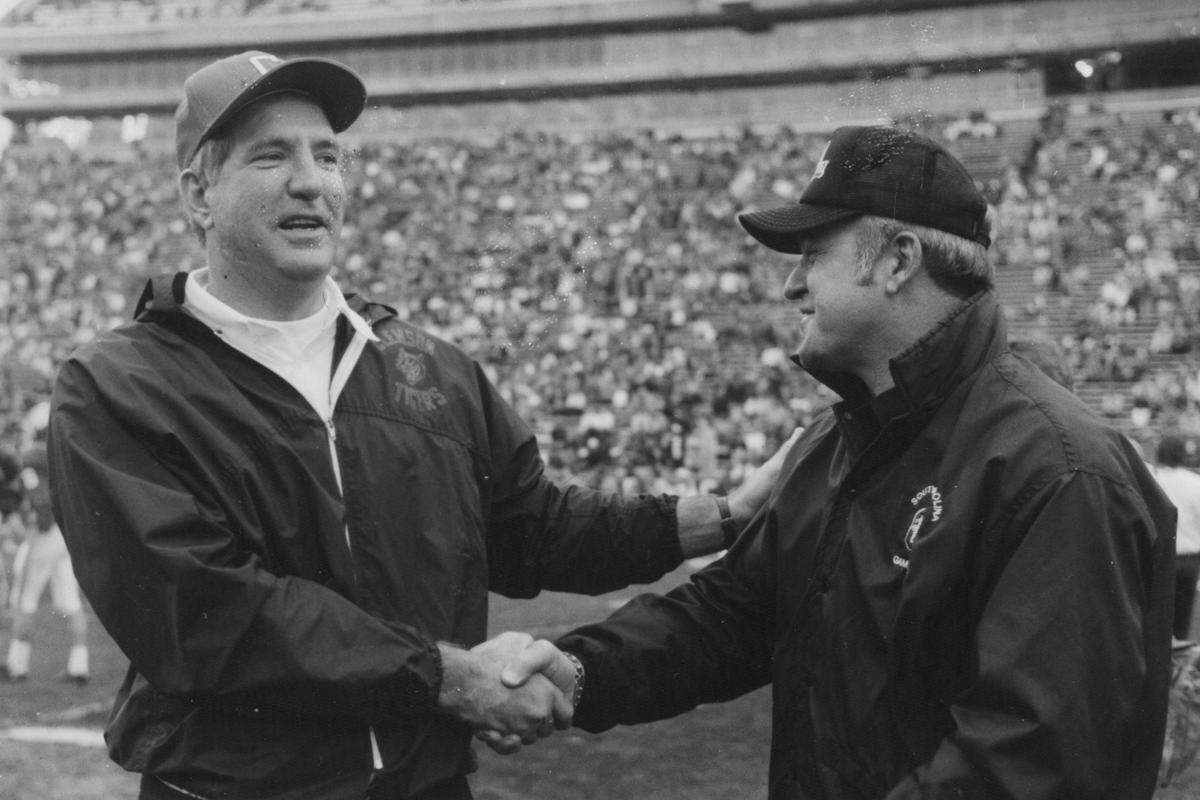
That 1981 national title came when Ford was just 33 years old, and for most of that decade Clemson dominated the ACC. But following the 1997 season, after his tenures at Clemson and then at Arkansas both ended under unhappy circumstances, Ford was out of the coaching game. He was only 49 years old.
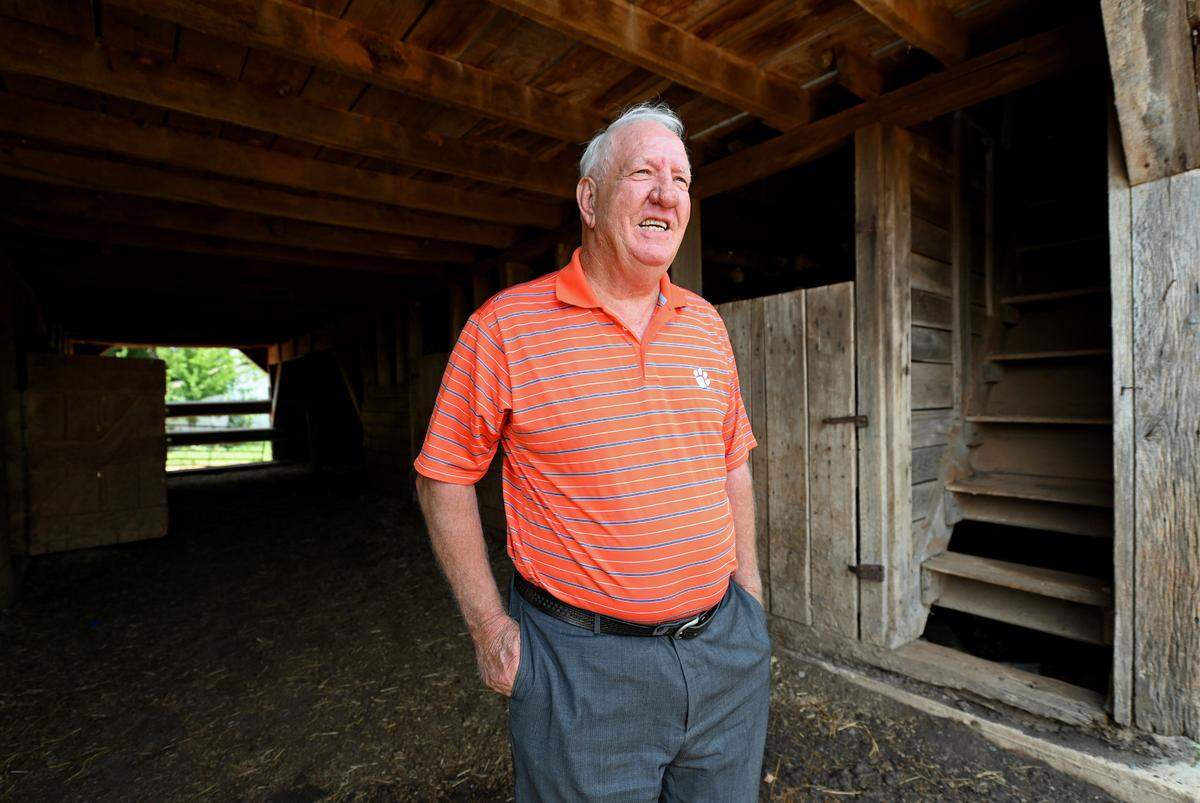
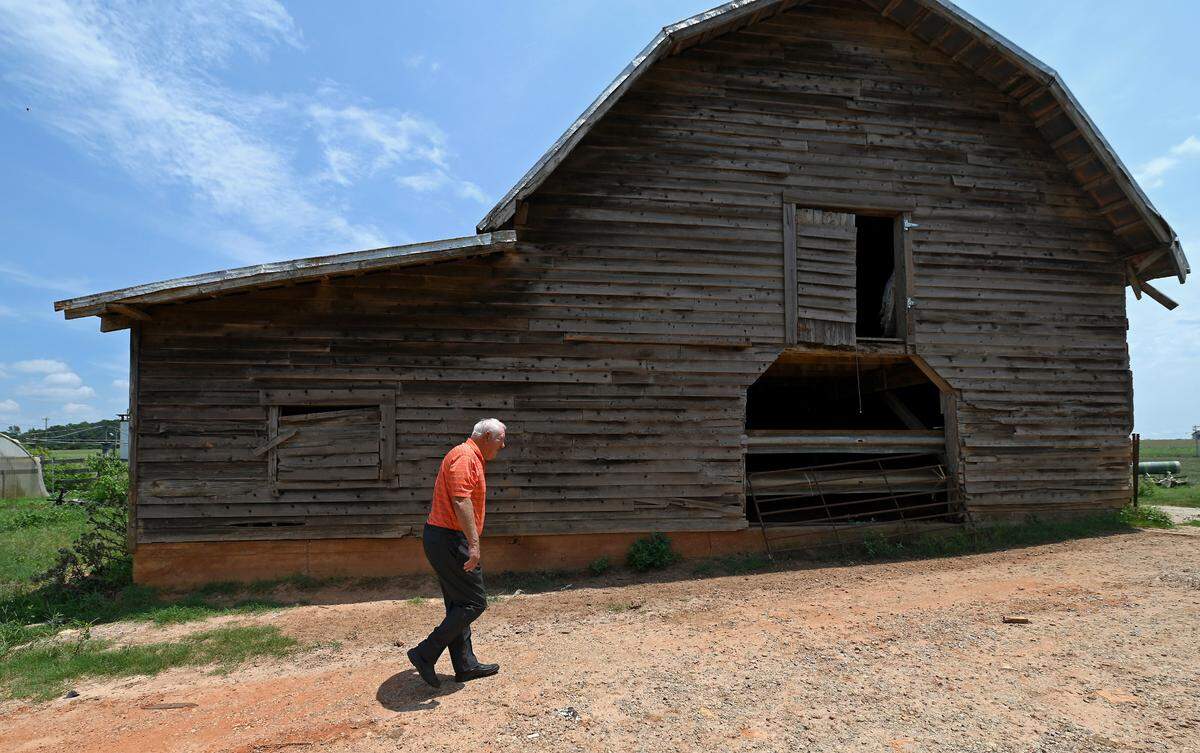
While Clemson — ranked No. 4 in the 2022 AP preseason poll — has continued to enjoy great success under Dabo Swinney, Ford has been working quietly on his 174-acre farm just outside of Clemson, S.C.
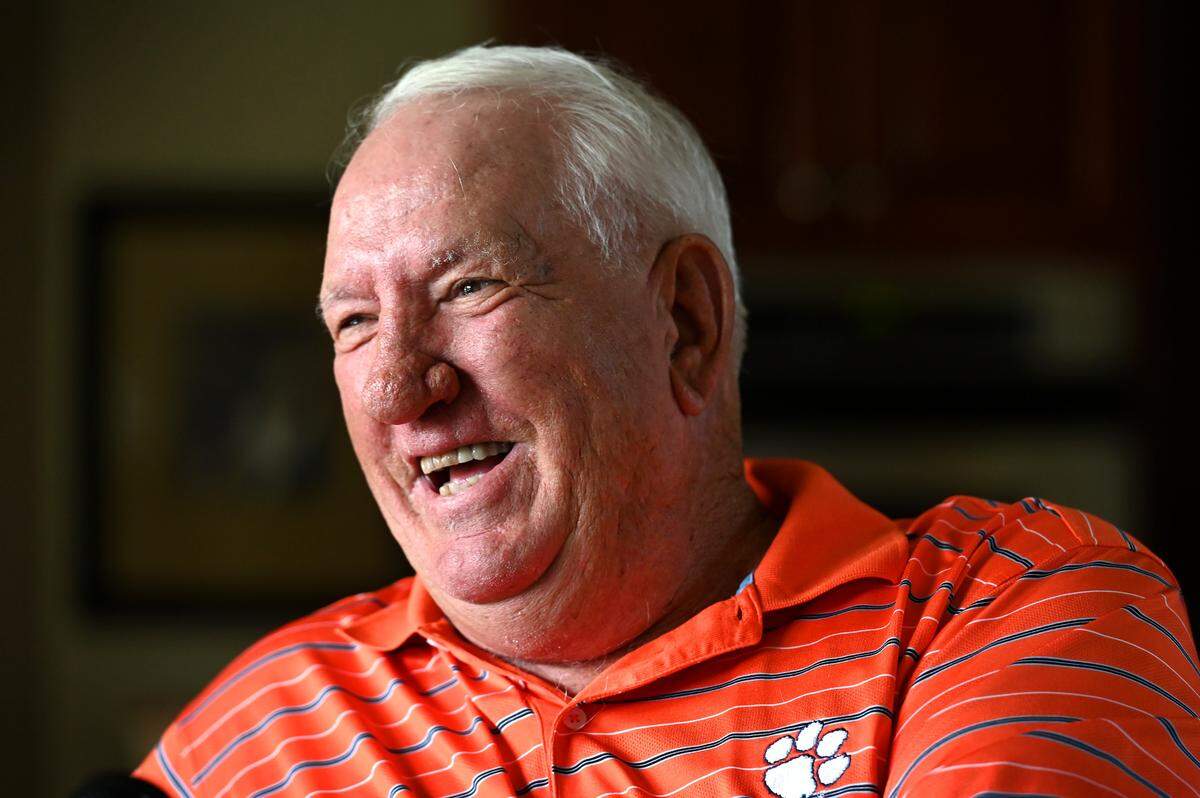
Now 74 years old, Ford has long been a figure of mystery to many college football fans — the coach that the college football world forgot. He left the game far earlier than most coaches do and then stayed out of it despite a number of overtures, including one from East Carolina.
A former Alabama football player under Coach Bear Bryant, Ford raises cattle and farms both vegetables and hemp — yes, hemp — in rural South Carolina. We talked for nearly two hours at his kitchen table in the home he shares with his wife, Deborah.
This interview — the third in The Charlotte Observer’s “Sports Legends of the Carolinas” series — has been edited for clarity and brevity.
A much fuller version of the conversation — where Ford also speaks about what coaching in his first-ever game for Clemson against Ohio State, when Woody Hayes punched a Clemson player and was fired the next day — is available on the “Sports Legends of the Carolinas” podcast, available wherever you get your podcasts.
Scott Fowler: People are always entranced by the idea that you really did become a farmer. So what have you been doing for the last 20 years?
Danny Ford: Golly, that’s unbelievable. It seems like it hasn’t been 20 years since I’ve been out of football, but it has.
After I left Arkansas and came back to the farm, I’ve done a little bit of everything. I was kind of in the middle of an age crisis — too old to start all over, not old enough to quit.
And so I’ve always liked to farm, and the farm was part of me being at Clemson at one time, through a contract. And so I knew I was gonna come back here and be on the farm…. Going into the hemp business, which was four or five years ago, was new, and something that my son talked me into. Now we try to raise vegetables in a greenhouse because we’ve got space for that sort of thing. I’ve learned a lot about cucumbers and about zucchini.
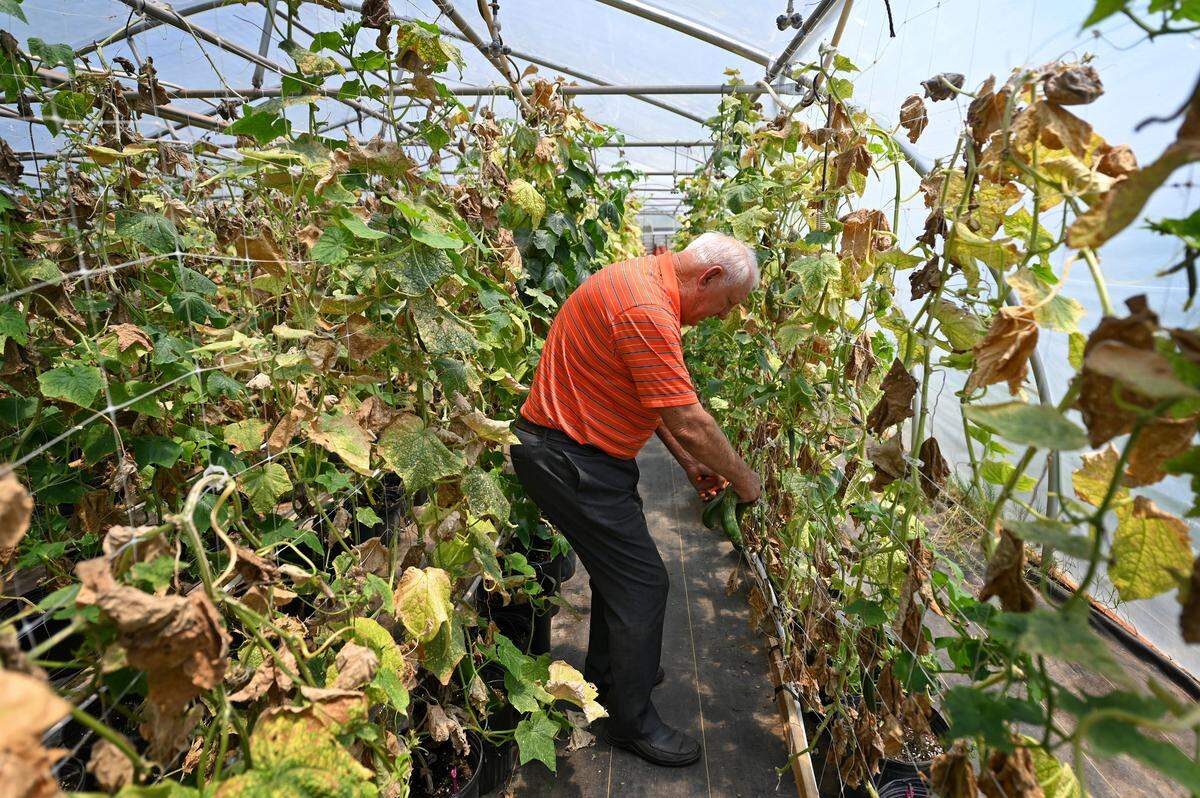
And you know, you’re running out of time.
I tell people it’s like football. The difference in football and getting old is you have no overtimes and you have no timeouts.
You can’t stop the clock. The clock continues to move and run. So you’ve got to make every moment count, and so I’m trying to learn and do things that I’ve never done. What I like about having a farm is there’s always something to do. I can never catch up. And that’s good.
SF: And you have cows here — how many?
DF: Well, we’ve had all different numbers, but we’ve sold down. It used to be that it was just as easy to feed 50 animals as it was to feed 10, because you got to get up and do it.
But as you get older, it might be just as easy to feed 50, but you don’t want to be out in that cold weather or that hot weather as long. You don’t want to cut as much as hay as you used to. So we’re somewhere in the 50-60 range.
We kill our own beef and enjoy that part. We have good food and it’s a lot better than going to the grocery store, because you know what you’ve got. But you just can’t grow to like nothing, because nothing lasts forever.
SF: Do you name the cattle?
DF: No. No. I used to put the numbers in their ears and keep their calves marked, and now I just let them run free.
They’re sort of like me. They just wander around from place to place.
SF: Isn’t farming like coaching a football game, though, in that something always goes wrong?
DF: I think it’s similar if you’re an assistant coach, because you know you got a job to do. You got a responsibility. You got a certain area of the team that you’re responsible for to get ready to play.
As a head football coach, you’ve always got somebody to get on to or fuss at. As a farmer, when you mess up, it’s your fault. You tear a tractor up, then you did it.
SF: You played for Coach Bear Bryant at Alabama and you were, what, an offensive tackle?
DF: My claim to fame at Alabama, if I have one, is — well, I was captain and I did make All-Academic SEC — although people questioned that and what I made it in…
SF: Which was what?
DF: Industrial education. Everybody that played football majored in industrial education that wasn’t a real good student.
I told the people at Alabama when they said, ‘What you want to major in?’ I said, ‘I want to be a veterinarian.’ They said, ‘Well you should have went to Auburn.’ I said, ‘Well, you didn’t tell me that when you were recruiting me.’
SF: So what was your claim to fame in Alabama?
DF: I went in as a wide receiver. I was too slow. They moved me to tight end my first year. Back then, freshmen were ineligible. You could only play three years; you had four years to play three. So my (sophomore) year I was a tight end.
And my claim to fame was I was the second-leading receiver at Alabama in 1967 as a tight end. We had a guy named Dennis Homan. Ken Stabler was quarterback, and Stabler and Homan were just fantastic athletes and players. And Dennis Homan probably had 58 catches (it was 54). I had 10, and everybody else had nine and eight and seven. But even though I was about 50 behind him, I was saying, ‘Yeah, I’m number two.’
SF: And then you became an offensive lineman. What was your height and weight at the time?
DF: I was about 6-3, 195. That’s as big as I got... But a guy back in our day — if you were 6-3 or 6-4 and 225, you were a big man. I mean, that was a big man. Now, if your offensive line don’t average over 300 pounds, you’re small.
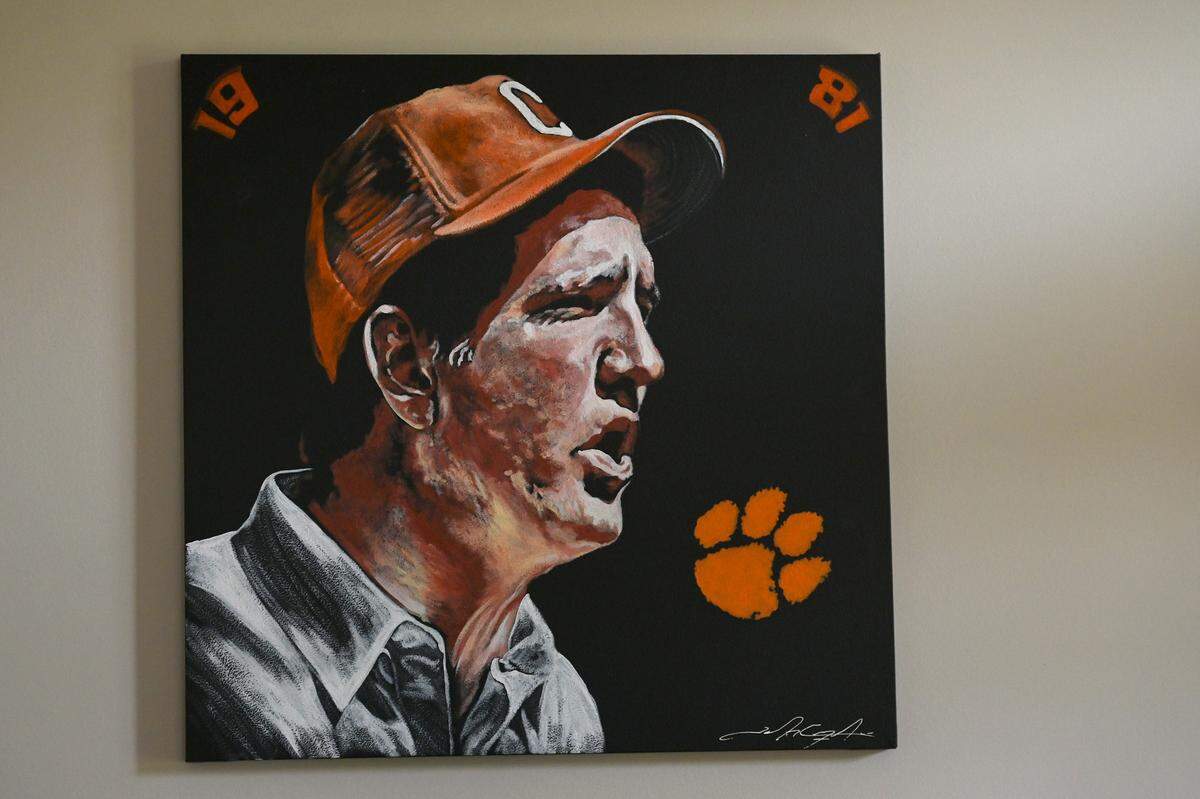
SF: When you became the head coach at Clemson after Charley Pell resigned and went to Florida, didn’t your players sometimes think you were too mean in practice?
DF: (Laughs). Yeah, I was too mean or I was too hard on them or whatever… The fact is we always thought we could out-tough people, too. Out-physical people on the football field…. Other people were doing the same thing, but we had convinced them that they worked harder.
We made football practice harder than playing. They liked to play the games — my teams at Clemson did. Arkansas was another story. At Clemson, my teams loved to play a football game because they didn’t want to practice. Games were easy.
SF: What do you think about the current conference realignment talk?
DF: It’s very much an advantage for Clemson to stay in the Atlantic Coast Conference.
SF: Stay in the ACC and dominate?
DF: Yes, or just have a better situation than some of the other schools in the conference, just from natural advantages. You jump into the SEC or the Big Ten, those people aren’t going to slow down…. There’s no one in the ACC — maybe the exception would be North Carolina, if they wanted to — but nobody’s gonna spend $100 million on facilities.
Boston College, they’re not. Pittsburgh’s not. Duke is not. North Carolina State maybe will spend a little bit but they ain’t gonna spend that kind of money. Florida State may.
SF: What do you remember about Clemson’s 1981 national championship game win over Nebraska?
DF: Well, I grew up watching Nebraska and Oklahoma over Thanksgiving on TV. And now we’re going to play Nebraska? But we just got better that season. We were just as good as they were, maybe a little better. Sometimes when you go to work every day, and see the same people every day, you never realize how really gifted some of them are because you take it for granted.
You underestimate your people sometimes, and that’s a negative.
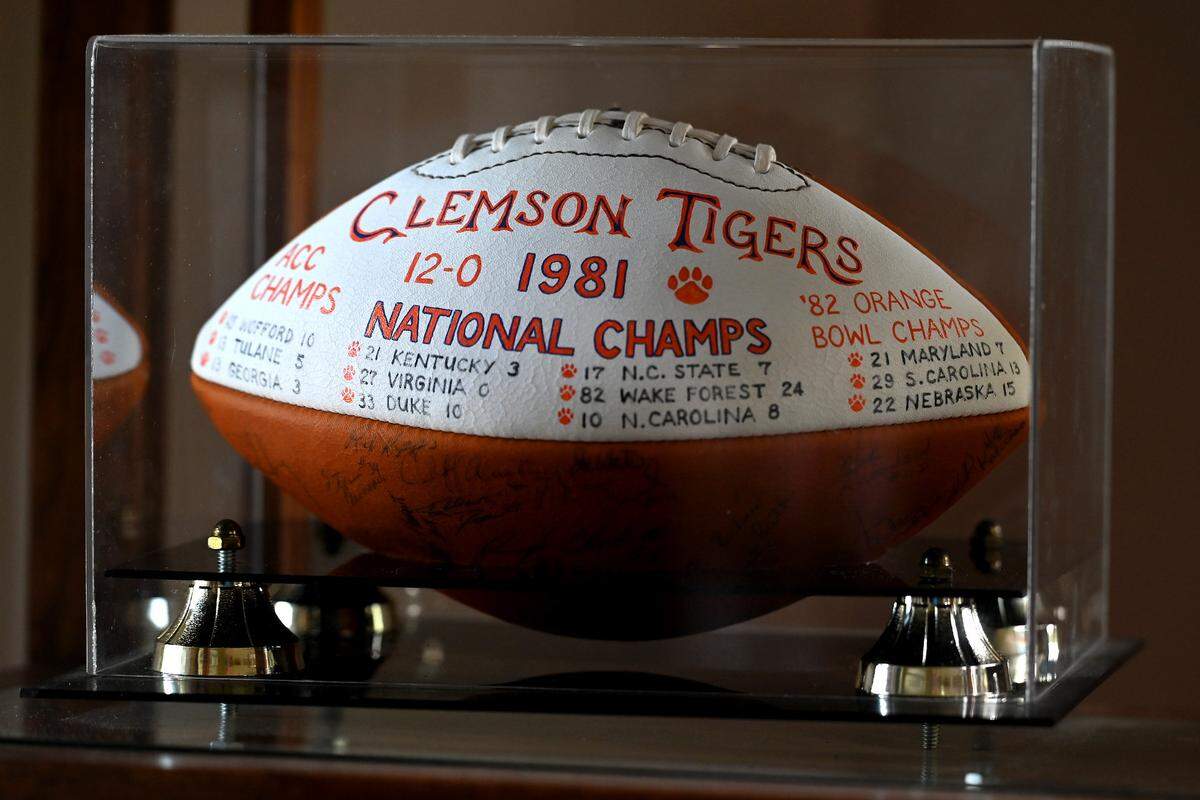
We started that season not even ranked, but we were deserving of a national championship by the end. People were wondering, ‘Where is Clemson University at? What do y’all do down there?’
Clemson has won two more national championships since then, and has deserved to win two. It’s an excellent, excellent program under Coach (Dabo) Swinney. But the first one is something that’s never happened before.
I guess it’s like a baby taking its first step walking. You’ve got to take that first step or you don’t know if you’ll ever walk. And really when we won that first one, I said, ‘Well, that may be the only one Clemson ever wins in its entire history.’ Thankfully, I was wrong.
SF: Do you regret anything that happened at Clemson? (Ford resigned after the 1989 season, after a series of disagreements with the school administration and an ongoing NCAA probe into football recruiting violations. He went 96-29-4 over 11 seasons with the Tigers.)
DF: No. Well, yeah. I wish I’d been able to coach a player’s son. That would have been ideal. See if he’s as tough as his daddy.
SF: That would have required you sticking around at least 20 years.
DF: I would have liked to have done that. But I don’t really regret anything, because you can’t live in regrets.
SF: Has your perspective on life changed, being retired from football since 1998?
DF: Football is not near as important to me today as when I was 30 years old.
At 30 years old, it was the only thing. Probably sometime I put it before my family, which is wrong. I know that now. Back then, I ain’t coming home until midnight, because the other coach might be in the office.
SF: Right. You had to beat somebody.
DF: That’s the whole deal. But I don’t got to beat nobody now. My life’s a lot simpler. What’s more important today is my family, and my players that played for me. They’re like my children.
Still again, when you’re running out of time on this earth, things change.
I mean at 30, you never think you’re gonna die.
Will I ever be 70 years old? Oh, no, 70’s old.
Now 70 is here for me — 74 is here.
That ain’t old. I feel good. I’m looking for 100.
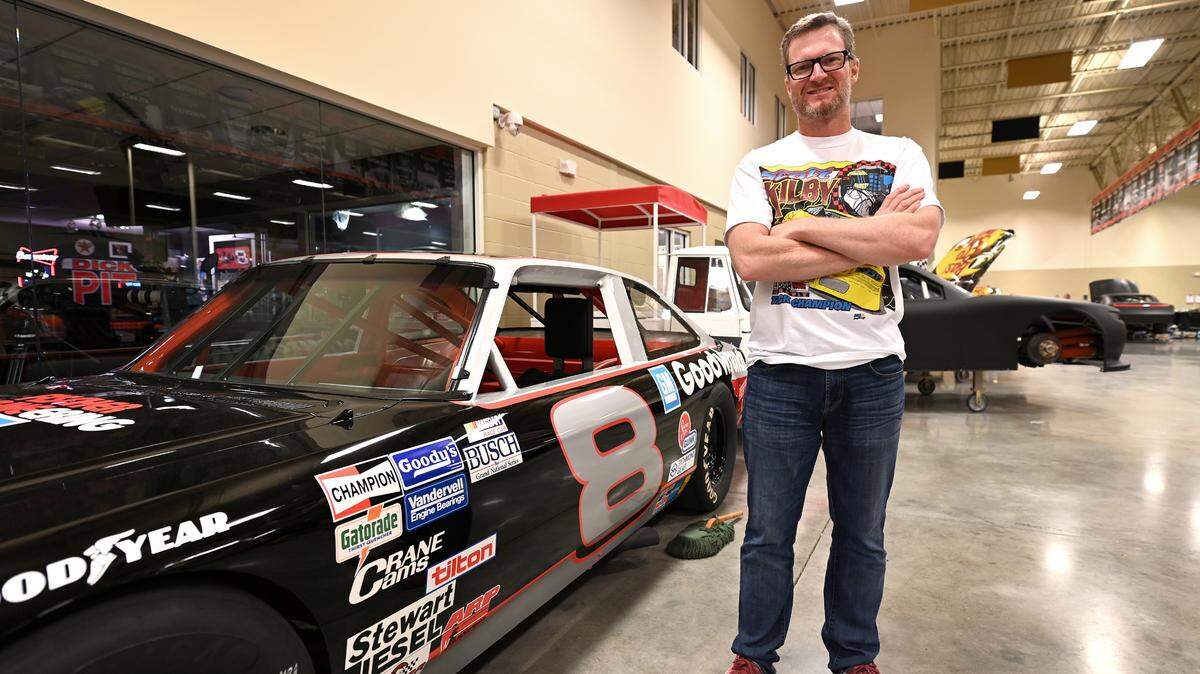
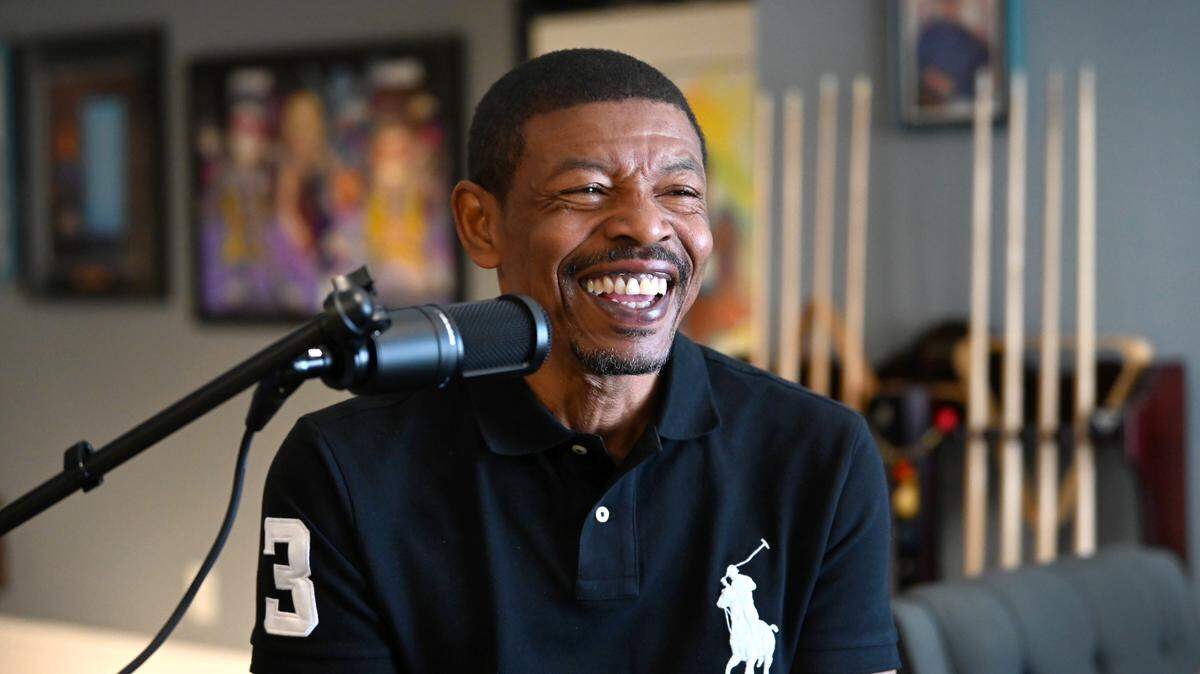
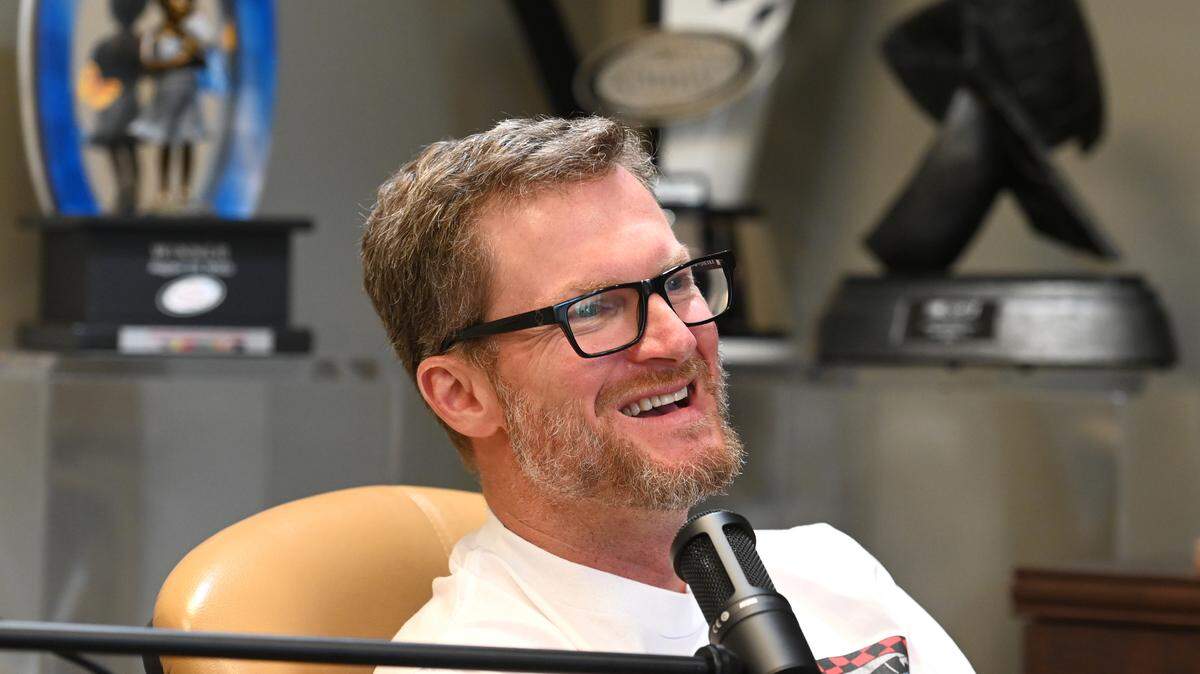
For much more from this interview and to hear other “Sports Legends of the Carolinas” interviews, including my conversations with Muggsy Bogues and Dale Earnhardt Jr., subscribe to the “Sports Legends of the Carolinas” podcast. New episodes are available every Wednesday, and bonus content is available on Apple Podcasts.
This story was originally published August 31, 2022 at 6:00 AM with the headline "The coach the world forgot — Clemson legend Danny Ford on life, football and farming."