
Is there lead in the water at your child care center? RTI will test to find out.
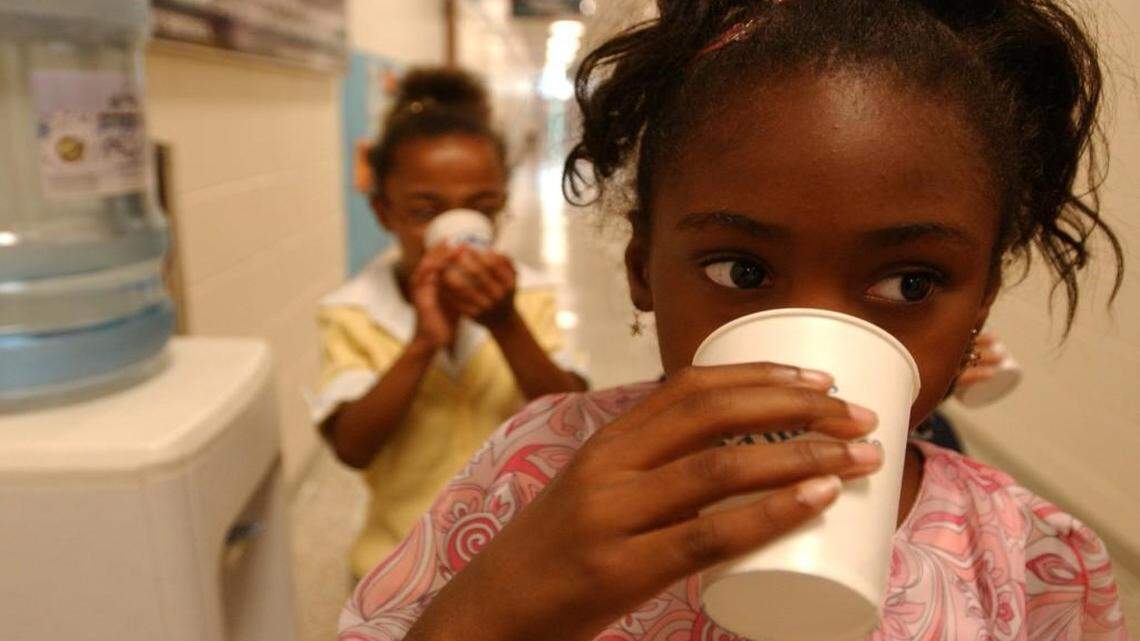
Lead could be leaching into children’s drinking water undetected, warn the directors of an upcoming study from RTI International.
The study will examine lead levels in drinking water at about 100 North Carolina child care centers that use public water. The water is regularly tested at the treatment plant before it is distributed, but RTI scientists say the water could become contaminated while traveling through old pipes in the buildings that house the centers.
Water contaminated with lead can cause lead poisoning, which can lead to developmental delays and lower IQ, damage the nervous system, and cause a variety of other health problems in children.
Water is not routinely monitored for lead on site in schools and child care centers because it is not required by law, says Keith Levine, a senior researcher at RTI and co-director of the project.
“You can test very well at the municipality, the source of the water, but you can have multiple sources of lead within the same house or business or school,” Levine said.
Jennifer Hoponick Redmon, RTI environmental health scientist and project co-director, said she came up with the idea for the study when she was searching for a child care center for her own children.
“As a working parent, I believe it is critical for children spending much of their week in child care or school to have safe drinking water,” she said.
The water crisis in Flint, Mich., also increased national attention on lead levels in water, Levine said.
“It made people take a step back and realize that this is probably not just happening in Flint,” he said. “There’s probably issues with lead nationally.”
Particularly concerning are buildings built before 1988, Levine and Hoponick Redmon said. Before 1988, there was no limit on the amount of lead that could be used to construct pipes used in plumbing, they said.
In 1988, the Safe Drinking Water Act prohibited pipes made up of more than 8 percent lead; since 2014, only 0.25 percent is allowed.
In tests conducted by most North Carolina water utilities, lead is reported only if it reaches levels of more than three parts per billion in water, Levine said. But the RTI study will detect lead in water at 0.1 parts per billion.
“What we’re starting to find is there are some samples in what we’ve done so far that live in that gray area, where there is a detection that may not have been reported by the municipality,” he said.
Low levels of lead in drinking water can be resolved through simple and affordable solutions, including water filters, Hoponick Redmon said. She stressed the importance of reducing kids’ lead exposure as much as possible.
“The goal for lead exposure is zero – especially for those most vulnerable to its effects,” she said.
Nearly 100 Triangle and Triad-area child care centers are signed up to have their water tested for lead by RTI International, but the nonprofit research organization is seeking additional schools and centers to take part in the free study. Those interested in enrolling should email RTI at cleanwater@rti.org by Aug. 14.
Sam Killenberg: 919-829-4802
Get the lead out
You can protect children from lead in your home with a water filter certified by the National Science Foundation. Be warned – some Brita filters are not NSF certified. Learn more at nsf.org. For more information about lead in water from the Centers for Disease Control and Prevention, go to www.cdc.gov/nceh/lead/tips/water.htm.
This story was originally published August 4, 2017 at 8:52 AM with the headline "Is there lead in the water at your child care center? RTI will test to find out.."