
We need more skilled workers. Here's how we can train them.
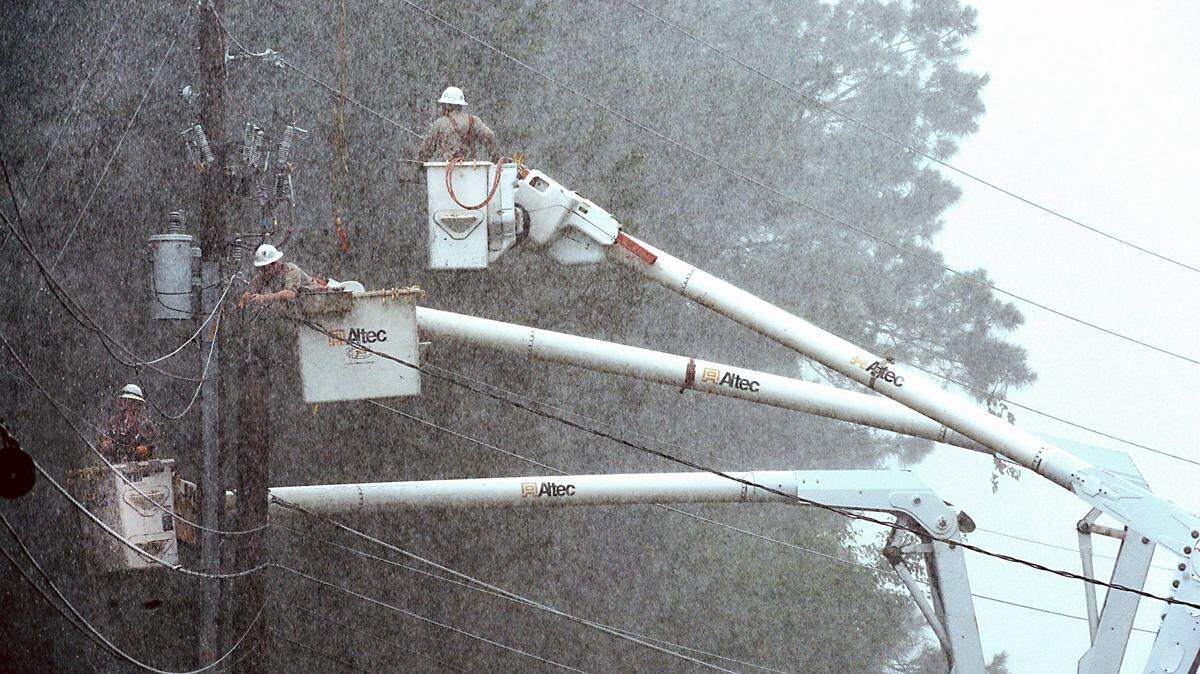
From health care workers to electrical linemen, North Carolina has a widespread lack of technical and skilled workers.
Closing the skills gaps is as important to workers and the state as it is industry. The average liberal arts graduate from a four-year institution earns $41,800 a year. The average graduate of Caldwell Community College and Technical Institute’s eight-week truck driving program makes $40,000 to $50,000 annually.
Education is considered the universal salve for societal ills and economic distress. But the sausage-making process, the minutia of what is funded and how, is what distinguishes an education system that puts students at desks from one that puts them in jobs.
In this year's legislative session, North Carolina's Community College System will ask lawmakers to fund job-training certificate programs at the same rate that they fund curriculum courses like English and statistics. Currently, community colleges get 34 percent less per student from the state for their short-term certification programs, such as truck driver training and home health aide certificates.
Meanwhile, these critical jobs in our changing economy are going unfilled. According to an analysis of N.C. data by the National Skills Coalition, the N.C. Skills Coalition, middle-skills jobs — those requiring more than high school, but not a four-year-degree — make up 55 percent of the state’s labor market. But only 44 percent of the state’s workers are trained at the middle-skill level.
Few so far have argued that the funding model isn’t outdated, but from where the money for funding parity will come is a topic of debate. To boost the funding would cost the state $16 million a year, according to the community colleges. Or the state could reduce the funding for curriculum courses to increase money for certificate classes, making it a wash for taxpayers.
The third option would be to boost costs for students, an option community colleges have opposed. Legislators will hash this out over the next few months to determine if it bubbles to the top as a state budget priority.
How did we get here? After the federal GI Bill was enacted in 1944, a belief emerged that the American dream included attending a four-year college. Generations of parents encouraged their children to join the white-collar workforce with a bachelor’s degree.
Community colleges became a second choice. But today, as the technical skills gap become more apparent and a four-year degree more costly, policymakers are focusing on the now-growing role of the state Community College System.
Over time, a good job and a secure future can also heal the wounds of social injustice and scars of the past. When all can provide for their families, and those of different economic and racial backgrounds can work side by side — on a production line, a job site, or an office — they come to recognize the quality of each other’s character, rather than their differences.
Job training programs, even those just weeks long, could eventually remove the cultural barriers that hold our state and our society back. Training can also spread the tax burden over more earners and eliminate the perceived need for inherently flawed efforts to use public policy for social and cultural engineering.
By restoring parity to the funding of workforce training programs, community colleges believe they can open more seats in short-term certificate programs, putting more students in a position to earn a living wage, buy a home, start a business and plan for the future.
This story was originally published April 24, 2018 at 7:51 AM with the headline "We need more skilled workers. Here's how we can train them.."