
John Bolton as the new national security adviser will raise risks
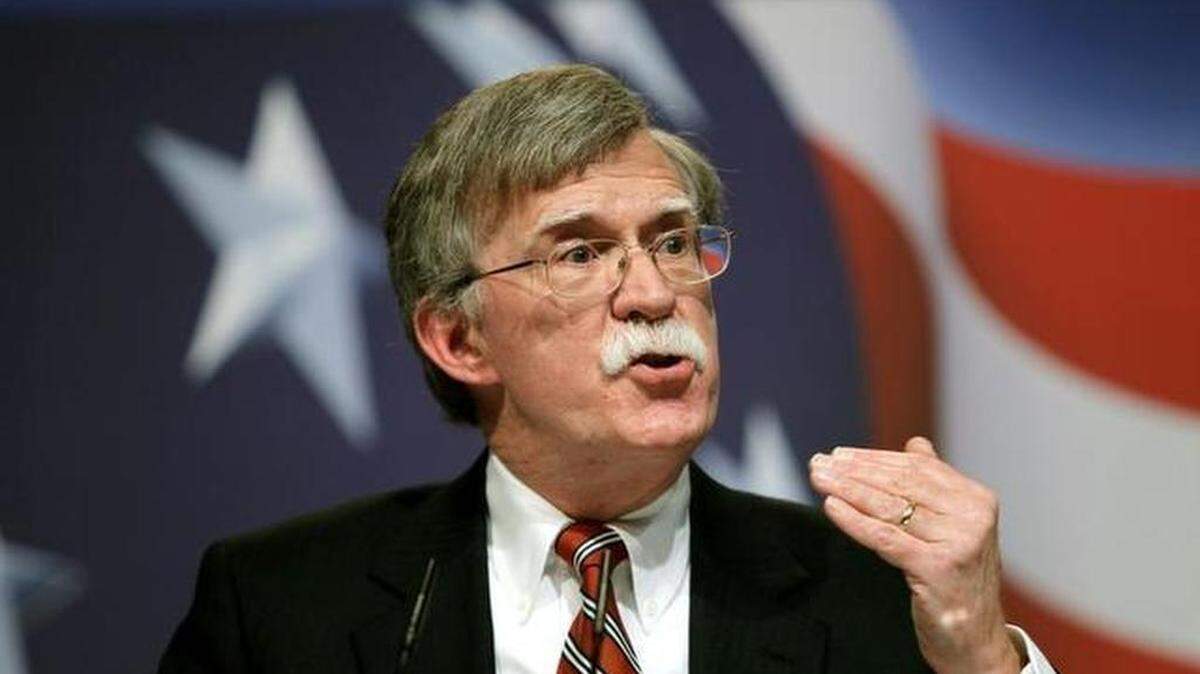
No doubt the chattering classes of Washington will have plenty to say about Donald Trump’s swap of national security of advisers, his second in less than a year. General McMaster, a UNC PhD and accomplished combat soldier, is to be supplanted by John Bolton, a former U.S. ambassador to the UN, whose reputation is that of a hyper-opinionated ideologue. He is also said to favor wars with Iran and North Korea.
That Trump has run through two such officials in a year and a half is a warning sign of unhappy things to come.
The White House National Security Council, to which the National Security Adviser is chief adjunct, is a legacy of the Cold War and World War II, both of which found the U. S. woefully underprepared. In 1947, there arose a clear need for a mechanism that could operate informally to clarify presidential vision. In times past that had been the usual function of secretaries of state and the professional foreign service. But in the post-World War II age, which has seen the U.S. embroiled in three major conflicts, those traditional sources of advice have been degraded. The State Department – before its gross degradation under Rex Tillerson –remained a treasury of talent and informed judgment; but it is by tradition too deficient in media-age glitter to compete with the White House.
McMaster was the second of two men with UNC degrees to serve as a presidential national security adviser. He was preceded in the mid-1950s by Gordon Gray, a former UNC president. When his vote to deny security clearance to Dr. J. Robert Oppenheimer made his academic tenure untenable, he returned to Washington (where he had been assistant secretary of the Army) as security adviser to President Eisenhower, who needed none. In 1969, Richard Nixon chose for he post Henry Kissinger, a Harvard academic of charm and erudition who won a Nobel Peace Prize and became a favorite of press and television. Kissinger’s taste for classic realpolitik and talent for flattery were among his distinctive assets. Under Gerald Ford, Kissinger assumed both hats, that of secretary of state as well as NSA: a dual role symptomatic of more than one bureaucratic conquest. Two of Kissinger’s successors, Brent Scowcroft under Bush Sr and Zbigniew Brzezinski under Jimmy Carter, brought professional advice and personal modesty back to the office; and that was its nominal status until the advent of Donald Trump brought wholesale chaos to the entire public service.
Today, it is an exceptional national security adviser who is sufficiently self-effacing to emphasize the original aims of the office and subdue temptations of publicity and press notice. General McMaster brought to his brief tenure a noted study of what he called “Dereliction of Duty” in the official management of Vietnam policy – the title of his published dissertation at Chapel Hill. He was sharply critical of military advisers in the Vietnam era who had failed, in his view, to stand up to errant civilians. He was thus the bearer of an unusual expertise that might have helped a less careless chief executive. It was clear from the start that his effectiveness would be challenged by President Trump’s ignorance and egotism, and it is equally clear at his departure that he failed.
His replacement by John Bolton is not a signal of improvement; rather, the contrary. It is rumored that Bolton has been whispering unofficial recklessly aggressive advice in Trump’s ear for some months. His collaboration with Trump is likely to evolve into a double folly in which each partner reinforces the other’s impulses and delusions. If such a disaster materializes, it will witness a dangerous perversion of the original intent of the National Security Act of 1947, since the primary duty of Bolton’s office is to bring detachment and coherence to the vast variety of policy views that play upon presidents. Bolton’s opinionated personality is ill-suited to that essential function.
There are hazards ahead. A wild ride is likely to get even wilder.
Contributing columnist Edwin M. Yoder Jr. is a former editor and columnist in Washington, D.C.
This story was originally published March 24, 2018 at 10:30 AM with the headline "John Bolton as the new national security adviser will raise risks."