
Two Major Institutions Agree on Longevity Habits That Matter Most After 50. Is It Too Late to Start Now?
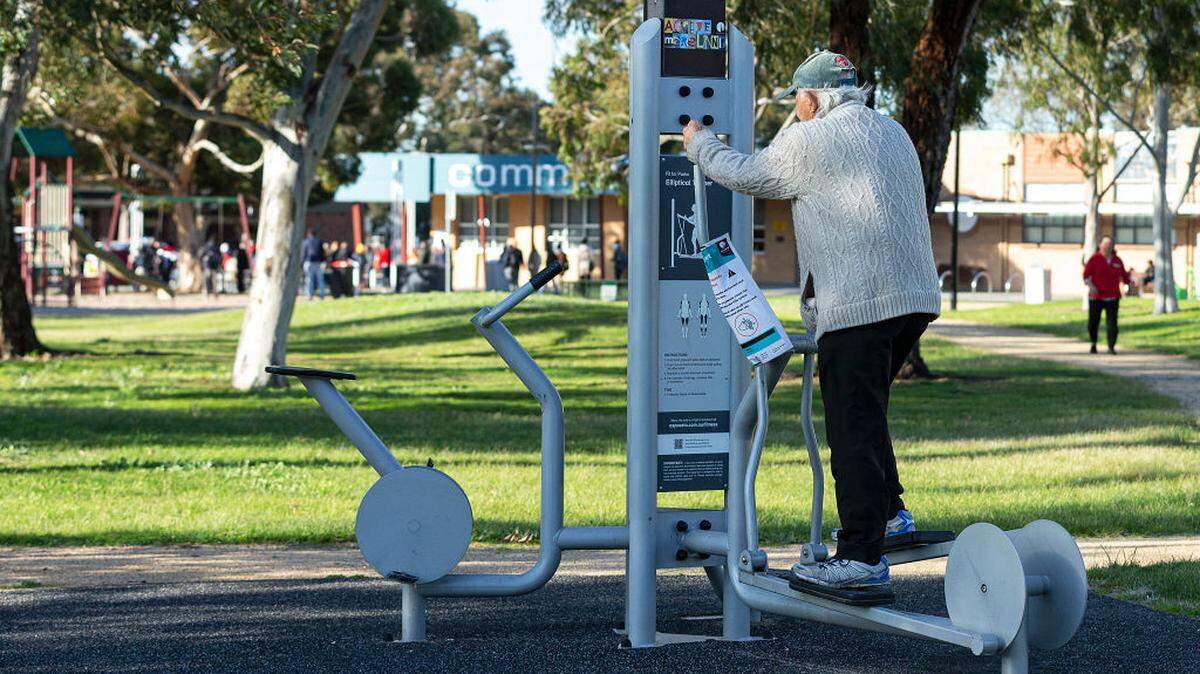
The habits you keep in your 50s may shape the next 30 years more than almost anything else you do. That’s not a wellness platitude. It’s the conclusion of two of the largest studies ever conducted on aging and daily behavior.
Researchers have moved well past vague advice about staying active and eating well. The data now quantifies exactly how much your daily choices drive biological aging, which specific behaviors carry the most weight, and why the gap between people who build these habits and those who don’t runs to about 10 disease-free years.
If you’re also thinking about protecting your physical health as you age, research on the daily habits that build bone density after 50 is directly relevant, because the longevity habits and the bone-health habits turn out to be largely the same list.
What Science Says About Longevity Habits After 50
The clearest numbers come from Harvard. A follow-up study tracking participants across the Nurses’ Health Study and Health Professionals Follow-Up Study found that women at age 50 who practiced four or five healthy habits lived about 34 more years free of diabetes, cardiovascular disease and cancer, compared to 24 disease-free years for women who practiced none. Men followed the same pattern: 31 versus 24 disease-free years.
The five habits driving that gap are not complicated: not smoking, regular physical activity, maintaining a healthy weight, a high-quality diet and moderate alcohol intake. The data shows meaningful gains even when people build just a few of these consistently, not all five perfectly.
How Lifestyle Outweighs Genetics in How You Age
A February 2025 Oxford University study published in Nature Medicine analyzed 164 lifestyle and environmental factors across nearly 500,000 UK Biobank participants and reached a conclusion that contradicts a deeply held belief: lifestyle and environment drive aging and premature death more than genetics do.
Smoking status and physical activity emerged as the two most powerful modifiable factors, with effects on biological aging measurable decades after the habits are established. The Oxford team also found that early-life exposures, including body weight at age 10 and maternal smoking, influenced aging outcomes 30 to 80 years later. The practical message for someone in their 50s is that current daily behavior still carries enormous weight regardless of what came before.
The Single Most Damaging Habit for Longevity
Both studies point to the same answer: smoking. The Oxford Nature Medicine analysis identified it as the most harmful modifiable exposure across all 164 factors analyzed. Harvard’s data shows that obesity combined with heavy smoking produces the lowest disease-free life expectancy at 50 of any combination studied.
The encouraging flip side: quitting at any age produces measurable benefit. Harvard’s longevity research consistently shows that former smokers’ long-term health outcomes improve substantially compared to those who continue, and that the body begins recovering from smoking-related damage relatively quickly after cessation.
Why Exercise Variety Is Its Own Longevity Factor
A January 2026 Harvard study published in BMJ Medicine added a nuance most people haven’t heard. Analyzing 111,000 participants over 30 years, researchers found that variety of exercise independently predicts mortality risk, even after accounting for total activity volume. Participants with the highest exercise variety had a 19% lower risk of premature death at every activity level.
The person who walks, lifts, swims and cycles may outlive someone logging the same total minutes doing only one activity. Variety isn’t a bonus feature of a good fitness routine. It’s a separate, measurable longevity factor. For adults over 50, that means mixing aerobic activity, resistance training and balance or mobility work within the same week rather than doubling down on a single exercise.
The Shifting Science on Alcohol and Sleep
Two areas of longevity research are moving quickly. Moderate alcohol was part of Harvard’s original five-habit framework, but updated guidance from the WHO and several 2025 health updates is shifting toward “less is better.” Expect recommendations to continue tightening.
Sleep is emerging as a sixth longevity factor beyond the original five. The Oxford UK Biobank analysis flagged sleep-related exposures as significant contributors to biological aging, and a growing body of research links consistent sleep duration and quality to cardiovascular health, cognitive function and metabolic regulation. For adults in their 50s managing perimenopause, shifting circadian rhythms or high stress loads, prioritizing sleep is no longer soft advice.
Is It Too Late to Start These Habits After 50?
No. Harvard’s data shows meaningful gains in disease-free life expectancy even among people who adopt healthy habits later in midlife. The Oxford analysis found that current behaviors influence biological aging markers regardless of earlier exposures.
Quitting smoking, increasing movement variety, improving diet quality and protecting sleep all produce measurable benefits when started after 50. The 50s are, by several measures in the research, the highest-leverage decade adults have left to shape how the next 30 years unfold.
This article was created by content specialists using various tools, including AI.