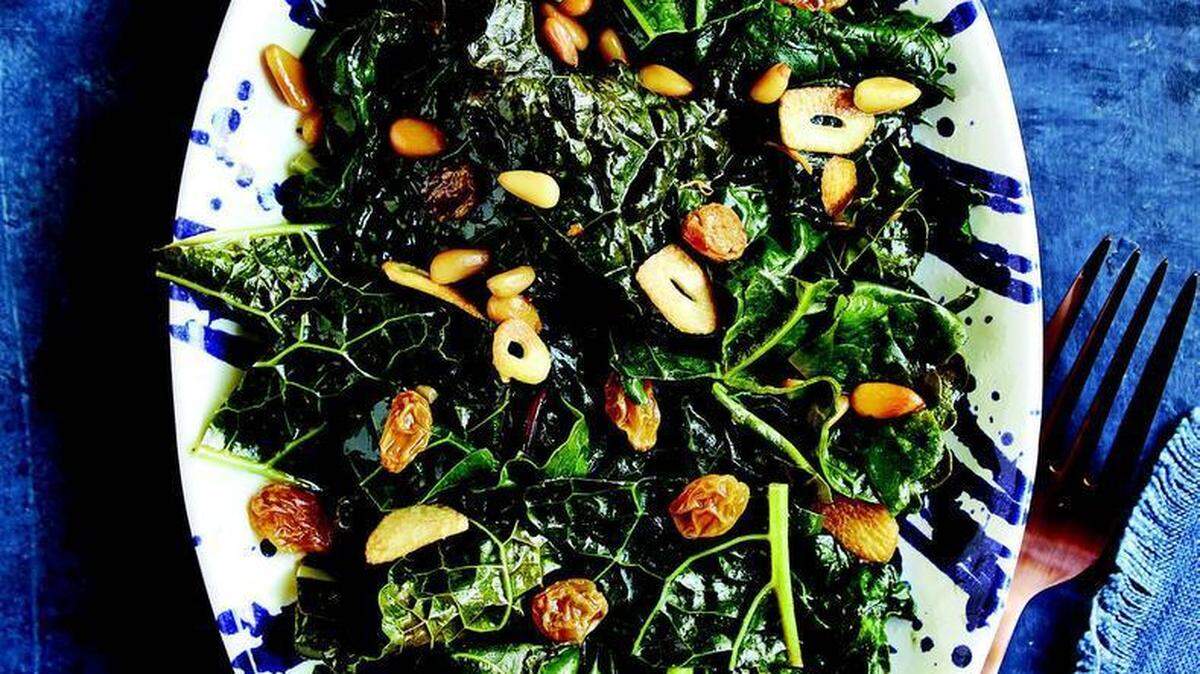
We asked foodies their favorite culinary gifts to give or make. Now we’re hungry.
READ MORE
Holiday Baking Guide
Stories and recipes for Thanksgiving, Christmas and Hanukkah.
Expand All
Everyone knows that the best holiday gifts come from the heart, but there’s nothing wrong with a few of them being inspired by the stomach.
At our house, the annual arrival of a box of Royal Riveria Pears from Harry & David – well, more specifically, from my brother – officially launches the holiday season.
For home cooks who delight in entertaining friends and family, gifts of fine food and drink, flavorful ingredients and gadgets big and small will be well appreciated.
We reached out to folks connected to the Triangle food scene to see what culinary-inspired gifts they plan to give or use this year. With a little help from Santa or Hanukkah Harry, perhaps some of these favorite things – especially those made or grown in North Carolina – will please the people on your list.
Sharpen up
Isaiah Allen, chef at The Eddy Pub in Saxapahaw, offers a pair of sharp tips for holiday giving.
“An inexpensive gift for someone that likes to cook would be a whetstone,” Allen says, referring to the device used to hone knives to like-new sharpness. “Along with it being a tool that can redefine the quality of any knife in your kitchen, you also get the added benefit of learning a useful skill that any avid cook should know.”
Allen adds that he gets “a serious feeling of accomplishment” transforming a dull knife into one that can glide through tomatoes.
If money’s no object, Allen recommends the gift of a really great knife. “If you’re going to spend the money on a knife, go big or go home,” he says. “Stick with Shun, Wustof or Global. A basic 8-inch chef knife will be fine for anyone to improve their knife skills.”
For a personal touch, add something you’ve made from scratch, like jams or jellies, pickles, bread or charcuterie.
“It’s a great way to teach yourself new techniques, and people see the time and effort that goes into it,” Allen says. “A true gift is not just a physical piece of nothingness to put in a drawer somewhere to forget about. It’s something to share with the people you love for everyone to enjoy.”
Immerse yourself
Jamie DeMent of Cook Rock Farm in Hillsborough says one of the best culinary gifts she ever received was an immersion blender. She’s the author of the new “The Farmhouse Chef: Recipes and Stories from My Carolina Farm” and co-owner of Piedmont restaurant in Durham.
“Nancy and Sarig Agasi gave me my first one, a KitchenAid, about 10 years ago,” says DeMent, referencing the former chef/owners of Zely & Ritz, a bistro that operated in downtown Raleigh and sourced produce from Coon Rock Farm.
The gift wore out this year, and she replaced it with a high-end Electrolux. Budget-friendly versions can be found in cooking and big box stores or online.
“It makes so many tasks simpler. You can carefully process in the pot whatever you’ve been cooking without having to get a blender or food processor out and dirty,” DeMent says, adding she used it often while testing recipes for her cookbook.
DeMent also enjoys giving “those funny whisks with the balls on the bottom,” which she uses for making lump-free gravy. For big occasions, she goes with Middleton Made Knives. The handcrafted artisan knives, made in South Carolina, are favored by top chefs, including renowned chef Sean Brock of Charleston’s Husk and McCrady’s.
Ready for oysters
Chef James Clark of the new Postal Fish Company in Pittsboro has built a career around his love for, and special ability to cook, fresh fish. So it comes as little surprise that his suggestion has a connection to the clean, cool waters of the Carolina coast.
“My favorite gift is an oyster knife that was given to me by my mother,” says Clark, who in turn has given many as gifts. “It makes shucking fragile farm-raised oysters and tough wild oysters so easy. I take it everywhere I go during the holidays because you never know when there will be some oysters around.”
Clark says the sole distributor of the knife in the United States is John Martin Taylor, best known as the author of “Hoppin’ John’s Lowcountry Cooking: Recipes and Ruminations from Charleston and the Carolina Coastal Plain.”
For locally made gifts, Clark reaches for spirits from Fair Game Beverage Co. in Pittsboro. “One of my favorite gifts to give is Fair Game Amber Rum,” he says. “It has this amazing butterscotchy kind of finish and it makes a great cocktail. I also give their Flying Pepper Vodka. It makes the very best Bloody Mary, which I love to have on a brisk late morning after duck hunting. It is not spicy but has this amazing smokiness to it from the tobago peppers.”
Keeping it homemade
Marcie Cohen Ferris can close her eyes, conjure a scent and be carried back in time to her mother’s kitchen table in Blytheville, Ark., where she grew up.
“My mom always made brisket for Hanukkah in one of those black-and-white speckled heavy enameled roasting pans that had a top,” says Ferris, professor in the American Studies Department at UNC-Chapel Hill and author of “The Edible South: The Power of Food and the Making of an American Region.”
Brisket is a classic dish to serve during the eight-night celebration of Hanukkah, which this year begins at sunset on Tuesday, Dec. 12. Her mother Huddy Cohen’s recipe was included in Ferris’ first book, “Matzo Ball Gumbo: Culinary Tales of the Jewish South,” and is co-credited to her friend, Gerry Barkovitz.
In addition to making the brisket and sharing the recipe with others, Ferris enjoys giving gifts with North Carolina connections. Some friends can expect preserves, pickles and krauts from Farmer’s Daughter of Hillsborough – notably, maker April McGreger’s Orange Marmalade with Rye Whiskey and her Sweet Potato Habanero Hot Sauce.
Ferris also is partial to artisan crafts from STARworks, a nonprofit pottery and blown glass collective that seeks to create jobs and inspire creativity in Montgomery County. Items made in the studio are sold nationally on the Food52 website.
Living the ‘Got to Be NC’ motto
As a longtime marketing specialist for the N.C. Department of Agriculture and Consumer Service, Jack Nales makes it his business to know about locally made consumables.
“We just moved into a new home and look forward to entertaining with North Carolina products, which are great for dining and gift giving,” says Nales, who aspires to live the “Got to Be NC” motto. Guests can expect to find bowlfuls of Griff’s Coffee Toffee, a new confection from the same folks who made Chapel Hill Toffee a signature hostess gift.
“It’s highly addictive and will find its way in a lot of Christmas stockings,” Nales says. “For our entertaining and some gift giving, we will be pairing it with RayLen Vineyard & Winery’s Caravel dessert wine.”
RayLen wines can be ordered online, or plan an outing to visit the winery in Mocksville. Nales also recommends White Spring, a dry muscadine from Adams Vineyards & Winery in Wake County.
If there’s a beer lover on your list, consider America’s Best Nuts’ Wingnuts, made in Rocky Mount. “They are the perfect savory roasted peanut, especially if you like beer,” Nales says. “Salty, smoky and a little spicy, it screams for a beer.”
For a grander gift, Nales goes with pasture-raised steaks from Shipley Farms Beef in Western North Carolina. “I order rib-eyes for me and samples packages for the kids,” he says.
Be organized (in a pretty way)
When it comes to culinary gifts, Amanda Miller likes to give “little luxuries people wouldn’t necessarily buy for themselves.”
Miller, executive director of the Association of Food Journalists, especially likes giving elegant yet entirely functional containers.
“I think a decorative bowl is always a welcome addition to a holiday table,” says Miller, who lives in Durham. She suggests the intricate wooden bowls of Baltic By Design, a veteran-owned company in Maine, and an assortment of whimsical, tiny hand-painted bowls from Turkey.
“They are ideal for the organized chef who values mise en place, the cook who needs a place to tuck her rings away while cooking, or someone who wants a few playful salt cellars scattered on the table for a feast with loved ones,” says Miller. She appreciates the selection at Twig in Chapel Hill, which bills itself as a “green shopping alternative.”
If you know someone who wants to make their own cold-brewed coffee, Miller recommends the Hario Cold Brew Coffee Pot. “Last year I bought one for my coffee snob husband, who weighs the water,” quips Miller. “It’s under $25 and super easy to use.”
Flipping out
There’s something fishy about food writer Debbie Moose’s gift list this year.
“I purchased a fish spatula to use while cooking so much fish for the book, but I’ve found that I use it for everything,” says Moose, a regular contributor to the News & Observer and author of the forthcoming “Cooking North Carolina Fish and Shellfish from Mountains to Coast.”
A fish spatula is wider, longer and thinner than conventional spatulas, making it better for turning whole fish or fillets in a skillet on the grill. Moose says the inexpensive tool also is great for omelets or scrambled eggs, lifting cooked chicken from a baking pan or stir-frying a large amount of vegetables in a wok.
For a splurge gift, Moose recommends a home sous vide cooker, a stick-shaped heating device that precisely maintains a low temperature and circulates cooking water water in a pot.
“It’s great for fish in particular because it’s impossible to overcook it, which is the biggest mistake people make about fish,” she says. “The brand I have, Joule, is controlled via an app on a phone or tablet and is very easy to use.”
Moose gets a little sentimental this time of year, remembering gifts exchanged with her late mother. Her mom gave her a fresh set of dish towels each holiday, and Moose reciprocated with a box of juicy Florida citrus. Bake a loaf of her Aunt Pauline’s Orange-Cranberry Nut Bread to give or keep this season.
Must-have essentials
Matt Lardie, who wrote stories for this section, used to work in a kitchen supply shop in Chapel Hill. He says he has “encountered virtually every kitchen gadget known to man. There are three tools that I always love to give as gifts or recommend to those looking to outfit a new kitchen or upgrade their current culinary arsenal.” They are:
▪ A Microplane zester is a “must-have.” “You will use it constantly and not just for lemon or lime zest. I use mine for garlic, ginger, fresh nutmeg, hard cheeses and chocolate (to name a few).”
▪ A good, sturdy pair of kitchen shears. “Just make sure they are the kind that come apart for easy cleaning. I have one from Wusthof that I love, but Henckels and Fiskar also make great models.”
Jill Warren Lucas is a freelance writer from Raleigh. She can be reached at 3lucases@gmail.com or via Twitter at @jwlucasnc.
Recipes
Some of the foodies in this story provided their favorite recipes. Go to newsobserver.com/living/food-drink to find them.
▪ Butternut Squash Soup by Jamie DeMent from “The Farmhouse Chef”
▪ Favorite Bloody Mary Mix By the Pitcher by James Clark of Postal Fish Company
▪ Temple Israel Brisket, developed by Marcie Cohen Ferris’ mother and included in the “Matzo Ball Gumbo” cookbook.
▪ Nales Family Apple Cranberry Pecan Casserole from Jack Nales of N.C. Department of Agriculture and Consumer Services
▪ Aunt Pauline’s Orange Cranberry Nut Loaf, from Debbie Moose’s maternal aunt
Butternut Squash Soup
2 tablespoons unsalted butter
1 onion, chopped
1 large butternut squash, peeled, cut in 1-inch pieces (at least 3 cups)
Salt and freshly ground black pepper, to taste
6 cups chicken broth
1 pint sour cream
2 tablespoons finely chopped fresh chives, for garnish
Melt the butter in a large pot. Add the onions and cook until they are translucent, about 8 minutes. Add the squash and chicken broth. Bring to a simmer and cook until the squash is tender.
Remove the squash chunks with a slotted spoon, place them in a blender and purée. Return the puréed squash to the pot, and stir to thoroughly mix the squash back into the broth. Remove it from the heat and season with salt and pepper. Serve with a dollop of sour cream and a sprinkle of fresh chives.
Yield: Makes 4-6 servings
From “The Farmhouse Chef: Recipes and Stories from My Carolina Farm” by Jamie DeMent. Used by permission of the University of North Carolina Press.
Bloody Mary
This cocktail from chef James Clark makes a civilized start to brunch or on a crisp morning after duck hunting.
1 small onion, cut into rough chunks
6 celery stalks (3 cut into chucks and 3 reserved whole)
1/4 cup cilantro leaves and stems
2 tablespoons Old Bay Seasoning
2 tablespoons prepared horseradish
4 ounces dill pickle or olive juice
4 tablespoons Worcestershire sauce
3 tablespoons Crystal Hot Sauce (more if you like it spicy)
1 tablespoon celery seed
Coarse sea salt
1 large can tomato juice, such as Sacramento
1 small can beef consommé
Fair Game distillery’s Flying Pepper Vodka
Lime wedges
Add onion, 3 of the celery stalks, cilantro, Old Bay, horseradish, pickle or olive juice, Worcestershire and hot sauce to blender jar. Liquify at high setting for 2 minutes, then strain out any celery fiber. Transfer to sealable pitcher, adding celery seed, sea salt, tomato juice and beef consommé. Shake well to blend. Taste and adjust flavors to your taste.
Set in refrigerator to chill at least an hour and up to two days. When ready to serve, fill a tall glass with ice, add a jigger of Flying Pepper Vodka, top with Bloody Mary mix and a squeeze of fresh lime. Pour back and forth in a separate cup to mix well. Add the remaining celery stalk and enjoy.
Yield: 3 servings
Temple Israel Brisket
This was our favorite Hanukkah entrée prepared by the Sisterhood at Temple Israel in Blytheville, Ark., which always was served with potato latkes. We often enjoyed it at home for Sabbath meals. Now when I make brisket, I like to add vegetables. During the last 45 minutes to one hour of cooking, stir 4 or 5 large carrots, thinly sliced, and 1 1/2 pounds small thin-skinned potatoes, halved or quartered into the pan juices along with 1/2 cup water. Cover and continue cooking about 1 hour, or until everything is meltingly tender.
1 1/2 teaspoons seasoned salt or Cavender’s Greek seasoning
1 1/2 teaspoons freshly ground black pepper
1 teaspoon kosher salt
One 4 1/2 to 5 1/2-pound boneless beef brisket, trimmed, with some fat left on
2 tablespoons olive oil
2 celery stalks, coarsely chopped
3 medium onions, chopped
1 12-ounce bottle tomato chili sauce
1 cup ketchup
1 tablespoon brewed strong coffee
1 tablespoon grainy mustard
1 teaspoon Worcestershire sauce
1 cup dry red wine
Preheat the oven to 350 degrees.
In a cup, mix the seasoned salt or Greek seasoning, pepper and kosher salt. Sprinkle over both sides of the brisket.
Put the oil in a large heavy roasting pan and place over 2 burners. (If your roasting pan isn’t heavy, use a large heavy skillet.) Heat over medium-high heat. Add the brisket, fat side down, and cook until browned on the underside, about 5 minutes. Turn the brisket, sprinkle in the celery and 1/3 of the onion, pushing the vegetables down around the brisket. Cook, stirring the vegetables occasionally, until the brisket is browned on the second side, and the vegetables are golden, 6 to 8 minutes.
If you’ve used a skillet for browning, transfer the brisket to a roasting pan. Otherwise, remove brisket from the heat.
In a medium bowl, mix the chili sauce, ketchup, coffee, mustard, Worcestershire sauce and remaining chopped onions. Pour over the brisket, mixing it with the pan juices and browned vegetables.
Cover with foil and bake for 1 hour. After first hour, pour the wine into the pan. Cover and bake until the brisket is very tender when pierced with a fork, about 2 1/2 to 3 hours longer.
Remember to add carrots and potatoes, if you choose, during the last 45 minutes to one hour of cooking.
To serve right away, transfer the brisket to a cutting board and slice thinly against the grain. Arrange on a warmed platter. Skim the fat from the sauce and transfer to a gravy boat, spooning a little over the meat. Or pack unsliced meat and sauce in separate containers and refrigerate 1 to 3 days. Mom says it is always better the second day.
To serve, slice the brisket as directed. Place in a large baking dish. Remove any fat from the sauce and spoon over the brisket. Cover with foil and heat at 350 degrees.
Yield: 8 servings
From “Matzo Ball Gumbo: Culinary Tales of the Jewish South” by Marcie Cohen Ferris. Used by permission of the University of North Carolina Press.
Apple Cranberry Pecan Casserole
Without this dish, made with North Carolina pecans, no holiday meal is complete for Jack Nales, marketing specialist for the N.C. Department of Agriculture and Consumer Services. He says it’s great hot or cold, as a side dish or a dessert. If you go the dessert route, feel free to add a scoop of vanilla ice cream. Note: If fresh cranberries are not available, substitute a can of whole-berry cranberry sauce and reduce granulated sugar to 3/4 cup.
Cooking spray or butter
3 cups apples, cored and chopped but not peeled
2 cups fresh cranberries, coarsely chopped
1 cup granulated sugar
1 1/2 cups oatmeal (not instant)
1/2 cup brown sugar
1 cup North Carolina pecans, coarsely chopped
1 stick butter, melted
Preheat oven to 350 degrees.
Place chopped apples and cranberries in bottom of 2 quart casserole dish coated with cooking spray or butter. Sprinkle sugar over fruit.
In a separate bowl, blend remaining ingredients, stirring well to combine. Transfer topping to casserole, spooning evenly over mixture. Bake for one hour, until bubbly and browned.
Yield: 8 servings
Aunt Pauline’s Cranberry-Orange Bread
This recipe comes from food writer Debbie Moose’s maternal aunt. Baking one of these fragrant loaves put her in mind of her mother’s favorite holiday gift, a box of juicy Florida citrus.
2 cups flour
1/2 teaspoon salt
1 1/2 teaspoons baking powder
1/2 teaspoon baking soda
1 cup sugar
1 cup fresh cranberries
1 cup chopped pecans or walnuts
2 tablespoons margarine or butter
Grated zest of 1 large orange
Orange juice
1 egg, lightly beaten
1/2 teaspoon vanilla
Preheat the oven to 350 degrees.
In a large bowl, stir together the flour, salt, baking powder, baking soda and sugar. Stir in the cranberries and nuts.
Put the margarine or butter and the grated orange zest in a 1-cup glass measuring cup, and heat it in the microwave until the margarine or butter melts. (Alternatively, melt the margarine or butter on the stove, stir in the zest and pour into a 1-cup glass measuring cup.) Pour in enough orange juice to make 1 cup of liquid. Stir the cup of liquid into the flour mixture along with the egg and vanilla.
Pour into a greased 8-by-4-inch loaf pan. Bake for 45 minutes to 1 hour or until the loaf tests done.
Yield: 1 loaf
This story was originally published December 8, 2017 at 6:36 PM with the headline "We asked foodies their favorite culinary gifts to give or make. Now we’re hungry.."