
Why growing herbs on your windowsill beats store-bought herbs every time
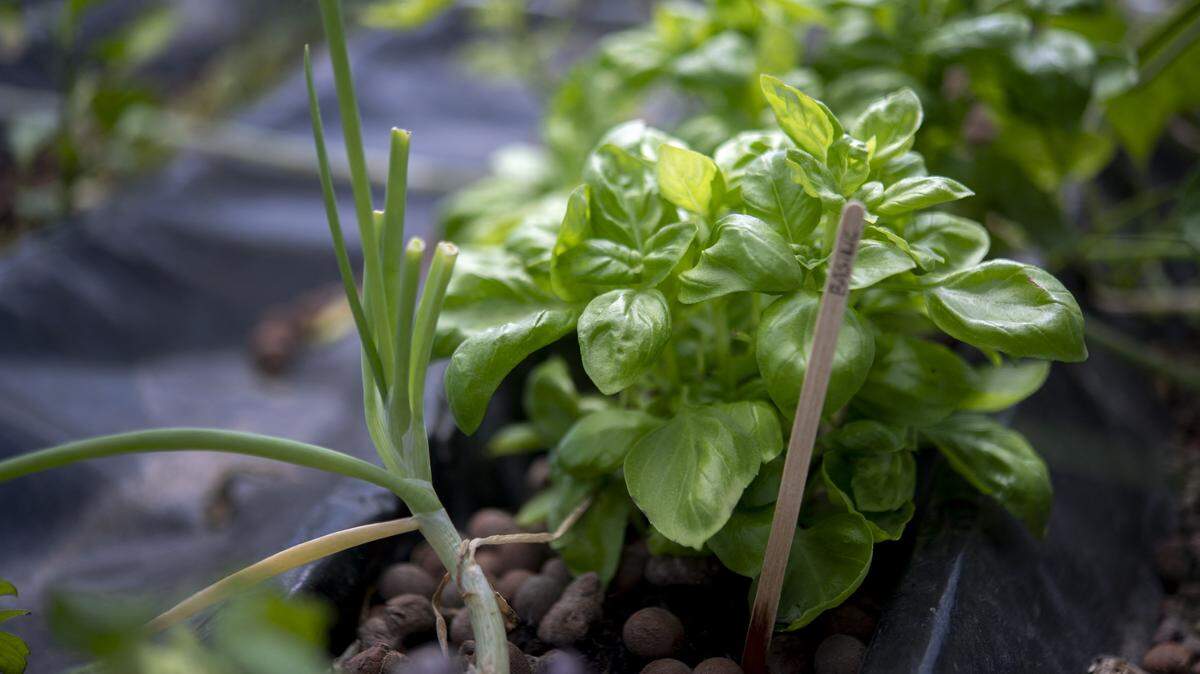
That jar of dried oregano in the back of your spice cabinet has probably lost its punch. Most dried herbs fade within six to 12 months, which means the seasoning meant to brighten your weeknight pasta is doing very little by the time you reach for it. A $4 herb plant on a sunny windowsill will usually give you more flavor than the store-bought version ever will — and planting a few of your own is easier than most people think.
Whether you have a south-facing kitchen window or just a small patch of counter that catches afternoon light, a handful of living herbs can replace half the bottles in your spice rack. Here’s how to think about which ones to grow, what they actually need and how to keep them producing.
Why planting fresh herbs beats buying dried
Dried herbs are convenient, but they trade flavor for shelf life. The oils that give basil, oregano and thyme their character break down over time, leaving behind something that smells vaguely herbal but tastes flat. A living plant, by contrast, delivers those oils the moment you snip a leaf. Most people don’t need a cabinet full of jars — they just need a few living plants within arm’s reach of the stove.
There’s also a cost argument. Fresh herbs at the grocery store run several dollars for a small clamshell that often wilts before you finish it. A single basil or chive plant, kept healthy, will outproduce those clamshells for an entire season.
The best herbs for planting on a windowsill
Some herbs are forgiving. Others will sulk the moment you forget to water them. If you’re just starting out, lean toward the ones that tolerate a beginner’s learning curve.
- Basil — expensive at the store, grows fast and instantly makes everything taste fresher. Wants lots of sun.
- Chives — basically impossible to kill, and they can be used on almost anything.
- Oregano — grows like a weed, dries beautifully and tastes better than the jarred version.
- Thyme — one small plant keeps producing for years and is low maintenance.
- Rosemary — loves sun, likes less watering and dries in a week or two.
- Sage — huge leaves, strong flavor and one plant gives you more than enough.
- Lemon verbena — great for teas, desserts and summer drinks.
- Mint — grows aggressively, so keep it in its own pot.
What you actually need to start planting
The setup is simple, and you can put it together in a single trip to a garden center or hardware store. The goal is light, drainage and soil that’s built for containers — not a scoop of dirt from the backyard.
- A sunny window — south-facing is best, but anything with four to six hours of sunlight works.
- Small pots with drainage holes.
- Potting soil, not outdoor dirt.
- Herb starts or seeds.
- A tray or saucer underneath to catch water.
Starts are faster if you want to be cooking with fresh herbs in the next few weeks. Seeds are cheaper and rewarding if you don’t mind waiting.
How to keep your herbs producing
Planting is only half the job. The other half is harvesting in a way that encourages new growth instead of stressing the plant.
Jerad Bryant with Epic Gardening writes: “Start common oregano seeds indoors while there’s ample sunlight from spring through summer. They’ll thrive in pots between six and ten inches of depth and a similar width. If your seedlings outgrow their pots, transplant them into larger containers with fresh potting soil.”
Regular trimming matters more than most beginners realize. Melinda Myers, gardening expert, tells Martha Stewart: “Harvest your herbs once the plant reaches about 4–6 inches tall so there are enough leaves left to support new growth. Cutting regularly from the top or outer stems actually helps herbs grow back fuller.”
In other words: use them. The more you snip basil or chives for dinner, the more vigorously the plant pushes out new leaves.
Planting tips for small spaces and beginners
You don’t need a garden or even a balcony to keep a productive herb setup. A single windowsill that gets a few hours of direct sun can hold three or four pots, which is enough to cover most of what a home cook reaches for. Group herbs with similar needs together — rosemary and thyme like drier soil and bright light, while basil and mint prefer more frequent watering.
If you’re working with limited light, start with the toughest options. Chives and mint will tolerate less-than-ideal conditions and still give you something to harvest. Save basil and rosemary for the brightest spot you have.
The biggest mistake new growers make is overwatering. Herbs in pots generally prefer to dry out slightly between waterings. Stick a finger an inch into the soil — if it feels dry, water; if it’s still damp, wait a day.
Toss the dried herbs that have lost their flavor. A few living plants on the windowsill will do more for your cooking than a cabinet full of jars ever could.
This article was created by content specialists using various tools, including AI.