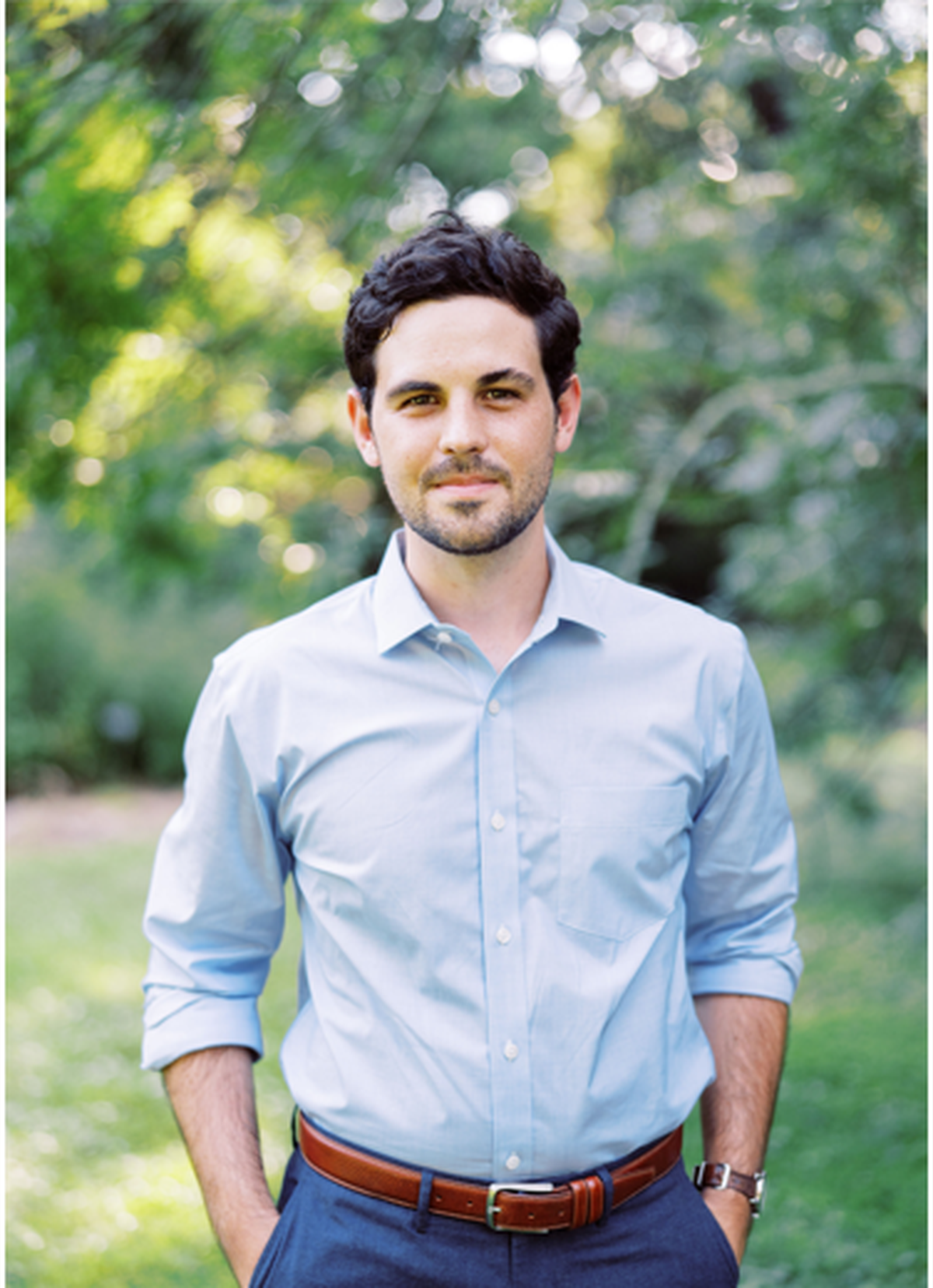
Pendo, one of the Triangle’s most promising startups, is now valued at $2.6 billion
Pendo, one of Raleigh’s most prominent startups over the past decade, is now worth $2.6 billion, after raising an additional $150 million from investors.
The company announced the new funding Tuesday, making it one of the most valuable startups in North Carolina. The round was led by the investment firm B Capital Group along with the private-equity firm Silver Lake.
It also will likely be the company’s last private funding round before filing an initial public offering, Pendo CEO Todd Olson told The News & Observer in a video interview.
“We do think we’ll need a round of capital pre-IPO, (and) we felt like now is a good time to kind of get this money in the bank,” Olson said. “That will free us up to be a little more aggressive and spend more aggressively and help get us to that IPO event.”
Pendo is targeting the later half of 2022 for a potential IPO, Olson said, adding it will likely depend on how the stock market is behaving next year.
The funding comes as Pendo, which makes software that helps companies collect data on how customers actually use their products and websites, continues to mature as a company.
It has now raised $356 million since it was founded at HQ Raleigh (now Raleigh Founded) in 2013. Its previous valuation was $1 billion, which came after it raised $100 million in 2019.
Pendo now has 675 employees worldwide, according to a spokeswoman. The company has said previously that it plans to employ nearly 600 people in Raleigh by 2023, after it landed jobs incentives from the state in 2018.
And the startup recently hit a milestone of $100 million in annual recurring revenue, a figure that tracks how its subscription-based business is doing.
Olson said that revenue number is representative of the fact that Pendo has built a significant business.
“You know when I started the company, and we were zero revenue, I remember saying, ‘Wow, it’ll feel like we really accomplished something when we get to 100,’” he said, referring to annual recurring revenue.
“We’re by no means done,” Olson said. “I mean I think we’re thinking about the next 100, and, you know, potentially, thinking about how to get to a billion in ARR. But I think it’s just a great sign that we could do this.”
Future growth
Olson said that growth could come from a lot of places. At the moment, Pendo’s customers only include 10% of Fortune 500 firms. Even within that 10%, he added, the company believes it could quadruple its revenue by expanding the amount of services it offers them.
Olson added that only 7% of Pendo’s business is outside of the United States, and the company has opened offices in Asia and Europe to continuing grow overseas revenue.
“So I think I think there’s a lot of growth to be done,” he said.
Pendo is planning several new product lines in the coming months and could acquire other startups to add their software to its offerings, he added.
One of those new products is focused around tracking how well new hires of companies are using their own internal tools. With so many people being hired remotely, Pendo believes it can give companies more insight into how well it is training new employees.
Olson said he believes Pendo could be a late beneficiary from the pandemic. Unlike Zoom, which saw an immediate boost from people working from home, Pendo’s business model will likely pick up more pandemic-related business later, Olson said.
“More digital applications were created last year than ever before in history,” he said. “... I think we’re gonna start seeing more benefits from that this year and next.”
That’s because, in 2020, companies were solely focused on just creating digital applications for the pandemic. But a year later, those companies will likely be looking for more insights into how customers are using those new products and how they can be improved, Olson said.
Olson spoke to The N&O from Pendo’s offices in San Francisco. The startup has slowly begun reopening its offices across the world. It’s once again offering lunches to employees, which has brought some employees back, but it has not yet set firm rules on what a full return might look like.
The company is set to be the main tenant of the under-construction Raleigh Crossing tower on Hillsborough Street, and Olson said he remains a big believer in in-person work.
“We’re playing a little more of a wait-and-see approach,” he said. “We are encouraging people just to try to come back in, and re-acclimate themselves with the office. We continue to kind of monitor the situation and figure it out.”
This story was produced with financial support from a coalition of partners led by Innovate Raleigh as part of an independent journalism fellowship program. The N&O maintains full editorial control of the work. Learn more; go to bit.ly/newsinnovate.
This story was originally published July 27, 2021 at 8:41 AM.