Open Source: NIH cancels first Triangle research grants | EPA doubt in RTP | IBM layoffs
I’m Brian Gordon, tech reporter for The News & Observer, and this is Open Source, a weekly newsletter on business, labor and technology in North Carolina.
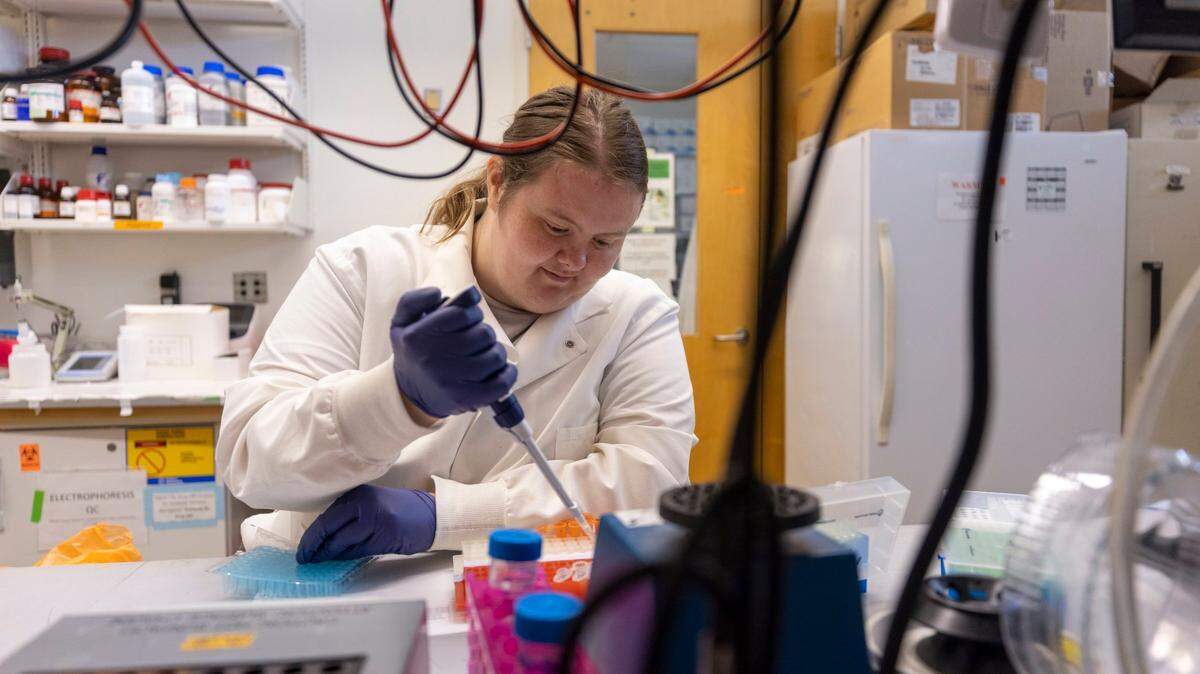
The Trump administration in recent weeks has taken the unprecedented step of canceling hundreds of active National Institutes of Health grants, including awards for Duke University, UNC-Chapel Hill and the Durham nonprofit RTI International.
In accordance with a Feb. 18 memo from President Donald Trump titled “Radical Transparency About Wasteful Spending,” the U.S. Department of Health & Human Services began posting these terminated NIH grants online. Its list so far shows more than 200 entries.
To systematically end active awards is a departure for NIH, the world’s biggest public funder of biomedical research. In past years, the agency had canceled on average around 20 of its approximately 60,000 annual grants early for obvious fraud or potential harms.
“Terminating funding has previously been an uncommon action,” said Cat Long, research communications manager at UNC-Chapel Hill.
UNC-Chapel Hill, Long said, has had one NIH grant terminated under the new administration. She did not provide the grant title, and it doesn’t appear on the government’s current canceled grant list.
“The university is still early in the process of determining the impact of this termination and communicating these impacts to staff,” she said, adding that UNC is also a “subrecipient” on five canceled projects.
Since late February, NIH has ended a sweeping number of grants related to sexuality, gender or race from dozens of institutions — plus several general health grants specifically from Columbia University.
On March 12, NIH canceled a $42,000 grant for the Duke University School of Nursing to study sexual health risks among Black gay men, according to the government website. The previous day, NIH had ended a $100,500 grant for RTI International titled “Social influences on sexual health among Latinx adolescents and emerging adults who identify as LGBTQ+ in an agricultural community.”
“The American people have seen their tax dollars used to fund the passion projects of unelected bureaucrats rather than to advance the national interest,” Trump’s memo read, in part.
RTI International wouldn’t comment on the status of this project. One of the largest employers in Durham County, the organization has made two rounds of layoffs since Trump retook office, as more than 80% of its yearly revenue comes from the federal government.
“RTI conducts thousands of research projects, some of which are shifting due to changes in federal grantmaking priorities,” CEO Tim Gabel said in an email. “Delivering on our mission to improve the human condition with independent, data-driven solutions has always required evolving to meet the needs of our clients, including the federal government.”
Duke University did not respond to questions about its canceled grant. Combined, Duke and UNC-Chapel Hill accounted for more than half of the nearly $2 billion in NIH funding North Carolina received in 2024. Driven by these two Research Triangle institutions, North Carolina saw the sixth-most NIH dollars of any state, outpacing its population ranking (No. 9).
Not all the affected NIH awards are connected to LGBTQ issues or to other minority groups. A high concentration of the affected projects are from Columbia University, which the administration retaliated against for its response to Israel protests on campus last year.
In a March 10 post on X, NIH announced it was ending more than $250 million in funding to Columbia, encompassing over 400 grants, “following directives from the Trump Administration’s Joint Task Force to Combat Anti-Semitism.” The administration gave Columbia until the end of Thursday to make a series of changes to avoid $400 million in funding cuts.

According to the federal government’s list, terminated Columbia grants included a $3 million award to the Alzheimer’s Disease Research Center and a $200,000 award for an “advanced graduate training program in neurobiology and behavior.”
Columbia was one of 60 institutions of higher education to receive a March 10 letter from the U.S. Department of Education’s Office of Civil Rights warning of “potential enforcement actions” if they failed “to protect Jewish students on campus.”
One of the recipient universities was the University of North Carolina. In a letter obtained by The N&O addressed to UNC System President Peter Hans, the federal office said schools failing to uphold its interpretation of Title VI under Civil Rights Act “will be subject to potential loss of federal funding.”
Both UNC-Chapel Hill and NC State were the scenes of high-profile and contentious Gaza War protests last spring.
- Update on the overall new NIH grant review process, which Open Source reported had stalled under the Trump administration. On Thursday, the agency resumed scheduling some advisory councils, which are critical to green lighting new NIH grants.
- Another major NIH change has been around “indirect” grant payments, which the Trump administration universally cut to 15%. This policy has been blocked while a federal judge rules on its legality.
EPA’s major RTP science office under threat
Managers at the Environmental Protection Agency brought empathy but few answers to an “all-hands” staff meeting Tuesday, the day after The New York Times reported on Trump administration plans to eliminate the EPA’s Office of Research and Development, or ORD, which employs several hundred scientists in the Research Triangle. The N&O subsequently obtained these leaked plans, which called for up to 75% of ORD positions to be terminated.
EPA workers say managers were caught off guard by the Times report. In an email to The N&O, EPA spokesperson Molly Vaseliou said no final decisions have been made.
“EPA is taking exciting steps as we enter the next phase of organizational improvements,” she said. “We are committed to enhancing our ability to deliver clean air, water and land for all Americans.”
But staff argue dissolving the agency’s science research office will make this impossible.
.jpg "IMG_5455 (1).jpg")
“It’s a big deal,” said Holly Wilson, head of the EPA’s local union chapter. “We just have to do a better job of telling our story and how it impacts the public.”
As recently as 2021, ORD was the largest office at the EPA Triangle campus (which itself is the agency’s biggest physical campus). Employees there must now continue to work for at least the next few months under the specter of their office, and likely their jobs, disappearing. Some may not stick around.
IBM updates on 2025 layoffs
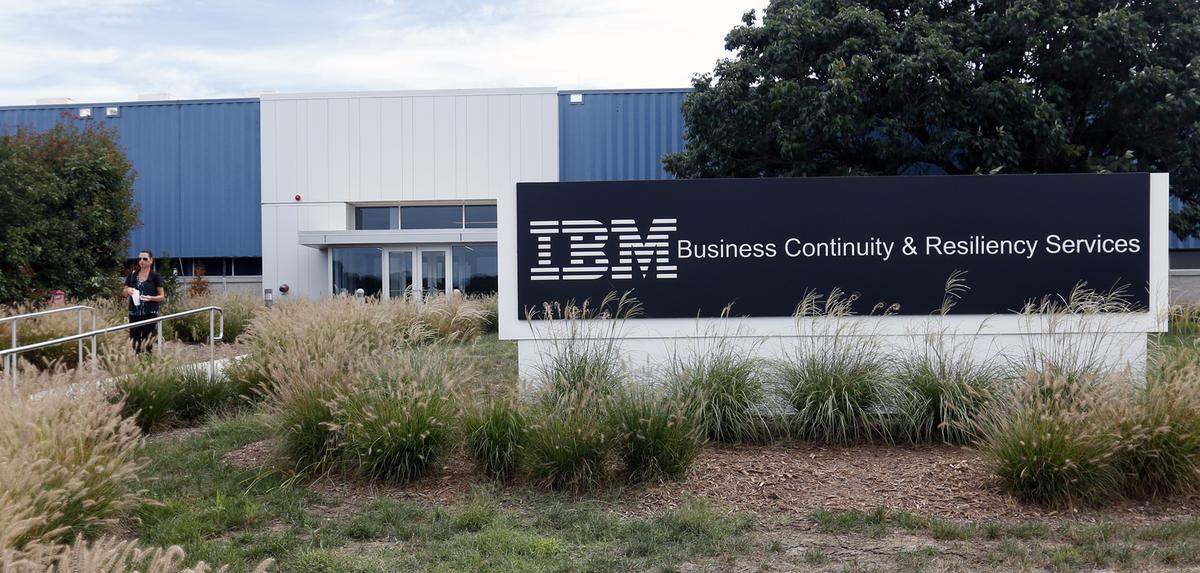
A reader emailed mentioning layoffs this week at IBM, one of the biggest and oldest employers in Research Triangle Park. There are also dozens of recent IBM layoff postings on the anonymous messaging website TheLayoff.com, at least three of which purported to be from impacted workers at the company’s RTP office.
During its January earnings call, IBM told investors it would implement a “workforce rebalancing” in 2025, similar to the one it made last year that the company says affected a low single-digits percentage of its global staff.
“This rebalancing is driven by increases in productivity and our continued push to align our workforce with the skills most in-demand among our clients,” IBM spokesperson Sarah Minkel said in an email Wednesday. “Especially in areas such as AI and hybrid cloud.”
IBM declined to share how many workers it employs in the Triangle or how many local employees are impacted by this year’s “rebalancing.” According to state data, IBM has gone from Durham County’s No. 2 largest employer in 2016 to No. 7 today.
Worldwide, IBM began 2025 with 270,300 employees, including at subsidiaries like the Raleigh software provider Red Hat, which marked a 4% decrease from the previous year.
Clearing my cache
- The state auditor found NCInnovation is complying with state laws, good news for the nonprofit that recently established a $500 million taxpayer-funded endowment to help University of North Carolina System researchers commercialize their work. While supported by state GOP leaders, NCInnovation has also been criticized by North Carolina conservatives who questioned its transparency and importance.
- Inn-Flow, a Cary-based hotel management software company, announced it has raised $45 million to help expand operations.
- At a ceremony later today, Johnson & Johnson will break ground on its $2 billion manufacturing plant in Wilson, which the company announced in October and says will eventually employ around 420 workers.
National Tech Happenings
- President Trump fired two Democratic commissioners at the Federal Trade Commission. Both plan to sue to reverse their terminations. The final outcome could come down to judges’ interpretation of a Supreme Court ruling called Humphrey’s Executor v. United States, which safeguards independent agency commissioners from at-will firings.
- The way Steve Jobs once unveiled new Apple products to great fanfare, Nvidia CEO Jensen Huang has turned his new AI chip announcements into headline-making events.
- In one of the biggest software acquisitions ever, Google will pay $32 billion for a cybersecurity company called Wiz. This is close to what IBM paid for Raleigh’s Red Hat six years ago, but adjusted for inflation, the $34 billion IBM spent on Red Hat would today be worth $42.7 billion.
Thanks for reading!
This story was originally published March 21, 2025 at 6:00 AM.