Funds cut, research ended, jobs lost: How Trump 2.0 has altered NC’s Research Triangle
AI-generated summary reviewed by our newsroom.
- Trump NIH funding cuts have caused layoffs and stalled Triangle research
- EPA and NIH campus layoffs reduced federal presence, morale and scientific output
- USAID freezes slashed nonprofit budgets; RTI and FHI 360 faced mass job losses
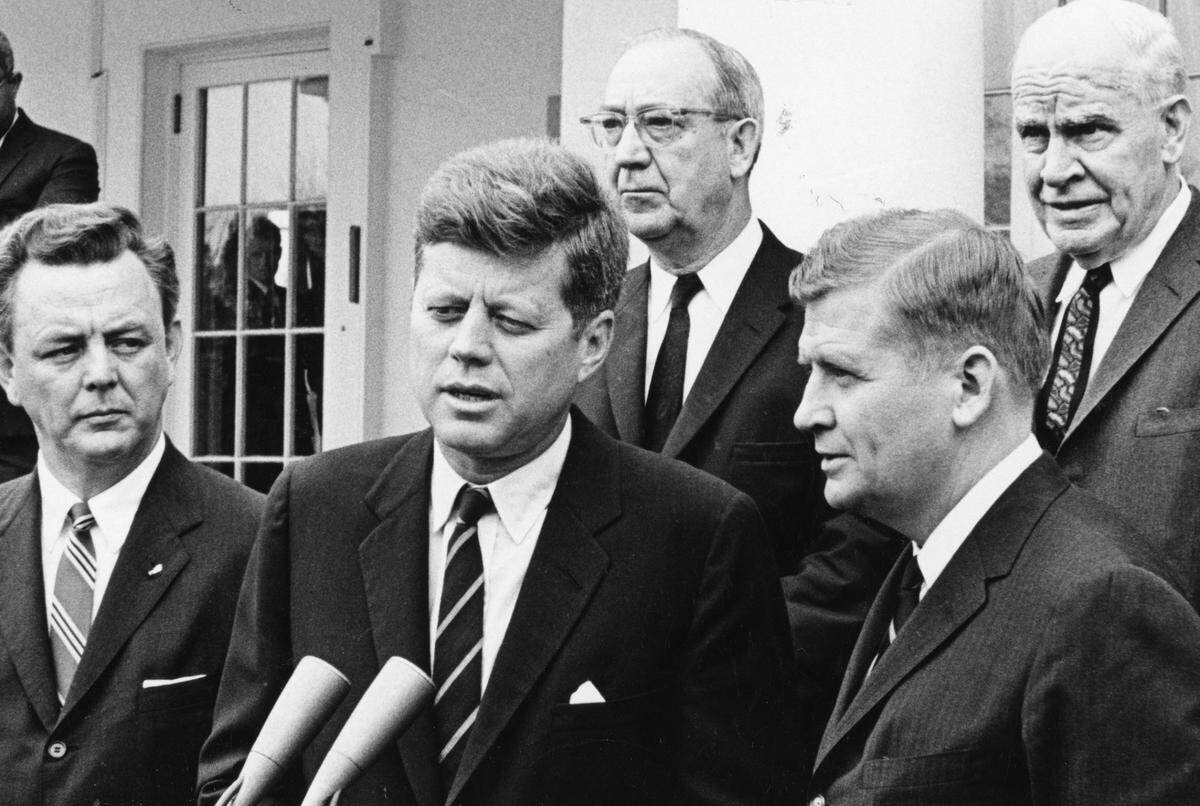
In 1960, North Carolina gubernatorial candidate Terry Sanford, a crucial Southern Democrat, endorsed the junior senator from Massachusetts, John F. Kennedy, who was running for president. Sanford pledged his support for a promise: that Kennedy would bring an environmental research facility to the fledgling economic zone between Raleigh and Durham called Research Triangle Park.
A year later, then-President Kennedy created an agency to combat Soviet influence that would deliver American humanitarian assistance to less prosperous nations. Later in 1961, the Durham nonprofit Research Triangle Institute conducted its first project through this newly formed United States Agency for International Development, or USAID.
But to find the first and perhaps most influential role the federal government has had in shaping the Research Triangle from old farmland into a center for startups, global technology companies and countless intellectual pursuits, one can look toward a single report published 80 years ago this month.
In 1945, a man named Vannevar Bush headed the Office of Scientific Research and Development, a wartime agency coordinating U.S. military research, including the creation of an atomic bomb. With the war winding down, Bush urged the government to continue funding science into peacetime.
“If the colleges, universities, and research institutes are to meet the rapidly increasing demands of industry and Government for new scientific knowledge, their basic research should be strengthened by use of public funds,” he wrote in his seminal report “Science — the Endless Frontier.”
The National Institutes of Health awarded its first university research grants the same year. No longer would researchers at Duke University, UNC-Chapel Hill and North Carolina State University depend on limited private funders; NIH records provided to The News & Observer show Duke scientists received federal grants as early as 1946. And in 1950, the federal government established the National Science Foundation, which delivered more money to the Triangle’s largest schools.
Five years later, the phrase “Research Triangle” first appeared in a North Carolina newspaper. The naming is credited to Greensboro businessman Romeo Guest, who like others in the region sought to link Raleigh, Durham and Chapel Hill into a cohesive scientific community that could draw industries to a state that, in the 1950s, was very agrarian and recorded one of the lowest per capita incomes in the country.
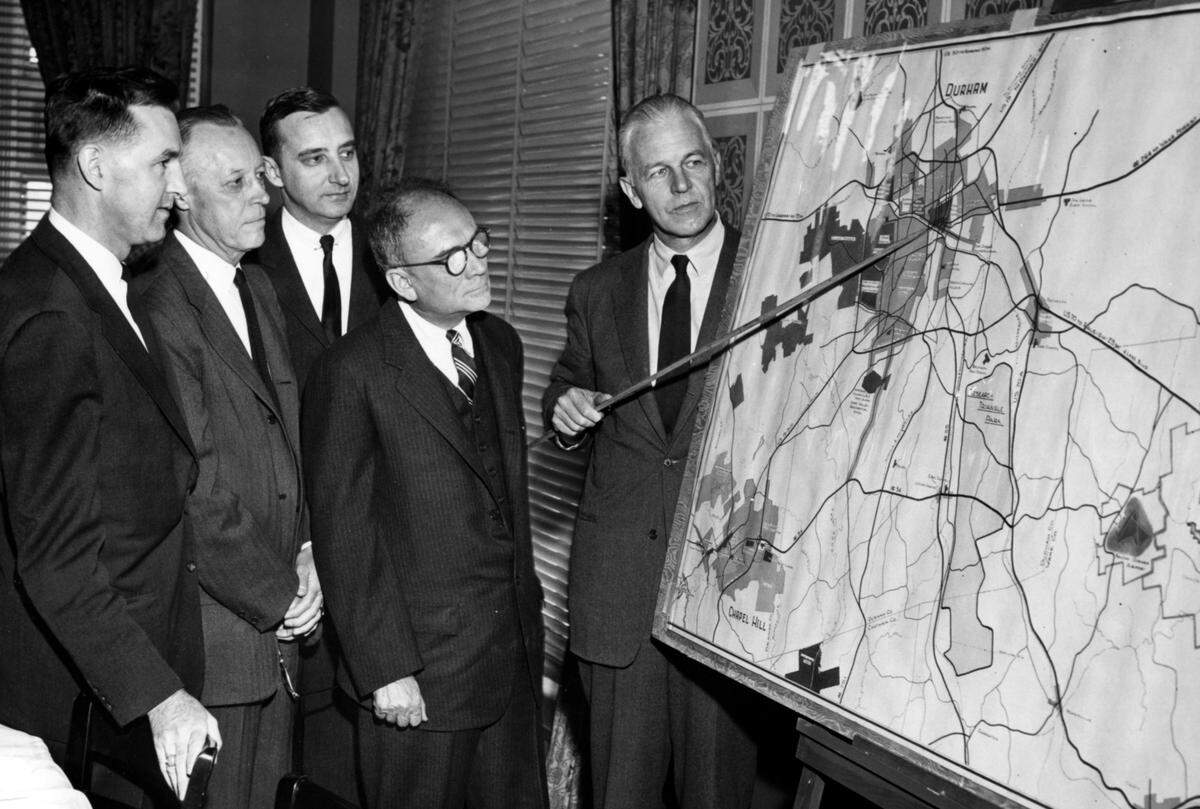
To be clear, state officials and not the federal government launched Research Triangle Park in 1959. But from Vannevar Bush’s report to billions in USAID funding to the arrival of NIH and Environmental Protection Agency campuses — the federal government has made the area what it is today.
Or is it what it was?
The reelection of President Donald Trump has brought profound changes to the “research” part of the Research Triangle. In the name of eliminating what his administration says is fraud and waste, money has been slashed — and at times outright eliminated — from three pillars of the Triangle.
Six months into Trump’s second term, we look at those pillars — the universities, the foreign assistance nonprofits, and the federal campuses — to see how they’ve changed and what their leaders say will happen next.
.JPG "RAL_PROTEST04-030725-EDH (2).JPG")
The universities
Dr. William Perlzweig was a biochemist and original member of the Duke University School of Medicine faculty, who, in 1946, secured nearly $10,000 to study the metabolism of B vitamins. It was among the first grants the National Institutes of Health awarded to a North Carolina researcher.
Two years later and 10 miles away, Dr. John H. Ferguson got roughly the same amount to examine blood coagulation. This is the earliest recorded NIH grant at the University of North Carolina-Chapel Hill, according to the agency’s history office.
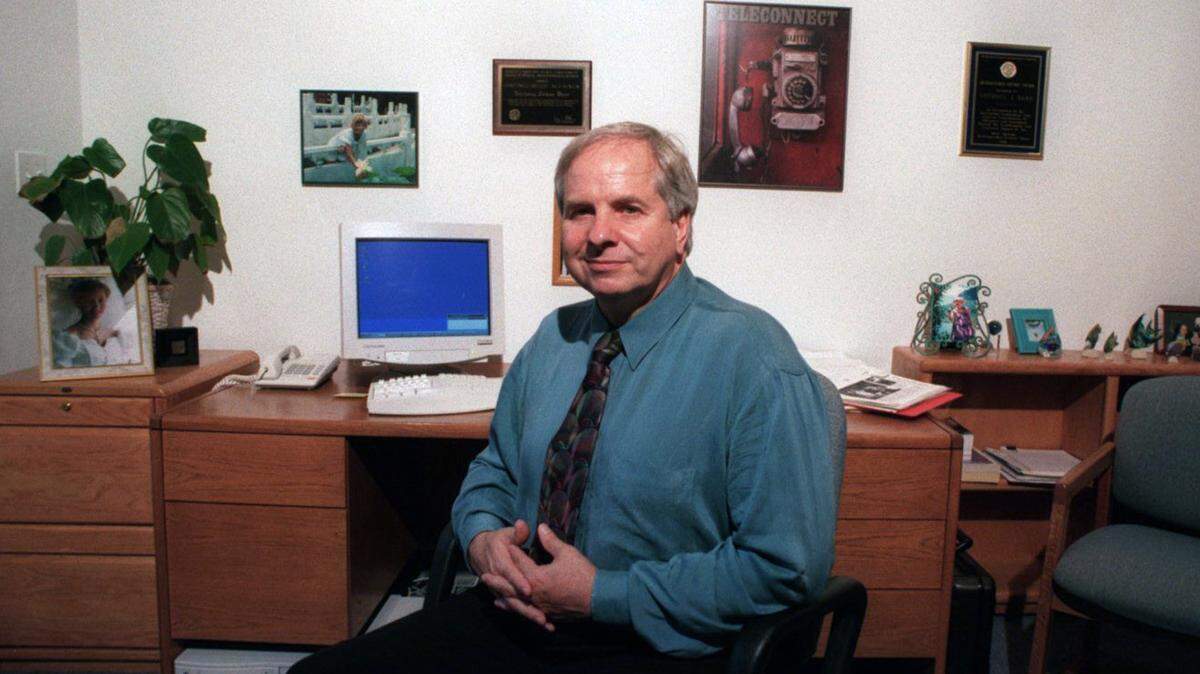
By 1970, Duke and UNC were each winning more than 100 NIH grants a year. North Carolina State University, which lacked a medical school, saw fewer of these awards, but in the 1960s, an NC State graduate student named Tony Barr benefited from NIH funding to develop a new statistical analysis system that predicted crop outputs. Barr named this system SAS, and his project eventually spawned Cary’s SAS Institute.
Today, the National Institutes of Health is the world’s largest public funder of biomedical science, and its awards to Triangle universities grew alongside the region.
In 1977, Duke University took in $21 million in NIH funds. By 1992, that figure had risen to $119 million. By 2012, $355.7 million. And by 2022, propelled by COVID-19 funding, Duke received $673 million — the fourth most of any institution nationwide.
NIH funding has similarly outpaced inflation at UNC, which received the 15th-most federal health money in 2022, at more than $588 million. Over half of North Carolina’s NIH funding last year was concentrated at these two universities.
“It’s very difficult to build things,” Colin Duckett, vice dean for basic and preclinical science at Duke’s School of Medicine, said in March. “It’s very easy to break them down.”
Duckett was discussing Trump administration moves that challenged how the American research ecosystem had long functioned. On this, the president’s opponents and supporters agree.
In early February, NIH capped “indirect” grant payments, which cover recipients’ facilities and administrative costs, at a flat 15% rate. This fell well below what major universities like Duke (61.5%) and UNC-Chapel Hill (55%) negotiated, and the gap represented hundreds of millions of dollars.
The Trump administration cited its obligation to protect taxpayers, noting private institutions like the Bill and Melinda Gates Foundation only give universities 10% to cover administrative expenses. University leaders countered that existing payment levels were essential to operations. “We’re talking about massive layoffs across the Triangle if this (rule) holds,” former UNC-Chapel Hill Chancellor Holden Thorp said soon after the payment cap was announced.
North Carolina Attorney General Jeff Jackson joined 21 other Democratic attorneys general to sue the Trump administration and NIH for what they called an “unlawful” funding cut. A federal judge blocked the cap, and the matter remains unsettled after the Trump administration appealed.
Another fundamental change to NIH funding under Trump has been the unprecedented canceling of active grants. In accordance with a Feb. 18 memo from the president titled “Radical Transparency About Wasteful Spending,” the U.S. Department of Health & Human Services began posting these terminated NIH grants online.
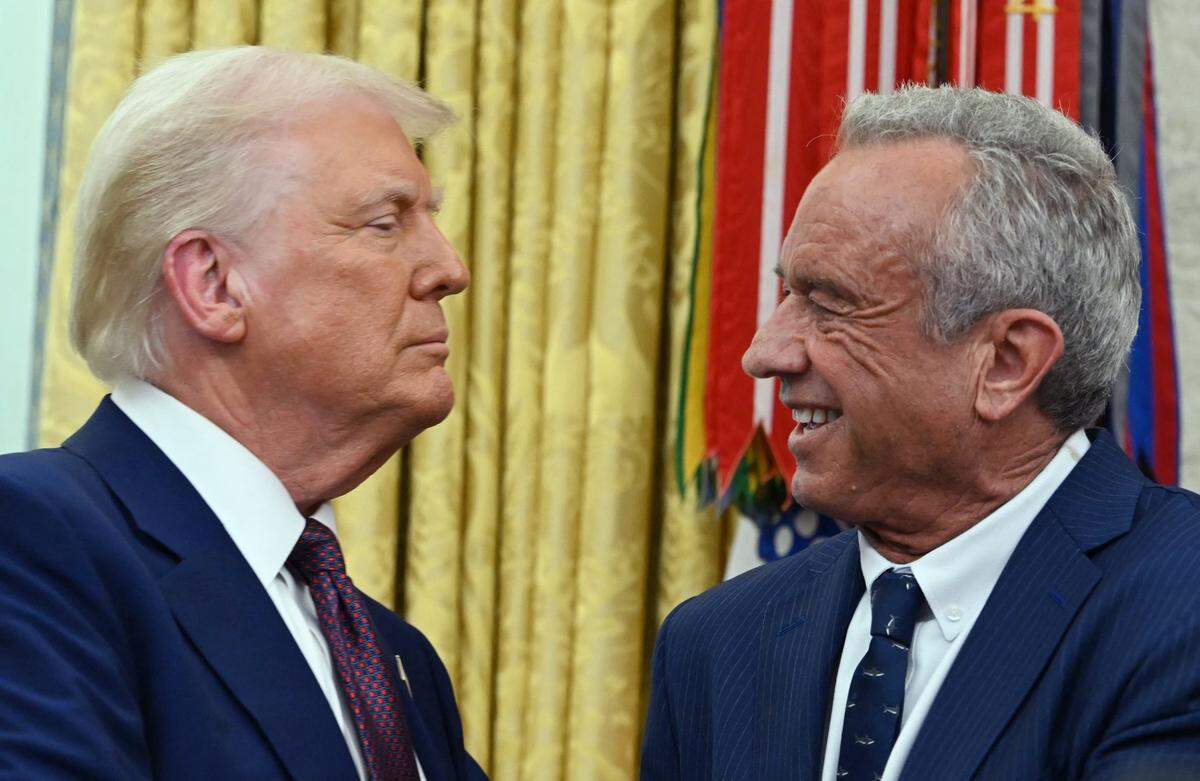
“The United States Government spends too much money on programs, contracts, and grants that do not promote the interests of the American people,” the memo states.
Halted grants have focused on coronavirus research and specific racial and gender identity groups. Other awards were terminated not because of their topics, but because of who the researchers were; this year, NIH canceled grants made through a program called MOSAIC, which aimed to promote the work of “promising postdoctoral researchers from diverse backgrounds.”
“It has created a tremendous amount of stress for people in my lab who may be laid off,” said Asiya Gusa, a Duke professor of molecular genetics and microbiology who had her award to study a human fungal pathogen ended because it was through MOSAIC.
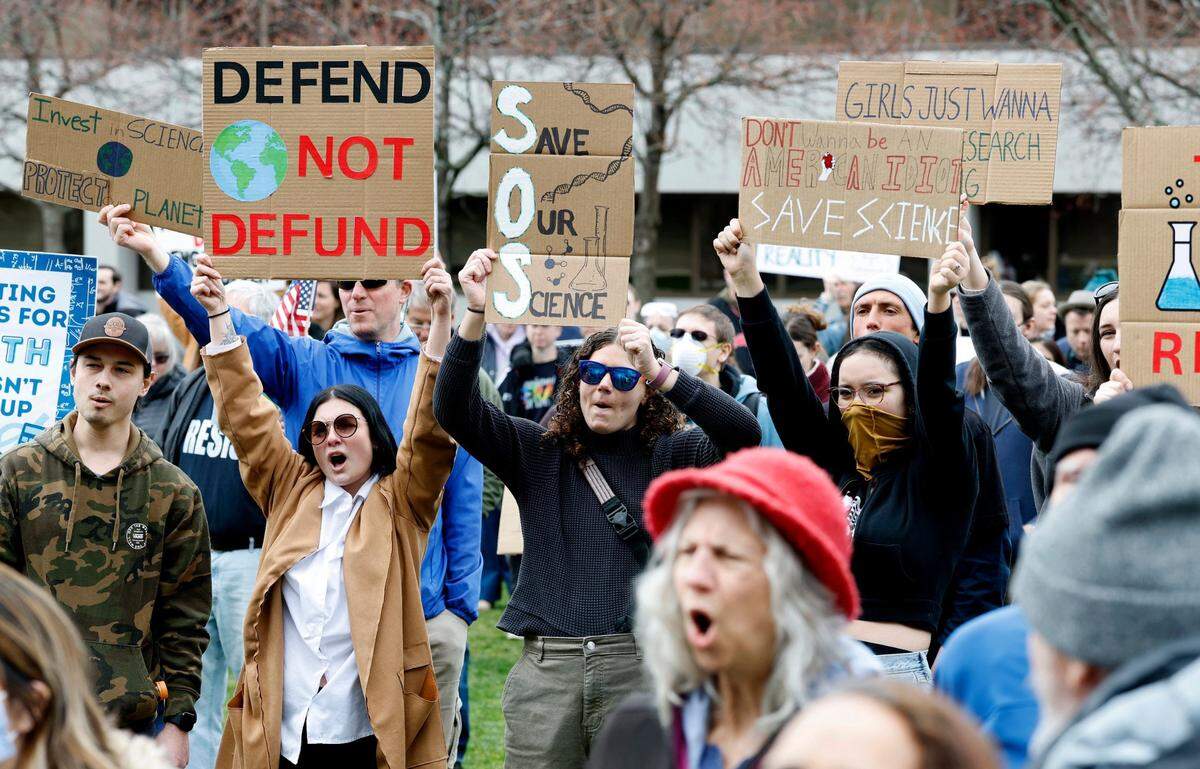
The government’s database of terminated health grants currently shows 21 UNC projects, 19 Duke projects, and one each at NC State and North Carolina Central University in Durham. These figures fluctuated throughout the spring as judges ordered the reinstatement of many canceled projects.
In recent years, the NIH would only end around 20 of its approximately 60,000 annual grants early due to blatant fraud or potential harms. “Terminating funding has previously been an uncommon action,” Cat Long, research communications manager at UNC-Chapel Hill, said in March.
Federal funding at Triangle universities continues to lag behind its 2024 pace. This is due, in part, to the Trump administration halting the grant renewal process; between Jan. 21 and March 4, the government announced no new study sections, which are when a panel of scientists review applications.
“I’ve never been in a situation where NIH just stopped all the wheels from turning,” UNC biologist Greg Matera said this winter.
Over the first half of the year, UNC has received approximately $51.6 million less from NIH compared to the same period in 2024. Matera’s grant, to study cellular memory and the regulation of gene expression, expired in March and the university covered his lab expenses until the government resumed its renewal process. His grant was approved in June.
“We’re still scared of fiscal year ’26,” he said. “But at least the trauma of being in limbo is gone.”
Federal cuts have extended beyond the National Institutes of Health. NC State received 110 fewer federal awards through July 1 compared to the same period in 2024, a public records request showed. The dollar decrease is around $27 million.
The federal grant battles that have unfolded so far in 2025 are separate from the larger funding questions to come. The proposed White House budget slashes NIH funding from $45 billion to $27 billion and NSF funding from $8.8 billion to $3.9 billion.
Reacting to lower grant dollars, in addition to other fundamental changes to universities, Duke, UNC and NC State have each implemented hiring freezes. In June, the UNC System required campuses to set new restrictions on salary spending and employee headcounts. The same month, Duke University President Vincent Price announced that his university, the largest Triangle employer, would offer faculty buyouts ahead of likely staff layoffs this summer.
“We will, for the foreseeable future, have to be smaller — and do our work with fewer people,” Price said.
The federal campuses
Lyndon B. Johnson kept his predecessor’s promise.
Sometime after the assassination of John F. Kennedy, North Carolina Gov. Terry Sanford contacted Johnson to confirm the new president would fulfill Kennedy’s commitment to bring an environmental research facility to Research Triangle Park.
In the end, the Triangle didn’t get one environmental agency, but two.
At the start of 1965, Sanford announced the NIH’s Environmental Health Sciences Center would move to a 509-acre site in Durham donated by the Research Triangle Foundation. Research Triangle Park at the time was only 6 years old and struggling to solidify its status as an industry magnet. “Early momentum” within the economic zone had “ground to a halt in the early 1960s,” UNC-Chapel Hill professor William Rohe wrote in his 2011 book “The Research Triangle: From Tobacco Road to Global Prominence.”
Rohe titled this fallow period “The Doldrums.”
But the NIH campus marked the start of a transformative year for Research Triangle Park, as three months later, IBM announced it, too, would open a research facility there.
“The early inhabitants of the RTP created a gravitational pull that attracted other companies,” Rohe wrote.
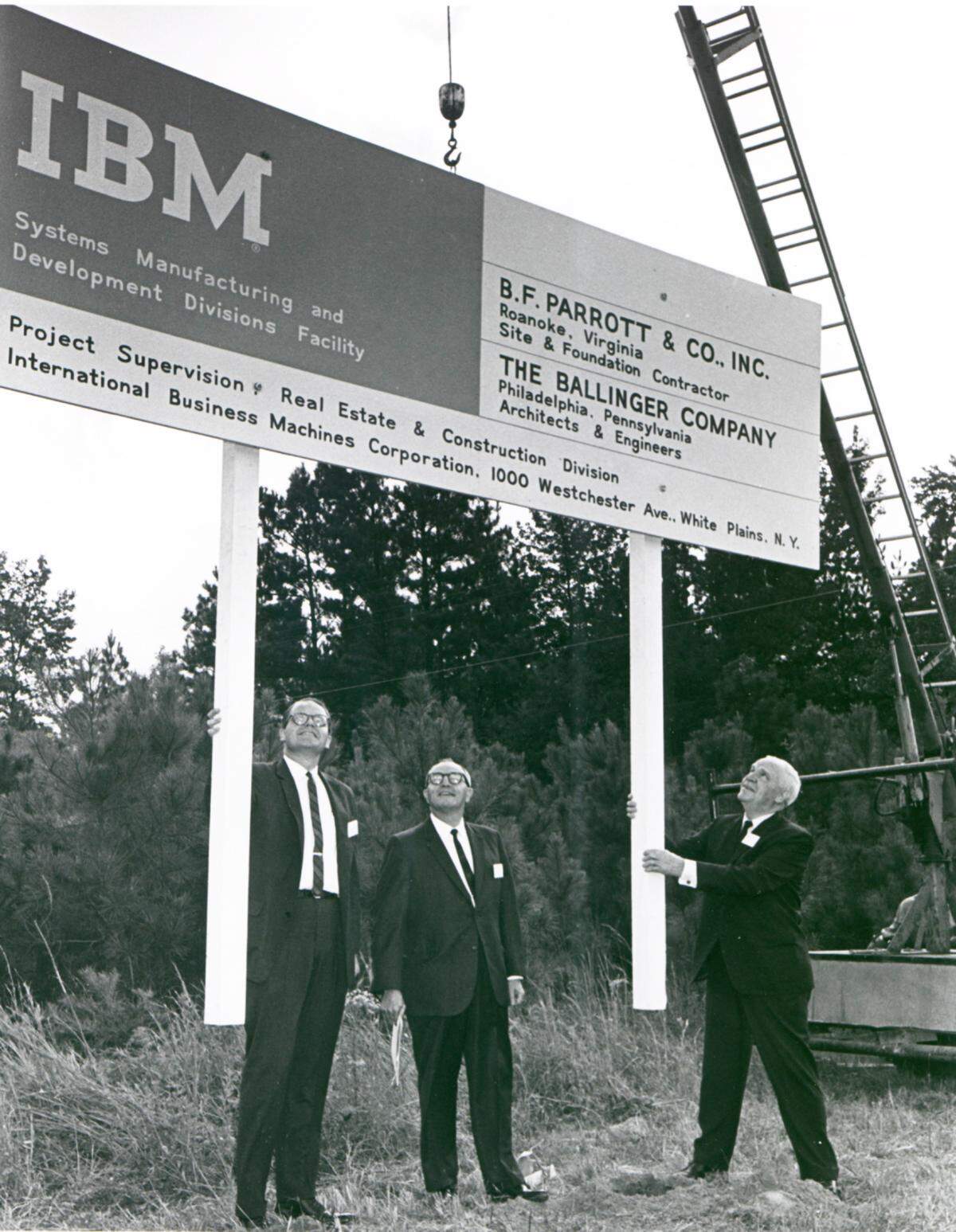
The National Institute of Environmental Health Sciences studies human-environmental reactions to promote public health. Of the 27 NIH institutes and centers today, it remains the only one headquartered outside greater Washington, D.C.
Entering the spring, the campus had approximately 680 staff members, says Edith Lee, president of the American Federation of Government Employees Local 2923, which represents the North Carolina office. Then on April 1, the Department of Health and Human Services announced sweeping layoffs impacting around 10,000 positions across multiple agencies. Cuts included about 40 National Institute of Environmental Health Sciences workers in the Triangle, Lee said.
“This overhaul is about realigning HHS with its core mission: to stop the chronic disease epidemic and Make America Healthy Again,” HHS Secretary Robert F. Kennedy Jr. posted on X.
Yet the next day, HHS asked some of these laid-off NIEHS workers to return. Lee says about 14 workers were asked back. The rest of the HHS layoffs were on hold until last week, when the Supreme Court lifted a lower court’s ban on the Trump administration’s mass federal layoffs.
On July 14, those NIEHS workers who were part of April’s reduction-in-force action received an email notifying them that their positions had been officially terminated. “Thank you for your service to the American people,” HHS wrote in the message, which The N&O reviewed.
“Morale is exceptionally low,” Lee said. “Some individuals’ workloads may have doubled. Other people’s workloads probably fizzled right now because of the (NIH research) cuts that we have had.”
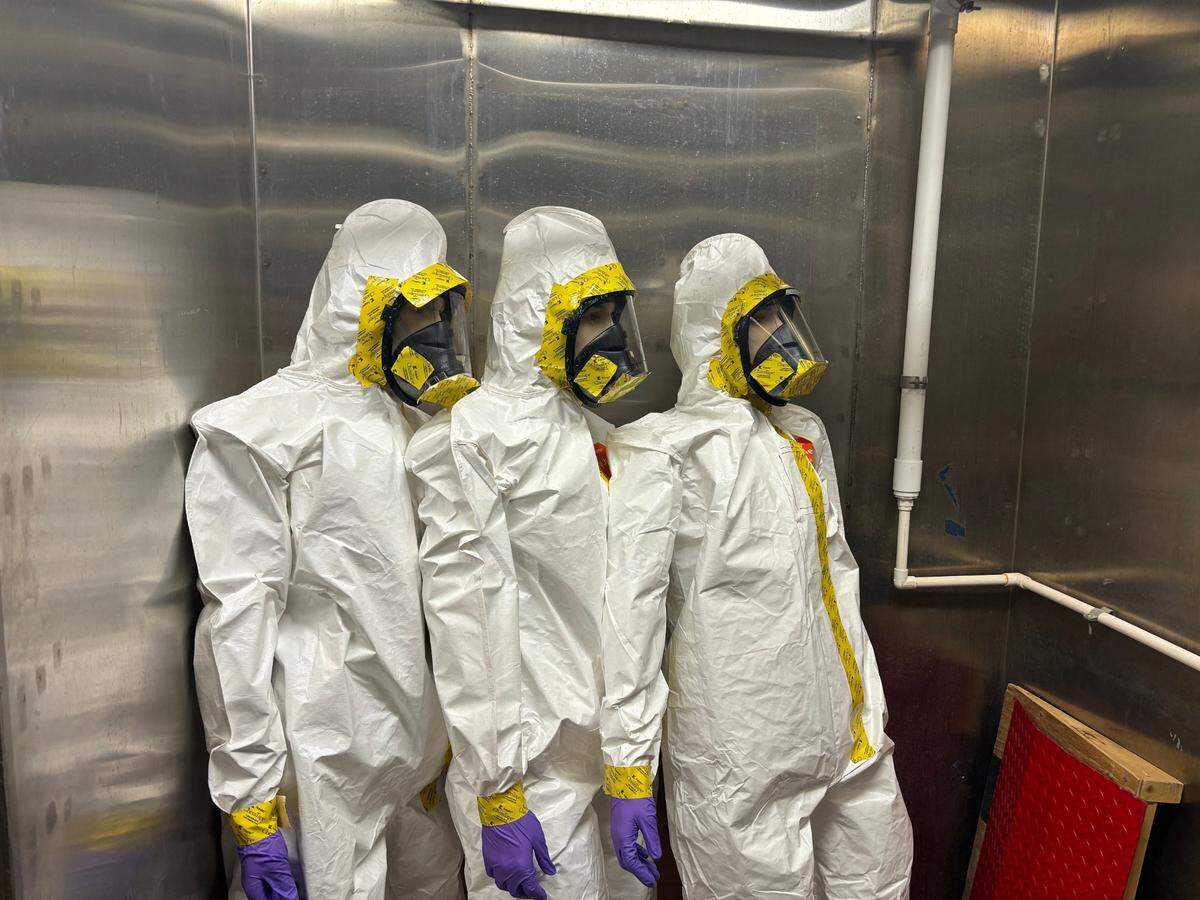
Research Triangle Park’s second federal environmental campus arrived in 1971 when the newly formed Environmental Protection Agency, established by President Richard Nixon, picked the park for what remains the agency’s largest facility. In 2001, the EPA opened its current buildings beside the NIEHS on the 509-acre Durham site. As of last year, more than 2,000 full-time federal employees and contractors report to this verdant site. Their mission is to identify contaminants — both known and novel — gauge permissible levels, scrutinize research and recommend air quality standards.
In 2017, local EPA researchers identified high concentrations of per- and polyfluoroalkyl substances — better known as PFAS — in the Cape Fear River, having come out of a chemical manufacturing facility south of Fayetteville. These long-lasting, synthetic compounds earn the nickname “forever chemicals” and have been connected to adverse human health effects.
In February, the EPA and NIEHS each fired a number of early-career “probationary” workers in the Triangle amid the Trump administration’s effort to trim the federal workforce. Three months later, EPA leaders encouraged staff within the Office of Research and Development to reapply for positions across other EPA offices, including a newly formed Office of Applied Science and Environmental Solutions.
More than 1,500 ORD staff were told to apply for roughly 400 to 500 open positions nationwide, said Holly Wilson, president of AFGE Local 3347, which represents EPA employees in the Triangle. “It looks like ORD will no longer be an independent program office,” she said in May.
ORD maintains a significant presence in Research Triangle Park, where it had around 600 scientists as of last year, according to Chris Frey, an associate dean at the NC State University College of Engineering who served at the EPA under the Biden administration. This research office accounts for about half of the agency’s total workforce in Durham.
“EPA is working expeditiously through the reorganization process and will provide additional information when it’s available,” the agency said in a May 5 statement.
In an opinion piece published a few days prior, EPA Administrator Lee Zeldin said his agency reorganizations would lower spending by $300 million and reduce employment to its 1980s level. Wilson said she knows of many local EPA employees who accepted deferred resignations through the so-called “Fork in the Road” offers.
Some who remained voiced their displeasure in a petition that accused Zeldin and Trump of “recklessly undermining the EPA mission.”
“This administration’s actions directly contradict EPA’s own scientific assessments on human health risks, most notably regarding asbestos, mercury, and greenhouse gases,” the letter read, in part.
While some EPA employees signed this dissent letter anonymously, others entered their names.
On July 3, nearly 140 employees nationwide who had added their names were placed on paid leave until at least July 17, “pending an administrative investigation,” according to an internal EPA email the N&O reviewed.
In a statement, the EPA said it “has a zero-tolerance policy for career bureaucrats unlawfully undermining, sabotaging, and undercutting the administration’s agenda as voted for by the great people of this country last November.”
At least 13 workers in the Triangle, Wilson said, were placed on leave.
The foreign assistance nonprofits
Though its name suggests a local focus, since its start Research Triangle Institute has operated across state and national borders.
The visionaries of Research Triangle Park launched Research Triangle Institute in 1958, a year before the encompassing park, to connect university research to the new industries that would hopefully be arriving to the nascent economic zone.
Then, in 1961, President John Kennedy created USAID to promote American soft power near the height of the Cold War, and Research Triangle Institute broadened its focus. That year, the organization, which now goes by RTI International, performed its first foreign development project, an economic data survey of rural farmland in newly independent Nigeria.
This project was funded through USAID. It wasn’t the last.
According to the Congressional Research Service, RTI International was slated to receive $2.3 billion from USAID for nonmilitary foreign assistance between 2013 and 2022, the sixth-most among all nongovernmental organizations. Its recent USAID-funded projects have included studying anti-corruption efforts in Uganda, power sector enhancements in the Philippines, and water service expansion in Ecuador.
Another Triangle research firm was one of the nonprofits to secure even greater USAID dollars during this period. Founded in 1971 at the University of North Carolina-Chapel Hill, FHI 360 received the third-most USAID funding from 2013 to 2022.
That USAID dollars were concentrated within major nonprofits like RTI and FHI 360 was the result of federal rules, says John Norris, author of a 2021 book called “The Enduring Struggle: The History of the U.S. Agency for International Development and America’s Uneasy Transformation of the World.”
“You ended up with more and more rules, regulations and reporting requirements layered onto USAID by Congress,” he told The N&O. “And that had the unintended consequence of making it so that large U.S. (nongovernmental organizations) and contractors were better positioned to navigate the red tape that was being imposed on those carrying out programs in the field.”
On the first day of his second term, Trump froze USAID.
“For decades, the United States Agency for International Development (USAID) has been unaccountable to taxpayers as it funnels massive sums of money to the ridiculous — and, in many cases, malicious — pet projects of entrenched bureaucrats, with next-to-no oversight,” the White House wrote in a Feb. 3 post.
Over the next two months, FHI 360 said the federal government ended 81 of its projects, resulting in the loss of nearly half its $870 million annual revenue.
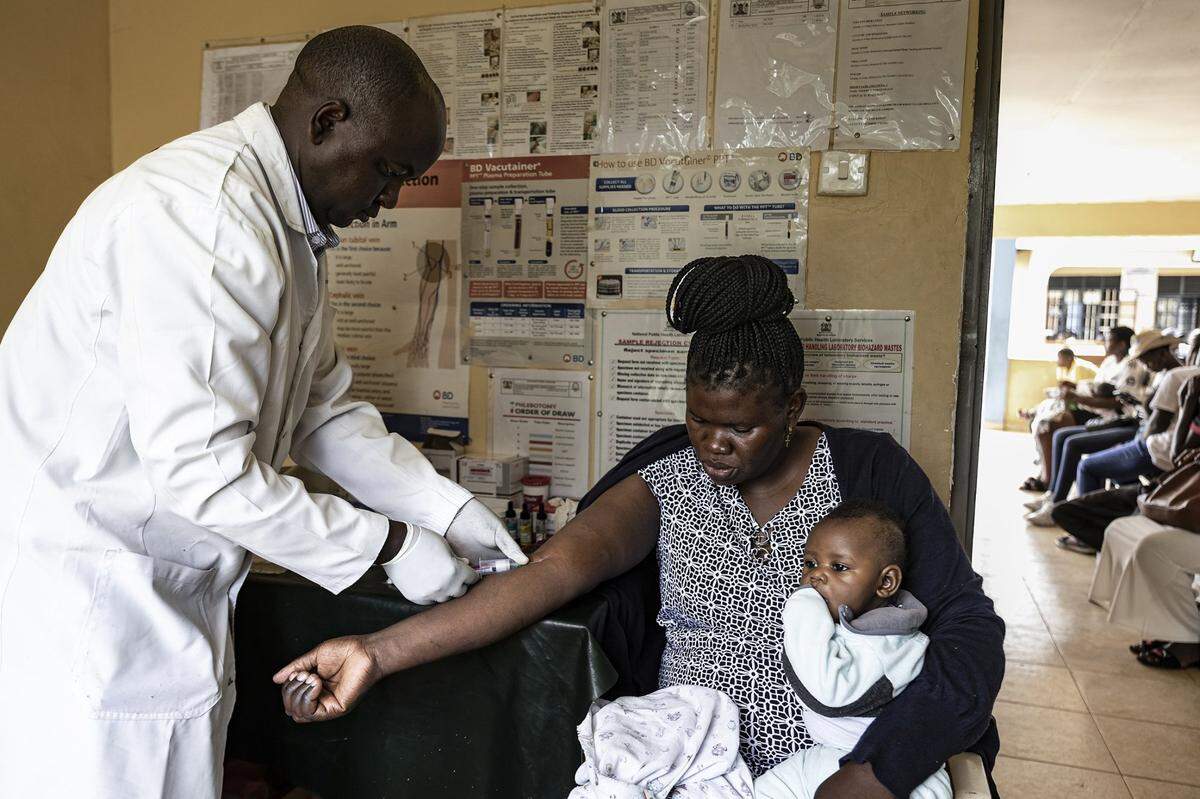
Supporters of USAID say the agency fortified humanitarian efforts. It is credited with preventing 91 million deaths in the first two decades of the 21st century, according to a recent study in the medical journal The Lancet.
“There were some cases where we were supposed to be delivering treatment or medicines,” FHI 360 CEO Tessie San Martin told The N&O in June. “Well, that suddenly had to stop. In some cases, people thought that they could still come in to a clinic, which was in part funded by the U.S. government.”
This spring, San Martin’s nonprofit laid off nearly 500 U.S. employees, including 144 in North Carolina.
RTI International’s diversification, compared to FHI 360, meant it was better positioned to weather the loss of USAID. While FHI 360 received more than 65% of its revenue from USAID, the former foreign assistance agency accounted for only a quarter of RTI revenue.
The U.S. government was still RTI’s main client, and in March, the nonprofit estimated federal project cancellations would reduce its operating revenue by nearly a third. Layoffs have followed, both internationally and in the Triangle, where RTI’s headcount has gone from above 2,300 workers to below 1,900.
In a June interview with The N&O, RTI International CEO Tim Gabel said the nonprofit sought to fill the foreign aid-sized hole in its budget by growing its existing commercial health care work while expanding further into food/beverage and defense.
“How do we pivot to the market opportunities that are there,” he said. “Which is what we’re trying to do right now is really think about, how do we align ourselves to skate where the puck is going to be.”
Rather than peer back at the past six months, the leader of an original Research Triangle Park tenant was more interested in talking about the now and next.
This story was originally published July 17, 2025 at 5:00 AM.